



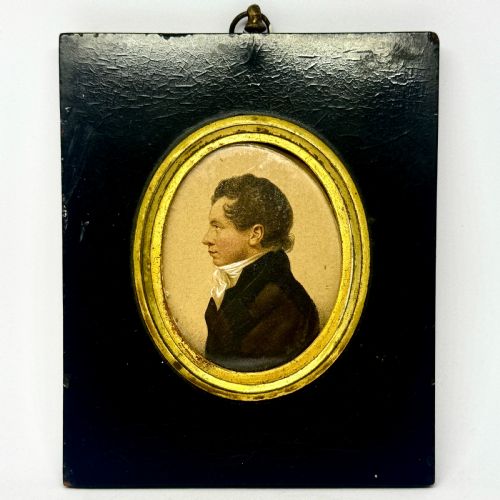
Oval Framed Miniatures
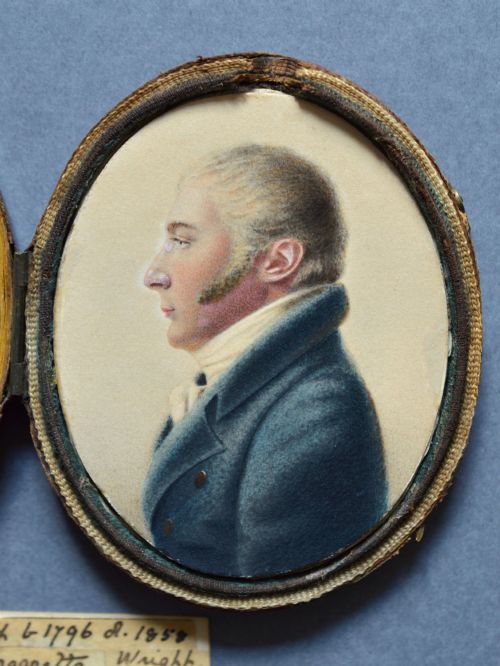
When you search for oval framed miniatures, you enter a world of delicate portraiture and silhouettes housed in brass, wood, and gilt metal.
Oval Framed Miniatures
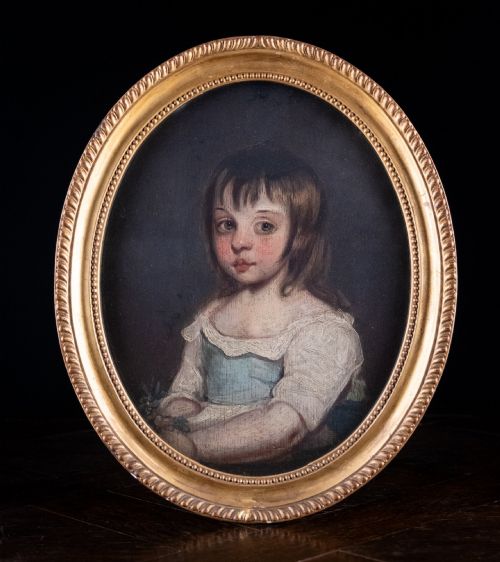
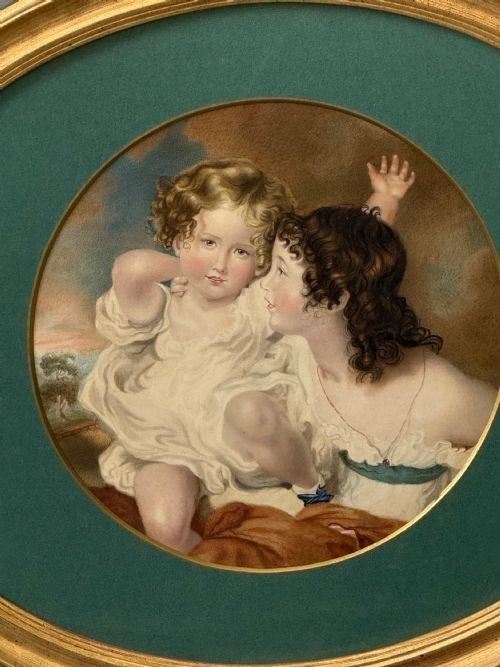
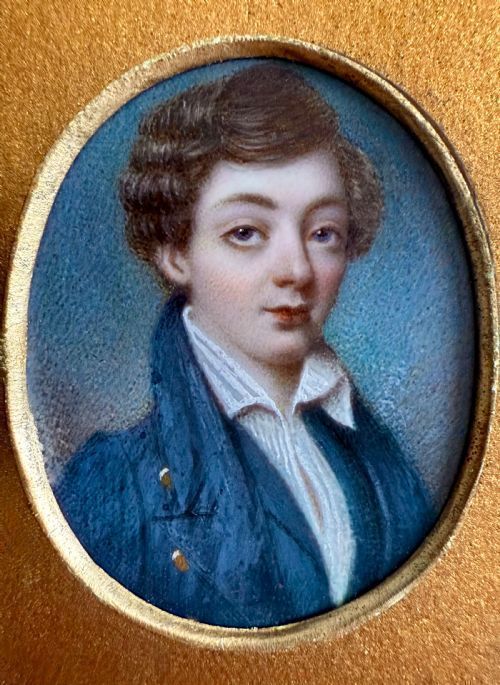
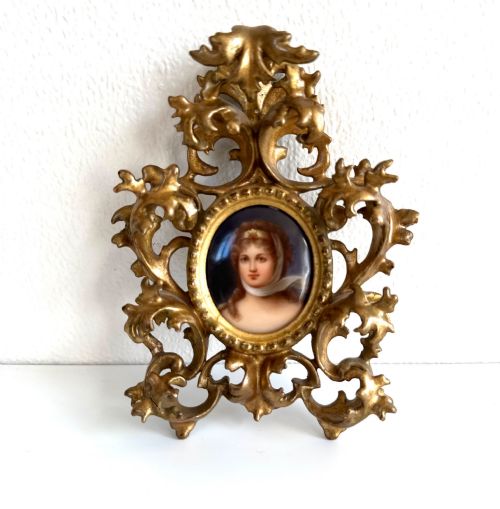
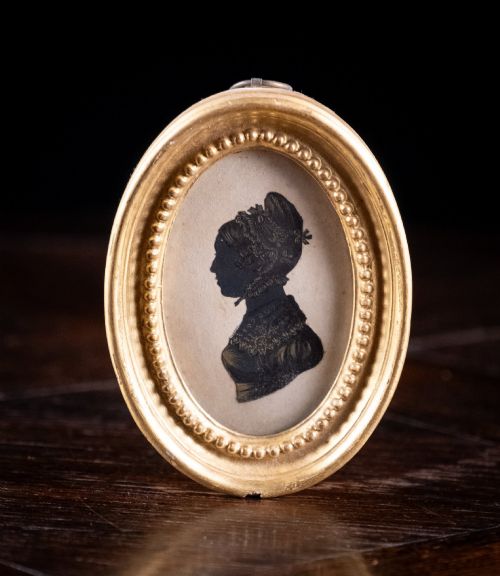
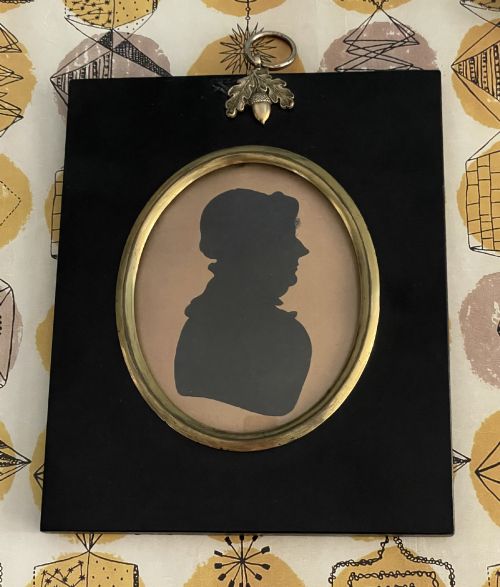
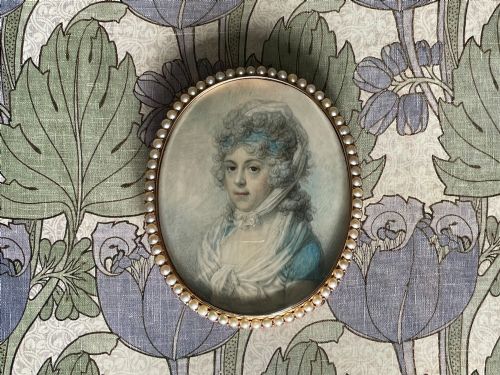
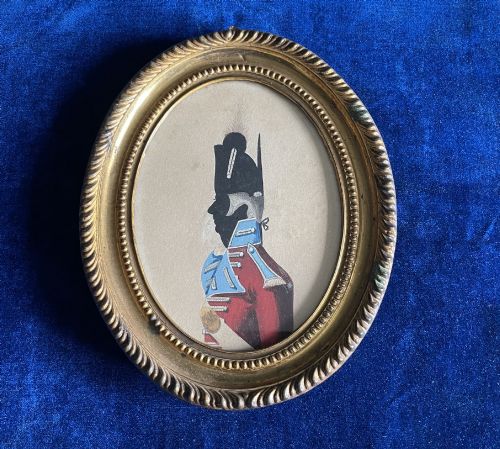
Oval framed miniatures encompass intimate portrait paintings, silhouettes, and enamel plaques created across the eighteenth and nineteenth centuries. These pieces record the likenesses of sitters in watercolours, oils, and enamel, preserved within distinctive curved borders.
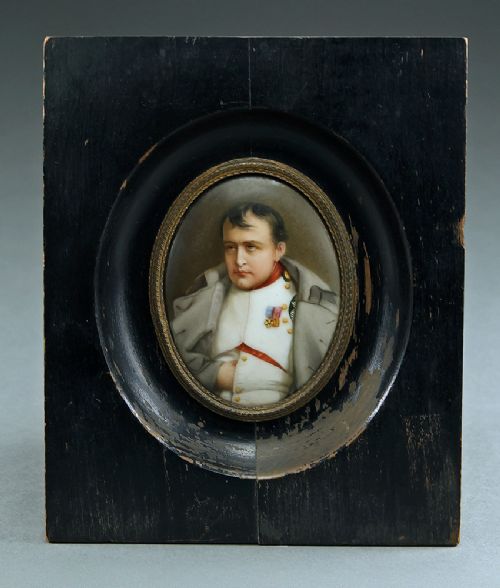
The versions most frequently met on this page date from the Georgian and Victorian eras, often rendered in watercolour on paper or glass. They arrive in surrounds of ebonised wood, gilt bronze, or precious metals designed for wall hanging or desk display.
Mughal subjects, British school portraits, and Continental works sit alongside domestic silhouettes by known practitioners. Each object captures a small-scale record of personal history from eras spanning the 1700s to the early 1900s.
Materials and Techniques
Artists painted these small works using fine watercolours, gouache, or enamel upon paper, ivory, card, or glass surfaces. Plumbago drawings employed meticulous graphite techniques on vellum or paper to achieve striking tonal monochrome details.
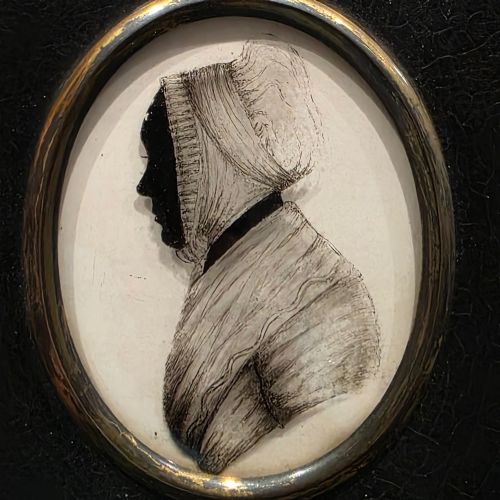
Enamel plaques required fusing powdered glass to metal bases under high heat, capturing permanent pigments that resisted fading. Silhouettes involved cut paper profiles or reverse painting on glass, creating sharp contrasts against pale backgrounds.
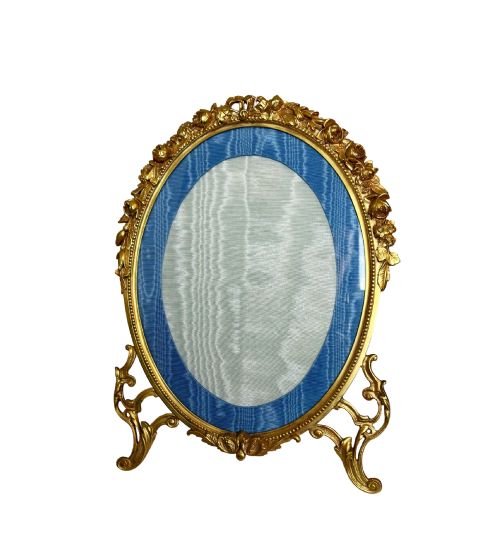
Frames utilised cast brass, gilt metal, ebonised wood, and gold leaf, frequently incorporating seed pearls or convex glass. These enclosures protected the fragile painted surfaces from dust and moisture over centuries of handling.
Listings feature works spanning the eighteenth century through to the Edwardian era, utilising watercolour, glass, brass, and ebonised wood.
Factors of Quality
The precision of the brushwork and the psychological depth of the sitter's expression distinguish superior examples from ordinary productions. Master portraitists achieved remarkable lifelike qualities within surfaces measuring only a few inches across.
Original matching frames contribute significantly to the integrity of a piece, particularly when housing precious metals or signed enamel work. Replacement surrounds or later mountings alter the historical unity of the object.
Provenance and legible signatures by recorded artists elevate specific items, linking them directly to named makers or documented sitters. Documentation on the reverse often provides valuable context regarding the date of purchase or sitter identity.
James Sharpless·Henry Bone·Thomas John Horsley·Richard Cosway·James Gillespie·Frederick Buck·John Taylor·Charles Hayter·John Miers·William Naish·J Bizo
The Oval Framed Miniatures Glossary
- Plumbago
- A delicate graphite drawing executed with extreme precision, popular during the eighteenth century for monochrome portraiture. These works relied on fine shading rather than colour.
- Silhouette
- A profile portrait cut from black paper or painted onto card, glass, or plaster. The form gained widespread popularity during the Georgian and Regency periods.
- Enamel
- A durable surface created by fusing powdered glass to a metal plaque at high temperatures. Enamel miniatures maintain their vibrant colours without fading.
- Reverse painting
- A technique where the artist paints directly onto the underside of a glass panel, viewing the finished image through the clear upper side. This method protected the pigments from atmospheric damage.
- Ebonised wood
- Timber treated with chemical stains or dark finishes to imitate expensive ebony. It provided a stark, contrasting border for gilded portrait frames.
Oval Framed Miniatures: Frequently Asked Questions
What materials make up these frames?
Frames frequently consist of cast brass, gilt metal, ebonised wood, and occasionally fourteen-karat gold or silver. Some luxury variants incorporate seed pearls around the perimeter to enhance the visual appeal.
Convex glass often covers the portrait to shield the paper or watercolour from environmental moisture. The backings commonly feature old wood, card, or handwritten annotations regarding the sitter.
How do I identify a silhouette?
Silhouettes present a solid black profile against a pale background, created either by cutting paper or painting directly onto glass or card. They often record the exact contours of a sitter's face during the Georgian and Regency eras.
Many examples feature subtle golden highlights painted over the black pigment to define clothing folds or hair. Artists like John Miers specialised in these precise profile studies.
Are these works signed by artists?
Certain pieces bear artist signatures, initials, or old inscriptions on the front or reverse side. Documentation on the back sometimes notes the sitter's name and the date of creation.
Unsigned works remain common, often attributed to specific periods or schools based on style and technique. Historical records and framing clues frequently help narrow down the maker.