


Victorian Watercolour Miniatures
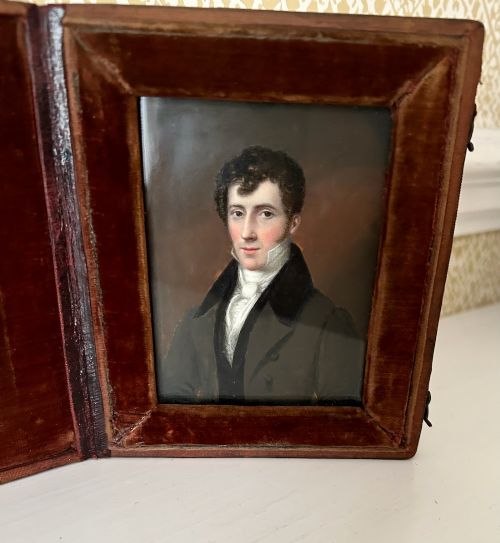
These Victorian watercolour miniatures are small portrait paintings and silhouettes housed in frames or brooches, offering an intimate glimpse into nineteenth-century life.
Victorian Watercolour Miniatures
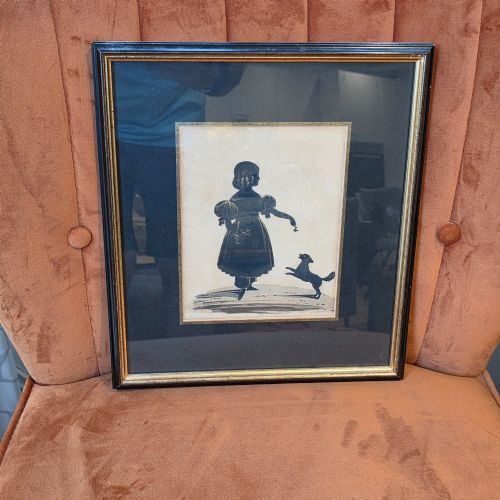
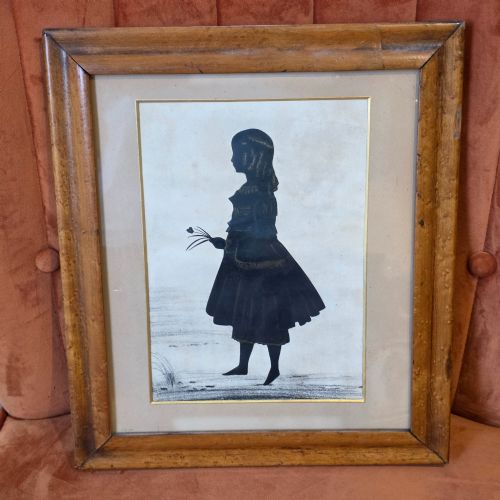
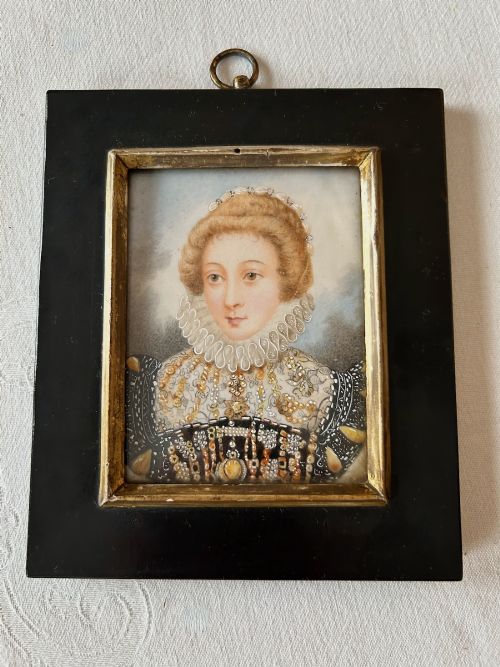
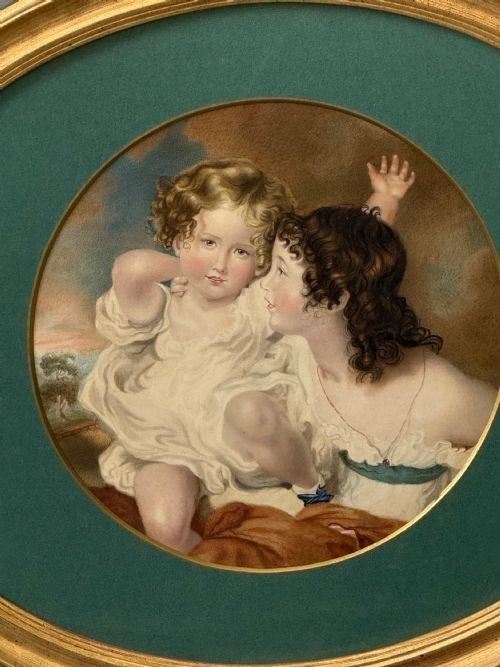
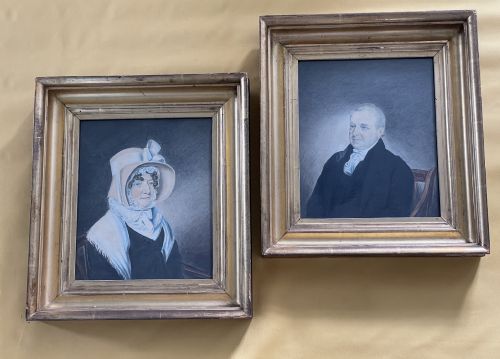
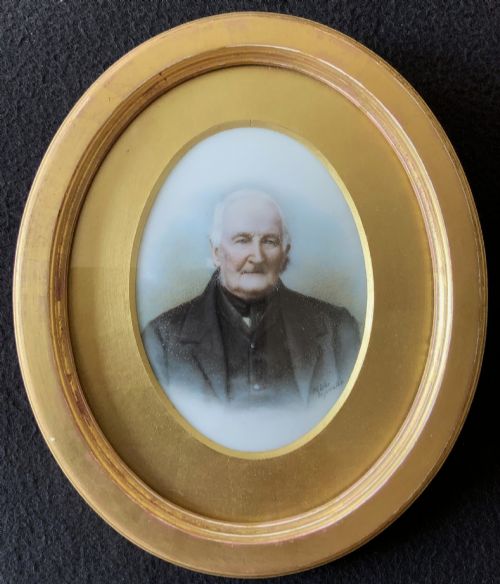
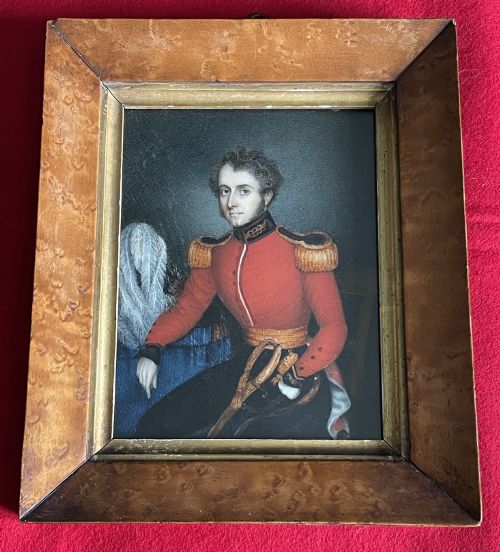
Victorian watercolour miniatures encompass small-scale portrait paintings, framed artworks, and silhouettes depicting individuals, children, officers, and historical figures. These works span the nineteenth century, including Regency, Georgian, and Early Victorian periods, alongside continental and English schools.
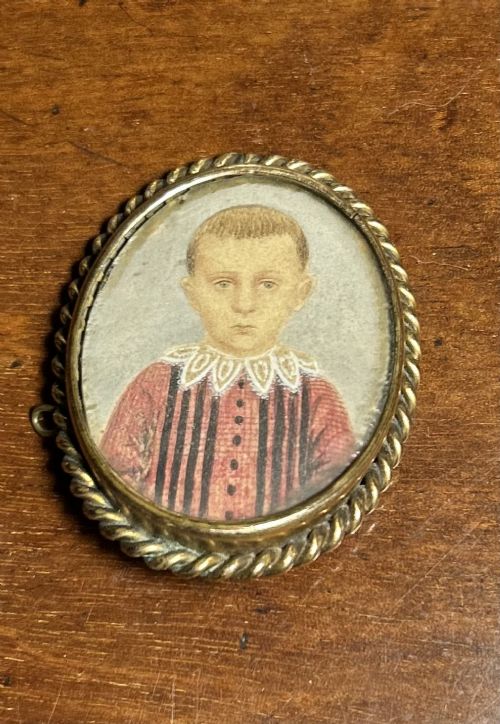
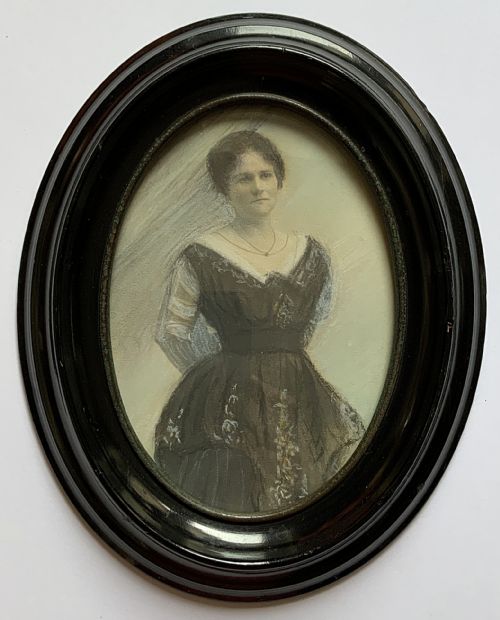
The objects appear as oval paintings, framed artworks, sets of portraits, and even wearable pieces such as brooches. Subjects range from named sitters and royalty to character studies and children.
Makers and artists work within distinct stylistic revivals, producing both refined profile portraits on card and primitive compositions housed in period timber frames.
How they were made
Artists utilise watercolour, pencil, and pastel applied to paper, card, or glass, sometimes combining cut-paper silhouettes with painted details. Gold leaf and gilt metal provide decorative accents within the composition.
Materials documented across these listings include watercolour, glass, paper, ebonised wood, brass, gold leaf, and gilt metal.
What varies in quality
The construction and original pairing of the frame contribute significantly to the piece, particularly where ebonised wood or brass surrounds complement the delicate painted surface.
William James Hubard·Henri Fradelle·J Bizo·William Egley·Edward Smyth·Alexander Melville
The Victorian Watercolour Miniatures Glossary
- Watercolour
- A paint consisting of pigment suspended in a water-based solution, applied to paper or card for these small-scale works.
- Silhouette
- A portrait represented as a solid shape of a single colour, usually black, often created using cut paper.
- Ebonised wood
- Timber treated to resemble ebony, frequently utilised for dark, polished portrait frames during the nineteenth century.
- Portrait miniature
- A small painting capturing a likeness, varying from framed domestic pieces to items designed to be worn.
Victorian Watercolour Miniatures: Frequently Asked Questions
How were Victorian watercolour miniatures displayed?
These small artworks were traditionally hung in groupings upon parlour walls or kept on tabletops in domestic settings. Some iterations were engineered to be worn as personal jewellery items like brooches.
Frames were selected to complement the interior decoration of nineteenth-century homes, utilising woods such as rosewood, maple, and ebonised timber.
What subjects appear in these miniatures?
Portraits depict named individuals, children, military officers, and nobility, alongside anonymous character studies and historical figures. Sitters often include family members or prominent public figures of the era.
Inscriptions on the reverse frequently record the history, dates, and identities of the subjects portrayed.
How do you date a watercolour miniature?
Dating relies upon stylistic clues within the sitter's costume, hair styling, and the framing materials characteristic of periods like the Regency or Victorian eras. Annotated notes left on the reverse of the frames provide direct historical context.
Pictorial techniques also shift across the nineteenth century, moving from early profile silhouettes to detailed frontal watercolours.
Are these miniatures signed by artists?
Certain pieces bear artist signatures on the painted surface, while others remain attributed based on recorded style and documentary evidence. Many nineteenth-century works are unsigned yet linked to specific schools or regional artists.
Gallery attribution and historical annotation on the backing material help identify the hand behind the work.