


Late Victorian Portrait Painting
Late victorian portrait painting captures individual likenesses through oils and watercolours, offering an intimate glimpse into nineteenth-century life that collectors prize.
Late Victorian Portrait Painting
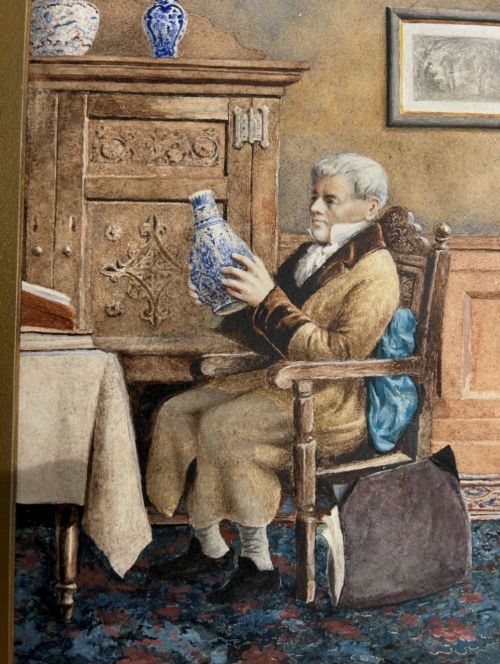
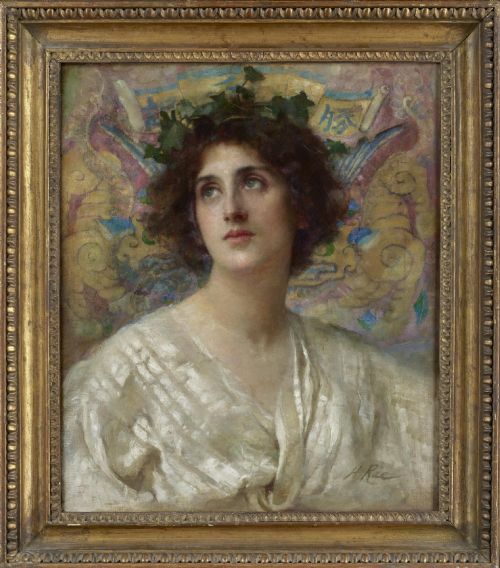
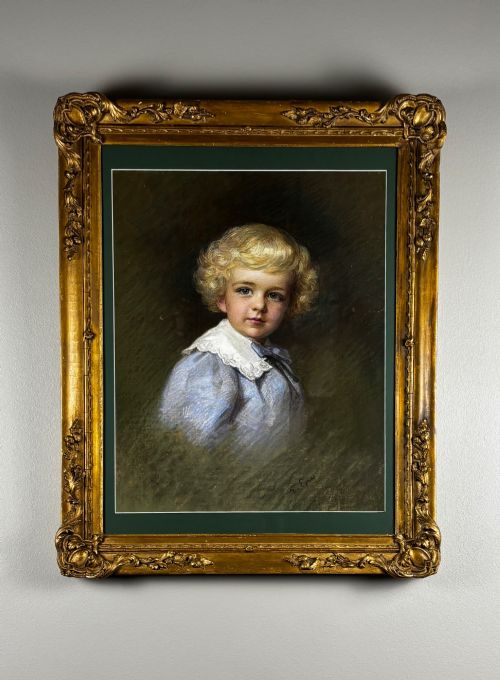
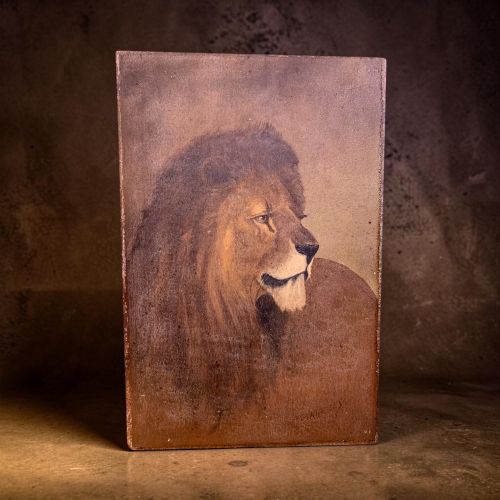
Late victorian portrait painting encompasses works created primarily during the final decades of the nineteenth century and the early years of the twentieth. These pieces record human subjects ranging from domestic children and family groups to historic figures and animal companions.
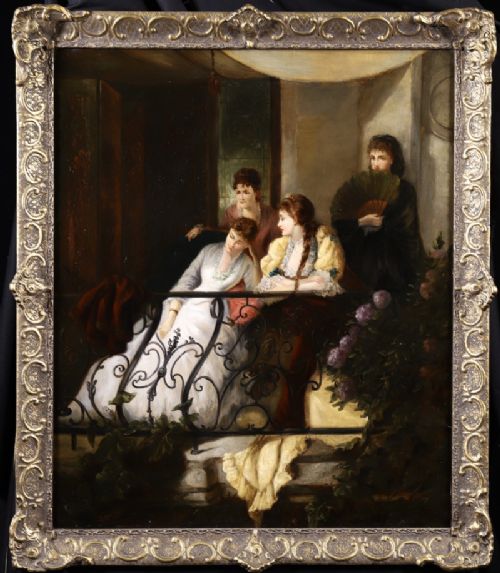
The objects take several distinct physical forms on this page, dominated by framed watercolours and oil paintings on canvas, panel or wood. Buyers also encounter mixed media, gouache, pencil sketches, miniature watercolours and painted porcelain plaques.
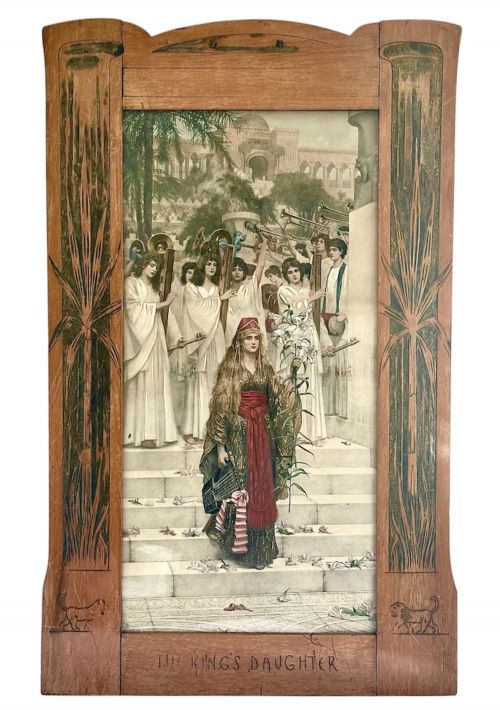
Originating largely from British and European studios, these works reflect diverse movements including the Pre-Raphaelite circle, folk art, impressionism and Victorian realism. Portrait subjects appear in varied settings, from formal garden backdrops to intimate domestic interiors.
Materials and Technique
Artists of this era applied oil paint predominantly onto stretched canvas, wooden panels, or prepared board, achieving depth through layered glazes and opaque brushwork. Watercolours on paper, often combined with pencil or gouache, provided a lighter medium frequently preserved behind glass within carved giltwood frames.
Support materials varied according to scale and ambition, incorporating paper, card, porcelain plaques, and occasionally enamel. Many works demonstrate meticulous draughtsmanship alongside looser impressionistic strokes, reflecting the transitional artistic styles spanning the nineteenth and twentieth centuries.
Several portraits preserve the likenesses of beloved household pets, including a dedicated painting of a horse named Balmoral.
Evaluating Quality
The distinction between standard works and exceptional pieces rests upon the surety of the draughtsmanship and the psychological depth captured in the sitter's expression. Masterful handling of light, shadow, and texture elevates a portrait beyond a mere record into a compelling psychological study.
Provenance and documentation heavily influence standing, particularly when signatures, artist biographies, or rear annotations provide a verified history of the subject and creator. The preservation of the original support, whether canvas, panel, or paper, alongside period framing, contributes significantly to the integrity of the piece.
Henry Stacy Marks·Henrietta Rae·Herbert Gustave Schmaltz·Emily Eyres·John A Monteith·Philip Richard Morris·C E Howson·William Joseph Carroll·Kathleen Winifred Molesworth·Robert Kemp·Eva Hollyer·Montagu Barstow·Harold Arthur Burke·Ralph Hedley·Robert Gemmell Hutchison·John Singer Sargent·G E Boyes·Walter Emsley
The Late Victorian Portrait Painting Glossary
- Watercolour
- A paint consisting of pigment suspended in a water-based solution, typically applied to paper to achieve translucent washes.
- Gouache
- An opaque water-based paint that includes a white pigment filler, producing a heavier, denser finish than traditional watercolour.
- Giltwood
- Wood that has been coated with a thin layer of gold leaf or gilt powder, commonly utilised for ornate nineteenth-century picture frames.
- Pre-Raphaelite
- An artistic movement characterised by detailed observation, vibrant colours, and complex compositions inspired by medieval and early Renaissance art.
- Grisaille
- A painting executed entirely in shades of grey or neutral monochrome, often employed to imitate sculpture or as an underpainting.
Late Victorian Portrait Painting: Frequently Asked Questions
How do I care for antique watercolours?
Watercolour paintings require protection from direct sunlight to prevent the fading of delicate pigments on paper. Displaying them away from moisture-rich environments and maintaining stable room temperatures preserves the paper and framing.
Professional framing utilising acid-free mounts and conservation glass further safeguards these works against environmental degradation over time.
What subjects were popular in these portraits?
Artists during this period frequently painted family members, children, and respected community figures in domestic or garden settings. Genre scenes capturing everyday activities, alongside formal individual and couple likenesses, were widely commissioned.
Animals also appeared as subjects, reflecting personal attachments and the Victorian affection for domestic pets and working horses.
How can I distinguish watercolours from oil paintings?
Oil paintings utilise a thick, viscous medium applied to canvas, wood, or panel, often exhibiting visible brush texture and a polished or varnished sheen. Watercolours employ a transparent, water-soluble pigment on paper which absorbs into the surface rather than sitting atop it.
Examining the piece closely under magnification reveals the weave of the canvas or the grain of the paper underneath the respective pigments.
Where should I hang a framed portrait?
These works suit traditional living spaces, libraries, or studies where controlled lighting enhances the mood of the piece. Interior walls shielded from direct daylight and radical humidity shifts ensure the longevity of both the canvas or paper and the period frame.
Grouping smaller works, such as miniatures or silhouettes, together creates a striking display reminiscent of nineteenth-century salon arrangements.