



Oil Canvas Girl Portrait
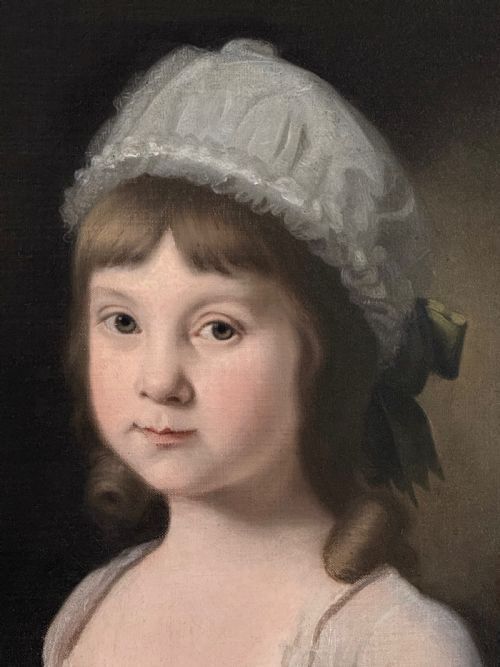
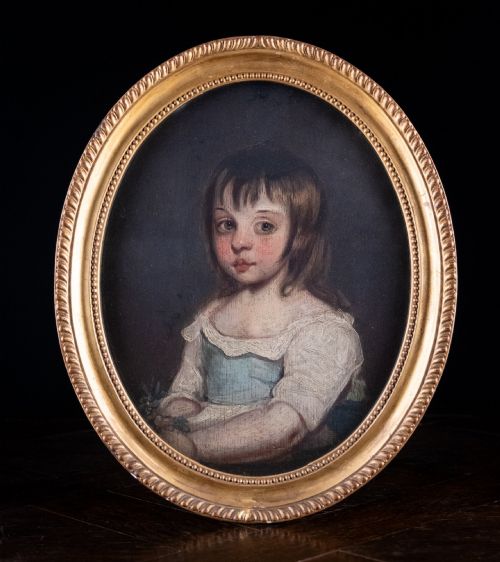
When you search for an oil canvas girl portrait, you find centuries of painted character rendered in oil paint on woven fabric.
Oil Canvas Girl Portrait
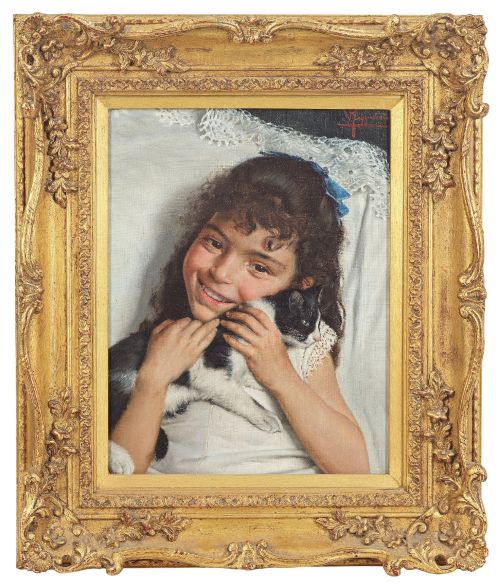
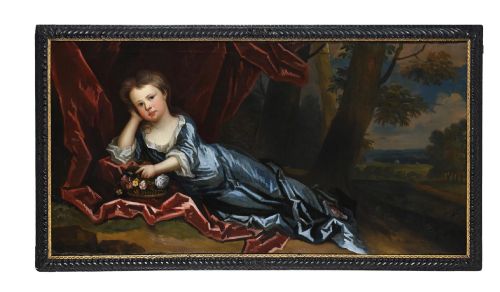
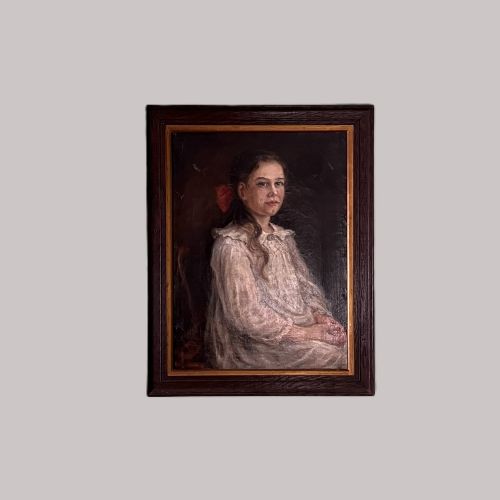
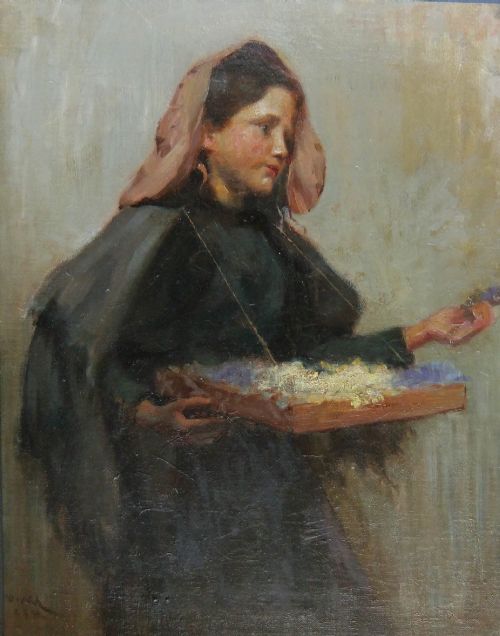
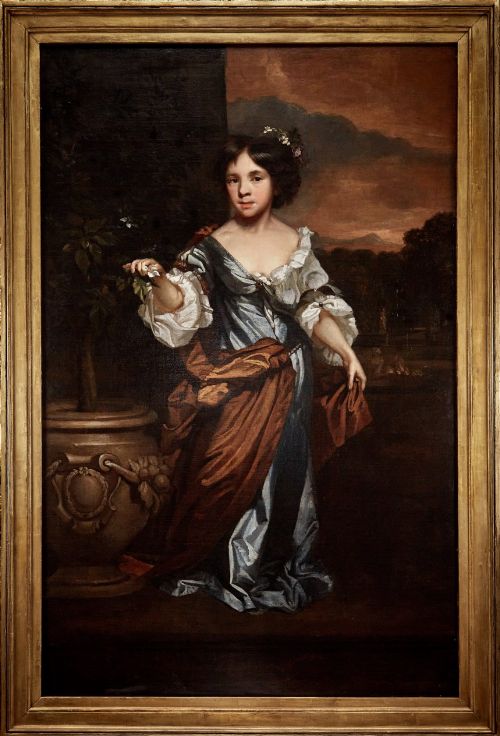
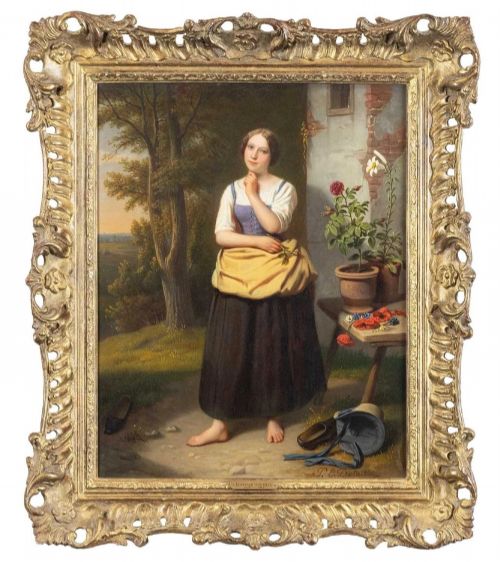
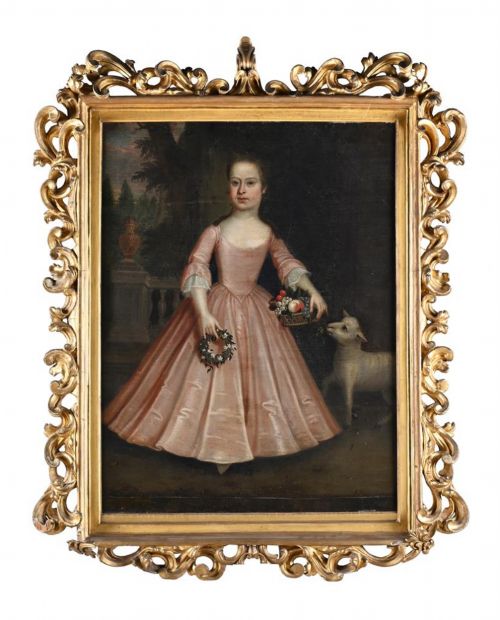
An oil canvas girl portrait captures a young female subject through applied pigment, ranging from formal aristocratic commissions to informal provincial studies. These pieces span centuries of artistic output, appearing in domestic settings across the seventeenth, eighteenth, nineteenth, and early twentieth centuries. Buyers encounter everything from grand aristocratic likenesses to intimate genre scenes depicting children with pets, flowers, or books.
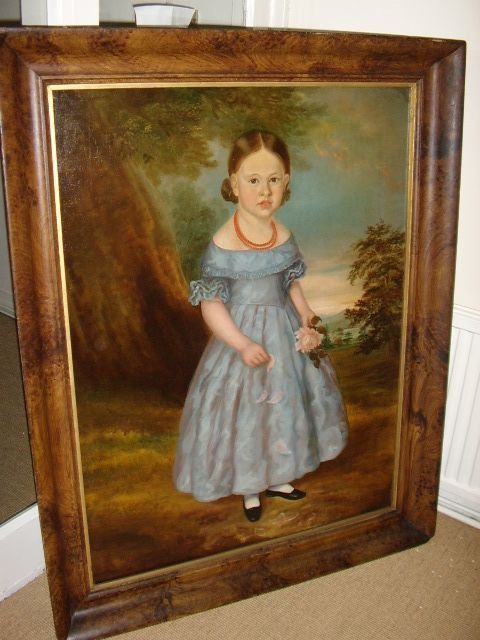
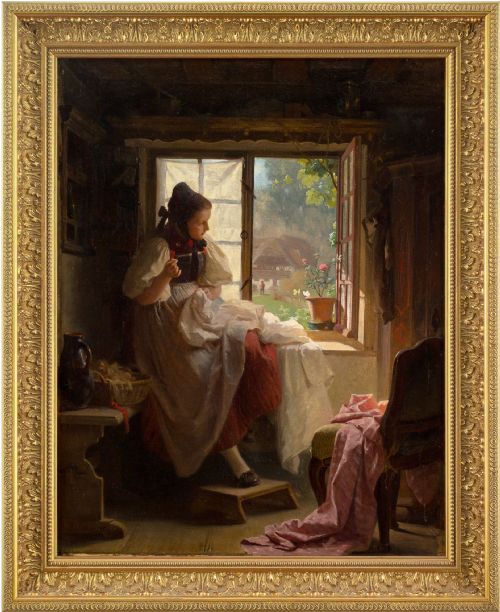
The nineteenth-century examples dominate the selection, showing young subjects outdoors in landscapes or engaged in domestic tasks like sewing and reading. Earlier eighteenth-century works lean towards formal composition, sometimes placing the sitter alongside animals or architectural terraces. Later Victorian and Edwardian canvases often adopt a narrative approach, capturing children in moments of quiet reflection or everyday labour.
How They Were Made
These works rely on oil paint applied to woven canvas stretched across wooden frames, utilising the texture of the fabric to hold pigment. Artists built up colour through layered brushwork, allowing oil mediums to achieve depth in skin tones, textiles, and background landscapes. Many surviving pieces retain their original wooden frames, frequently enhanced with giltwood or gold leaf mouldings.
Support structures varied from hand-woven linen grounds in earlier centuries to standardised commercial cotton ducks by the Victorian era. Preparation involved applying a gesso or primer layer to seal the canvas weave before painting. Frames added structural rigidity and visual focus, often ornamented with swept plaster decorations.
The listings span from the seventeenth century through the Victorian era to the 1920s, utilising oil paint on canvas.
What Varies in Quality
Material preservation dictates longevity, with tighter canvas tension and stable pigment layers maintaining visual integrity over centuries. Original framing contributes to the historical completeness of the piece, particularly when period giltwood mouldings remain intact. The clarity of provenance and attribution to known artists or regional schools elevates the standing of an individual canvas.
Joshua Reynolds·Vittorio Reggianini·Charles D’Agar·Eric Robertson·Max Kaltenmoser·William Watt Milne·John Riley·John Closterman·Arthur William Devis·W.E. Evans·Vincenzo Irolli·Pierre Gobert·Christian Lindner·William Adolph Bouguereau·Jozef Israëls·Rowland Holyoake·Daniel Pasmore·Henry Weigall·Pierre Louis Joseph De Coninck·Charles Sillem Lidderdale·Jane Maria Bowkett·Manuel Azpiroz·Ethel Mortlock·Edward T. Davis·Giuseppe Palanti
The Oil Canvas Girl Portrait Glossary
- Giltwood
- Wood carved and coated with gold leaf or gold paint. This finish appears frequently on the decorative frames enclosing antique canvases.
- Genre portrait
- A painting depicting a subject from everyday life rather than a formal historical or mythological scene. These works show subjects engaged in common tasks like reading or holding flowers.
- Canvas
- A heavy woven fabric used as a support surface for oil painting. Painters stretch this material over wooden frames before applying preparatory grounds.
- Realism
- An artistic movement focusing on everyday subjects without idealized theatricality. Nineteenth-century practitioners adopted this approach to depict ordinary children with naturalism.
- Baroque
- A European artistic style spanning the seventeenth and early eighteenth centuries, characterised by drama and rich colour. Works from this period utilise deep shadow and light contrasts.
Oil Canvas Girl Portrait: Frequently Asked Questions
How do I identify the age of an oil painting?
Examine the construction of the wooden stretcher frame, the weave of the canvas, and the types of pigments used across the surface. Older pieces from the seventeenth and eighteenth centuries often feature hand-planed timbers and coarse linen grounds.
Style, costume, and hair fashions also provide reliable dating clues. Comparing the sitter's dress against historical records helps narrow down the decade of creation.
What is the difference between a portrait and a genre painting?
A formal portrait records the specific likeness of an identified individual, often commissioned by family members. The subject usually poses deliberately for the artist.
Genre paintings focus on anonymous figures engaged in daily activities, such as holding flowers or tending animals. These works capture narrative scenes rather than serving as personal likenesses.
Why do some portraits feature animals or objects?
Items like books, sewing implements, or writing slates indicated the education, diligence, or social pursuits of the sitter. These props added narrative depth to the composition.
Pets such as dogs or birds symbolised loyalty, affection, or domestic harmony. Including these elements helped convey the character and standing of the young subject.