
Regency Miniature Artwork
Regency miniature artwork captures intimate likenesses on a small scale, offering a direct window into the faces of the past.
Regency Miniature Artwork
Regency miniature artwork encompasses small-scale portraits created during the late Georgian and Regency periods, spanning watercolour, silhouette and enamel forms.
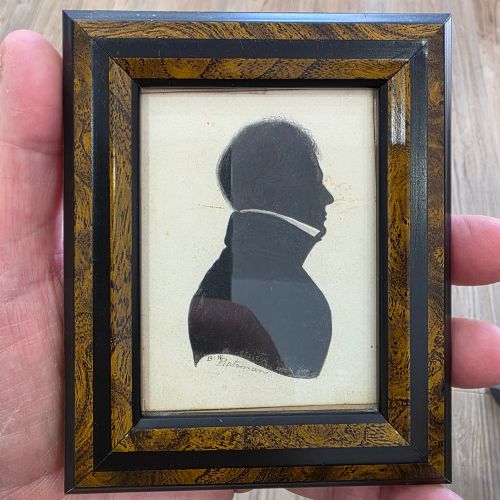
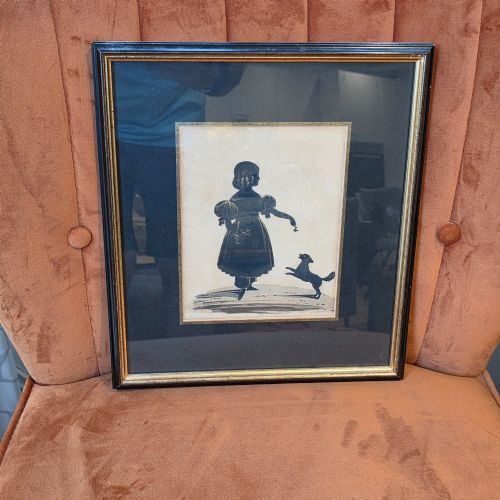
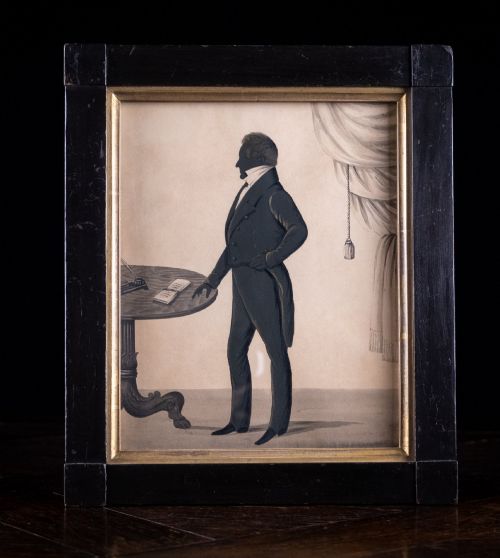
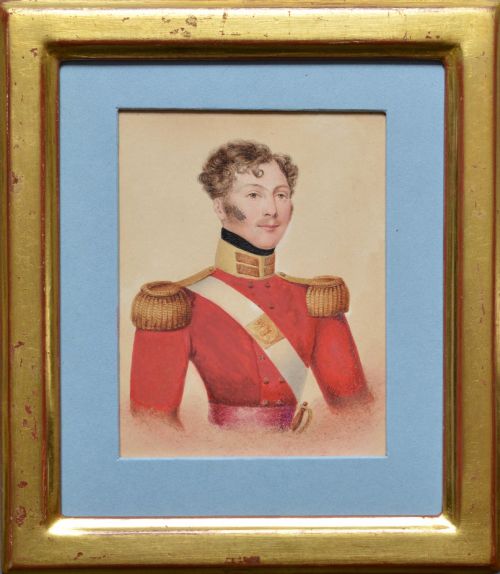
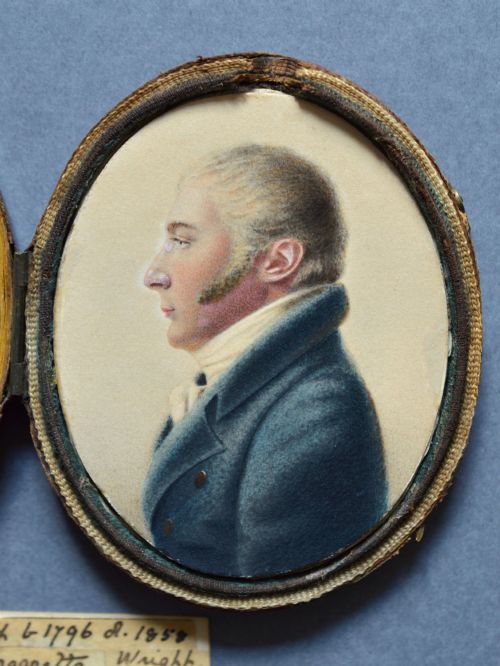
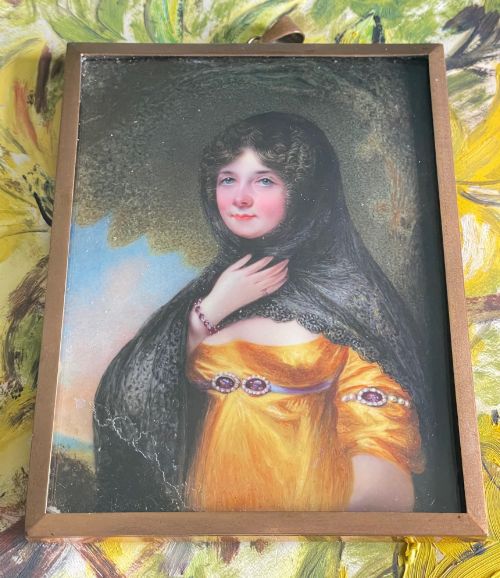
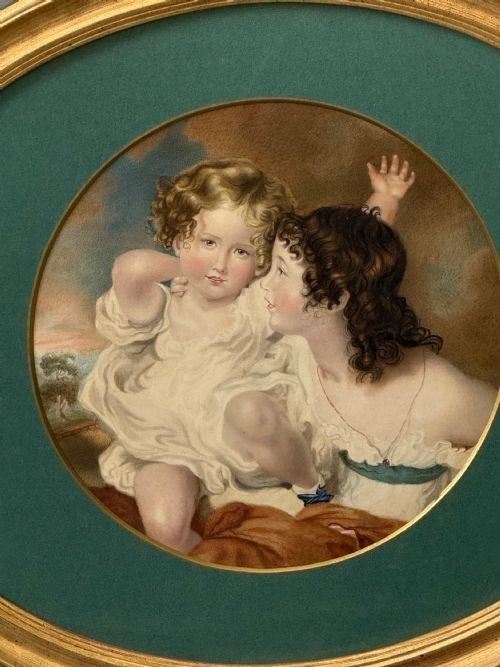
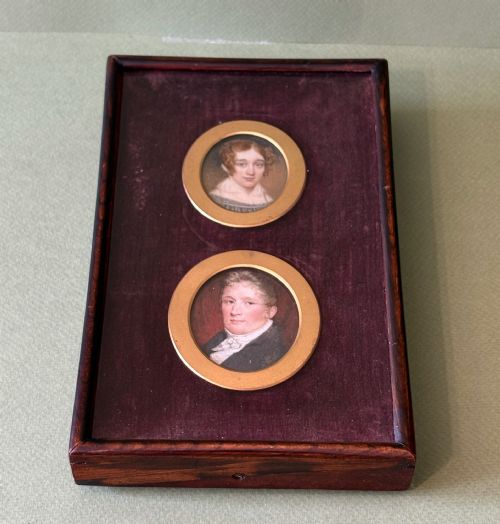
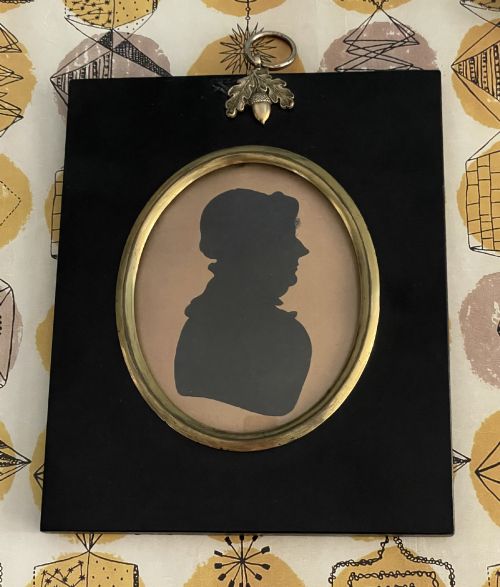
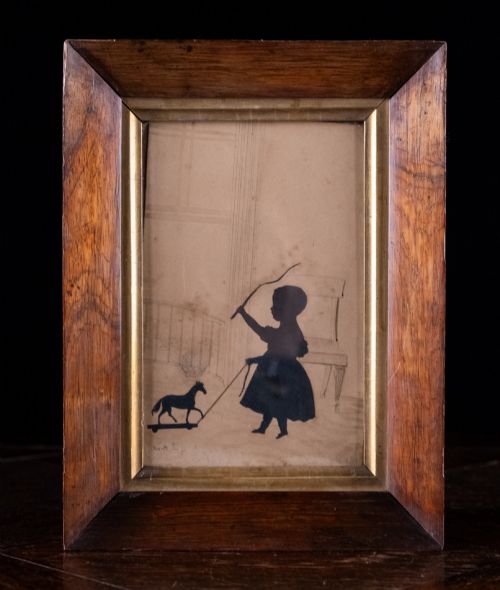
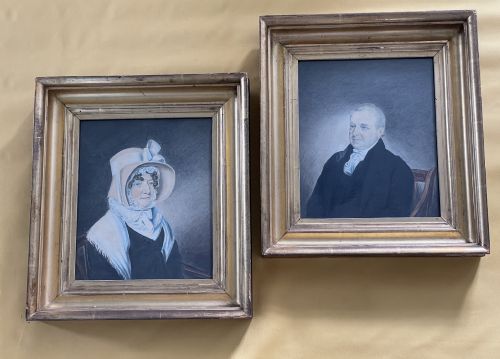
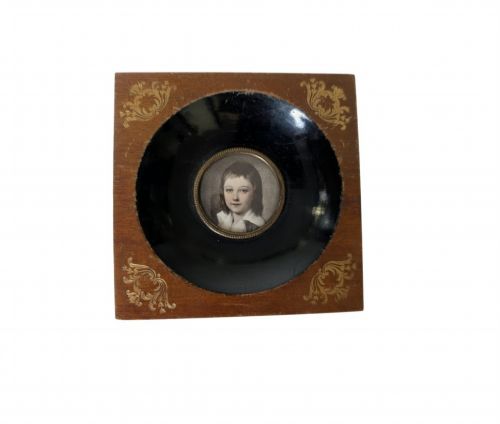
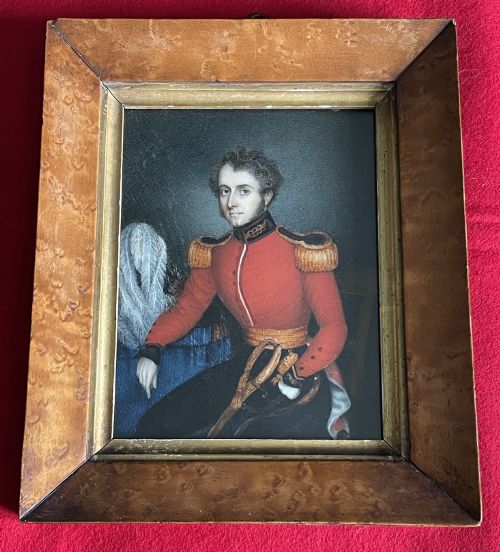
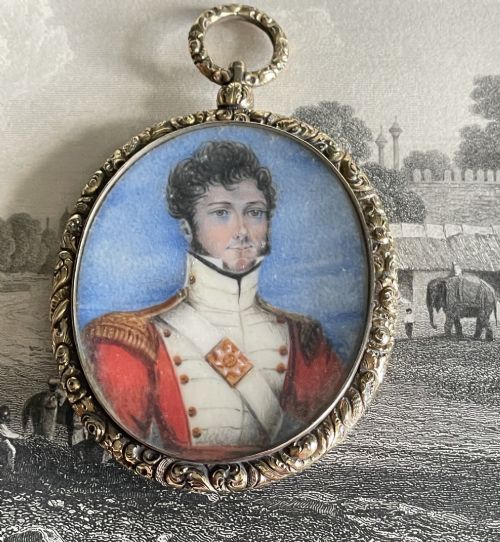
Buyers seeking regency miniature artwork most frequently encounter portrait miniatures and silhouettes depicting gentlemen, ladies and children.
These pieces appear in various settings, including brass, giltwood and wooden frames, alongside pairs of framed portraits.
Materials and Methods
Artists painted these small portraits using watercolour, gouache, enamel and ink on paper, ivory or card.
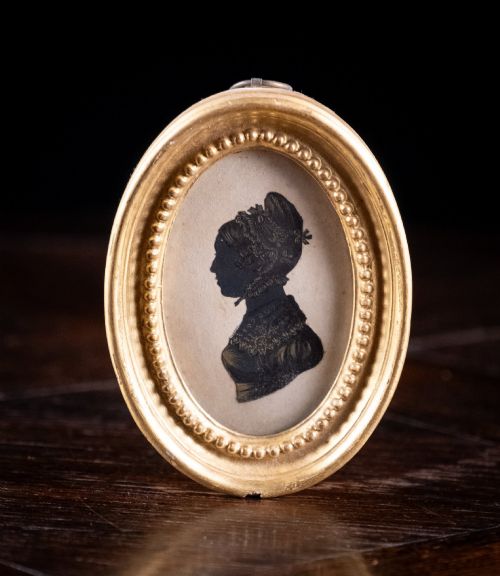
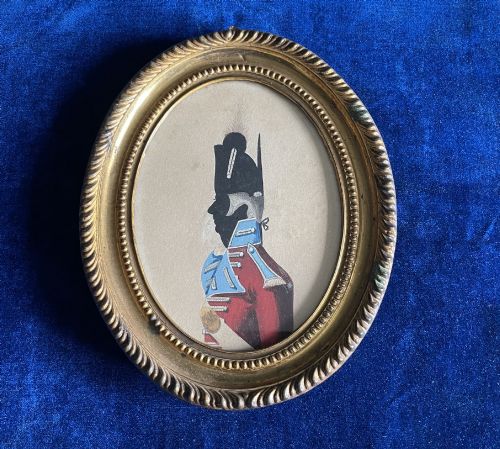
Silhouettes combined cut paper, painted details and golden highlights, mounted behind glass within protective frames.
Frames themselves utilised polished brass, timber and gilt wood to enclose the small paintings securely.
Materials documented in these works include glass, paper, watercolour, brass, giltwood, ink and wood.
Distinctions in Quality
Skilled handling of costume details, hair texture and background washes indicates a more capable hand behind the miniature.
William James Hubard·Horace Hone·Augustin Edouart·Frederick Buck·Albin R Burt
The Regency Miniature Artwork Glossary
- Silhouette
- A profile portrait cut from black paper or painted in solid dark pigments, often enhanced with gold leaf. They gained immense popularity for capturing quick likenesses.
- Gouache
- An opaque water-based paint that provides solid, vibrant colour application. Artists utilised it alongside watercolour to add depth and highlights to garments.
- Enamel
- Vitrified glass fused to a metal base by firing, creating a durable surface for painting. Enamel miniatures retained their bright pigments without fading over time.
Regency Miniature Artwork: Frequently Asked Questions
What subjects do these miniatures show?
The subjects are principally individuals from the Georgian and Regency eras, including military officers, ladies, gentlemen and children.
Artists also depicted specific family groups, actresses and naval personnel in intimate, waist-up or head-and-shoulders compositions.
How were miniature portraits displayed?
Owners typically hung these small pieces on domestic walls, often grouping several framed portraits together in tight arrangements.
Many incorporated circular or rectangular frames made of brass, giltwood or dark wood designed to complement the diminutive scale of the artwork.
Are silhouettes a form of miniature?
Profile silhouettes share the compact dimensions and framed presentation of traditional portrait miniatures.
Makers executed them through cut paper, painted ink or gilded embellishments on card, treating them with the same care as watercolour paintings.
What materials support the paintings?
Watercolour and gouache works appear primarily on paper, card or thin slices of ivory prepared for the artist.
Enamel versions utilised metal plaques, while silhouettes frequently relied on black cut paper backed by light card or plaster.