

Georgian Oval Lady Painting
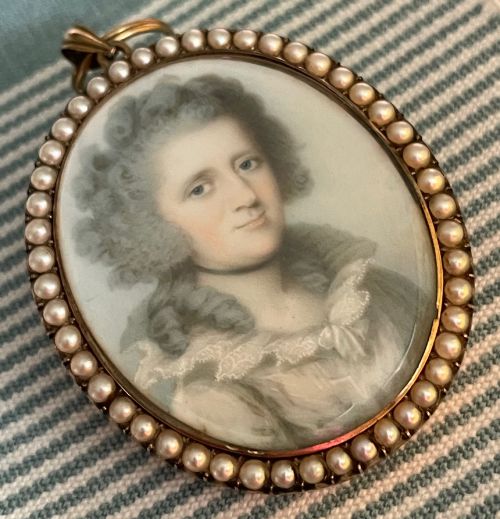
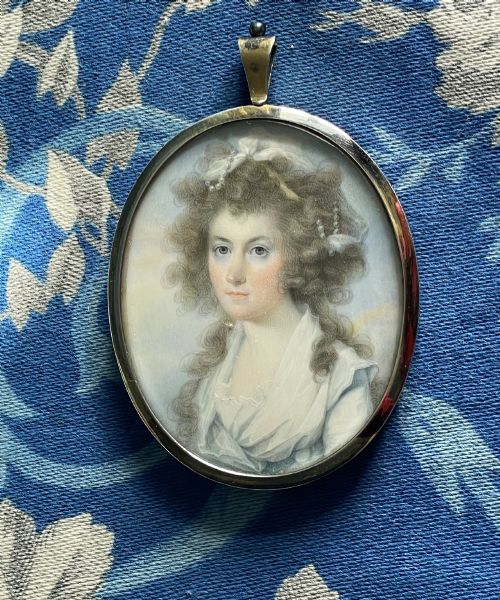
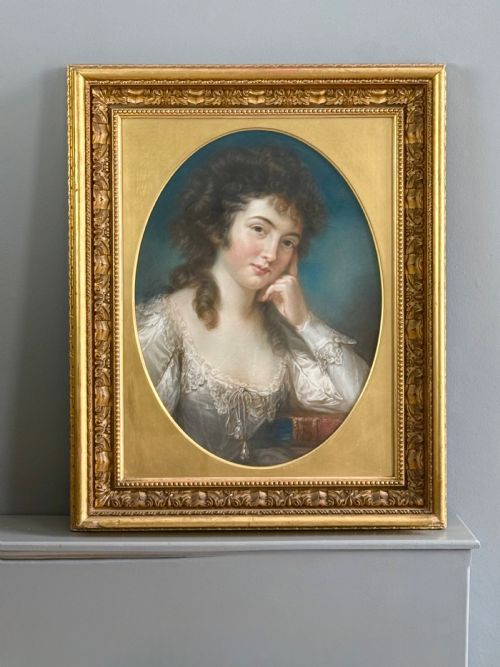
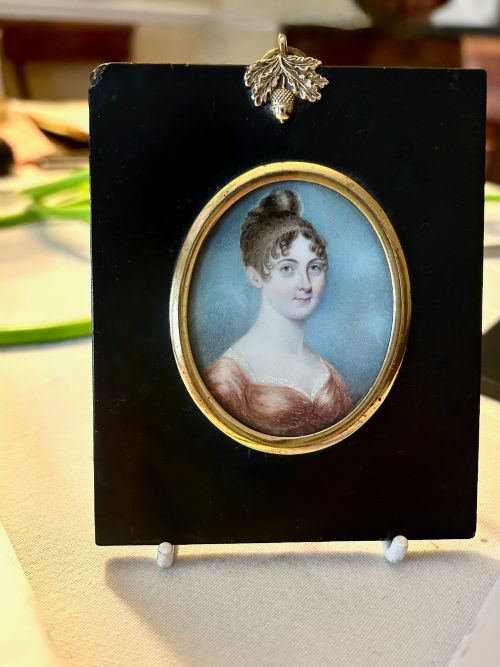
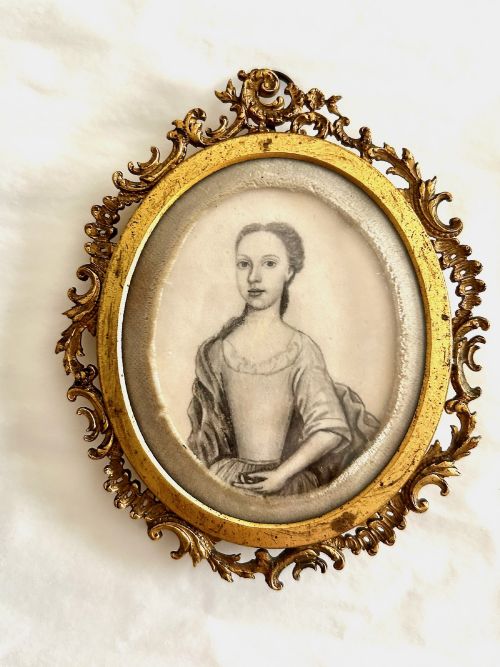
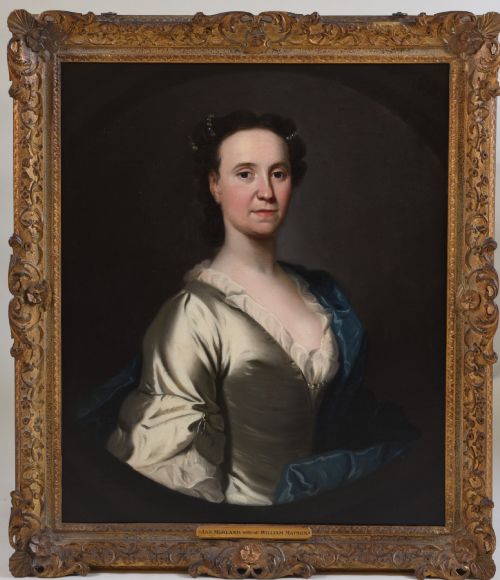
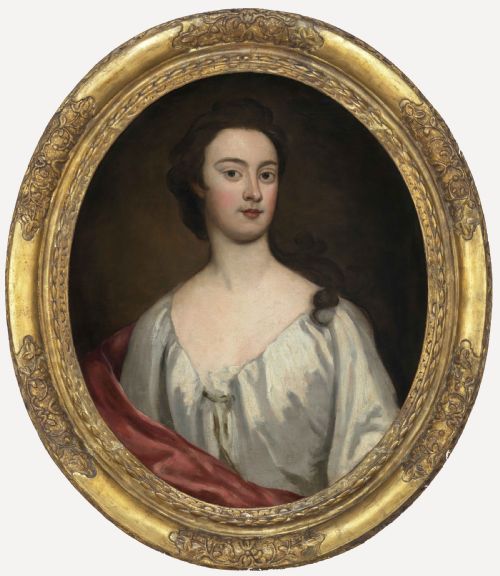
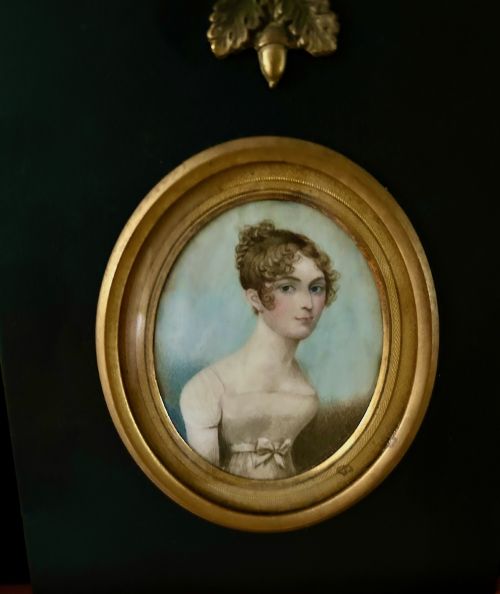
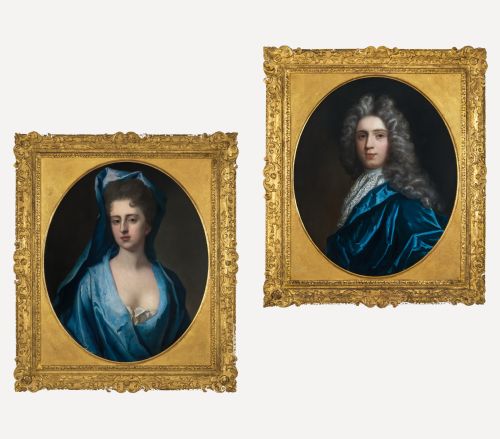
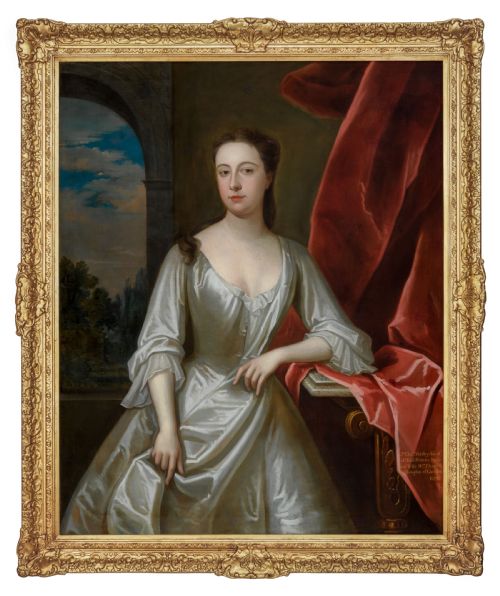
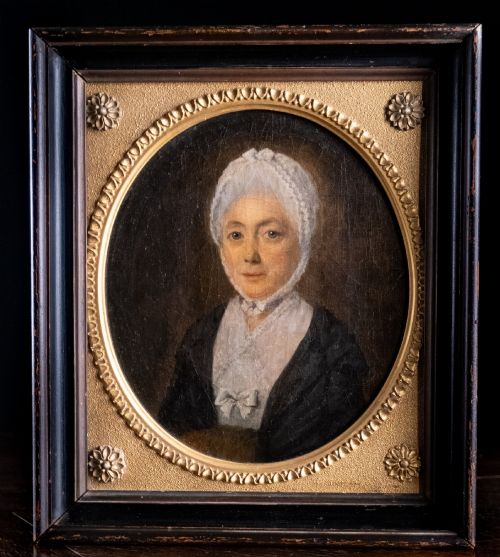
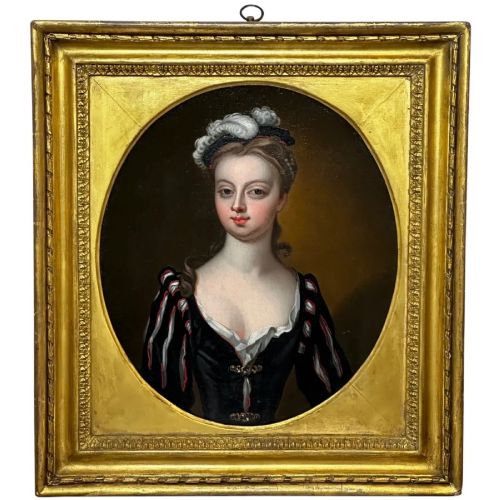
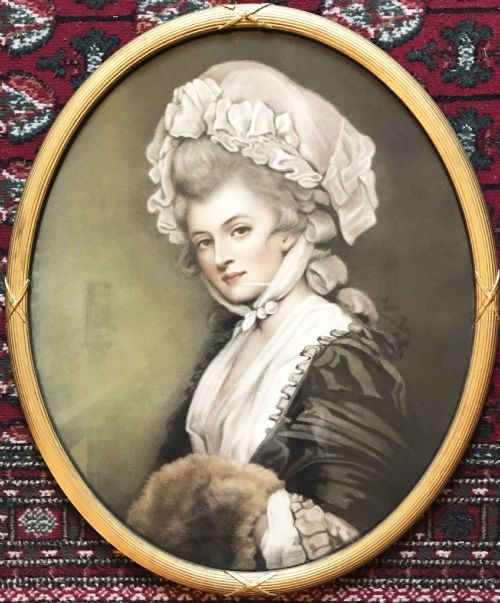
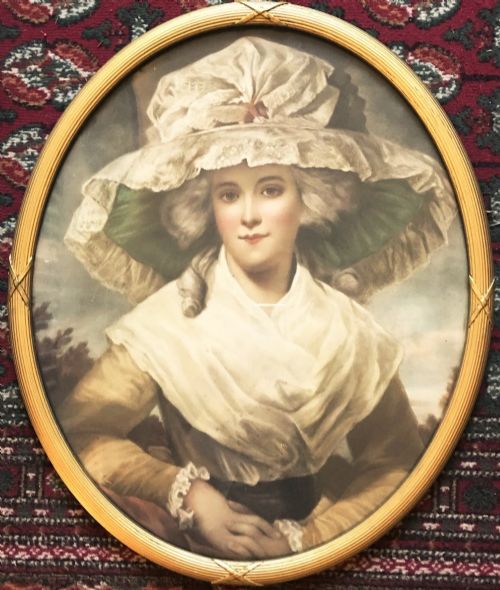
A georgian oval lady painting captures the intimate likeness of an eighteenth or early nineteenth century female sitter within a curved frame.
Georgian Oval Lady Painting
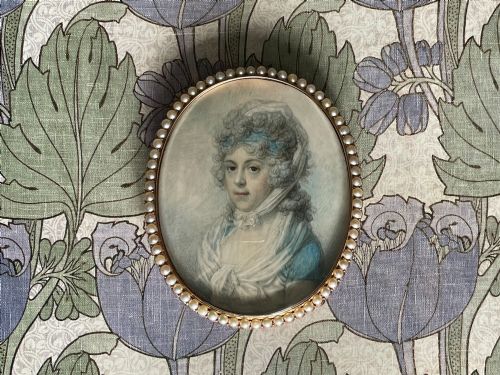
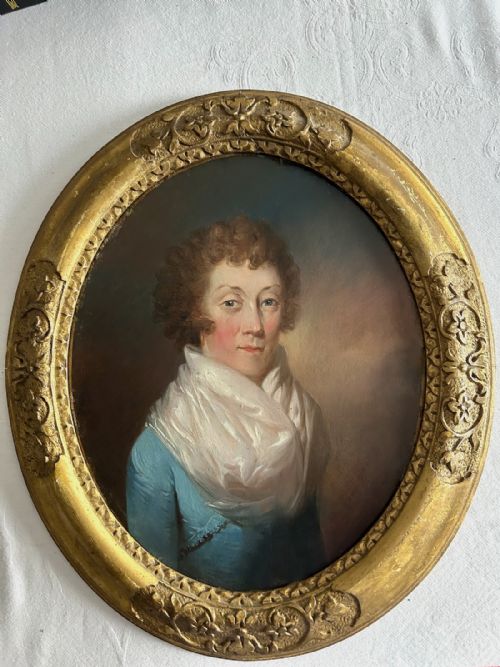
When you search for a georgian oval lady painting, you encounter intimate likenesses produced during the eighteenth and early nineteenth centuries. These works take the form of miniature portraits, pastel drawings, watercolour studies and oil paintings on canvas or copper.
The format is predominantly vertical and curved at the corners, designed to focus attention entirely upon the sitter's face and dress. Most examples date from the Georgian and Regency periods, though related pieces extend from the late seventeenth century into the Victorian era.
How they were made
Artists painted these small portraits using oil, watercolour or pastel upon prepared surfaces including paper, ivory, copper and canvas. The supporting structures rely on traditional joinery and materials such as ebonised wood, brass and giltwood.
Many works retain their original protective glass panels, which help preserve delicate watercolours and pastels from atmospheric damage over the centuries.
Georgian Oval Lady Painting Retail Price Guide 2026
Typical asking prices for georgian oval lady painting among the pieces listed under this phrase on Sellingantiques today, from the lower quarter to the upper quarter. They describe what is for sale here now, not the wider market.
Several ladies gaze out wearing elaborate bonnets that appear capable of catching a stiff breeze.
What varies in quality
The distinction between ordinary and exceptional works lies in the handling of facial expression and the fine detail of lace, hair and textiles. Master practitioners achieve lifelike depth and psychological presence within a very small scale.
The integrity of the original mount and frame also affects the overall standard, as period giltwood and ebonised surrounds complement the painted surface.
James Ferguson·John Russell·Michael Dahl·Thomas Murray·Frederick Buck·Jeremiah Davison·Sir Godfrey Kneller·John Vanderbank·Richard Cosway·Thomas Gainsborough·Allan Ramsay·William Naish·Nicolas Freese·George Atkinson·George Hargreaves·Archibald Skirving·William Grimaldi·Henry Jacob Burch·Isaac Wane Slater·Jeremiah Steele
The Georgian Oval Lady Painting Glossary
- Portrait miniature
- A small-scale painting executed with high precision on surfaces such as ivory, vellum or card. These portable objects were frequently worn as jewellery or kept in protective cases.
- Pastel
- A dry medium composed of powdered pigment and a binder, worked onto paper to achieve soft textures. It requires glazing to prevent the pigment from smudging.
- Giltwood
- Timber carved and coated with a thin layer of gold leaf. This material is common in period frames designed to catch candlelight.
- Ebonised wood
- Timber treated with a chemical stain or dark finish to imitate ebony. It provides a stark, contrasting border for colourful painted portraits.
- Regency
- The period from 1811 to 1820, characterised by distinct fashions in dress and portraiture that followed neoclassical tastes.
Georgian Oval Lady Painting: Frequently Asked Questions
Where were these portraits displayed?
Sitter portraits of this scale were typically hung in private withdrawing rooms, bedchambers or intimate family galleries alongside larger canvas works.
Many smaller miniatures were also carried in pockets or worn as personal lockets against the heart.
How do I care for a pastel portrait?
Pastel works require secure framing behind glass to protect the dry pigment from air currents and physical disturbance.
Keep them away from direct sunlight and damp environments to prevent fading and paper degradation.
What materials are used for the frames?
Frames generally consist of moulded timber finished with gesso and gold leaf, or stained dark to resemble ebony.
Brass fittings and convex glass covers are frequently integrated into the construction of miniature cases.
How can I tell the period?
Stylistic clues such as the sitter's hairstyle, bonnet shape, collar style and dress cut provide the most reliable dating evidence.
Clothing fashions shifted rapidly from heavy silks and lace in the early eighteenth century to neoclassical muslins during the Regency.