



Acorn Hanger Portrait Frame
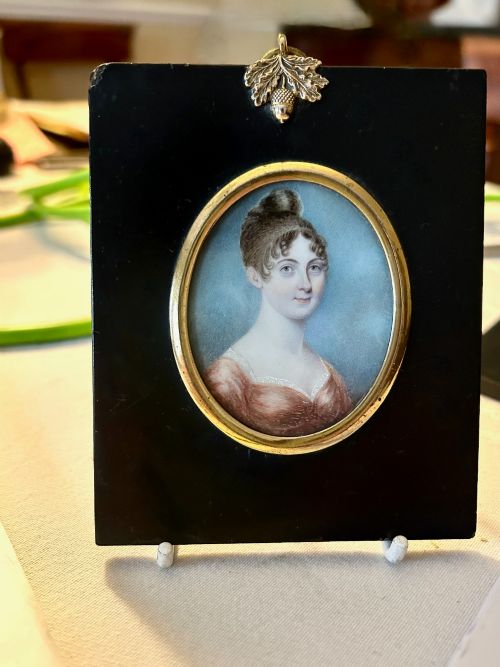
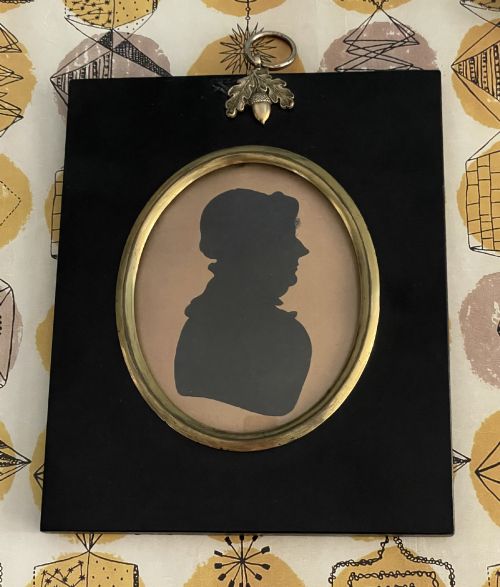
These acorn hanger portrait frame examples are compact likenesses framed with distinctive hanging loops, offering an intimate glimpse into eighteenth and nineteenth-century lives.
Acorn Hanger Portrait Frame
An acorn hanger portrait frame encompasses small-scale works depicting individual sitters in silhouette, watercolour and painted miniature formats. These items date from the Georgian, Regency, and nineteenth-century periods, capturing subjects in delicate profile or detailed dress.
The objects on this page typically feature works on paper, card, and ivory housed within traditional wall art formats. Surviving examples include silhouettes of gentlemen and ladies alongside watercolours of young adults from around seventeen-eighty-five onwards.
Collectors encounter portrait miniatures and framed silhouettes that preserve the likenesses of historical figures and private citizens alike. The selection draws together pieces created across the eighteenth and nineteenth centuries using period framing methods.
Materials and construction
Maker materials span brass, ebonised wood, papier-mache, and glass to protect the delicate interior images. Paper and card serve as the primary grounds for watercolours and painted silhouettes.
Artists employed watercolour and silhouette cutting techniques alongside etching and stipple-engraving. Selected pieces incorporate ivory supports and gilded highlights to enhance the visual depth of the portrait.
Acorn Hanger Portrait Frame Retail Price Guide 2026
Typical asking prices for acorn hanger portrait frame among the pieces listed under this phrase on Sellingantiques today, from the lower quarter to the upper quarter. They describe what is for sale here now, not the wider market.
Several profiles capture anonymous sitters who stared intently across parlour rooms two centuries ago.
Assessing quality and merit
Quality also rests in the preservation of the housing materials, where intact glass, brass, and ebonised wood frames maintain the integrity of the artwork. Provenance and documented attributions to named artists elevate the historical significance of the object.
James Gillespie·George Atkinson·Bartolozzi
The Acorn Hanger Portrait Frame Glossary
- Silhouette
- A profile likeness cut from black paper or painted onto card or plaster. This technique gained immense popularity during the Georgian and Regency eras for affordable portraiture.
- Portrait miniature
- A small, highly detailed painting executed on ivory, vellum, or card. These portable artworks were often kept in private settings or worn as personal mementoes.
- Ebonised wood
- Timber treated to imitate the dark, dense appearance of ebony. Makers frequently utilised this finish for framing nineteenth-century silhouettes.
- Stipple-engraving
- A printmaking method using dots of varying density to create tonal graduation. This technique produced soft, painterly textures on eighteenth-century plates.
Acorn Hanger Portrait Frame: Frequently Asked Questions
What periods do these frames represent?
The listings span the eighteenth and nineteenth centuries, encompassing Georgian and Regency eras. These periods produced distinct styles of small-scale portraiture and framing.
Items from this timeframe reflect evolving tastes in interior display and personal remembrance. Makers utilised materials characteristic of their specific decade.
How were these portraits created?
Artists worked with watercolour on card, hand-cut silhouettes, and detailed engravings. Each medium required steady hands and specialised miniature techniques.
Support materials included ivory, paper, and prepared cards. Protective glass and brass fittings completed the assembly.
Where should I hang them?
These compact works suit small wall spaces, hallways, or groupings within a gallery wall. Their scale allows them to sit comfortably alongside larger framed pictures.
Direct sunlight should be avoided to protect delicate watercolours and paper grounds from fading. Stable indoor environments preserve the wood and brass elements.
How do I identify a Regency silhouette?
Regency examples often feature precise cutting, fine bronzed detailing, and distinctive ebonised or brass frames. Sitters wear fashions characteristic of the early nineteenth century.
Costume details and framing materials offer reliable clues for dating individual pieces. The overall aesthetic aligns with neoclassical design preferences.