

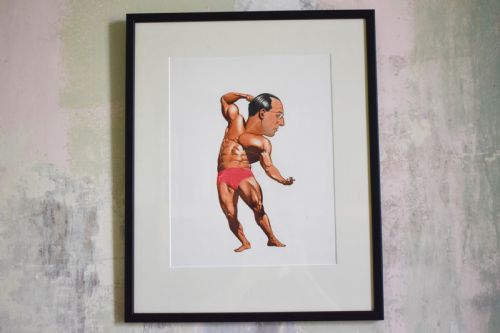
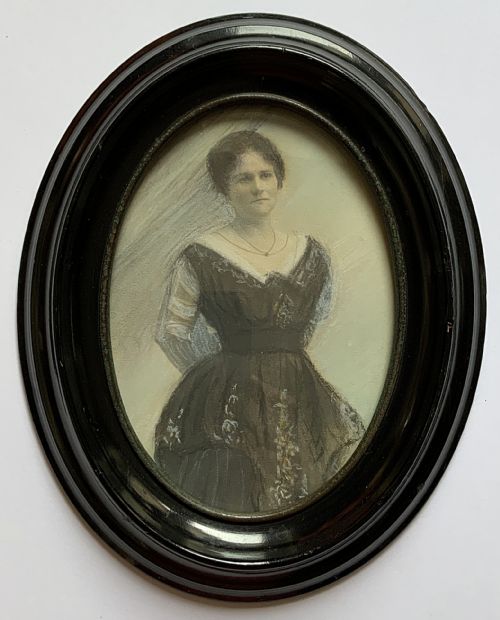
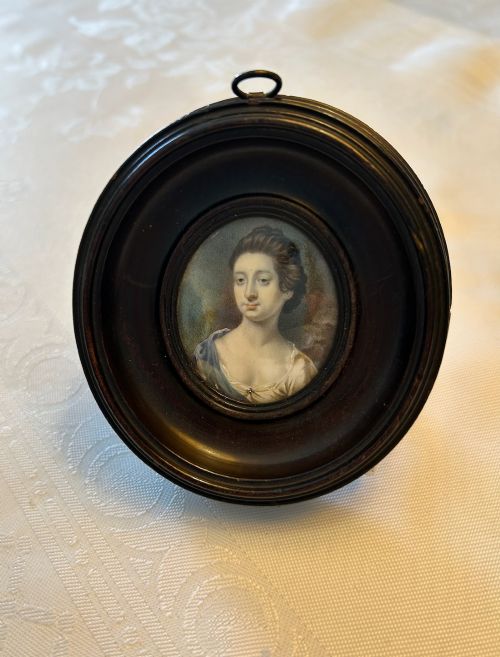


Black Framed Watercolour Portrait
A black framed watercolour portrait brings small-scale intimacy and historic character to a room through delicate pigments set behind glass.
Black Framed Watercolour Portrait
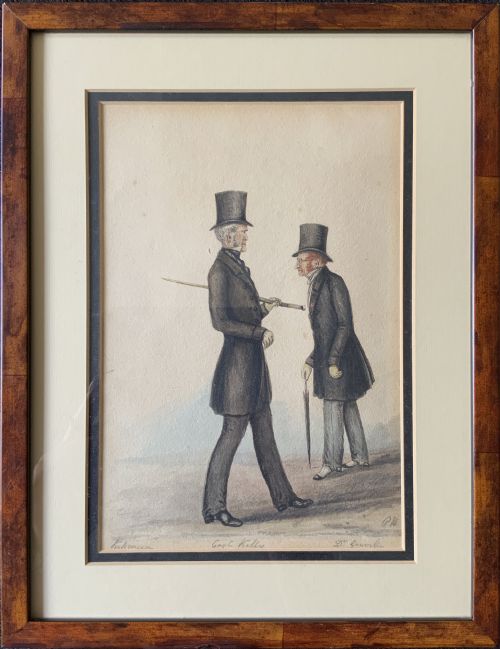
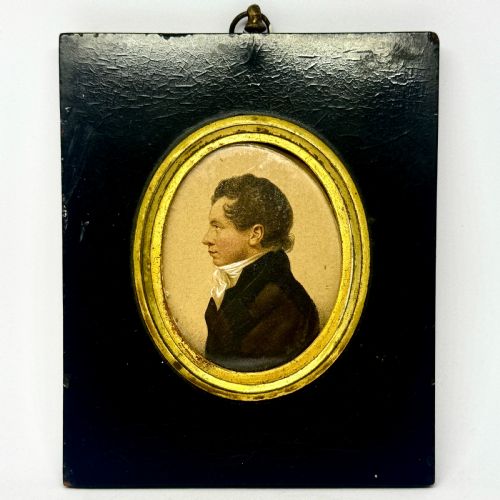
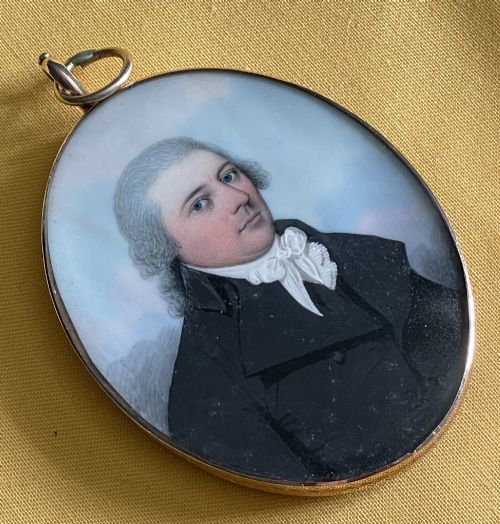
A black framed watercolour portrait comprises small-scale paintings executed on paper, card, or pith, typically housed within ebonised wooden surrounds. These works range from naive folk art studies to finely detailed miniature likenesses produced across the Georgian, Regency, and Victorian eras.
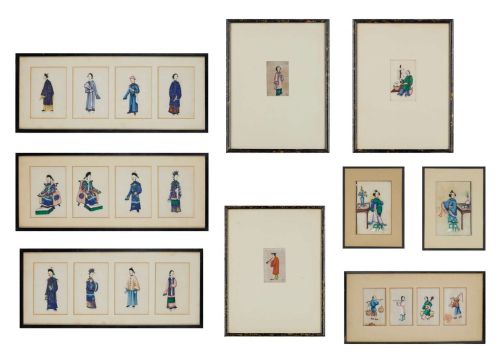
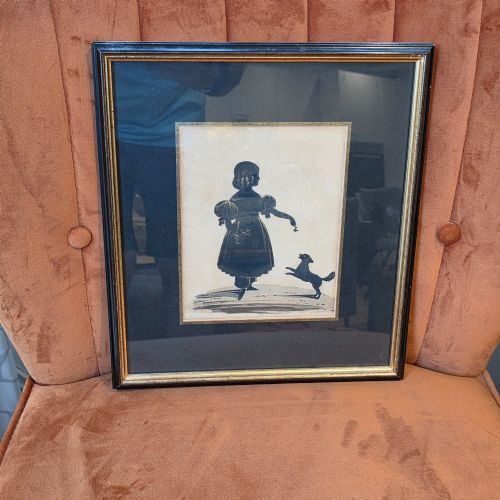
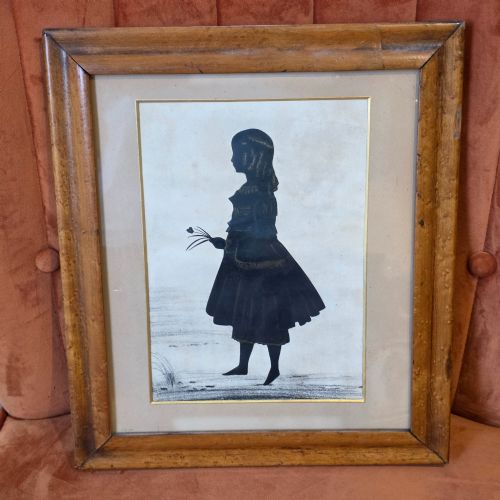
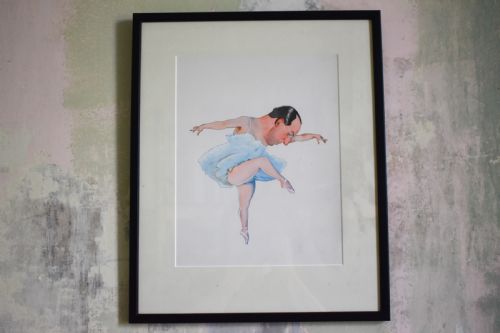
Buyers seeking a black framed watercolour portrait will encounter profile silhouettes, full-length depictions of children, and character studies set beneath glass. The selection spans domestic British pieces alongside occasional examples from American and Chinese traditions.
The enduring appeal of a black framed watercolour portrait lies in its personal scale and the stark contrast between the dark moulding and the subtle washes of pigment. Such pieces offer a direct window into historical dress and individual physiognomy without demanding extensive wall space.
Materials and construction
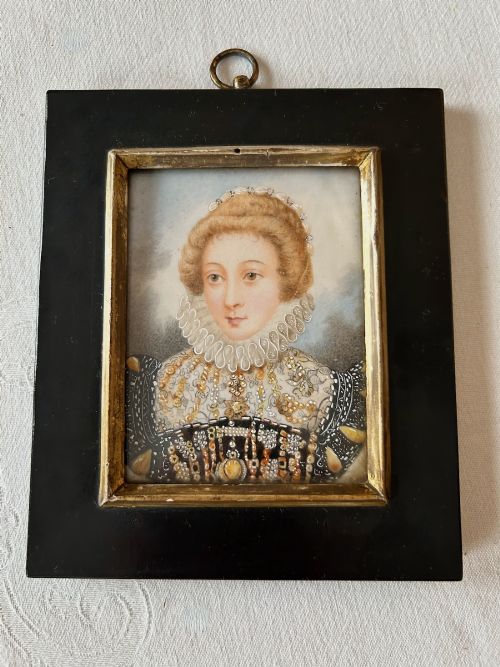
Makers laid water-soluble pigments and ink onto organic supports including paper, card, and prepared ivory surfaces. Many examples incorporate cut paper and gouache, whilst others utilise delicate gold leaf highlights to accentuate the subject's attire or jewellery.
Protective glazing shields the fragile paint layers from atmospheric damage. These panes sit within wooden surrounds, frequently finished in black ebonisation, sometimes complemented by brass hangers and bezels.
Listings span works on paper, card, pith, and ivory, secured behind glass within ebonised wood and brass surrounds across eight distinct centuries and decades.
Distinctions in quality
The refinement of the facial brushwork separates superior portraiture from simpler folk art or naive production. Master practitioners captured psychological depth and accurate proportions within miniatures measuring only a few inches across.
The integrity of the original ebonised frame and the clarity of the protective glass influence desirability. Surviving contemporary glazing and undisturbed backings preserve the interior condition of the paper and pigments against moisture and fading.
William James Hubard·Henri Fradelle·Frederick Buck·Raoul Millais·Archibald Skirving
The Black Framed Watercolour Portrait Glossary
- Ebonised wood
- Timber treated to resemble ebony through a staining and polishing process. This dark finish provides a stark, contrasting border that draws the eye directly to the watercolour within.
- Miniature painting
- A portrait executed on a very small scale, requiring fine brushes and immense precision. These works were often intended to be held in the hand or worn as personal mementoes.
- Gouache
- An opaque water-soluble paint variant containing pigment mixed with a binding agent and a white filler. It imparts solid colour blocks and dense highlights that standard transparent watercolour cannot achieve.
- Silhouette
- A portrait rendered as a solid dark shape, typically in profile against a pale background. Artists cut these likenesses from black paper or painted them directly onto card.
Black Framed Watercolour Portrait: Frequently Asked Questions
How were these portraits displayed?
These small artworks were typically hung in intimate arrangements on parlour walls or placed upon surfaces within domestic interiors. Their compact dimensions allowed owners to group multiple family likenesses closely together.
Many examples feature integrated brass loops or rings for suspension. The dark ebonised surrounds ensured the portraits stood out clearly against patterned wallpaper of the period.
What subjects appear in these works?
The subjects range from formally commissioned likenesses of nobility and gentry to naive folk art depictions of children and everyday citizens. Artists also recorded visiting performers, local characters, and literary figures.
Profile studies and full-length silhouettes frequently capture individuals in contemporary dress complete with period bonnets or neckwear. Occasional narrative scenes and animal studies also accompany the human portraits.
How do I date an ebonised frame?
Dating relies upon the timber construction, the assembly methods at the corners, and the profile of the moulding. Georgian and Regency frames often utilise slender wooden profiles with simple mitred joints.
Later Victorian iterations tend toward heavier mouldings and different backing papers or fixings. Comparing the backing boards and old sealing papers helps confirm the age of the overall assembly.
Can watercolour portraits fade over time?
Watercolour pigments remain sensitive to ultraviolet light and can lose saturation if left in direct sunlight for prolonged periods. Historic papers also react to excessive humidity and trapped moisture behind the glass.
Preserving these pieces requires hanging them away from direct sunbeams and maintaining stable indoor temperatures. Original glass should ideally remain intact to protect the fragile paint surface from dust.