


Profile Portrait Lady
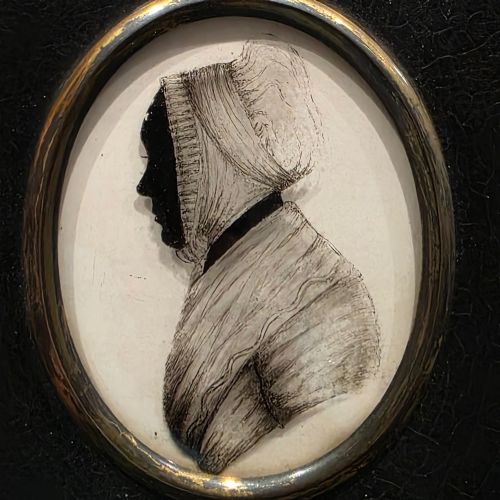
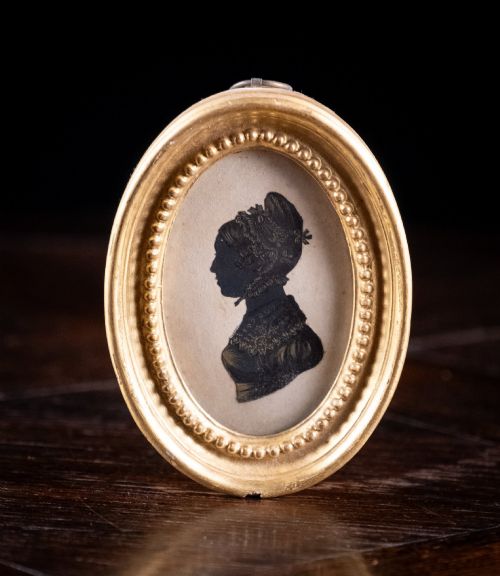
Profile portrait lady works capture female likenesses from Georgian, Regency, and Victorian eras using glass, paper, brass, and watercolour.
Profile Portrait Lady
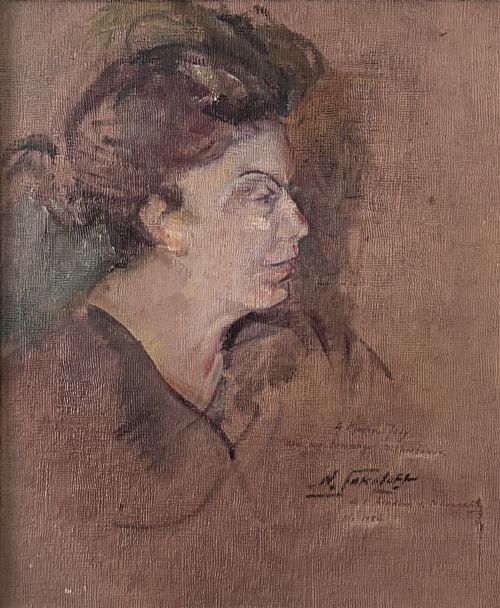
A profile portrait lady brings together historical depictions of women captured in side view across multiple centuries. Buyers searching this phrase meet everything from early silhouettes to detailed watercolour and oil miniatures.
The selections span Georgian, Regency, and Victorian periods, alongside later twentieth-century interpretations. Common formats include framed miniatures, silhouettes, and wall art created on paper, card, or canvas.
Framing forms a notable part of these works, with ebonised wood, gilt wood, and rosewood frequently housing the portraits. Pieces range from small pocket miniatures to larger painted studies of individual subjects.
Materials and construction techniques
Silhouette pieces often utilise reverse painting on glass or delicate paper cuttings mounted against contrasting backgrounds. These works rely on clean outlines to define the subject without interior shading.
Frames employ traditional materials such as brass fittings, ebonised wood, and gilt surrounds. These protective housings frequently incorporate convex glass or wooden backing to preserve the delicate painted surfaces.
Several ladies wear fancy dress and turban caps.
Distinctions in quality and execution
The precision of the likeness and the fineness of the brushwork set superior examples apart from simpler works. Master practitioners control line and tone with absolute authority, capturing character and costume with clarity.
Material preservation dictates the overall standing of a piece. Examples retaining original frames, unblemished glass, and stable pigments command greater regard than those with modern replacements or surface degradation.
George Atkinson·Archibald Skirving·Ozias Humphry·Jeremiah Steele·George Engleheart
The Profile Portrait Lady Glossary
- Silhouette
- A solid, dark profile image of a subject, usually cut from paper or painted on glass or card. This technique gained immense popularity during the Georgian and Regency periods.
- Miniature portrait
- A small-scale painting executed with high precision on ivory, vellum, card, or paper. These portable artworks were often kept as personal keepsakes or worn as jewellery.
- Ebonised wood
- Timber treated to imitate the dark, dense appearance of ebony. It is frequently found on nineteenth-century frames housing silhouettes and watercolours.
- Reverse painting on glass
- An artistic technique where the image is painted directly onto the back of a glass panel to be viewed from the front. This method protects the pigment from atmospheric damage.
Profile Portrait Lady: Frequently Asked Questions
What periods do these portraits cover?
The pieces span from the eighteenth century through the Regency and Victorian eras into the mid-twentieth century. Works range from Georgian silhouettes to Edwardian and modern painted studies.
Each era brought distinct framing choices and mediums, moving from early ink and paper silhouettes to later watercolour and oil paintings on canvas or card.
How were profile miniatures displayed?
Many miniatures and silhouettes were designed specifically for wall display within dedicated wooden frames. Ebonised and gilt wood surrounds were standard for protecting the delicate paper and glass surfaces.
Others functioned as personal items, kept in domestic spaces or carried as intimate mementos by their original owners.
What materials are commonly found?
Common materials include watercolour, ink, and pencil on paper or card, alongside oil paint on canvas. Frames frequently incorporate ebonised wood, rosewood, brass, and gilt elements.
Glass elements, particularly convex panels, often protect the painted or silhouetted surface from dust and handling.