
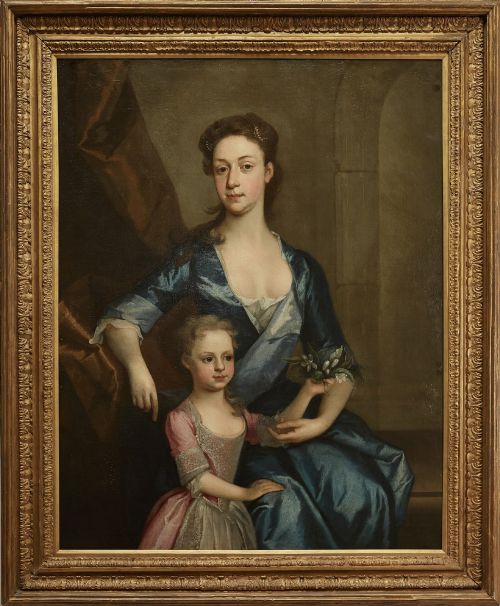


Antique Aristocrat Portrait
An antique aristocrat portrait captures titled subjects in oils, pastels, or prints, offering a tangible link to historical lineage and stately interiors.
Antique Aristocrat Portrait
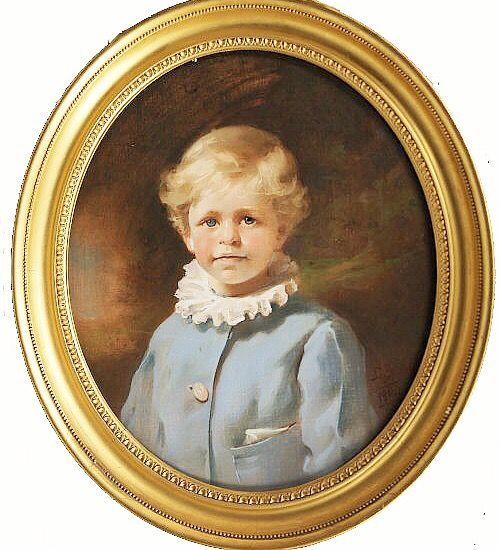
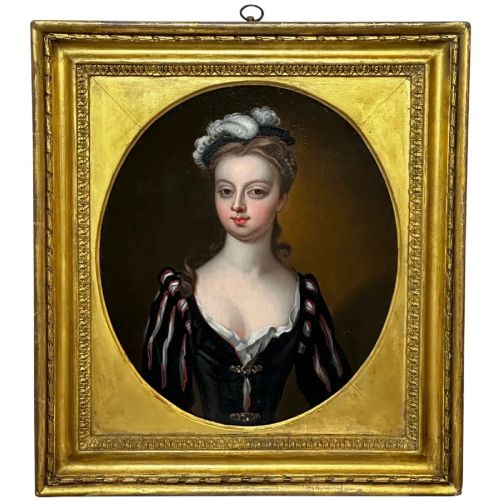
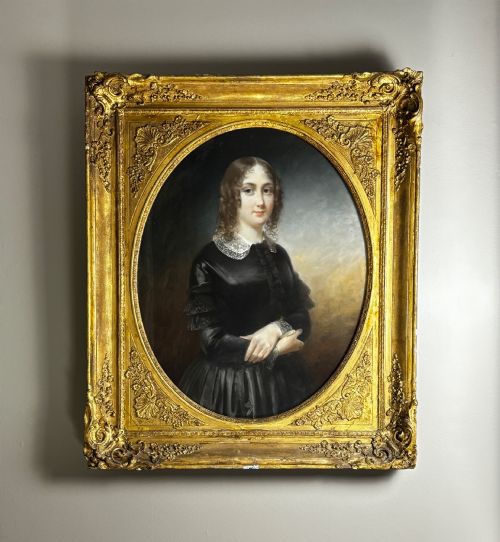
An antique aristocrat portrait represents noblemen, noblewomen, baronets, and countesses from centuries past, captured during life or through later studio interpretations. These works record lineage, status, and notable alliances through elaborate costumes, heraldic cues, and formal poses.
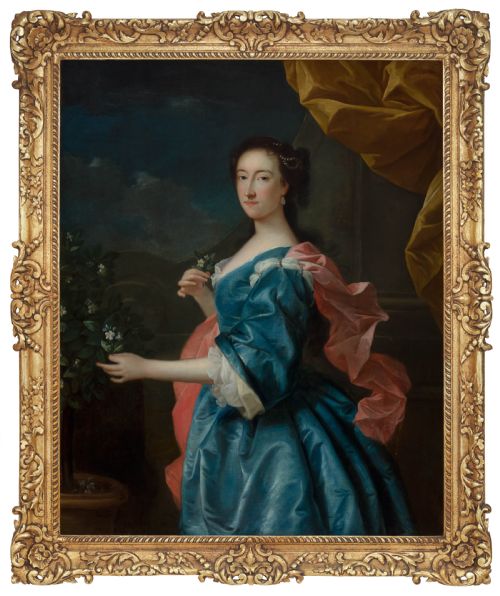
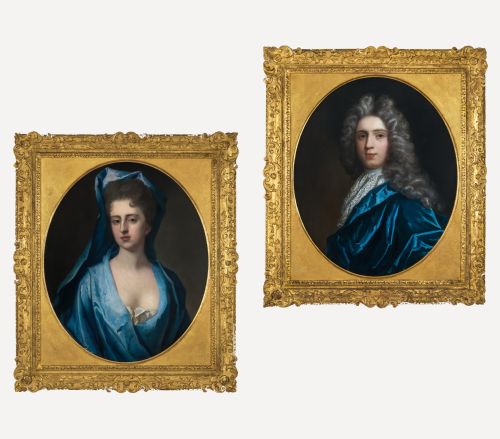
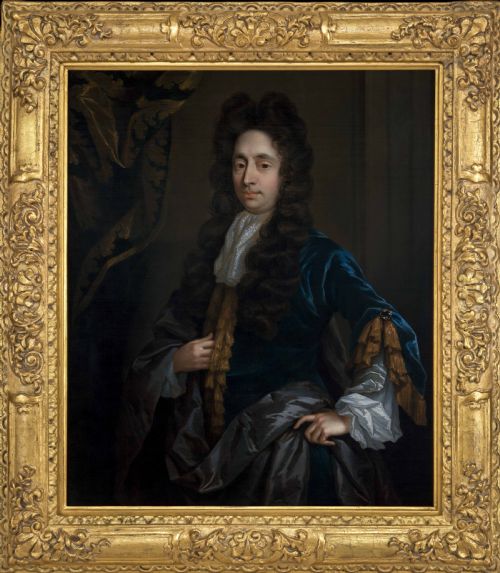
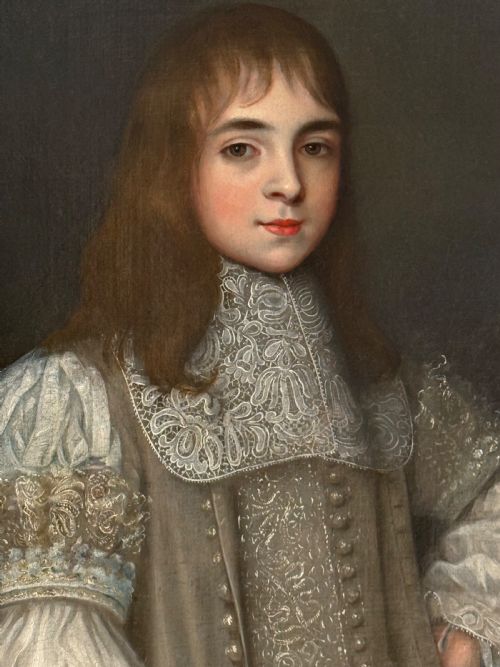
The versions most frequently met on this page originate in the seventeenth and eighteenth centuries, executed in oil on canvas within British and continental European schools. Subjects range from young gentlemen in elaborate dress to seated peeresses accompanied by symbolic flora.
Framing these sitters are period aesthetics spanning the Baroque, Georgian, and Rococo movements, often housed in heavy giltwood or carved wooden surrounds that complement the formality of the painted compositions.
Materials and technique
Painters applied rich oil paint to stretched canvas, and occasionally copper panels, building depth through layered glazes and carefully mixed pigments. These mediums allowed artists to render the sheen of silk robes, lace jabots, and ornate armour with tactile precision.
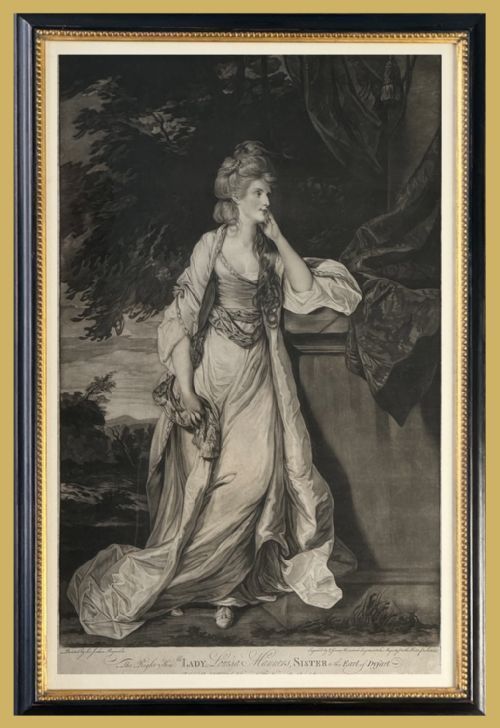
Carved and gilded wood formed the heavy frames that enclosed these canvases, utilising gold leaf applied over gesso to catch ambient light in wood-panelled rooms. Mezzotint prints offered an alternative method, transferring engraved ink images onto paper to circulate likenesses more widely.
Several noble sitters share their canvas space with unexpected companions, including watchful blue chow dogs and prized orange trees.
Distinctions in craftsmanship
The distinction between a standard studio output and a superior work rests on the anatomical precision of the hands and face, alongside the fluid handling of drapery. Master portraitists achieved a lifelike presence in the eyes and skin tones that lesser hands missed.
Original matching frames of carved giltwood elevate the historical integrity of a piece, whereas later replacements alter the visual balance. The reputation of the artist, whether named or tied closely to a recognised circle, dictates the artistic standing of the composition.
Jeremiah Davison·Michael Dahl·Thomas Murray·Constantyn Netscher·Valentine Green·Sir Joshua Reynolds·Leon Sprinck·John Vanderbank·John Michael Wright·Sir William·Joseph Highmore·David Scougall·Hyacinthe Rigaud·Sir Godfrey Kneller·John Horsburgh·Louis De Silvestre·Kenneth Sutherland·Franz Xaver Winterhalter·Enoch Seeman·A.R. Whytton
The Antique Aristocrat Portrait Glossary
- Mezzotint
- A printmaking process of the intaglio family where the plate is roughened to produce dark tones, allowing smooth gradations of light.
- Giltwood
- Timber that has been coated with gold leaf or gold paint, frequently seen on ornate period picture frames.
- Baroque
- An artistic style prevalent in the seventeenth and early eighteenth centuries, characterised by drama, tension, and grand scale.
- Jabot
- A decorative lace or fabric frill attached to the front of a shirt, commonly worn by gentlemen in the eighteenth century.
- Circle of
- A term used when a painting originates from an unknown artist working closely in the style of a master.
Antique Aristocrat Portrait: Frequently Asked Questions
What is an antique aristocrat portrait?
An antique aristocrat portrait is a painted, pastel, or printed likeness of a noble figure, created primarily during the seventeenth, eighteenth, and nineteenth centuries. These works served to document family lineage and social standing.
Subjects were typically painted by prominent or regional artists of the period, capturing sitters in formal attire surrounded by the symbols of their wealth and rank.
How were these portraits displayed historically?
These large paintings and prints hung in the grand reception rooms, galleries, and staircases of stately homes and townhouses. They acted as visual anchors for ancestral pride.
Heavily carved giltwood frames were chosen to project status and to complement the rich interior wood panelling and drapery of the era.
How do I care for an oil on canvas portrait?
Keep the artwork away from direct sunlight and fluctuating humidity levels to protect the canvas and prevent the oil paint from cracking. Gentle dusting with a soft, dry brush is sufficient for maintenance.
Avoid using liquid cleaners on the canvas or the giltwood frame, consulting a professional conservator if the surface requires deep cleaning.
How can I tell the period of a portrait?
The clothing, hairstyles, and lace collars worn by the sitter offer immediate clues to the decade in which the portrait was painted. Gentlemen in armour or ladies in stiff stays point firmly to earlier centuries.
Frame construction styles, canvas types, and the application of pigments further help confirm whether a work belongs to the Baroque, Georgian, or Victorian era.