


Framed Military Oil Portrait
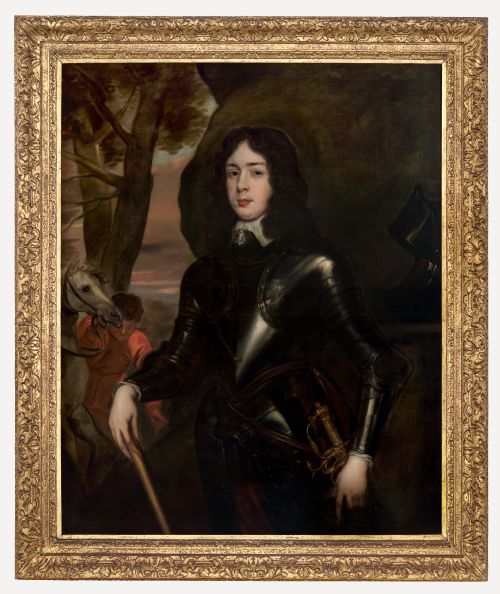
A framed military oil portrait captures commanders, officers, and soldiers in oil paint on canvas, bringing centuries of martial history directly to a wall.
Framed Military Oil Portrait
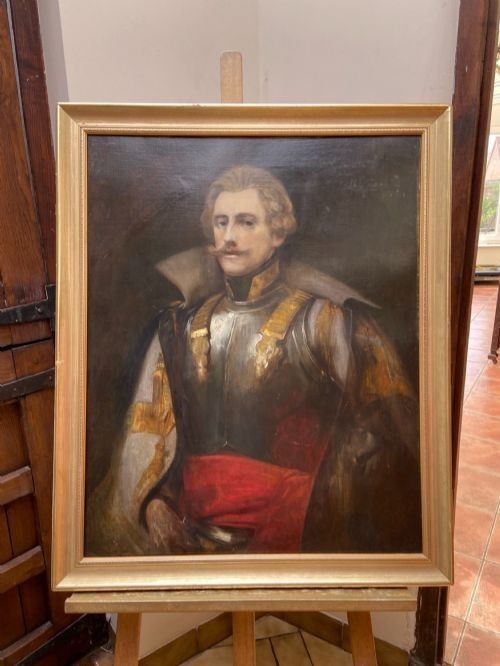
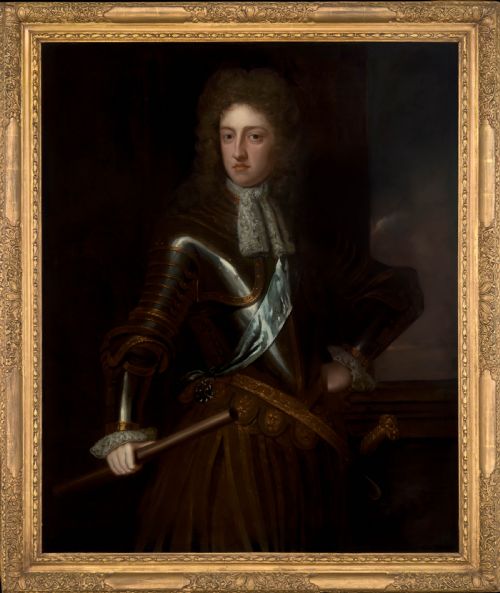
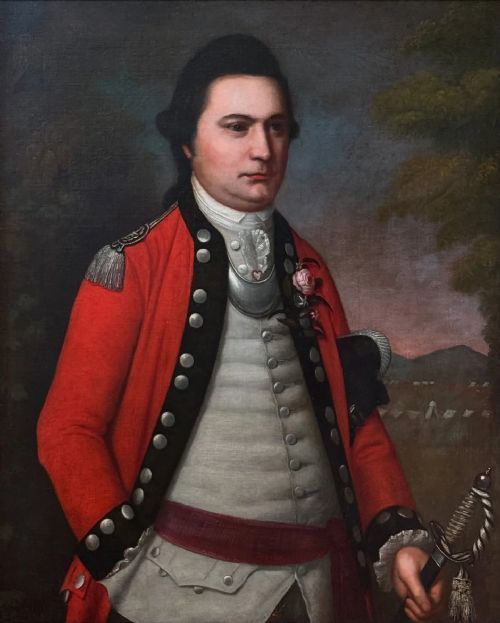
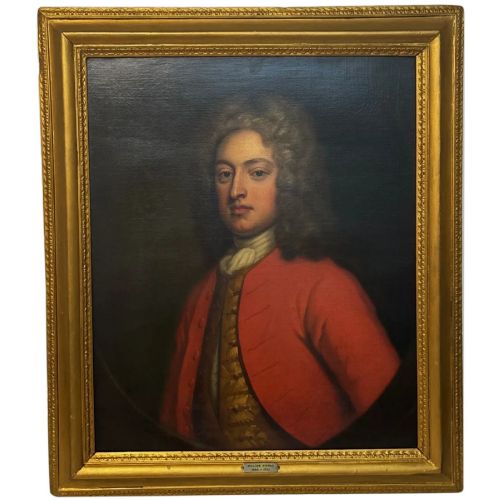
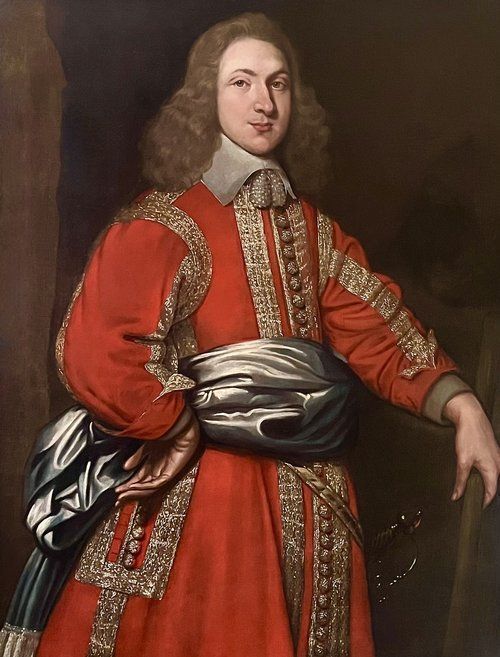
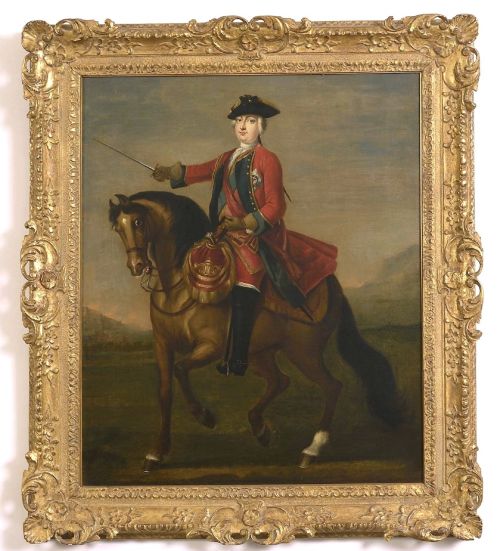
A framed military oil portrait depicts officers, generals, and soldiers from the 17th century through the mid-20th century, rendered in oil paint upon canvas or panel. You are most likely to meet 19th-century works on this page, alongside significant 18th-century representations of redcoat officers and naval commanders.
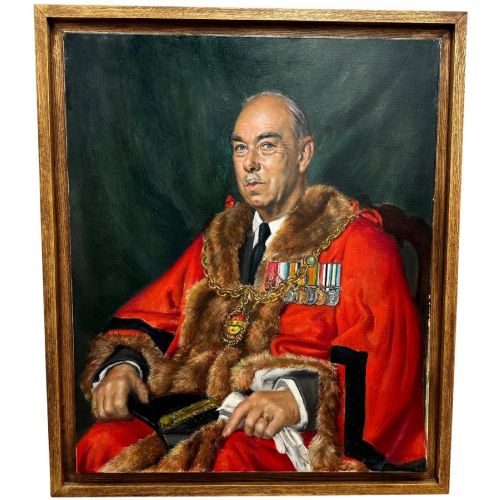
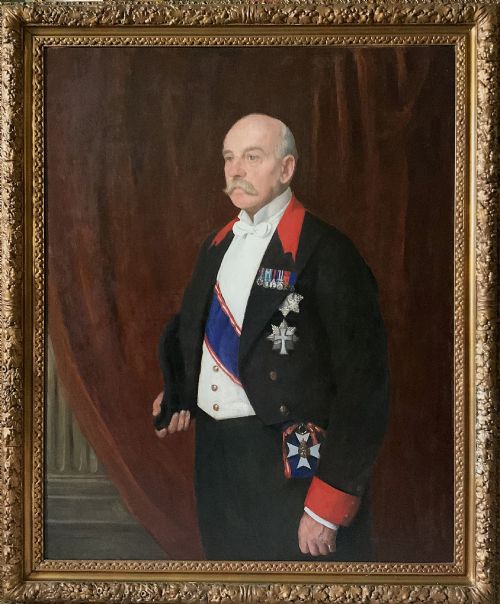
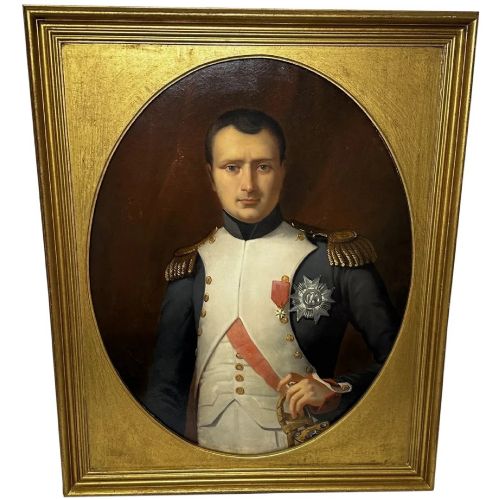
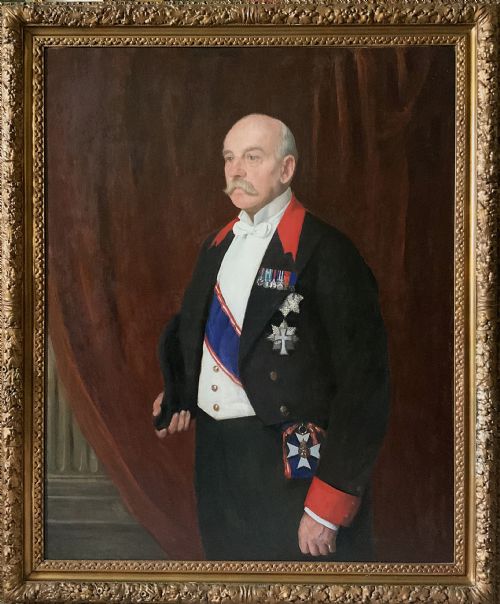
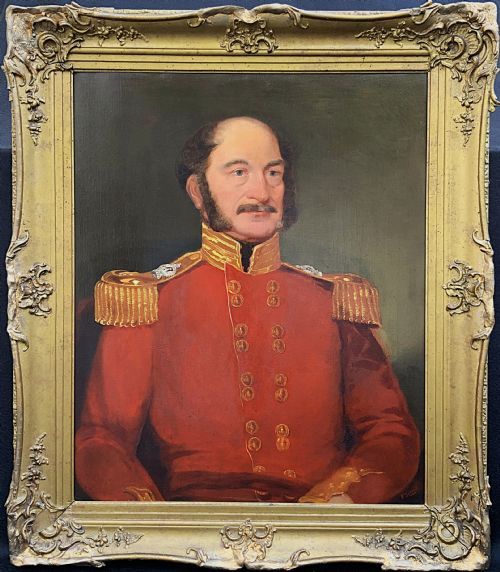
The subjects appear in various settings, ranging from formal armour and ceremonial red tunics to active battle scenes and quiet tactical poses. These works frequently record specific historical figures, such as generals, majors, and militia leaders, identified by their uniforms, medals, and regimental insignia.
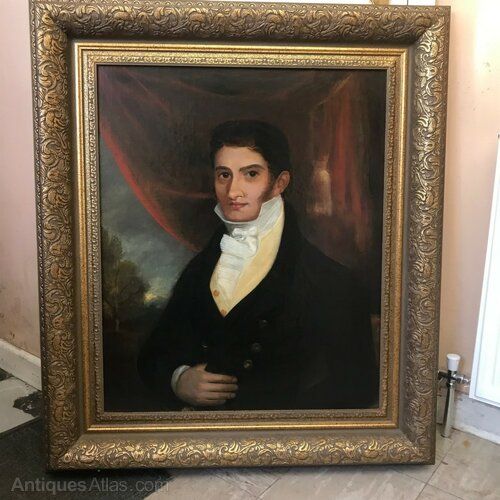
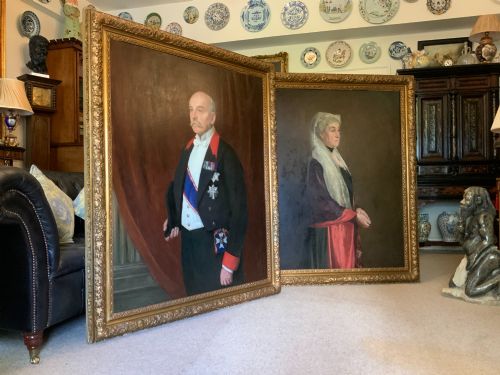
Every piece arrives housed in its period enclosure, typically heavy giltwood or gold leaf frames that complement the grand scale of the canvas. The forms vary from intimate miniature paintings to monumental shoulder-length and full-length canvases.
How they were made
Artists built these depictions using oil paint applied to stretched canvas, occasionally utilising wood panels for smaller formats. Painters layered pigments to capture the metallic sheen of armour, the texture of wool tweed, and the rich scarlets of military uniforms.
The surrounding frames consist of wood carved into ornate mouldings, subsequently finished with layers of gesso and gold leaf or giltwood. These protective borders were often constructed specifically to house the individual canvas and match the prevailing style of the period, from Baroque to Victorian.
Among the commanders and officers stands the portrait of the horse Balmoral, proving that military life sometimes leaves room for equine nobility.
What varies in quality
The distinction between ordinary and superior works lies in the psychological depth of the sitter's face and the anatomical precision of the hands and uniform details. Master painters handled light and shadow to give the subject a tangible presence, whereas lesser studio productions relied on stiff repetition and flat brushwork.
The preservation of both the paint surface and the original giltwood frame heavily dictates the standing of a piece. Original, untouched oil on canvas layers without excessive overpainting command greater regard than canvases that have undergone heavy restoration or relining.
Bernard Hailstone·Sir Godfrey Kneller·Stickland Lowry·Sir Anthony van Dyck·John Simmons·Nicolas De Largillière·Ernest Crofts·Francis Russell Flint·David Nicholson Ingles
The Framed Military Oil Portrait Glossary
- Giltwood
- Wood carved and coated with gold leaf or a gold-coloured metallic finish to create an ornate frame. This material provides a bright, reflective border that enhances the dark tones of an oil painting.
- Oil on Canvas
- A traditional painting medium where pigments are suspended in a drying oil and applied to a woven fabric support. This combination allows for rich colour blending and durable preservation over centuries.
- Miniature Painting
- A highly detailed, small-scale portrait created with fine brushes. These compact works often capture facial likenesses with exceptional precision.
- Baroque
- An artistic style characterised by dramatic lighting, deep shadows, and dynamic movement. Portraits from this period emphasise grandeur and theatrical presence.
- Red Coat
- The iconic British military uniform jacket worn by infantry and officers during the 18th and 19th centuries. Its presence in a portrait helps date the work and identify specific regiments.
Framed Military Oil Portrait: Frequently Asked Questions
How do I identify the rank of the officer?
Military rank is typically identified by examining the uniform details, such as epaulettes, collar insignia, sash designs, and specific medals worn on the chest. Contemporary records and regimental histories often cross-reference these decorative elements.
Officers from the 18th and 19th centuries wore distinct lace and facings that corresponded to their specific regiment or command level, providing clear visual clues to their position.
What is the difference between an 18th and 19th-century portrait?
Eighteenth-century portraits frequently feature powdered wigs, softer facial modeling, and formal aristocratic posturing influenced by contemporary portraiture conventions. The uniforms from this era, such as early red coats, display different cut and lace patterns.
Nineteenth-century examples tend toward greater realism, capturing more naturalistic hair, modern facial hair styles, and more strictly regulated military dress as standardised by the expanding armed forces.
Where should I hang a large military portrait?
These commanding works require a wall capable of supporting both their physical weight and their visual gravity, such as above a fireplace or anchoring a primary hallway. Ensure the hanging location avoids direct, harsh sunlight to protect the oil pigments and the delicate giltwood frame.
Pairing the canvas with traditional lighting, such as a dedicated picture light, highlights the rich textures of the paint and the fine details of the uniform.
How do I care for an antique oil painting?
Maintain a stable room environment with moderate humidity and temperature to prevent the canvas from slackening and the wood frame from warping. Dust the surface and the carved giltwood frame gently using a soft, dry brush without applying pressure.
Avoid using any liquid cleaners, chemical sprays, or damp cloths on the oil paint surface, as moisture can penetrate hairline cracks and damage the ground layers beneath.