

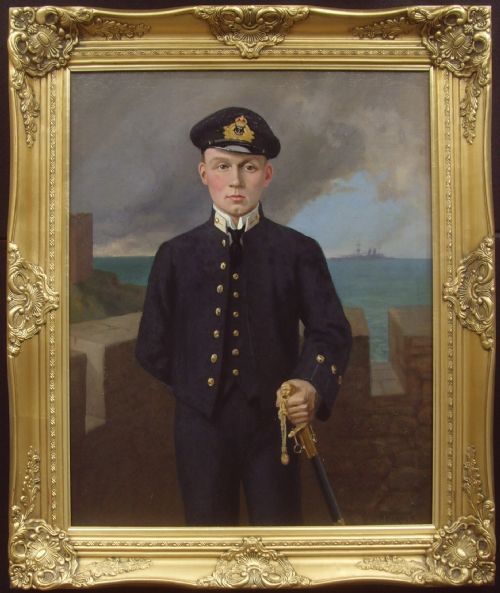
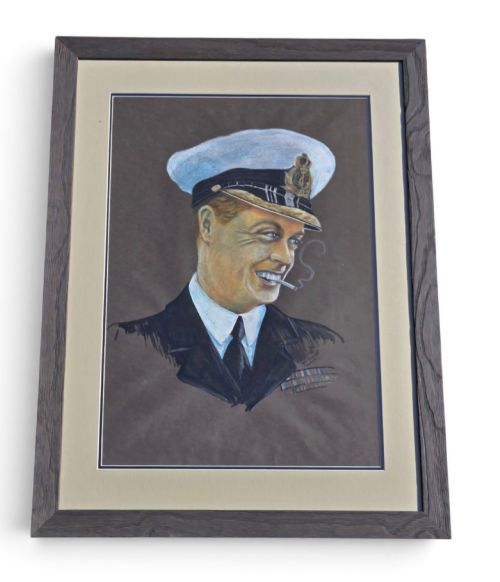


Naval Officer Artwork
Naval officer artwork captures the dignified presence of maritime commanders through enduring painted portraits, delicate miniatures and historic prints.
Naval Officer Artwork
Naval officer artwork comprises historical painted portraits, miniature likenesses on agate panels, watercolours and engravings depicting commanding figures of the sea. These works record the likenesses of admirals, captains and royalty in formal uniform, spanning the eighteenth century through to the mid-twentieth century.
The pieces most frequently met on this page are oil paintings on canvas and detailed portrait miniatures, often framed in wood or gold. They bridge the gap between military history and fine portraiture, offering a direct visual link to the commanders of past fleets.
Quality factors
The distinction between works rests on the precision of facial rendering and the fidelity of the uniform details, such as medals and insignia. Skilled portraitists capture individual character alongside the formal dignity required of high-ranking naval personnel.
Materials and framing contribute significantly to the standing of a piece, with fine gold settings and period wooden frames elevating the object. The reputation of the artist, whether working in oil or miniature, dictates the refinement of the brushwork and the overall preservation of the image.
Naval Officer Artwork Retail Price Guide 2026
Typical asking prices for naval officer artwork among the pieces listed under this phrase on Sellingantiques today, from the lower quarter to the upper quarter. They describe what is for sale here now, not the wider market.
The listings combine eighteenth-century oils, Regency watercolours, and mid-twentieth-century portraiture on canvas and paper.
Sir Thomas Lawrence·Robert Ker Porter·Ambrosini Jerome·John Simmons
The Naval Officer Artwork Glossary
- Miniature portrait
- A small-scale painting executed with immense detail, often created on materials like ivory, paper or agate panel. These pieces were frequently kept as personal mementos or worn as jewellery.
- Oil on canvas
- A painting technique using pigments suspended in a drying oil, applied to a stretched cloth support. This medium allows for rich colour depth and lasting durability.
- Engraving
- A printmaking process where an image is incised into a metal plate, usually copper or steel, to hold ink. Impressions are then transferred onto paper under high pressure.
- Watercolour
- A painting method where water-soluble pigments are applied to paper to create translucent washes of colour. It offers a lighter, more immediate effect than oil paint.
Naval Officer Artwork: Frequently Asked Questions
What periods do these pieces span?
The works on this page stretch from the eighteenth century through the Regency period and into the mid-twentieth century. They reflect the shifting styles of portraiture across multiple eras of naval history.
Earlier examples often depict figures from the age of sail, while later pieces capture twentieth-century commanders in modern naval uniform.
How were these portraits displayed?
Many of these oil paintings and framed engravings were hung in country houses, naval messes and official state rooms to honour distinguished service. Large canvases served as statements of familial or national pride.
Smaller pieces, particularly miniatures set in gold, were designed for intimate, personal display or carried as tokens of affection.
How do I identify the rank of the subject?
The uniform, epaulettes, lace and chest decorations depicted in the artwork usually indicate the rank of the naval officer. Admirals and high-ranking commanders wear specific insignia associated with their status.
Many titles and inscriptions on the frames or canvases explicitly name the officer and their historical achievements.
How should I care for historic portraits?
Keep these works away from direct sunlight and damp environments to protect the canvas, paper and pigments from fading or deterioration. Stable room temperatures prevent the wood and canvas from warping over time.
Dust frames and glass gently with a soft, dry cloth, avoiding harsh chemical cleaners that might damage antique surfaces.