

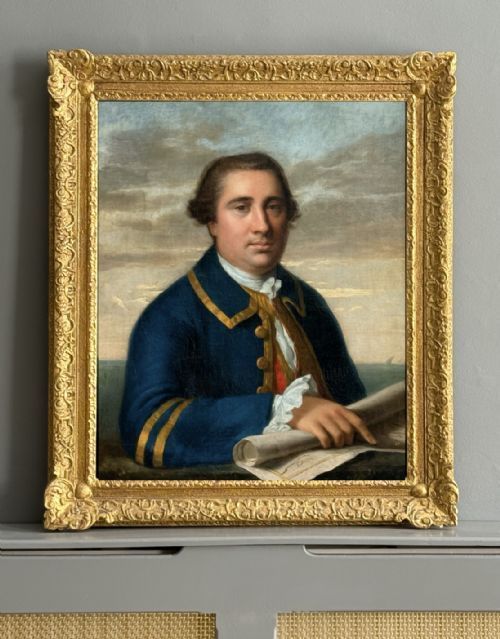
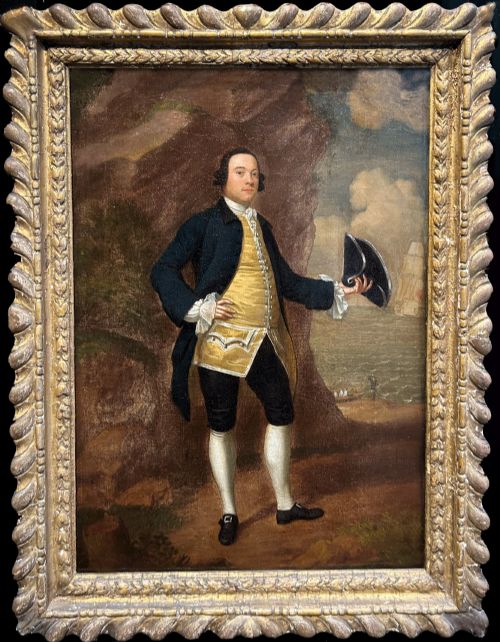


18th Century Naval Portrait
An 18th century naval portrait captures the commanding presence of officers and captains through traditional oil on canvas and miniature painting.
18th Century Naval Portrait
An 18th century naval portrait depicts commanders, captains, and officers associated with maritime service during a formative era of naval history. You will frequently encounter oil paintings on canvas alongside smaller portrait miniatures executed on materials such as agate.
The subjects appear in period military dress, sometimes displaying orders, medals, or holding objects like swords and torches. These works originate from British and French artistic traditions spanning the Georgian period and the broader eighteenth century.
Materials and methods of construction
Framing forms an integral part of the physical object, utilising carved wood and giltwood to complement the visual weight of the canvas or panel. Engravings on paper also represent the techniques employed to distribute these likenesses.
18th Century Naval Portrait Retail Price Guide 2026
Typical asking prices for 18th century naval portrait among the pieces listed under this phrase on Sellingantiques today, from the lower quarter to the upper quarter. They describe what is for sale here now, not the wider market.
Listings feature oil paintings on canvas alongside portrait miniatures on agate panels, framed in wood, giltwood, and gold.
Distinctions in craftsmanship and execution
Superior examples demonstrate precise handling of facial expression, uniform detail, and light, often attributed to recorded painters or distinct artistic circles. The sophistication of the surrounding frame, whether elaborate giltwood or gold work, adds to the physical stature of the piece.
Lesser examples display more formulaic brushwork or lack the detailed rendering of uniform insignia and facial character seen in works by established portraitists.
Lemuel Francis Abbott·Francis Hayman·Sir Thomas Lawrence·Samuel Lane·Robert Ker Porter
The 18th Century Naval Portrait Glossary
- Oil on Canvas
- Pigment mixed with drying oil applied to a woven fabric support. This remains the primary medium for large-scale maritime portraits of the period.
- Portrait Miniature
- A small, highly detailed painting designed for intimate viewing or personal carriage. These often feature delicate work on panels like agate.
- Georgian
- The period spanning the reigns of the British monarchs George I through George IV. Much of the domestic maritime portraiture dates from this era.
18th Century Naval Portrait: Frequently Asked Questions
What is an 18th century naval portrait?
An 18th century naval portrait is a painted likeness of a sea captain, admiral, or officer created during the Georgian era. These works record the uniforms, medals, and status of maritime commanders.
They appear primarily as oil paintings on canvas or as detailed miniature paintings on panels. The sitters range from known historical commanders to privateers and merchant navy captains.
How were these portraits displayed?
Owners displayed large oil paintings within substantial giltwood frames in domestic interiors, naval offices, or state rooms. The scale of these canvases was intended to project authority and social standing.
Miniature portraits were kept closer at hand, worn on the person or housed in small protective cases. Both formats served to commemorate service at sea.
Who painted naval portraits?
Professional portraitists working within British and European schools produced these likenesses, often from life or through official commissions. Painters frequently captured sitters holding instruments, swords, or documents relating to their service.
Some works are attributed directly to known academicians, while others emerge from wider artistic circles associated with naval patronage.
How do you date a naval portrait?
Dating relies on the uniform style, cut of the wig or hair, and the costume details worn by the sitter. Naval uniform regulations evolved significantly across the eighteenth century, providing clear chronological markers.
Documentation, artist signatures, and framing methods also assist in establishing the period of creation alongside the canvas or panel material.