

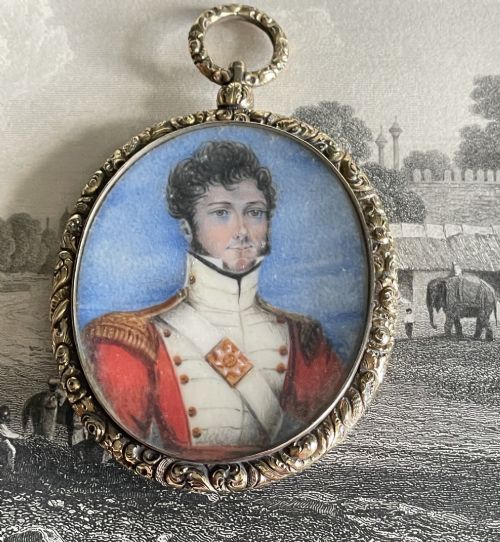


British Officer Miniature
A british officer miniature captures the likeness of military leaders in exquisite detail, offering a tangible connection to historical campaigns and service.
British Officer Miniature
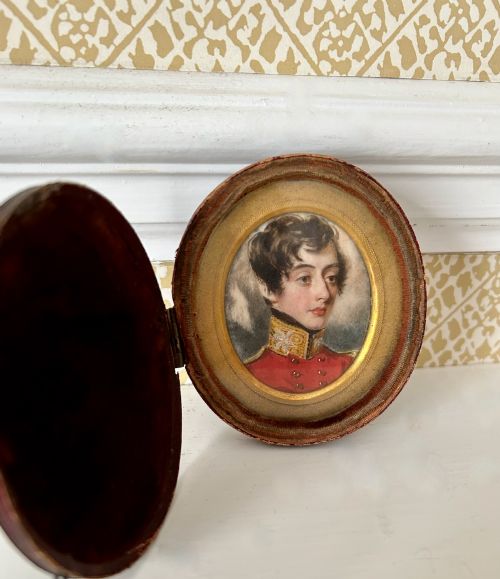
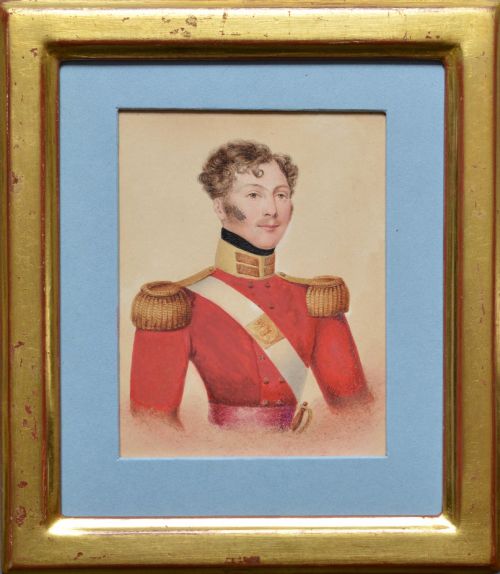
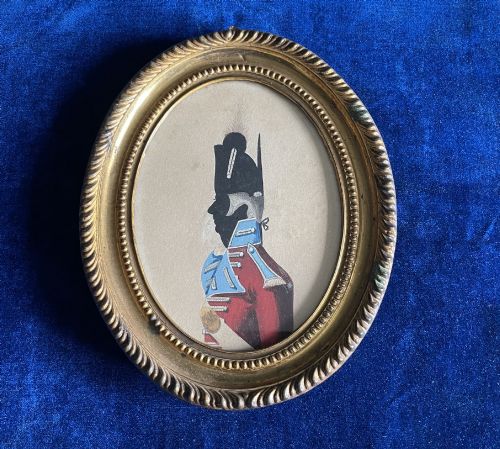
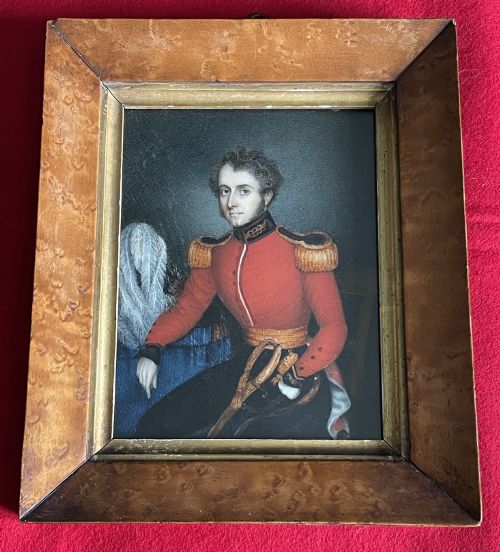
A british officer miniature comprises small-scale portraits depicting military personnel from the eighteenth and nineteenth centuries. These works frequently record specific figures such as generals, captains, and lieutenants from regiments like the Dragoons and Royal Artillery.
The selections on this page span the Georgian, Regency, and Edwardian styles, capturing evolving artistic approaches to military portraiture. Collectors encounter framed works in gold, giltwood, and burl wood, alongside paper and ivory supports.
Pieces range from anonymous British school studies to identified subjects like Lieutenant-General Vernon and Field Marshal Sir Samuel Hulse. Each portrait preserves the exact uniform details and insignia of the sitter's specific regiment or service branch.
Materials and construction
Artists executed these works using watercolour and paint on delicate substrates including paper, ivory, and agate panels. Enamel techniques also appear, notably in works by named practitioners who fused coloured glass powders onto metal plates under intense heat.
Framing materials reflect the high status of military sitters, utilising gold leaf, eighteen-carat gold, and polished burl wood or giltwood surrounds. Glass protected the fragile painted surfaces from dust and handling during daily display.
British Officer Miniature Retail Price Guide 2026
Typical asking prices for british officer miniature among the pieces listed under this phrase on Sellingantiques today, from the lower quarter to the upper quarter. They describe what is for sale here now, not the wider market.
Current listings exclusively feature works from the eighteenth and nineteenth centuries, incorporating watercolours, enamels, and paintings on agate.
Assessing quality and execution
The precision of facial likeness and the careful rendering of military lace, medals, and uniform facings distinguish superior works from standard studio output. Finer examples capture the individual psychological presence of the sitter rather than relying on generic uniform templates.
The sophistication of the housing influences the overall desirability of the piece, with heavy gold frames and fitted wooden cases representing higher investment in the presentation. Signed works by documented artists command greater academic interest than anonymous school pieces.
Henry Bone ARA·Sir William John Newton·Leslie Moore
The British Officer Miniature Glossary
- Portrait Miniature
- A small, highly detailed painting designed for intimate viewing or portable display. These works required microscopic brushwork using fine sable brushes.
- Enamel Miniature
- A portrait fused onto a metal ground by firing in a kiln. This technique ensured the colours remained stable and resistant to fading over centuries.
- Giltwood
- Wood carved and covered with a thin layer of gold leaf or gold paint. It provided an opulent and reflective border for important framed portraits.
- Burl Wood
- Wood veneer taken from a tree growth featuring intricate, swirling grain patterns. Cabinetmakers utilised this figured timber to create rich, decorative frames.
British Officer Miniature: Frequently Asked Questions
What periods do these miniatures cover?
The available pieces primarily span the eighteenth and nineteenth centuries, encompassing the Georgian and Regency eras.
Workmanship evolves from earlier eighteenth-century enamel and agate panels to nineteenth-century watercolour on paper and ivory.
How were these miniatures displayed originally?
Officers and their families kept these small portraits in domestic interiors, often hanging them in intimate rooms or placing them on desks.
Many featured robust gold or wooden frames designed to protect the fragile painted surfaces while allowing easy transport.
Are the subjects usually identified?
Many listings preserve the names of specific military figures, detailing their rank, regiment, and historical engagements.
Unattributed pieces are often attributed to regional British schools or grouped by their distinctive uniform characteristics.
What materials appear most frequently?
Watercolour and paint form the primary media, applied to supports such as ivory, paper, and prepared agate panels.
Frames incorporate gold leaf, eighteen-carat gold, giltwood, and burl wood to complement the status of the military sitter.