
Georgian Style Oil Painting
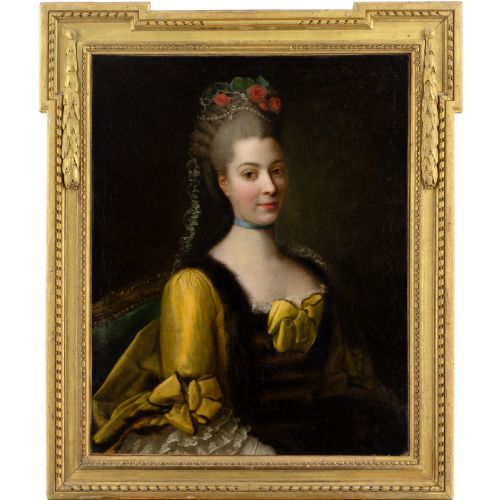
When you seek a georgian style oil painting, you find works capturing portraiture and classical scenes created across multiple historical periods.
Georgian Style Oil Painting
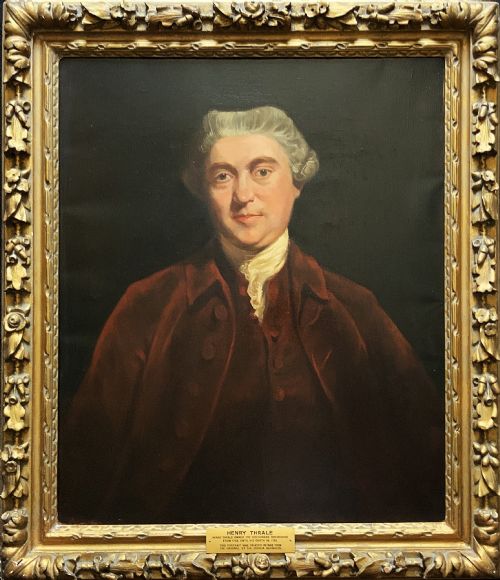
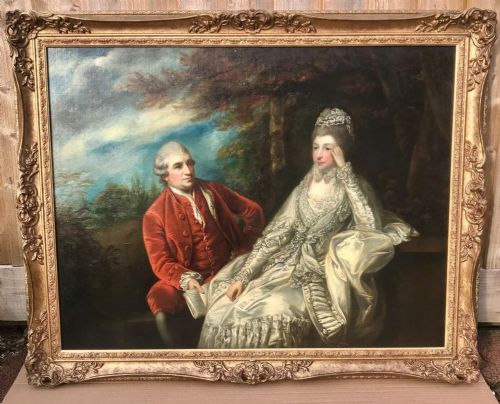
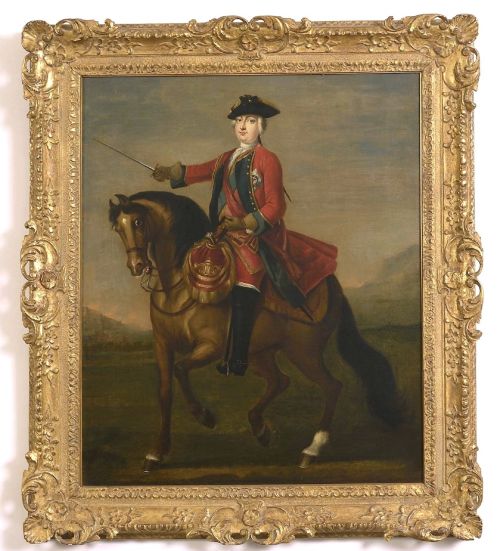
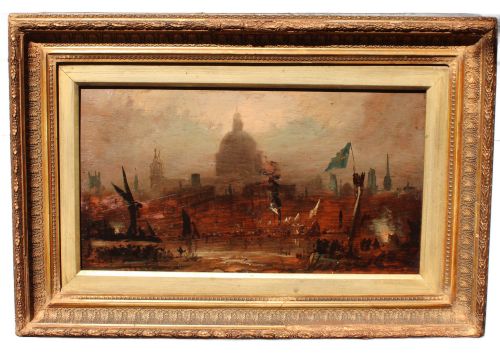
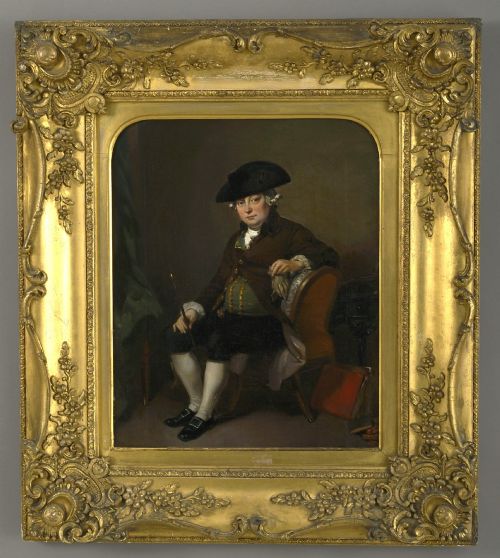
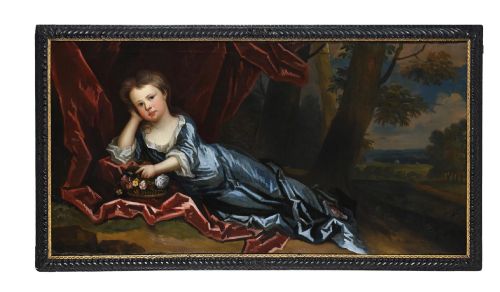
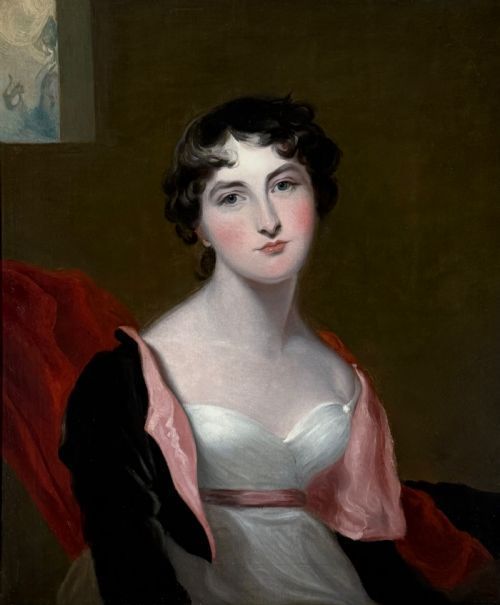
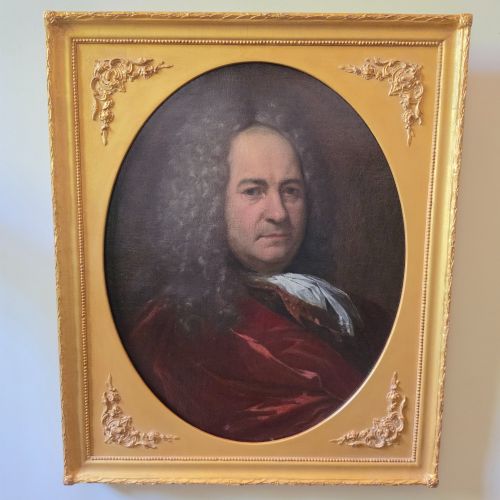
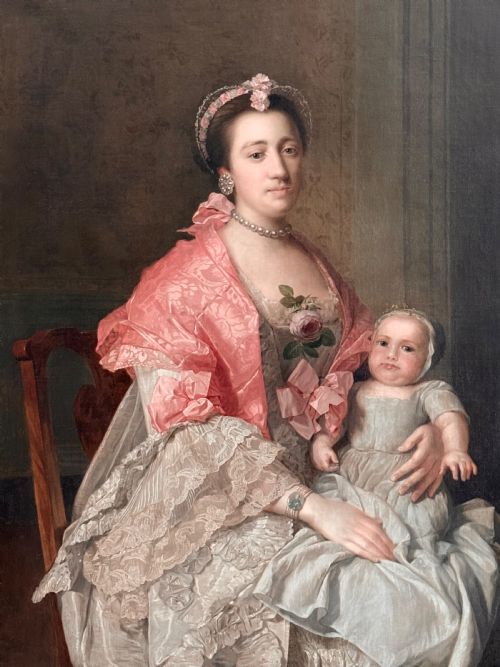
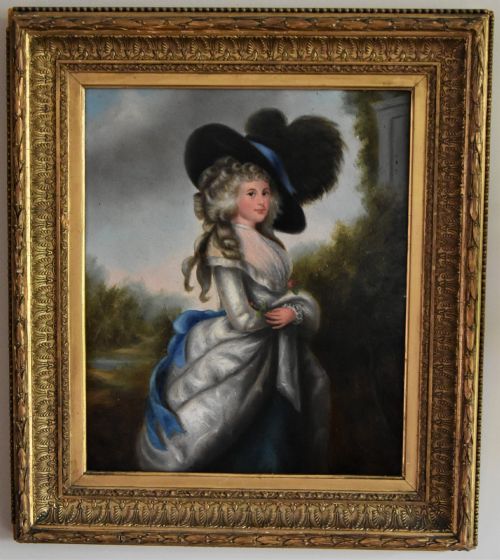
A georgian style oil painting encompasses works depicting formal portraits, aristocratic sitters, and classical landscapes produced from the eighteenth century onwards. Buyers frequently encounter pieces created in the eighteenth and nineteenth centuries, alongside later revival works reflecting earlier artistic traditions.
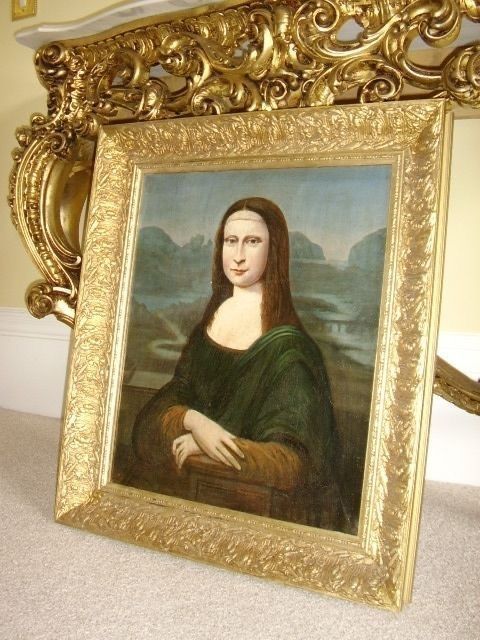
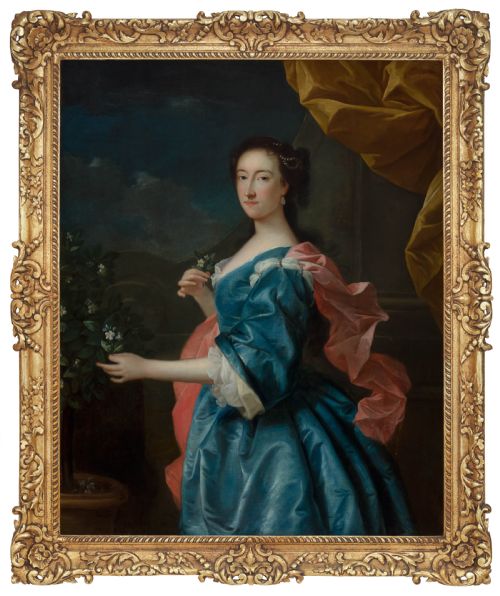
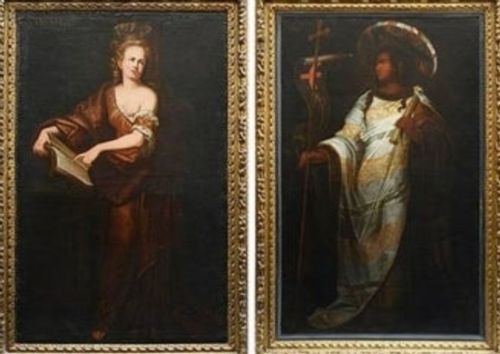
The selection includes original portraits of country gentlemen, elegant ladies, and naval officers, alongside studies executed in the manner of prominent historical masters. Works range from intimate panel paintings to large canvases housed in period frames.
Categorised under fine art and wall art, these paintings originate from diverse European schools, capturing British and continental subjects through traditional oil painting techniques.
How They Were Made
Makers applied oil paint using canvas, wood panels, or board as a base, frequently employing giltwood and gilded wood frames to house the completed artwork.
Artists utilised traditional glazing and layering methods to build depth within portraits and landscape scenes, following the stylistic conventions of British and European schools.
Georgian Style Oil Painting Retail Price Guide 2026
Typical asking prices for georgian style oil painting among the pieces listed under this phrase on Sellingantiques today, from the lower quarter to the upper quarter. They describe what is for sale here now, not the wider market.
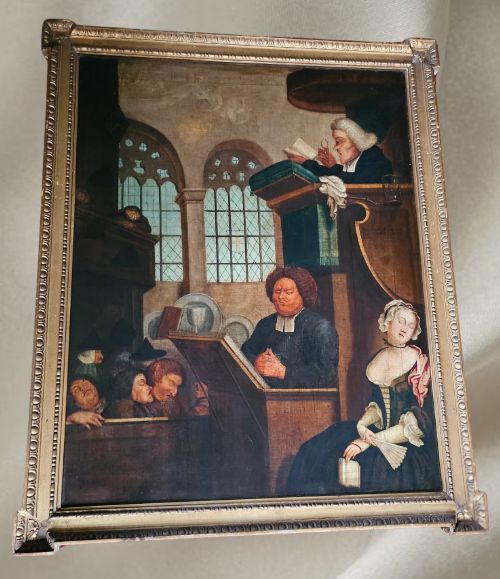
Several noble sitters share space on the wall with pipes, orange trees, and mischievous domestic animals.
What Varies in Quality
The preservation of the original canvas surface, the stability of the oil paint layer, and the authenticity of the accompanying period frame influence the standing of each piece.
Jeremiah Davison·Sir Joshua Reynolds·John Wootton·Thomas Hudson·Samuel De Wilde·Charles D’Agar·Sir Thomas Lawrence·Allan Ramsay·William Hogarth·James Maubert·George Morland·Joseph Highmore·John Constable·John Simmons·Nicolas De Largillière·Jean-Marc Nattier·William Egley·Michael Dahl·Thomas Gainsborough·Francesco Zuccarelli
The Georgian Style Oil Painting Glossary
- Oil on Canvas
- Pigment mixed with drying oil applied to a woven fabric support. This material combination forms the primary medium for the majority of historical portraits listed.
- Circle of
- A designation indicating an artist worked closely alongside a master and shared their specific stylistic approach. It denotes close contemporary proximity rather than direct hand.
- Panel
- A flat piece of wood used as a rigid support for painting before canvas became dominant. These provide a solid base for earlier works.
Georgian Style Oil Painting: Frequently Asked Questions
What subjects appear in these paintings?
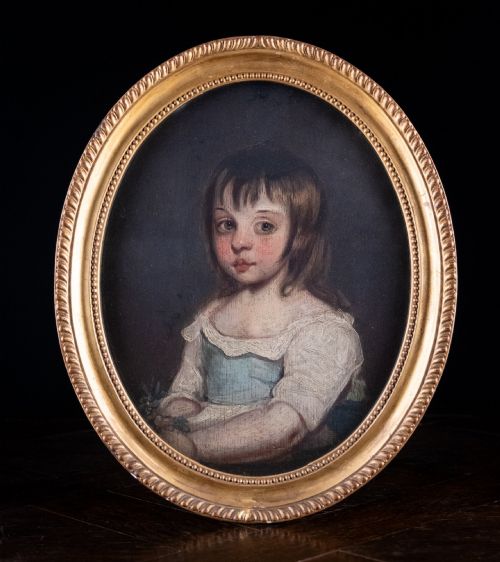
Portraits of aristocrats, naval officers, children, and ladies dominate the inventory, accompanied by classical landscapes and tavern interiors.
Subjects frequently reflect eighteenth-century social hierarchies and historical figures rendered by contemporary and later artists.
How do I identify the period of a canvas?
Examine the canvas preparation, stretcher construction, and the ageing patterns within the oil paint layers to determine historical origin.
Stylistic cues and attribution notes further assist in separating eighteenth-century originals from later nineteenth-century revival pieces.
Where should I hang a large portrait?
Large framed portraits suit principal reception rooms or hallways where adequate wall space allows proper viewing distance.
Keep such artworks away from direct sunlight and fluctuating heat sources to protect the canvas and giltwood frame.
What is the difference between studio and follower works?
Studio works emerged from the physical workshop of a master under their direct supervision, involving assistants in the execution.
Follower pieces were painted later by artists inspired by the master's distinct style rather than working alongside them.