
Historic Portrait Artwork
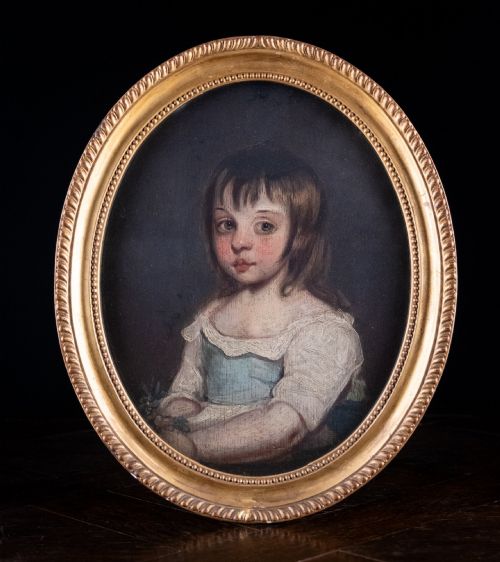
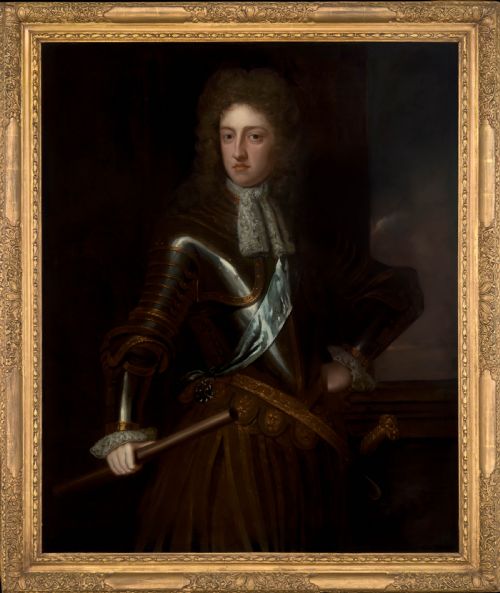
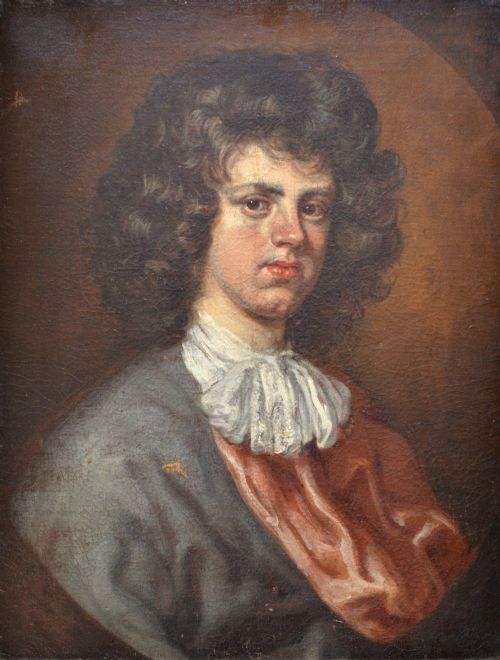
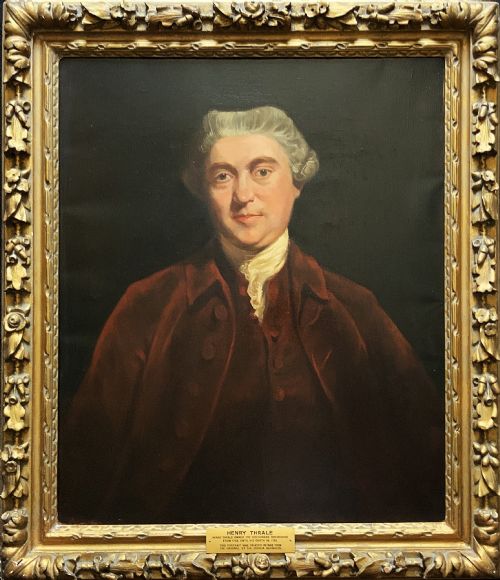
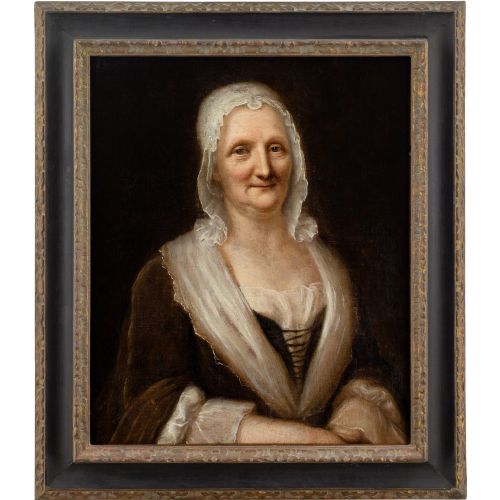
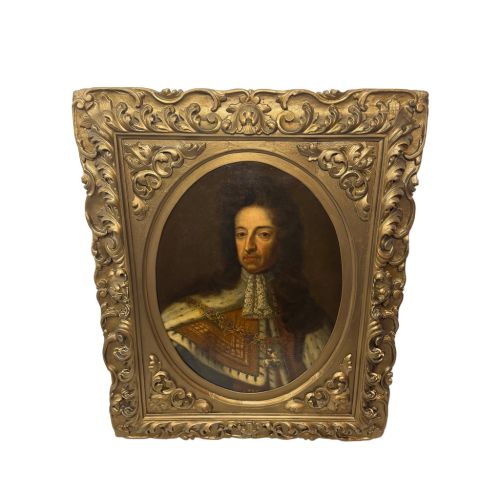
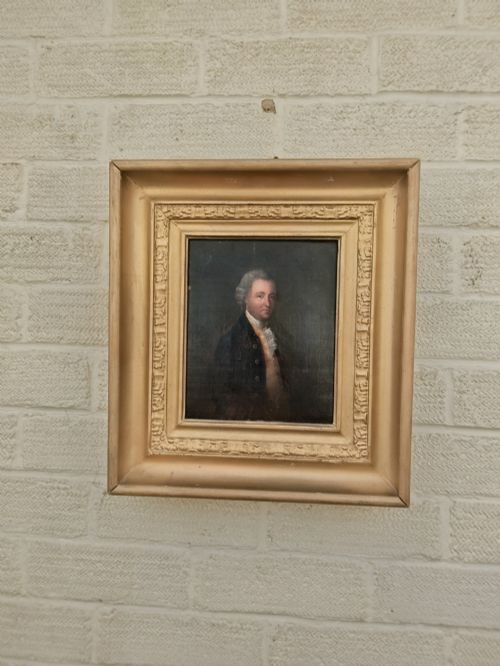
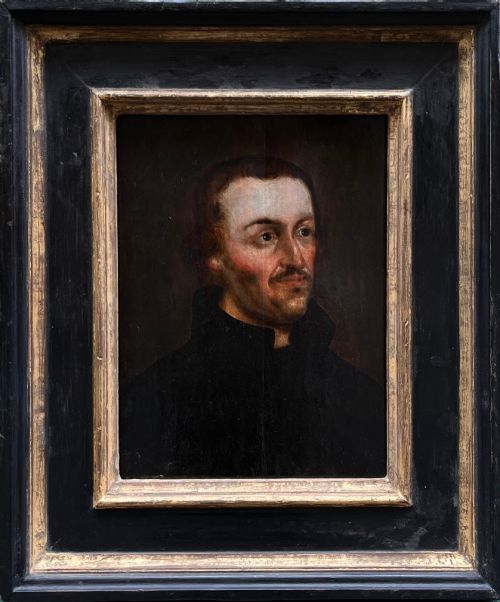
Historic portrait artwork spans centuries of painted faces, capturing noblewomen, officers and country girls in oil, canvas and wood.
Historic Portrait Artwork
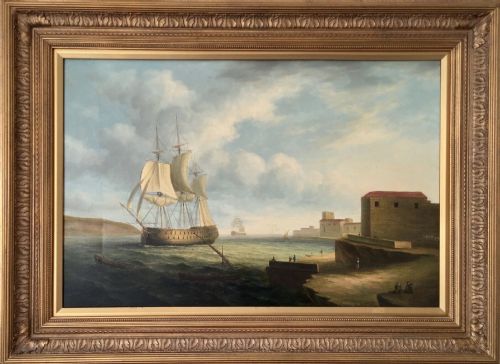
Historic portrait artwork encompasses oil paintings, watercolours and prints depicting identifiable individuals or character studies from past eras. The most frequent pieces on this page originate in the seventeenth and eighteenth centuries, executed by European and British schools.
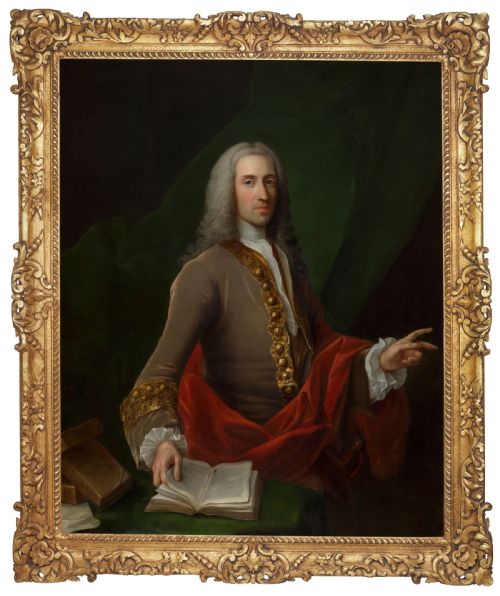
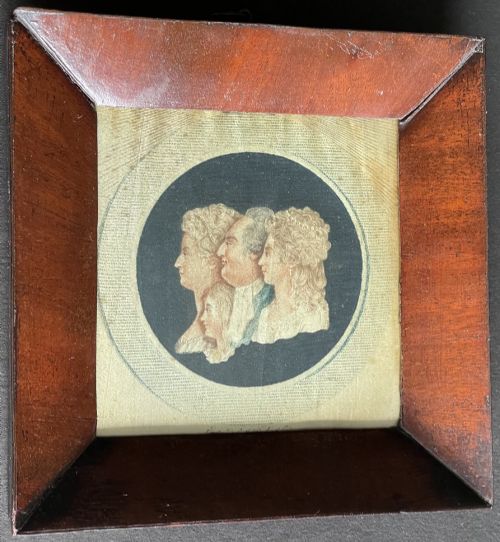
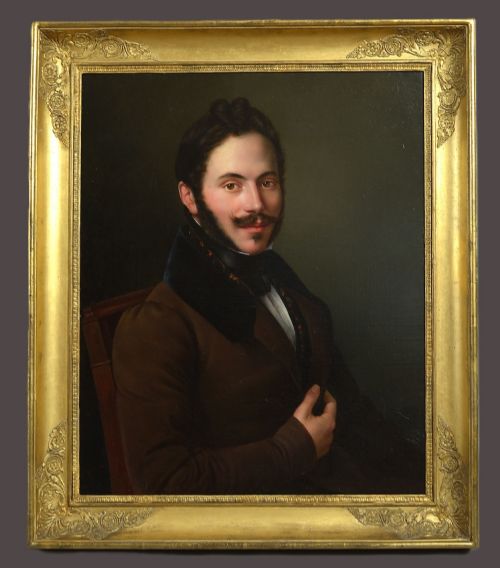
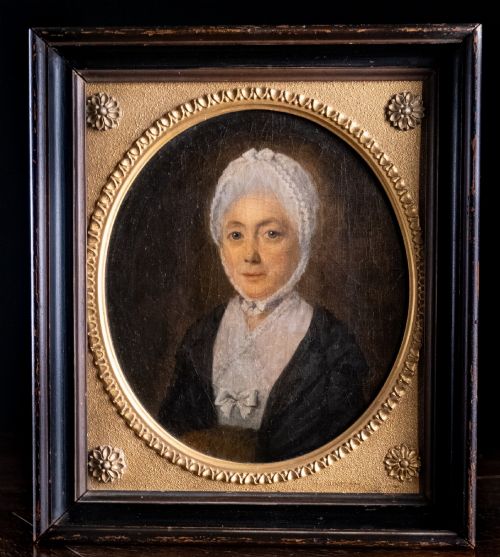
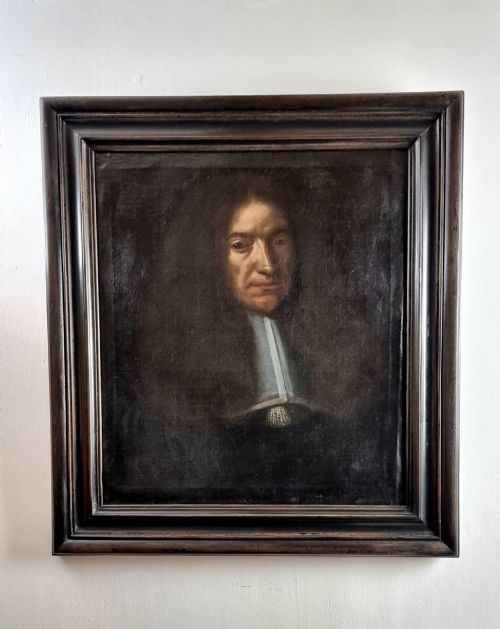
Subjects range from titled nobility and military officers to country girls and gentlemen with books. Forms include framed panels, oil on canvas, and reverse glass prints.
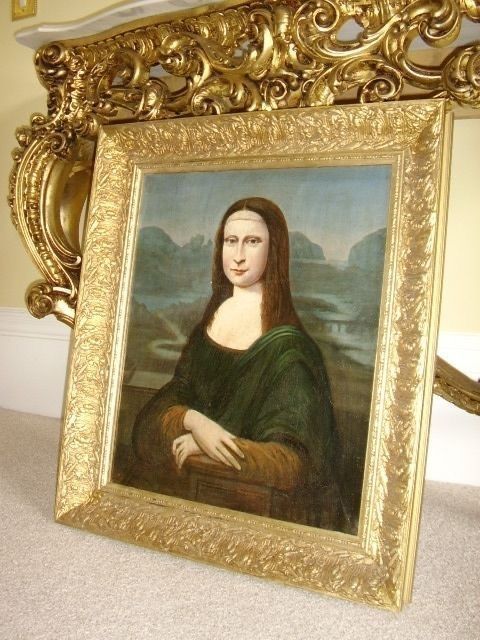
The selection reflects varied centuries including Georgian, Regency, and Victorian periods, alongside later twentieth-century interpretations after earlier masters.
Materials and construction methods
Makers applied oil paint to canvas, wood panels, or paper supports, occasionally utilising silk and glass. Frames employ carved giltwood and plain wood.
Techniques involve brushwork across panels and woven canvas, with watercolours on paper and detailed plumbago execution. Pigments layer to define lace jabots, armour and velvet robes.
Historic Portrait Artwork Retail Price Guide 2026
Typical asking prices for historic portrait artwork among the pieces listed under this phrase on Sellingantiques today, from the lower quarter to the upper quarter. They describe what is for sale here now, not the wider market.
Listings feature works spanning the 17th, 18th, and 19th centuries, utilising oil on canvas, wood panels, and watercolours.
Distinguishing quality factors
Quality rests upon the handling of facial expression, fabric textures like lace and velvet, and the psychological depth of the sitter. Skilled brushwork by documented hands or competent school circles elevates a piece above standard decorative copies.
The preservation of the original canvas, panel integrity, and the condition of the giltwood frame influence the overall standard of the artwork.
Sir Godfrey Kneller·Mary Beale·Edouard Pingret·Sir Joshua Reynolds·Frank Moss Bennett
The Historic Portrait Artwork Glossary
- Plumbago
- A drawing executed in graphite, taking its name from the Latin for lead ore. These detailed works often present crisp linear precision.
- Jabot
- A decorative lace or fabric ruffle attached to the front of a shirt. Artists used careful strokes to render its intricate folds.
- Giltwood
- Wood carved and coated with gold leaf or a gold-coloured finish. It provides ornate framing for historic canvases.
- Oil on panel
- A painting executed on a flat wooden board rather than stretched fabric. Panels offer a rigid surface for fine brushwork.
- Reverse glass print
- An image applied to the rear side of a glass sheet so the design is viewed through the front. This technique produces a smooth, reflective surface.
Historic Portrait Artwork: Frequently Asked Questions
What is historic portrait artwork?
Historic portrait artwork comprises painted or drawn likenesses of people from past centuries, executed in media such as oil, watercolour and print.
These pieces document the clothing, status and appearance of sitters from the seventeenth century onward.
How do I date a portrait?
Dating relies upon the sitter's costume, the style of hair and lace, and material evidence like the weave of the canvas or wood panel construction.
Inscribed dates or biographical details of the subject also help establish the period.
Where should I hang these paintings?
These works suit traditional reception rooms, studies, and hallways where stable light levels protect the pigments.
Keep them away from direct sunlight and excessive humidity to preserve the canvas and giltwood frames.
What subjects appear most often?
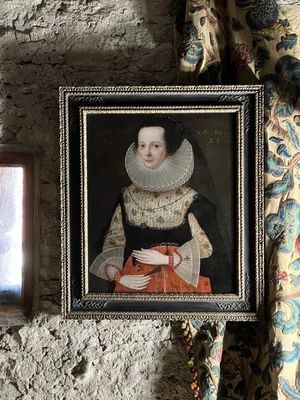
Subjects include gentlemen in armour, noblewomen in elaborate costume, military officers, and literary figures.
Artists also depicted clergy, children, and historical personages copied from earlier masters.