
Large Portrait Painting
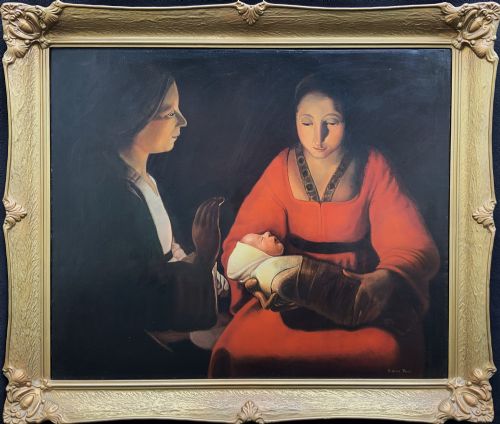
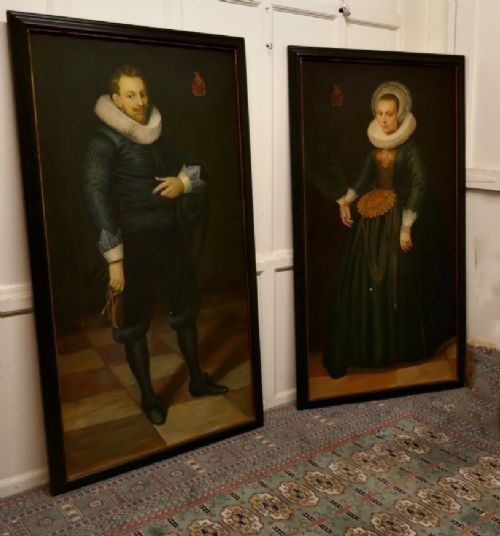
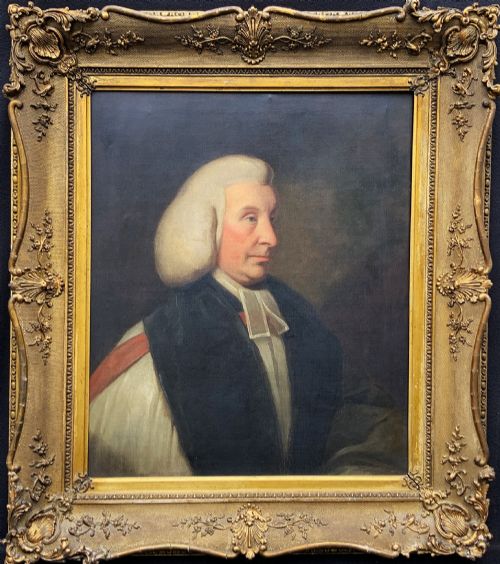
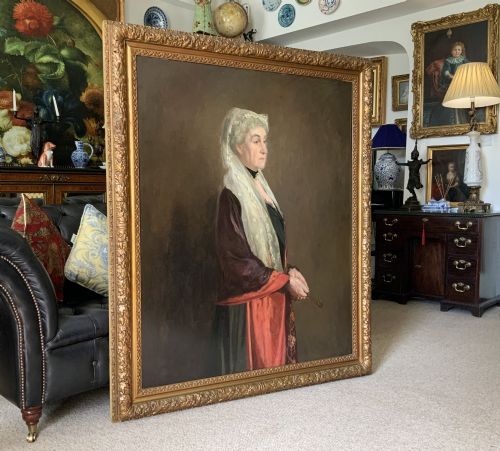
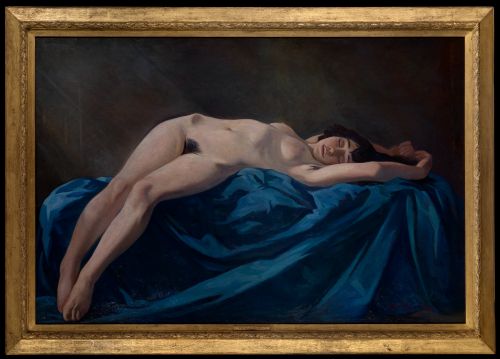
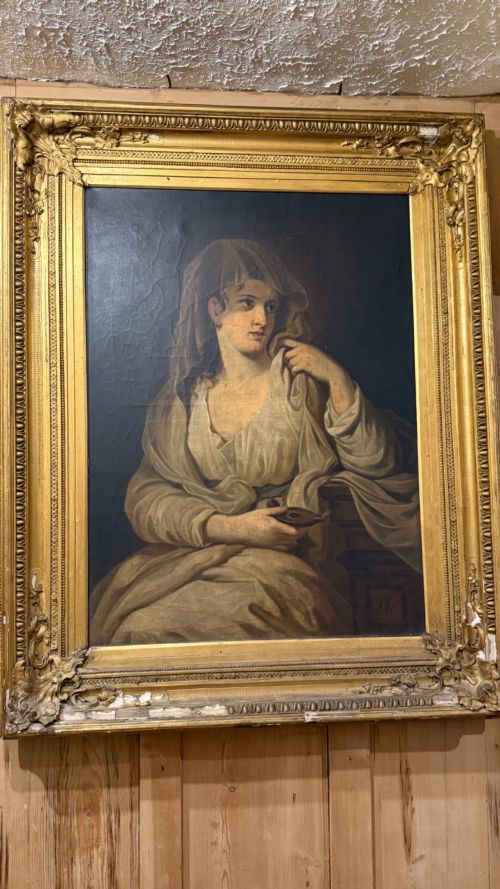
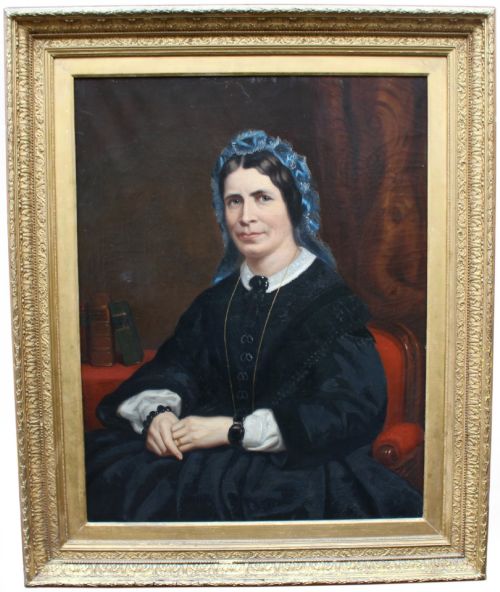
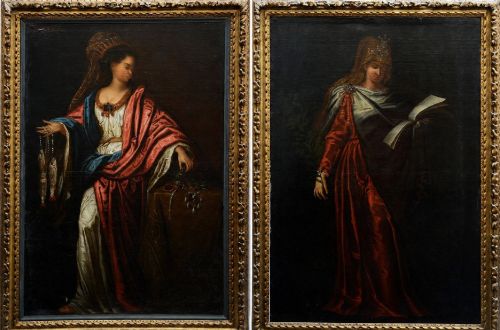
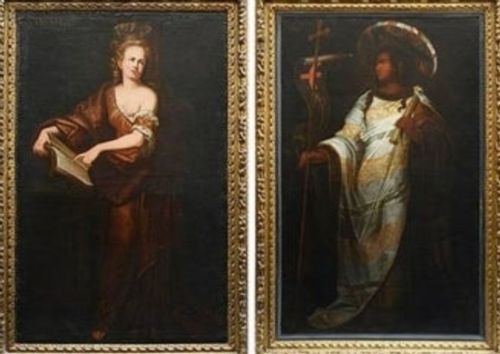
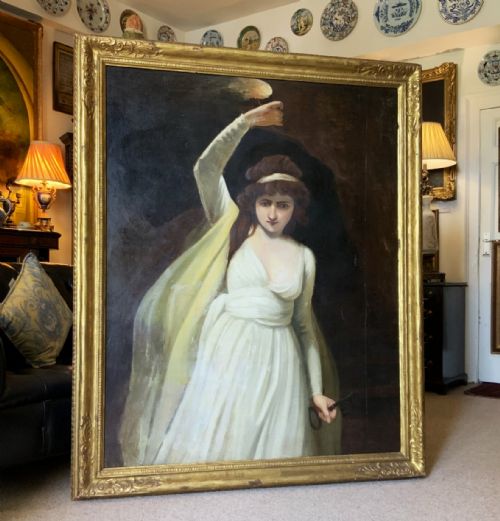
A large portrait painting commands a room through scale and presence, capturing historical figures, aristocrats, and anonymous sitters with striking psychological depth.
Large Portrait Painting
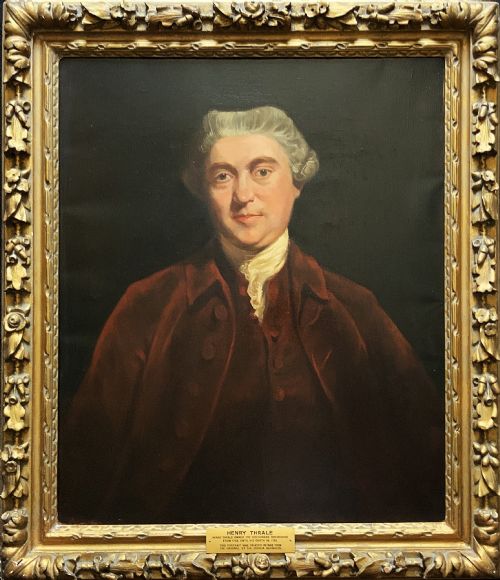
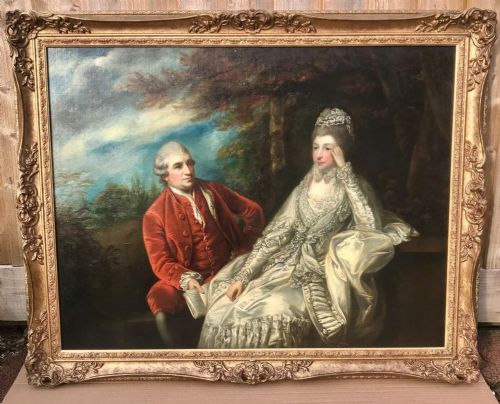
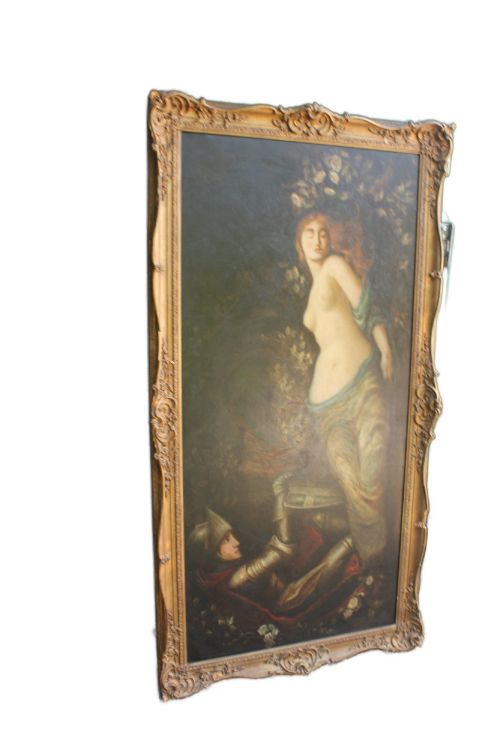
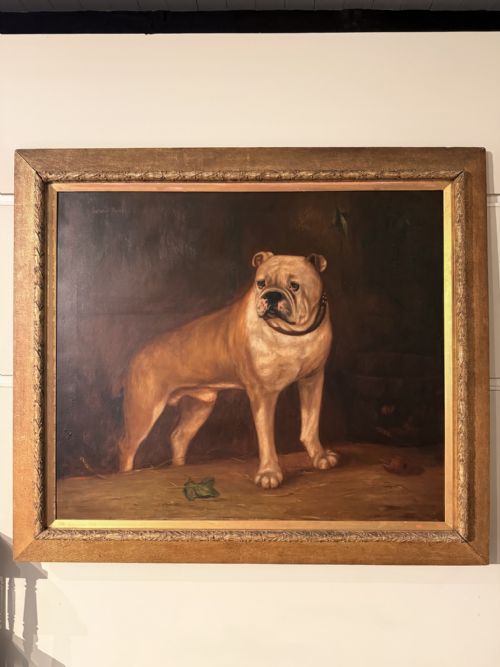
A large portrait painting search brings together imposing canvases and panels dating from the eighteenth century through the twentieth century, alongside regional variants and later copies after old masters. Buyers encounter aristocratic likenesses, military figures, clergy, and genre studies created across British, European, and Asian traditions.
Most pieces on this page are executed in oil on canvas or wood panels, though pastels, reverse paintings on glass, and gouache works also appear. Portraits frequently arrive housed within their original giltwood, egg and dart beaded, or ornate moulded frames.
Materials and construction methods
Painters built these compositions on woven canvas stretched across wooden frames, or directly onto rigid timber boards and occasionally vinyl surfaces. Artists applied layers of oil paint using varied brushwork, building translucent glazes for flesh tones and heavier impasto for garments and backgrounds.
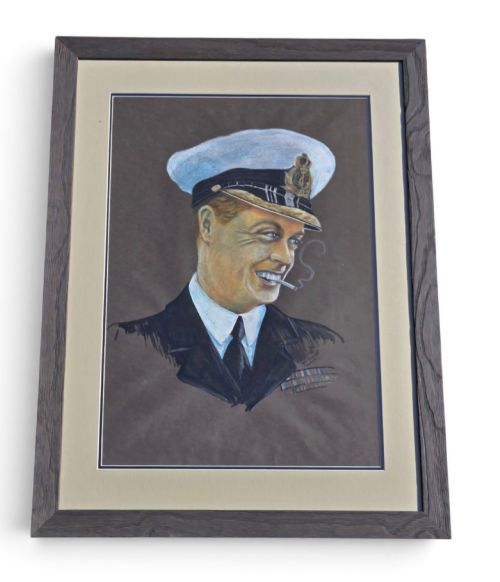
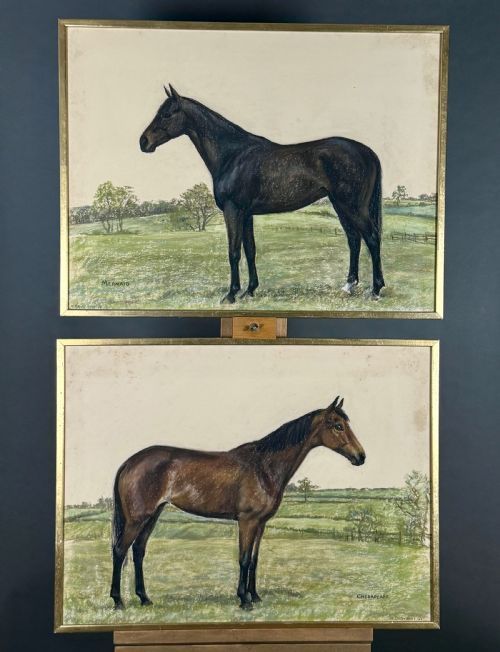
Pastel works utilised dry pigment sticks worked into paper or heavy card, capturing soft textures often protected beneath glass. Reverse paintings on glass required the artist to paint directly onto the rear plate, reversing the perspective so the final image read correctly from the front.
The inventory records regional British, Dutch, French, and Chinese portrait traditions across varied domestic and institutional subjects.
Distinctions in execution and preservation
The distinction between standard decorative portraits and exceptional fine art lies in the handling of the sitter's anatomy, expression, and drapery. Master painters captured convincing bone structure and skin luminosity, whereas lesser studio copies relied on stiff formulas and flat pigmentation.
Conservation history heavily influences overall worth, as original unlined canvases with stable craquelure command greater respect than heavily overpainted or structurally compromised surfaces. The survival of period-correct giltwood frames in sound condition also elevates the complete object.
John Opie RA·Sir Joshua Reynolds·Harold Knight RA·George Watson·Cornelis Van Der Voort
The Large Portrait Painting Glossary
- Craquelure
- The fine network of minute cracks appearing across the surface of aged oil paint and varnish layers. It serves as a reliable indicator of age and drying processes.
- Impasto
- Paint applied thickly to a canvas, standing in relief above the surrounding plane. This technique adds tactile three-dimensional texture to fabrics or highlights.
- Giltwood
- Timber carved and coated with a thin layer of gold leaf or metallic powder. It is commonly found on ornate antique picture frames.
- Provenance
- The documented history of ownership associated with an artwork. It establishes authenticity and traces the lineage of the piece from its creation.
- After
- A term indicating the work is a copy executed by a later artist following an established master painting. These pieces frequently replicate famous museum compositions.
Large Portrait Painting: Frequently Asked Questions
How do I hang a heavy portrait?
Large framed canvases demand robust picture hooks secured directly into wall studs or masonry using appropriaterawl plugs. Due to the substantial weight of timber frames and glass, wire alone is often insufficient; utilise heavy-duty D-rings screwed firmly into the strainer bars.
Position the centre of the canvas at average eye level to ensure proper visual balance within the room. Allow adequate clearance from direct heat sources and sunlight to protect the aged oil pigments and canvas tension.
Are these works original or copies?
The inventory contains a mix of original life-sittings and historical copies created after renowned masters such as Rembrandt, Van Dyck, and Sir Joshua Reynolds. Catalogues explicitly state when a piece is painted after another artist or produced within a specific studio circle.
Original works feature primary documentation or stylistic evidence tying the sitter to a specific period hand. Studio copies from the nineteenth century hold independent merit for their high technical skill and framing quality.
What framing styles match these portraits?
Period portraits typically feature heavy giltwood frames adorned with moulded plaster ornament, egg and dart motifs, or deep sight edges. These surrounds were chosen to project status and complete the visual weight of the composition.
Matching a nineteenth-century canvas with an appropriate Victorian or Georgian frame enhances historical context. Ensure the rebate depth of the moulding safely accommodates the stretcher without pinching the canvas.