



French Gentleman Painting
A french gentleman painting brings historical character into a room through oil portraits and genre scenes spanning several centuries.
French Gentleman Painting
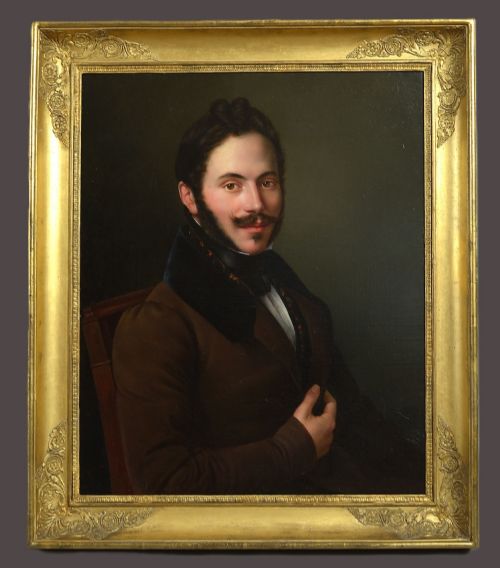
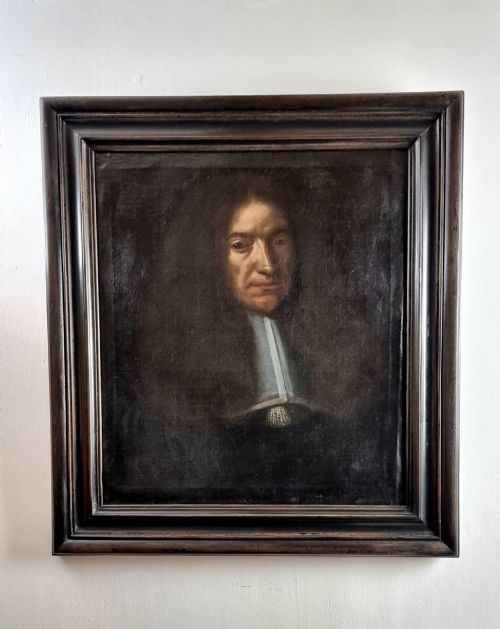
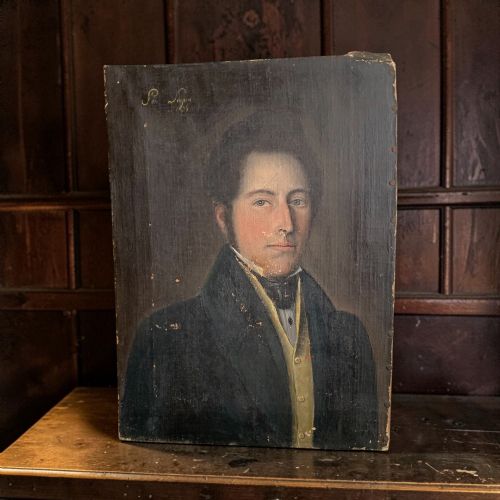
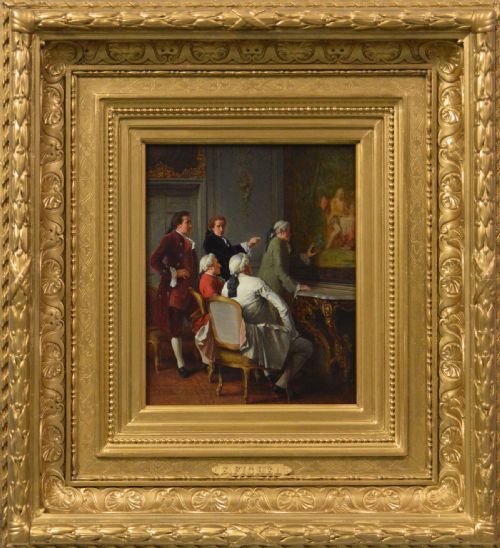
A french gentleman painting depicts male subjects in oil on canvas or panel, originating from periods such as the seventeenth, eighteenth, and nineteenth centuries. These works include formal portraits of judges, military officers, and nobility, alongside historical genre scenes showing gentlemen in armour, hunting attire, or playing cards.
The pieces on this page are most frequently nineteenth-century oils, alongside earlier seventeenth and eighteenth-century examples from the French School. Buyers encounter framed portraits and narrative compositions that record changing fashions in costume, from lace jabots to military cloaks.
Materials and Construction
The works rely primarily on oil pigment applied to stretched canvas or wooden panels, framed in giltwood or carved wood. Painters built up portraits through layered brushwork to render fabrics like velvet, lace, and steel armour.
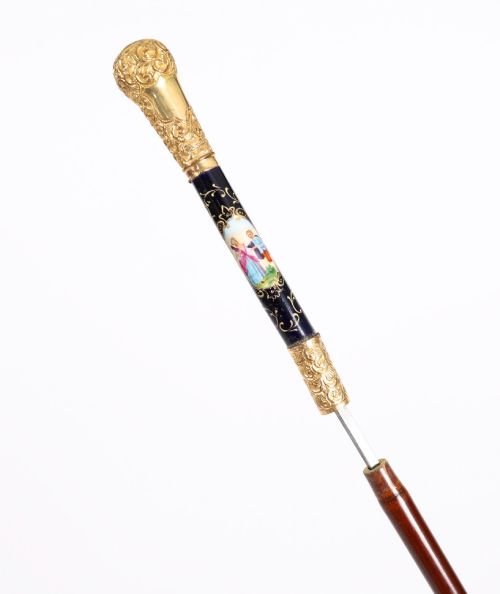
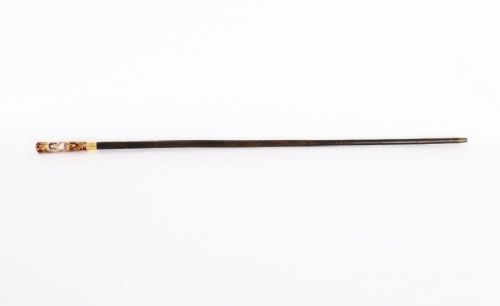
Some related pieces incorporate decorative elements such as gilt plate and porcelain applied to walking sticks or sword sticks rather than canvas.
Listings feature oil on canvas, oil on panel, giltwood frames, and porcelain components across several centuries.
Assessing Quality and Execution
Quality rests on the precision of the facial likeness, the handling of textile textures such as lace or armour, and the attribution to a recognised hand or school. Stronger examples display depth in the subject's expression and careful anatomical drawing.
The preservation of the original oil surface and the quality of the period framing also separate standard decorative works from pieces with strong art-historical provenance.
Edouard Pingret·Joseph Vivienne·Benjamin Eugene Fichel·Ferdinand Victor Leon Roybet·Hyacinthe Rigaud·Marcel Brunery·Adolphe Alexandre Lesrel·Michel Hubert-Descours
The French Gentleman Painting Glossary
- Oil on canvas
- Pigment mixed with drying oil applied to a woven fabric support. This remains the primary medium for historical portraits.
- French School
- A term used to describe artists working in France who shared stylistic traditions without necessarily belonging to a specific academy.
- Genre painting
- The pictorial representation of scenes from everyday life involving human subjects. These works often show gentlemen in narrative settings.
- Giltwood
- Wood carved and coated with a thin layer of gold leaf. Frames from the seventeenth and nineteenth centuries often use this finish.
- Jabot
- A decorative ruffle attached to the front of a shirt. This garment detail helps date eighteenth-century portraits.
French Gentleman Painting: Frequently Asked Questions
What periods do these paintings cover?
The selections span from the seventeenth century through the Regency era and into the late nineteenth and early twentieth centuries.
Most works belong to the nineteenth century, with significant representation from earlier French schools.
How do I identify the subject's status?
Costume and accessories provide clear indicators of social standing within the portrait. Armour, lace jabots, velvet cloaks, and letters denote military rank, judicial office, or aristocratic status.
Inscriptions on the canvas or reverse often supply specific names and dates.
Are these works framed?
Many oil paintings retain period frames constructed from giltwood or carved wood. These surrounds match the era of the canvas.
Buyers should check individual listings to confirm whether a specific frame is included.
What is a genre painting?
Genre paintings depict ordinary people in everyday situations rather than formal posed portraits. In this collection, those scenes show gentlemen engaged in activities like playing cards or hunting.
These narratives offer insight into historical pastimes and clothing.
How should I care for an oil on canvas?
Oil paintings require stable indoor humidity and protection from direct sunlight to prevent canvas degradation and pigment fading. Dusting should be done gently with a soft, dry brush.
Professional conservators should handle any cleaning or structural repairs.