
Classical Portrait Artwork
Classical portrait artwork brings historical figures and mythological subjects into a room, offering a direct link to centuries of painting and printmaking traditions.
Classical Portrait Artwork
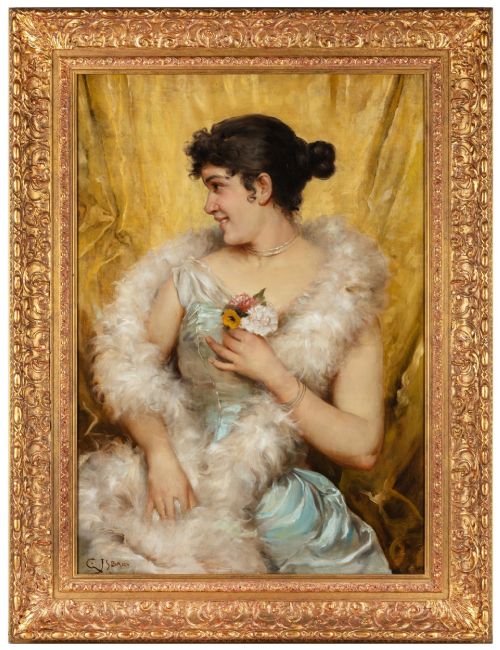
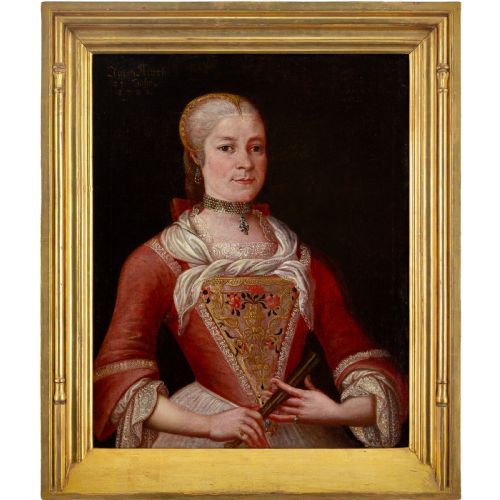
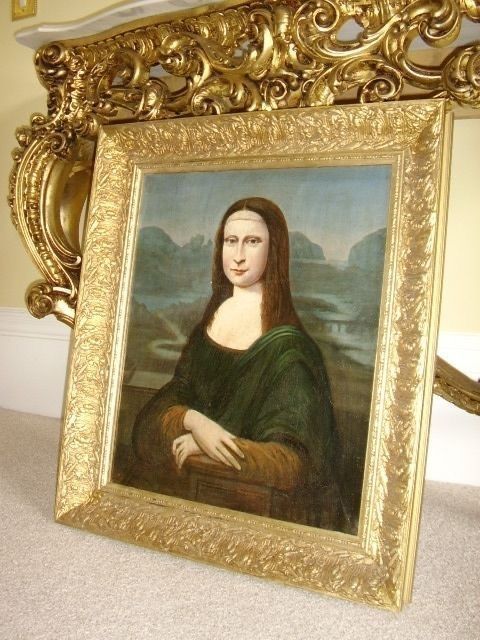
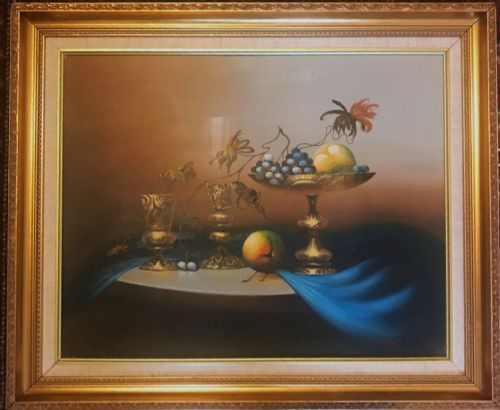
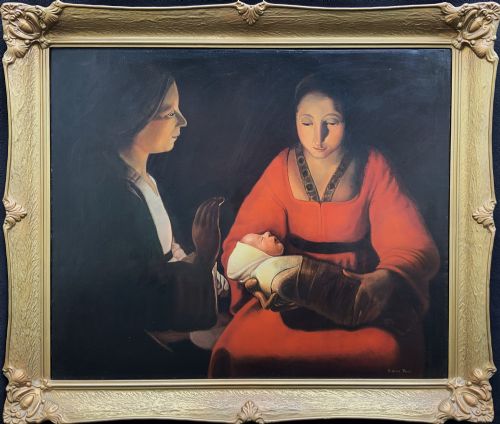
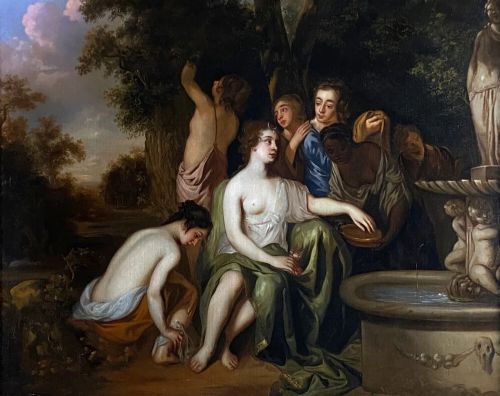
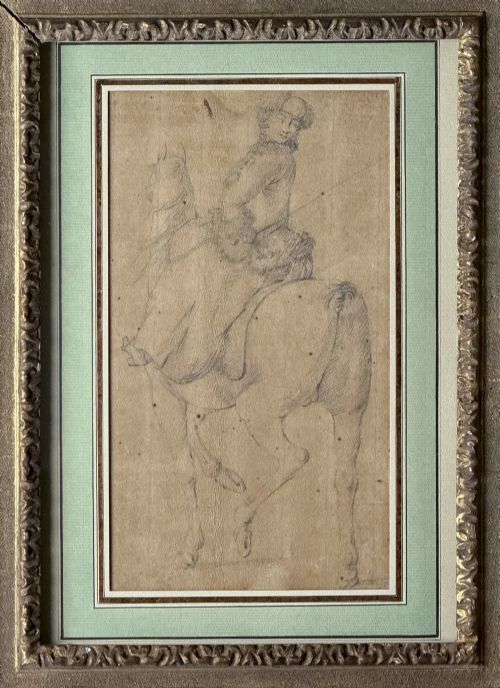
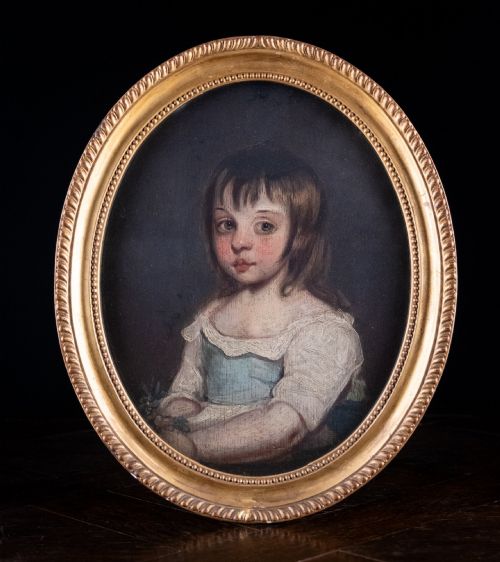
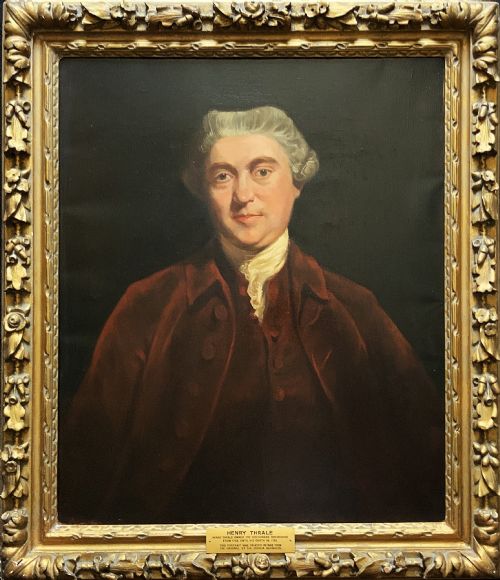
Classical portrait artwork encompasses oil paintings, pastels, watercolours, and engravings created across the seventeenth, eighteenth, and nineteenth centuries. These works frequently depict historical figures, nobility, and mythological scenes interpreted through classical artistic traditions.
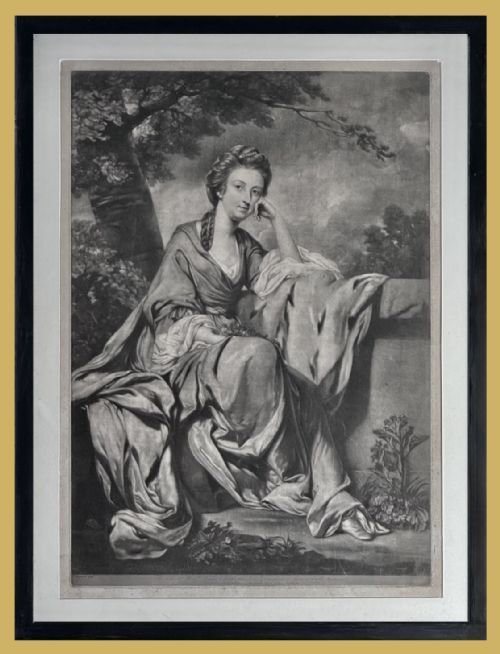
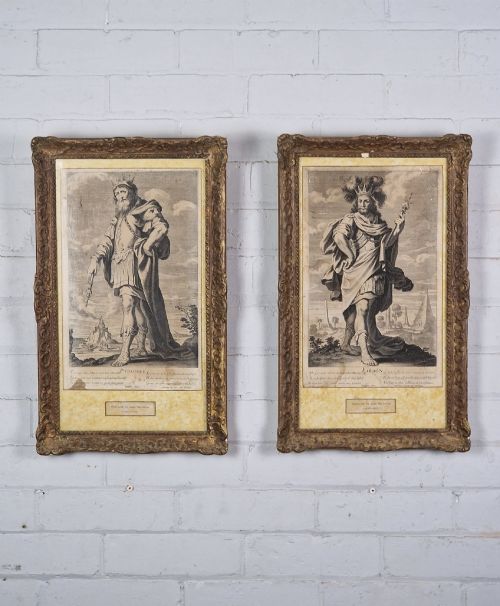
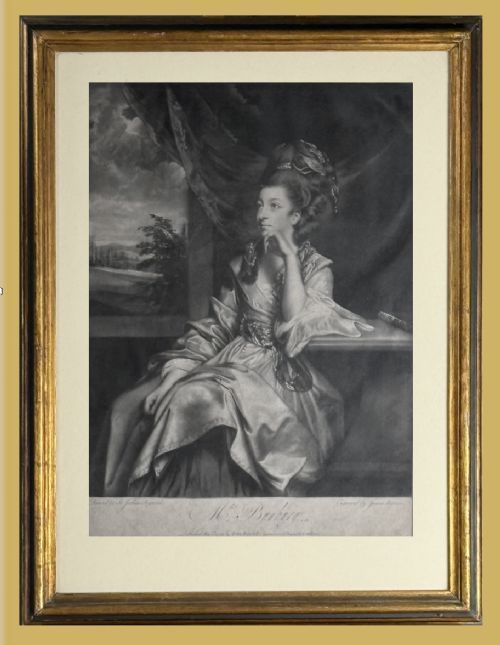
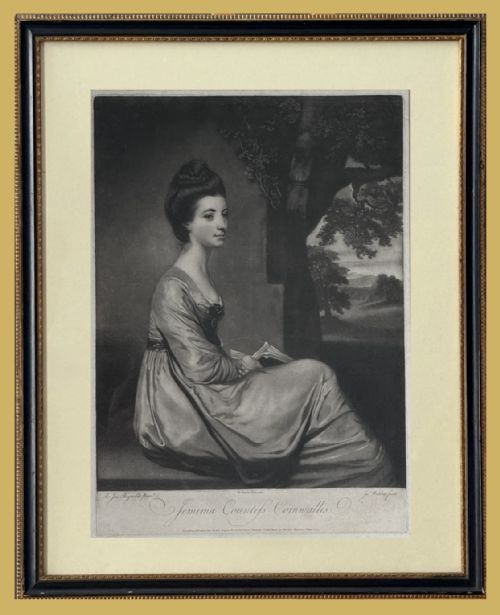
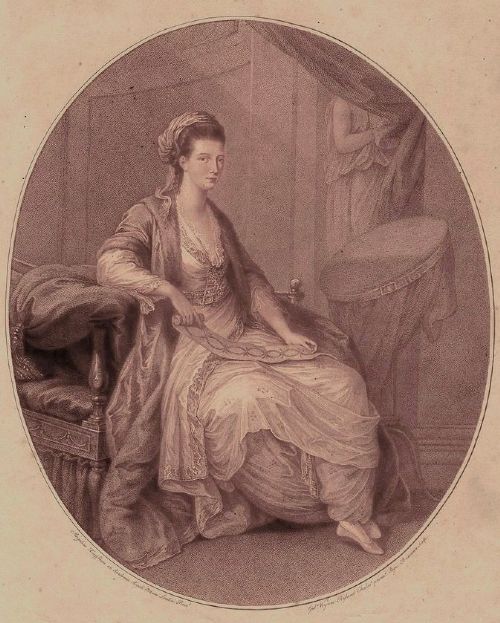
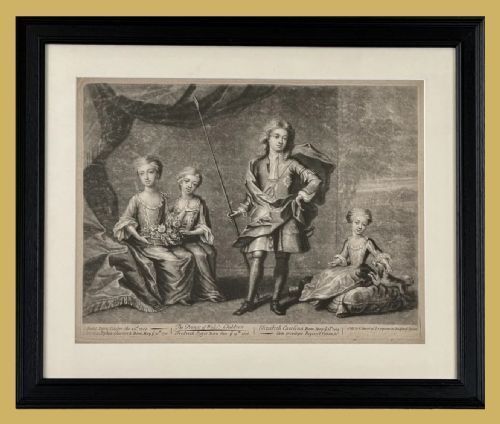
Buyers encountering this selection will find original oil on canvas pieces, delicate drawings, and period mezzotint engravings. Many works reflect the enduring influence of Renaissance and Baroque aesthetics adapted by later European schools.
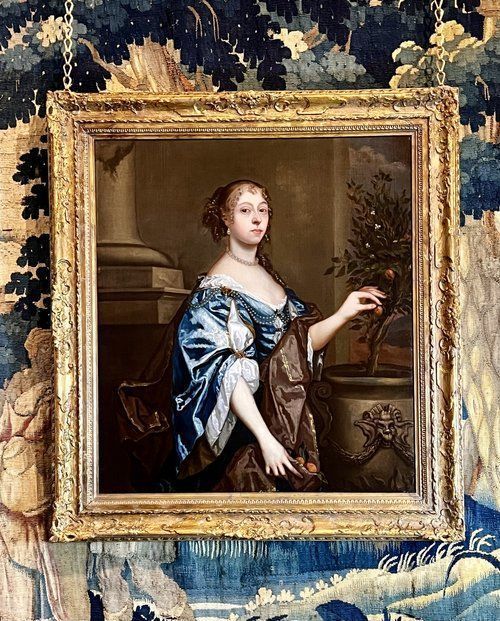
Subjects range from individual sitters such as duchesses and country girls to allegorical pairs and religious compositions. The selection bridges formal portraiture with narrative mythological studies rendered in period mediums.
How they were made
Makers utilised traditional oil on canvas techniques, applying pigments to woven supports alongside works created on paper using pastel, chalk, and watercolour. Mezzotint and stipple engraving methods allowed popular painted portraits to be reproduced in monochrome multiples.
Frames form an integral part of the construction, frequently employing carved wood, gilt, and gold leaf to house the canvas or print securely. Structural joinery in the framing often matches the period of the artwork contained within.
Several portraits capture subjects mid-action, including a lady persistently picking oranges and various deities being actively disarmed.
What varies in quality
Execution of the subject sets apart the finest examples, seen in the subtle rendering of facial expressions, drapery folds, and anatomical proportion. Master painters and skilled engravers achieved a depth of character and tonal graduation absent in routine studio copies.
Condition of the medium and the preservation of the original support influence the standing of a piece. Intact canvas tension, minimal pigment stabilization, and authentic period framing contribute to the overall integrity of the work.
Edward Fisher·Sir Joshua Reynolds·James Watson·Pieter Borsseler·Charles Antoine Coypel·John Opie
The Classical Portrait Artwork Glossary
- Mezzotint
- A printmaking process of the intaglio family where the plate is roughened uniformly to allow dark tones, and scraped or smoothed to produce lighter areas. This technique yielded rich gradations particularly suited to portraiture.
- Stipple engraving
- A method of producing prints by means of dots rather than lines, allowing delicate tonal variations and flesh rendering. It gained widespread popularity in eighteenth-century reproductive printmaking.
- Oil on canvas
- Pigments bound in a drying oil applied to a stretched fabric support. This combination offered artists durability, flexibility, and the ability to work in rich layers.
- Gilt wood
- Timber treated with a thin layer of gold leaf or metallic powder applied over a prepared surface. It provided opulent framing for significant paintings and mirrors.
- Baroque
- An artistic style prevalent from the seventeenth into the eighteenth century characterised by dynamic movement, deep shadow, and dramatic emotional intensity. It heavily influenced portrait composition and theatrical lighting.
Classical Portrait Artwork: Frequently Asked Questions
What periods do these portraits cover?
The works span from the sixteenth century through the Victorian era, capturing shifts in European aesthetic movements.
Earlier pieces lean towards Renaissance and Baroque influences, while later items reflect nineteenth-century realism and revival styles.
How were these artworks displayed historically?
Paintings and framed engravings were hung in country houses, civic buildings, and formal reception rooms to project lineage or cultural taste.
Pairs and sets were often arranged symmetrically to balance wall elevations in classical interiors.
Are these works original or reproductions?
The selection includes both original hand-painted oils and period print reproductions such as mezzotints and engravings.
Many prints were created after famous painted compositions by established masters of the period.
How do I identify a print from an oil painting?
Close inspection under magnification reveals the pigment texture of canvas works versus the inked dot or plate mark patterns of engravings.
Original drawings and pastels present on paper surfaces behind glass, distinct from woven fabric supports.