


Early Art Deco Painting
An early art deco painting captures the bold modernist transition from Edwardian convention, offering striking portraits and decorative works that anchor any interior scheme.
Early Art Deco Painting
Early art deco painting represents a dynamic intersection of portraiture and decorative arts created during the early twentieth century. These works reflect the stylistic shift away from earlier aesthetics toward the sleek, geometric lines associated with the emerging modern era.
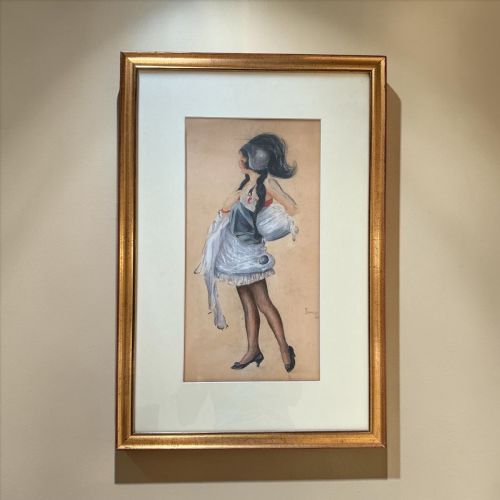
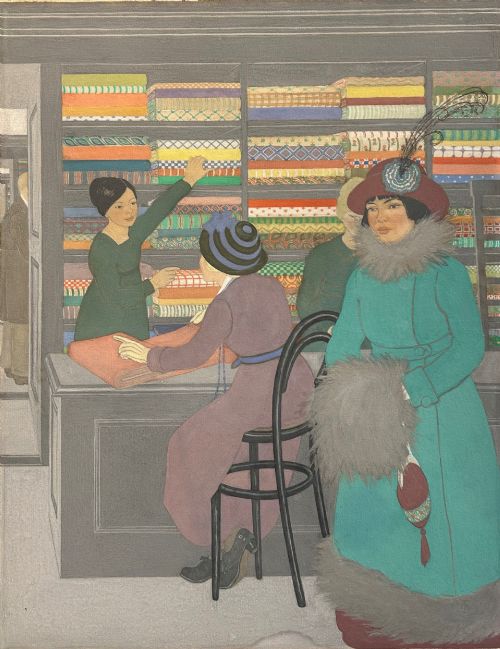
The selections available here span oils, watercolours, and pastel portraits depicting young ladies and landscape scenes. Pieces often date from the decades around nineteen twenty and nineteen thirty, capturing the spirited visual language of the period.
Buyers frequently encounter framed portraits alongside watercolour design studies for pottery dishes. This mix highlights how fine art and applied design intersected during the evolution of the movement.
Materials and methods of production
Artists working in early art deco painting utilised oil on wood panel, traditional watercolours on paper, and pastel on paper. These traditional supports carried the fresh stylistic expressions of the interwar years.
Many works incorporate framed presentations featuring decorative mouldings that complement the visual weight of the paintings. Pigments and media were applied with careful attention to line and mood, preserving the likeness and character of the subjects.
Some artists designed decorative motifs for turkey and pheasant dishes before turning their hands to fine art portraits.
Evaluating quality and execution
Quality in early art deco painting rests upon the confidence of the brushwork and the expressive capture of the subject. Masterful handling of light and proportion elevates a portrait far above standard commercial output.
The preservation of the original surface, whether oil paint on wood panel or delicate pastel, determines the integrity of the piece. Strong composition and clear artist signatures provide further distinction among surviving examples.
Margaret Fisher Prout·Albert Guillaume·Susie Lassam·Beatrice Saunders
The Early Art Deco Painting Glossary
- Oil painting
- A work created using pigments bound with a drying oil, typically applied to canvas or wood panel. This medium allows for rich colour depth and blended transitions.
- Watercolour painting
- A method where water-soluble pigments are used on paper to produce luminous, translucent effects. It is frequently found in preliminary design studies and portraits.
- Pastel portrait
- A picture drawn with powdered pigment sticks pressed into dry paste, capturing soft textures and immediate expressions. These works require protective framing behind glass.
- Wood panel
- A rigid flat support used by artists instead of canvas, offering a stable surface for oil applications. Panels are common in historical works from this era.
Early Art Deco Painting: Frequently Asked Questions
What defines an early art deco painting?
These works combine traditional media like oil or watercolour with the emerging modern sensibilities of the early twentieth century. They often feature portraits of elegant figures or decorative design studies.
The style bridges late nineteenth-century portraiture with the geometric precision that defined the interwar period.
How should I display a pastel portrait?
Pastel works on paper require careful framing behind glass to protect the dry pigment from disturbance and moisture. Keeping them out of direct sunlight prevents the colours from fading over time.
Ensure there is a spacer between the glass and the artwork so the delicate surface does not touch the glazing.
Are these paintings signed by artists?
Many surviving pieces feature artist signatures, dates, or handwritten inscriptions that help establish their origin. Documentation such as signatures adds significant interest for collectors.
Unsigned works still offer strong aesthetic value when the execution and period characteristics are clear.
What subjects are most common?
Portraiture of young ladies and elegant figures dominates the surviving selection of paintings from this era. Landscapes and decorative design studies for pottery also appear in the archive.
These subjects reflect the cultural interests and fashionable aesthetics of the nineteen tens and twenties.