

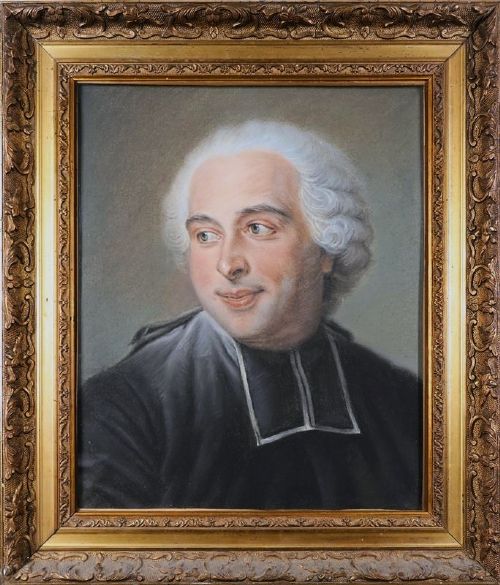
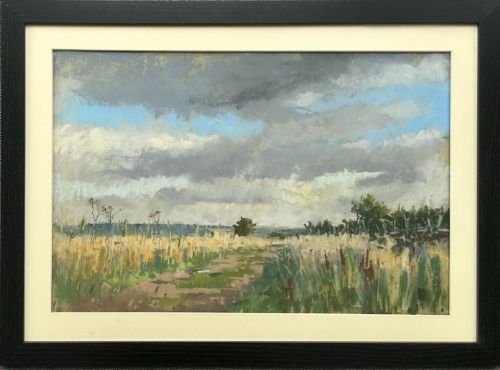
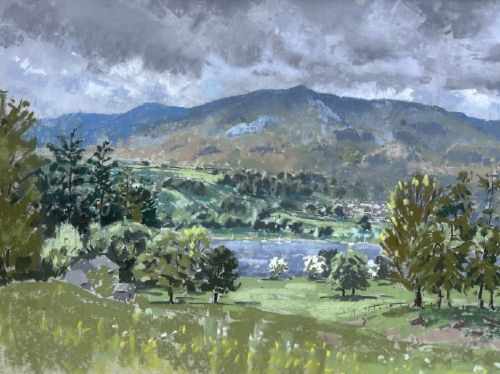
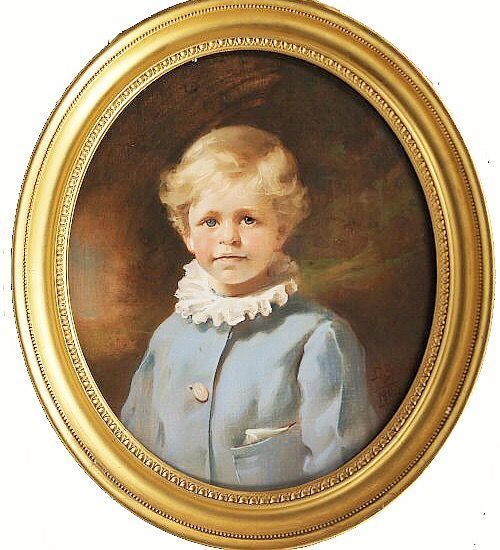

Framed Pastel Picture
A framed pastel picture brings a soft, tactile depth to a wall that neither oil nor watercolour quite manages.
Framed Pastel Picture
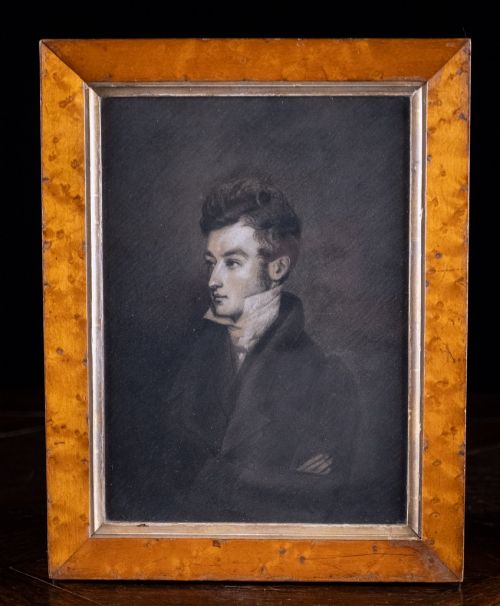
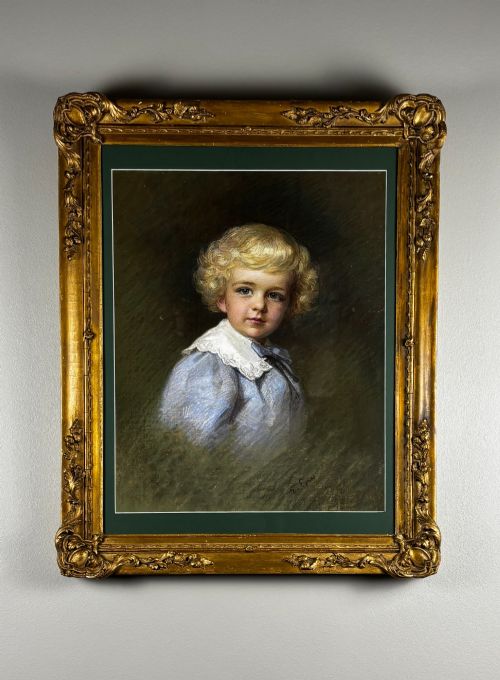
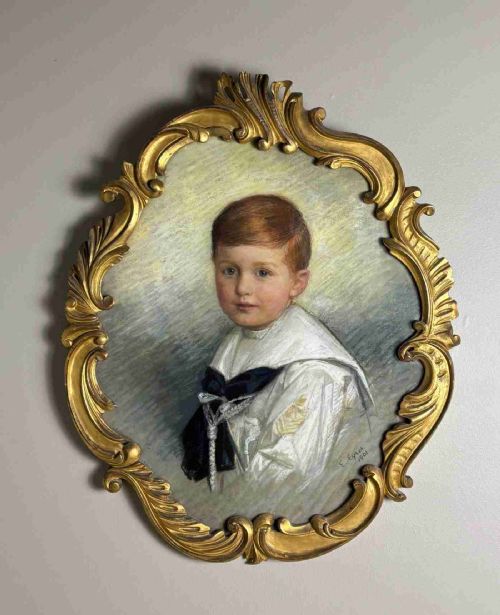
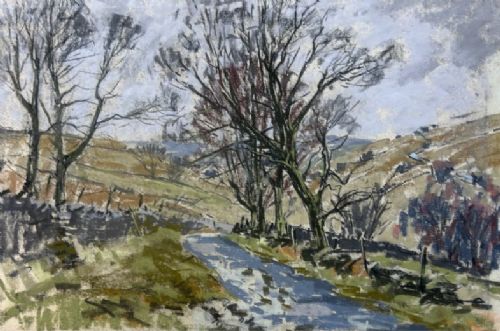
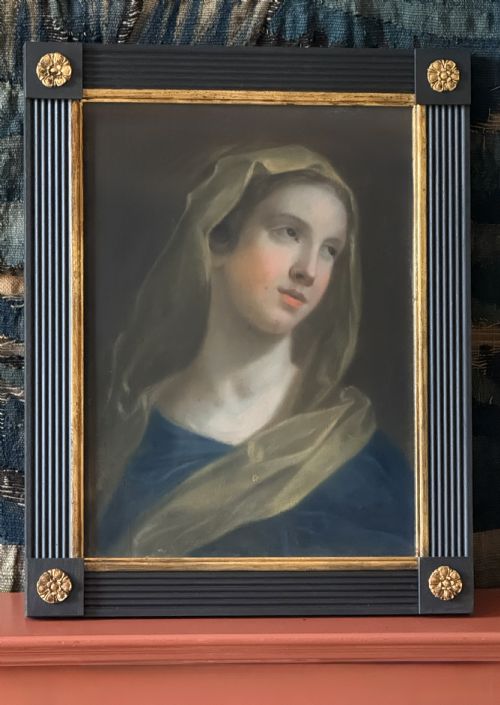
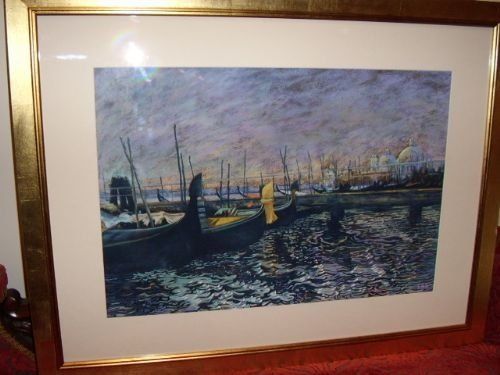
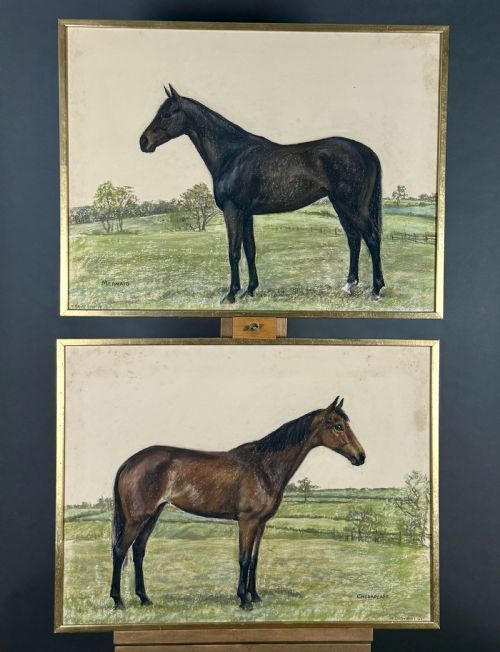
A framed pastel picture combines dry pigment with paper, canvas, or coloured paper, often secured beneath glass to protect the delicate chalk surface. These works span centuries of domestic and studio art, taking the form of intimate portraiture, landscape, still life, and animal studies.
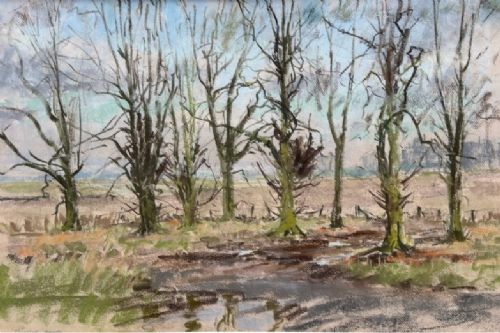
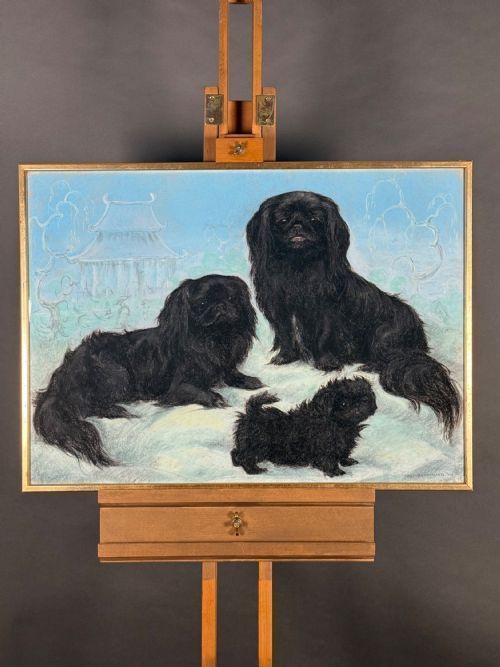
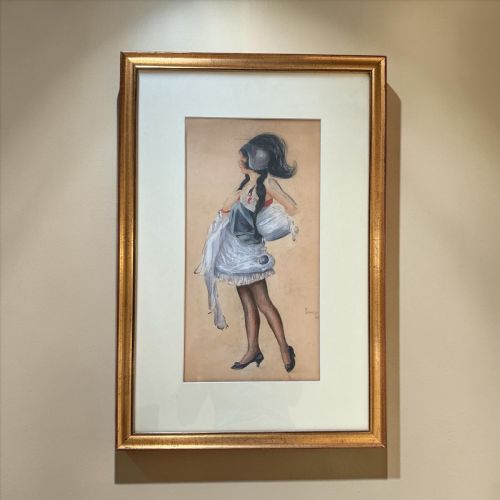
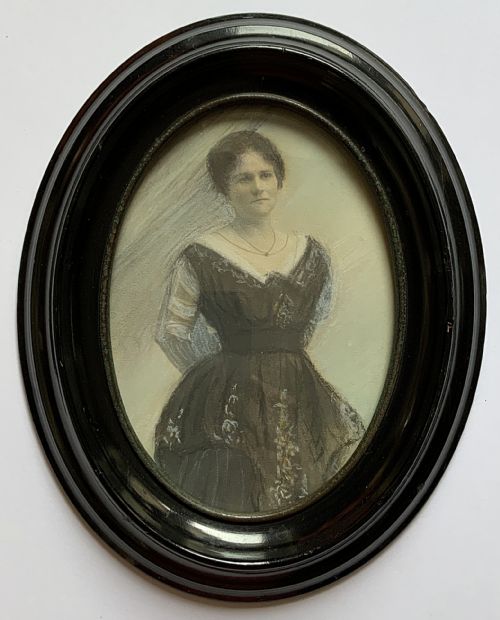
The versions most common on this page range from nineteenth-century portraits to mid-twentieth-century landscapes and animal studies. Buyers encounter subjects from horses and dogs to coastal views and detailed human portraits, typically housed in period wooden or gilded frames.
How they were made
Artists form these pieces using sticks of compressed pure pigment, sometimes combined with gouache, watercolour, or chalk on paper or prepared canvas. The dry medium relies on the tooth of the paper to hold the pigment particles in place.
Framing is an integral part of the construction, utilising wood, giltwood, or walnut surrounds paired with glass to prevent the friable pigment from smudging or lifting over time.
Framed Pastel Picture Retail Price Guide 2026
Typical asking prices for framed pastel picture among the pieces listed under this phrase on Sellingantiques today, from the lower quarter to the upper quarter. They describe what is for sale here now, not the wider market.
Listings feature works executed on paper, canvas, and coloured paper, utilising materials from gouache to walnut frames.
What varies in quality
Quality rests in the sureness of the hand and the preservation of the delicate pigment layers beneath the glass. Stronger works demonstrate a confident command of light, tone, and texture without excessive smudging or heavy-handed retouching.
The integrity of the mounting matters greatly, as pastel requires a small gap between the paper surface and the glass to prevent the pigment from transferring over decades.
Maurice Quentin de la Tour·Emily Eyres·John Rattenbury Skeaping·Cecil Charles Windsor Aldin·John Hobson Nicholson
The Framed Pastel Picture Glossary
- Pastel
- A dry painting medium consisting of powdered pigment and a binder rolled into sticks. It produces velvety colours that sit directly on the support.
- Gouache
- An opaque water-based paint frequently used alongside pastel to add highlights and solid areas of tone.
- Giltwood
- Wood carved and coated with a thin layer of gold leaf, commonly found on nineteenth-century picture frames.
- Tooth
- The texture or roughness of paper that allows dry pastel pigment to grip the surface effectively.
Framed Pastel Picture: Frequently Asked Questions
Where should I hang a pastel picture at home?
Position your artwork away from direct sunlight and damp spaces like kitchens or bathrooms. Prolonged exposure to intense light causes the delicate pigments to fade.
Stable indoor temperatures protect both the paper support and the antique wooden frame from warping or cracking over time.
Why are pastels displayed under glass?
Pastel pigment consists of dry powder held loosely to the paper by its initial application and the paper's texture. Glass creates a protective physical barrier against dust, moisture, and accidental touching.
Without this barrier, the slightest friction can displace the fine particles and ruin the image.
How can I tell the age of the frame?
Examine the joinery, backboards, and the type of gilding or wood used in the construction. Older frames often feature hand-cut corner joints, early fixings, and oxidized patination on the wood.
Subtle signs of wear and traditional corner construction help separate Victorian and Edwardian framing from modern reproductions.