


Pastel Female Portrait
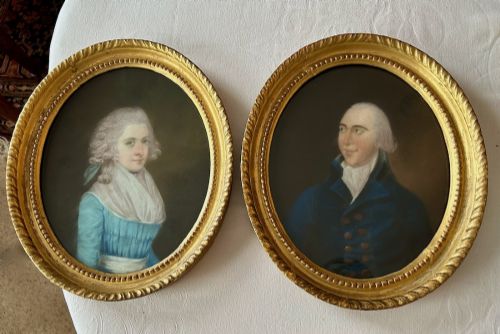
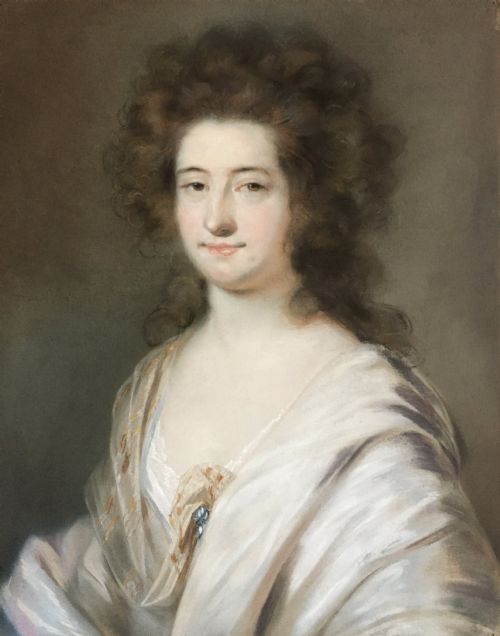
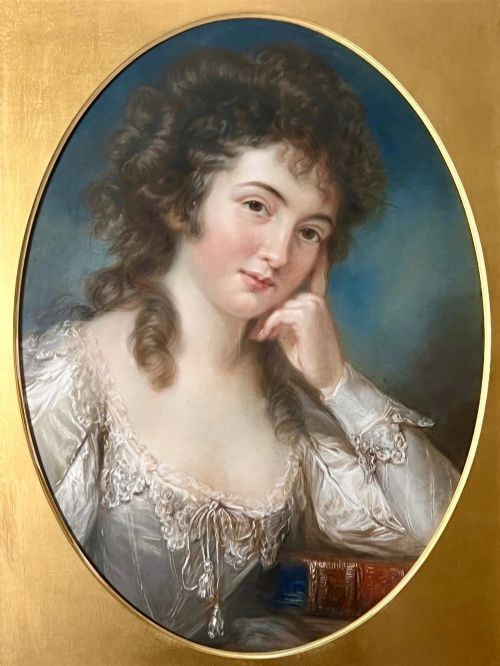
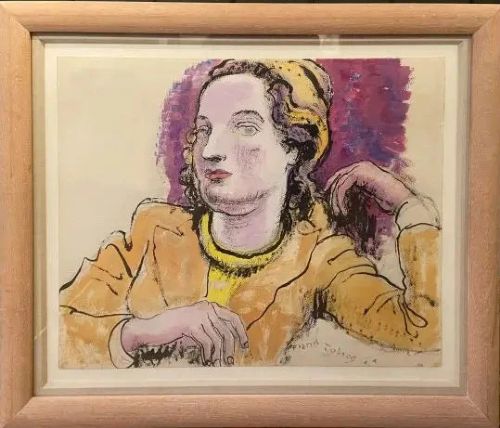
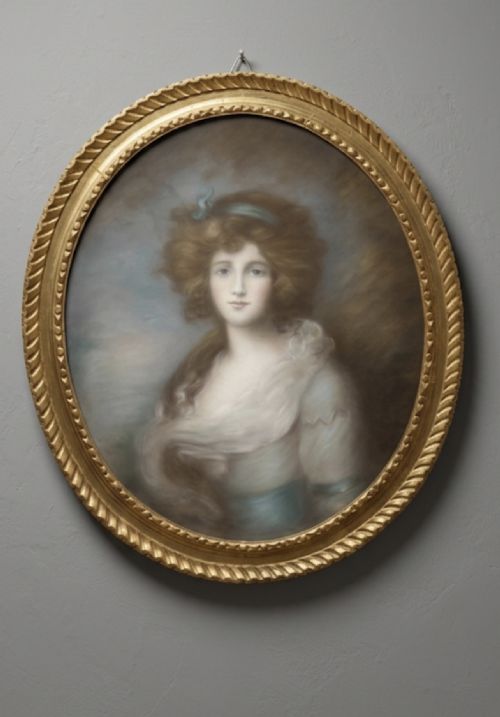
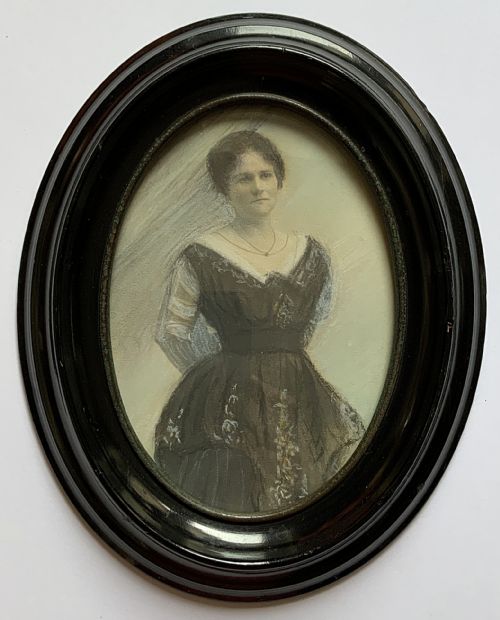
These pastel female portrait works capture likenesses in soft chalks on paper, offering immediate intimacy through delicate handling and period character.
Pastel Female Portrait
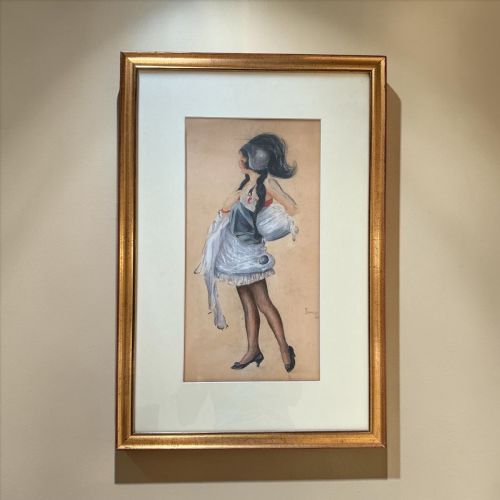
A pastel female portrait presents a likeness executed on paper using soft coloured chalks, often paired with gouache or charcoal. Buyers seeking this phrase encounter depictions ranging from Georgian nobility and Victorian ladies to Modern British and mid-century subjects.
The works span the eighteenth, nineteenth, and twentieth centuries, encompassing British and French schools. Oval frames, giltwood surrounds, and miniature formats appear frequently across the selection.
Subjects include named sitters like Esther Vallance and Miss Mary Linwood, alongside anonymous young ladies, French beauties, and artists' models. Pieces vary from intimate domestic sketches to substantial gallery drawings.
Factors of Quality
Finesse in rendering facial structure and expression distinguishes masterworks from routine likenesses. The handling of drapery, light, and skin tones reveals the artist's command over the medium.
Condition remains crucial due to the fragile nature of chalk on paper. Preservation beneath original glass with minimal pigment loss elevates the standing of a piece.
Several ladies wear elaborate satin evening dresses, reminding us that eighteenth and nineteenth-century sitters sat shivering in ballgowns just to hold a pose.
John Russell R.A.·Frank Dobson·Thomas Gainsborough·Arthur Todd·John Raphael Smith·Robert Faulkner·Gaston Bouy·Robin Watt
The Pastel Female Portrait Glossary
- Pastel
- A dry medium composed of powdered pigment and a binder, formed into sticks. It permits subtle colour blending and immediate marks on paper.
- Gouache
- An opaque watercolour medium used alongside pastel to add highlights and solid colour areas. It provides dense opacity where chalk appears translucent.
- Giltwood
- Wood carved and coated with gold leaf or metallic paint, commonly used for period picture frames. It adds reflective warmth around the artwork.
- Miniature painting
- A small-scale portrait requiring meticulous detail and fine brushwork or chalk application. These compact pieces were often designed for private display.
- French School
- An art historical designation grouping artists trained or working within French academic traditions. Works under this label often display characteristic continental elegance.
Pastel Female Portrait: Frequently Asked Questions
Where should I hang these portraits at home?
Select an interior wall that receives indirect lighting away from direct sunlight. Ultraviolet rays fade coloured chalks rapidly over time.
Keep pieces away from damp areas like kitchens or unventilated bathrooms. Paper and wood frames absorb moisture easily, which encourages foxing and mould growth.
Why are so many of these framed in ovals?
Oval formats have suited facial compositions since the eighteenth century, drawing the eye naturally toward the sitter. This framing style complements the soft contours of a face.
Many period frames are original to the artwork and contribute to the historical integrity. Replacing them can diminish the character of the piece.
How can I tell an 18th-century portrait from a Victorian one?
Eighteenth-century examples often feature powdered hair, elaborate lace collars, and dramatic lighting influenced by neoclassical portraiture. The handling tends toward atmospheric softness.
Victorian pieces reflect stricter academic standards with tighter linework and distinct costume markers like crinolines or Victorian hairstyles. Paper watermarks and framing styles also provide chronological clues.