

Framed Drawing
A framed antique drawing brings direct hand-drawn portraiture and landscape studies from past centuries onto your wall.
What these pieces are
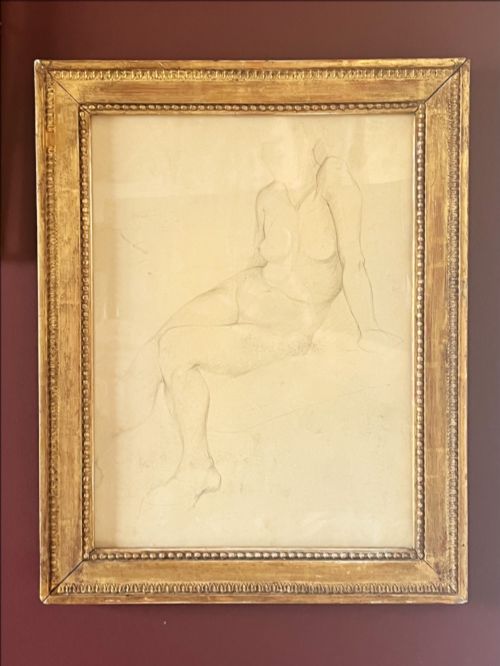
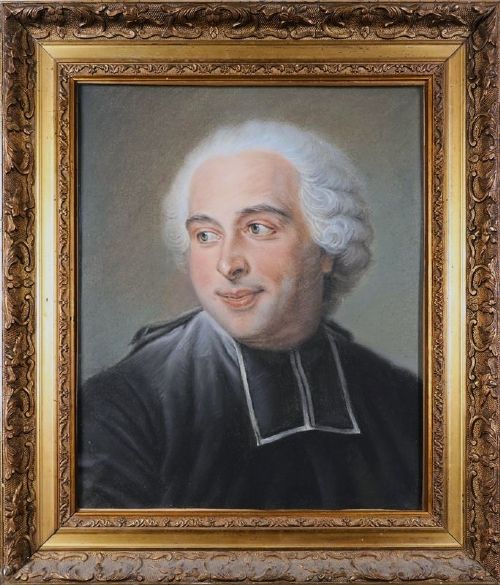
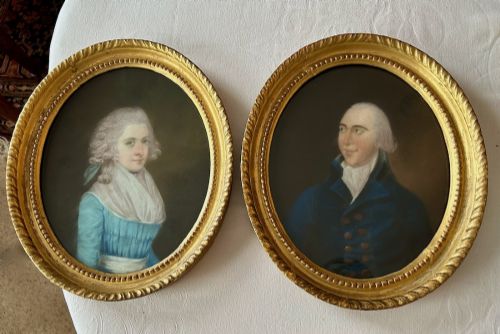
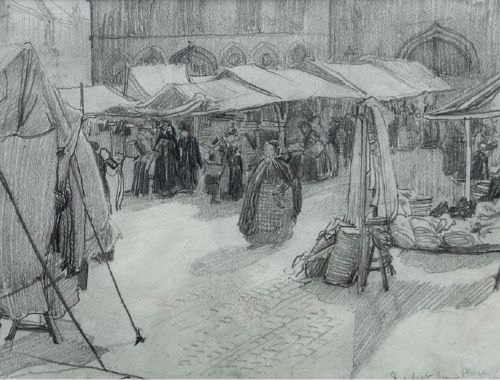
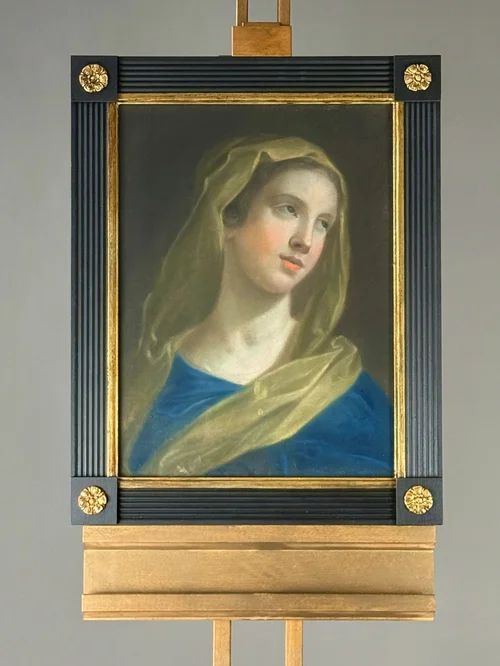
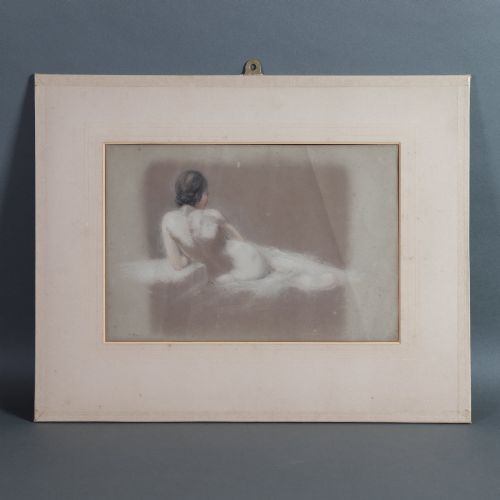
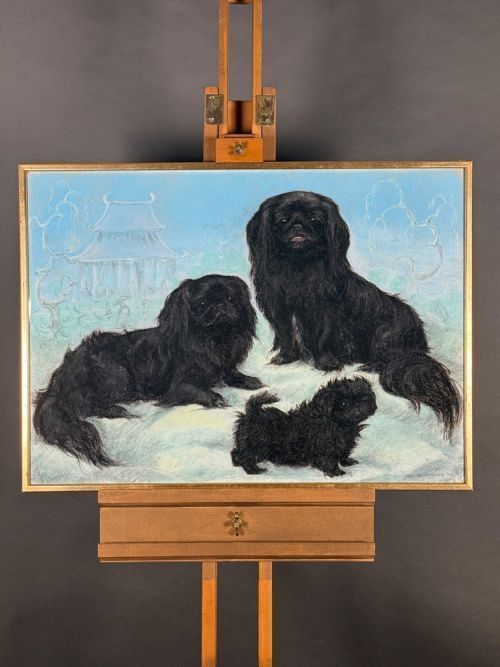
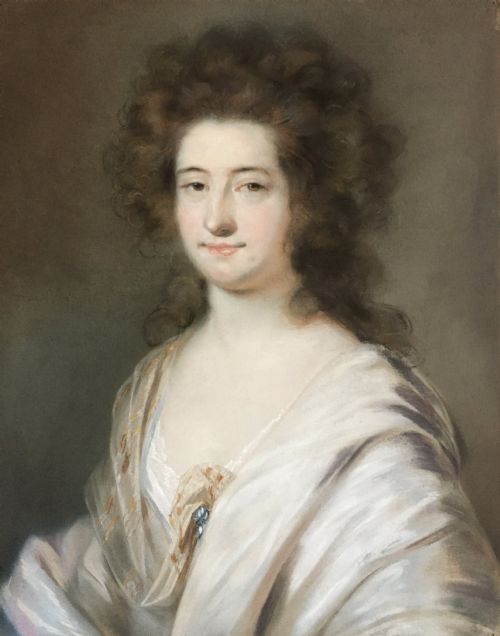
A framed antique drawing encompasses original works on paper executed in media such as pencil, graphite, chalk, charcoal, ink, and plumbago. These works take the form of framed artwork, fine art, drawings, and portrait miniatures originating across the seventeenth, eighteenth, and nineteenth centuries.
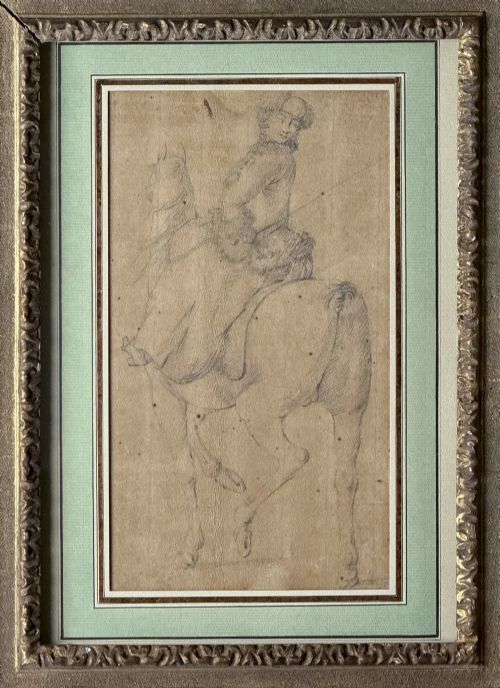
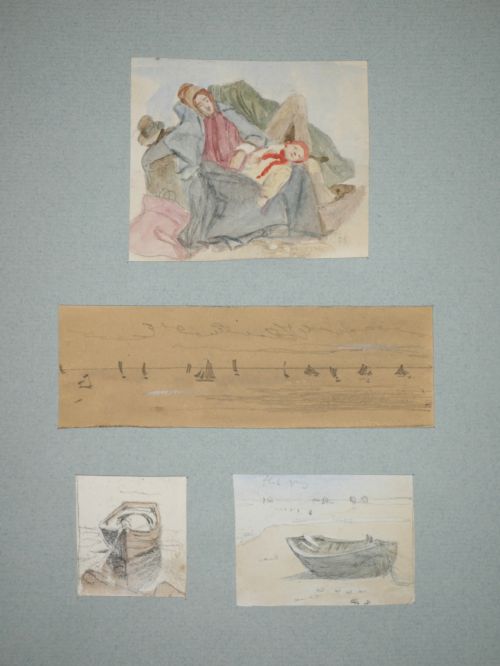
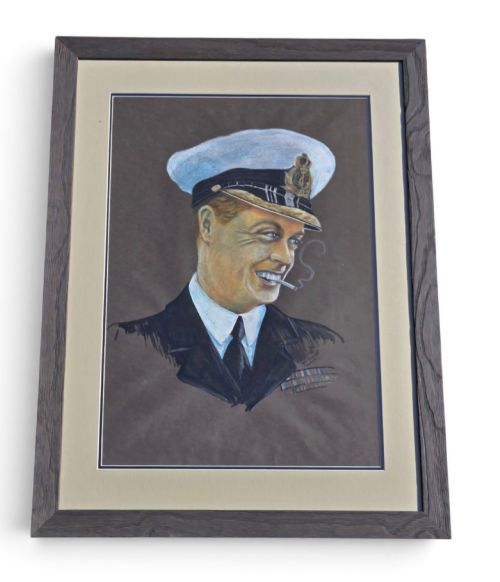
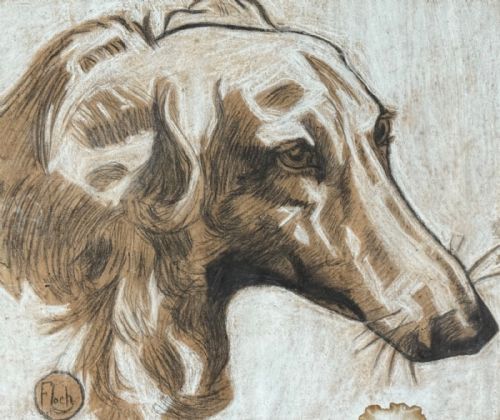
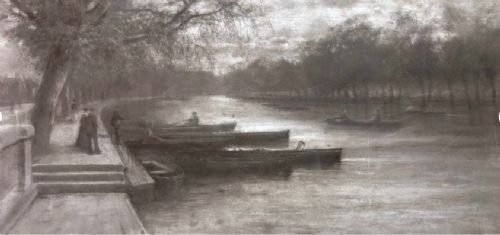
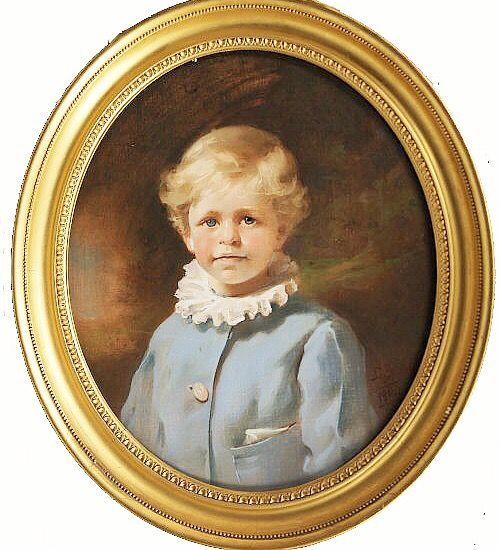
The selections available include Northern European equestrian studies, Georgian plumbago portraits, Edwardian landscape sketches, and French Orientalist charcoal works. Buyers encounter both intimate portraiture of historical figures and broader landscape scenes rendered by named and anonymous hands.
How they were made
Artists worked directly on paper supports utilising dry and liquid media, including graphite, chalk, charcoal, ink, and plumbago. These works rely on precise line work and tonal shading to build form and depth without the heavy pigments of oil painting.
Protection and presentation rely upon traditional framing materials recorded in the listings as wood, glass, and gilt wood. Mounts frame the paper works to keep the delicate surfaces from direct contact with the glass.
Retail Price Guide 2026
Typical UK retail prices for framed drawing, calculated from the Sellingantiques database of over a million retail prices indexed since 2003. This retail price guide relies exclusively on Sellingantiques data; no external sources or auction records are used, so the figures do not describe the wider market.
Listings span periods from the seventeenth century through to the Edwardian era, encompassing Georgian and Baroque styles.
What varies in quality
Quality rests upon the sureness of the draughtsmanship and the expressiveness achieved through media such as pencil or charcoal. A confident line and balanced composition distinguish masterly studies from routine sketches.
The historical significance and survival condition of the paper surface determine the standing of each piece. Intact original framing in wood or gilt wood adds a complementary period context to the drawing within.
John Taylor·Richard Beavis·George Graham
The Framed Drawing Glossary
- Plumbago
- A drawing executed in graphite, taking its name from the Latin for lead ore. These works are typically small, highly detailed portrait miniatures rendered with fine precision.
- Portrait Miniature
- A small, intimate portrait painting or drawing produced during the seventeenth, eighteenth, and nineteenth centuries. They often depict specific historical or familial subjects.
- Orientalism
- Artistic styles and themes inspired by the cultures of the Near East and North Africa. This aesthetic gained particular prominence in nineteenth-century French and European art.
- Triptych
- A work of art divided into three sections or panels. In this context, it refers to three related drawings displayed together within a single mounting and framing arrangement.
- Equestrian Study
- A drawing or artistic study focusing on the horse and rider. These works frequently explore movement, anatomy, and historical pageantry.
Frequently Asked Questions
What is a plumbago drawing?
A plumbago is a highly detailed portrait drawing executed in graphite on prepared vellum or paper. These works date predominantly from the seventeenth and eighteenth centuries.
Artists used this technique to achieve photographic levels of detail before the invention of the camera.
How should I hang antique drawings?
Keep antique drawings out of direct sunlight to prevent the paper from yellowing and the media from fading. Natural light can quickly degrade delicate graphite and charcoal.
Ensure rooms maintain stable humidity levels to protect both the paper artwork and the original wood or gilt frames.
Are these drawings original works?
The listings consist of original hand-drawn sketches, studies, and finished portraits created directly by artists. Each piece represents a unique historical graphic work rather than a later reproduction.
Media such as pencil, ink, chalk, and charcoal leave physical evidence of the artist's hand upon the paper.
How do I identify the period?
Periods are identified through stylistic conventions, the costume of depicted subjects, and the physical characteristics of the paper and framing. Eighteenth-century works often reflect Georgian aesthetic norms.
Nineteenth-century pieces introduce diverse movements such as Orientalism and more varied landscape compositions.