




Framed Charcoal Artwork
Framed charcoal artwork brings direct, expressive hand-drawn energy to your walls through historic portraits, landscapes, and figure studies.
Framed Charcoal Artwork
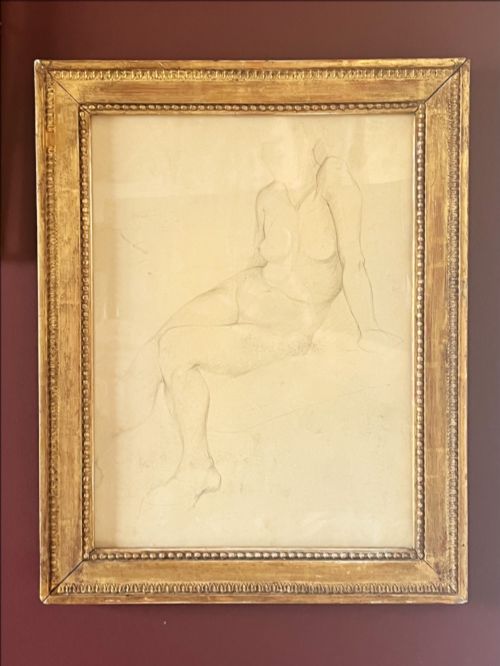
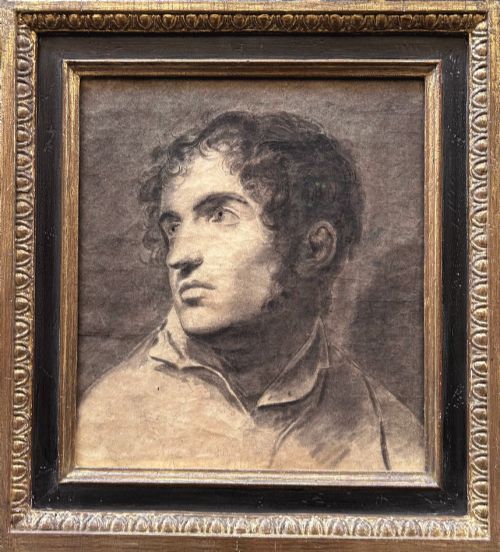
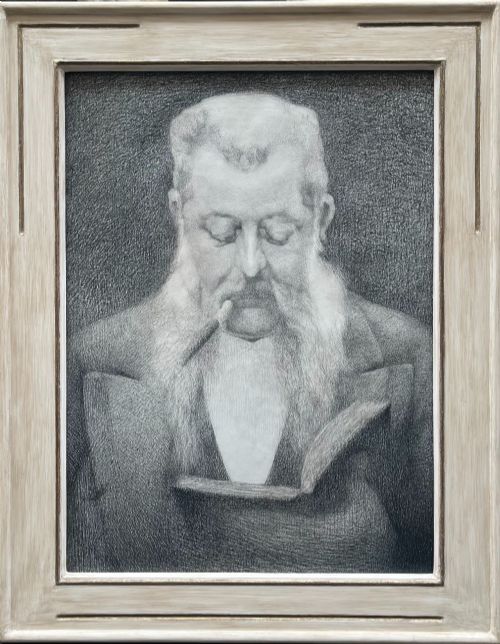
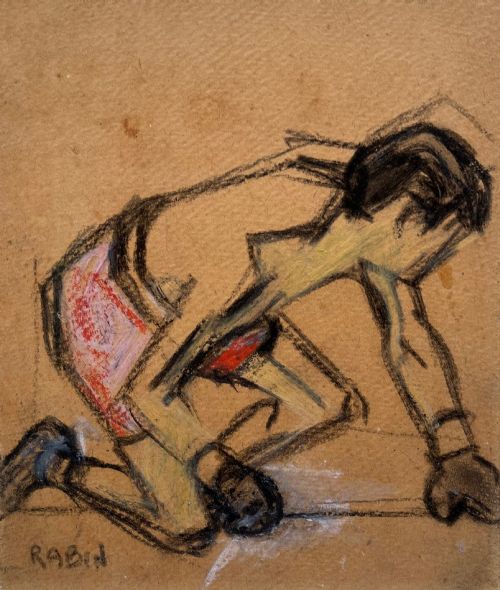
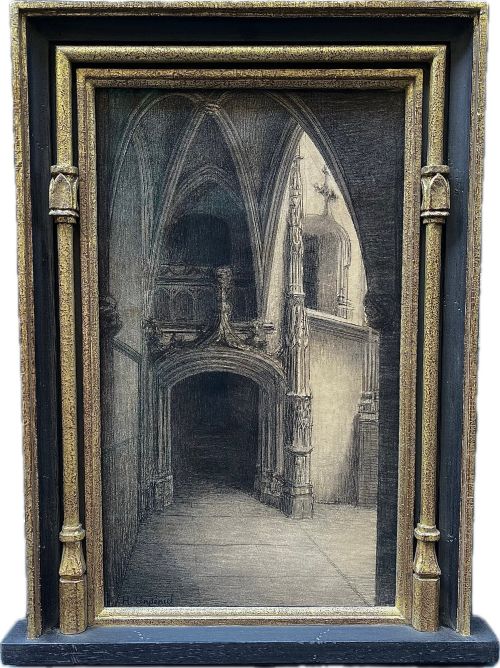
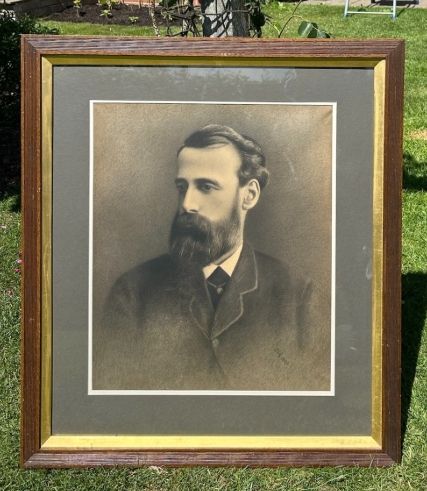
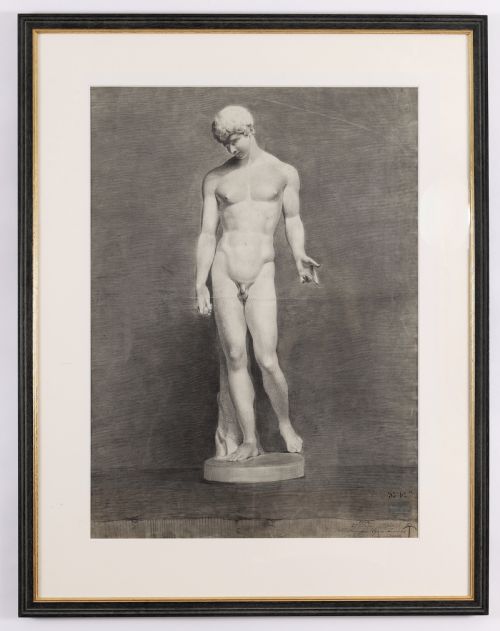
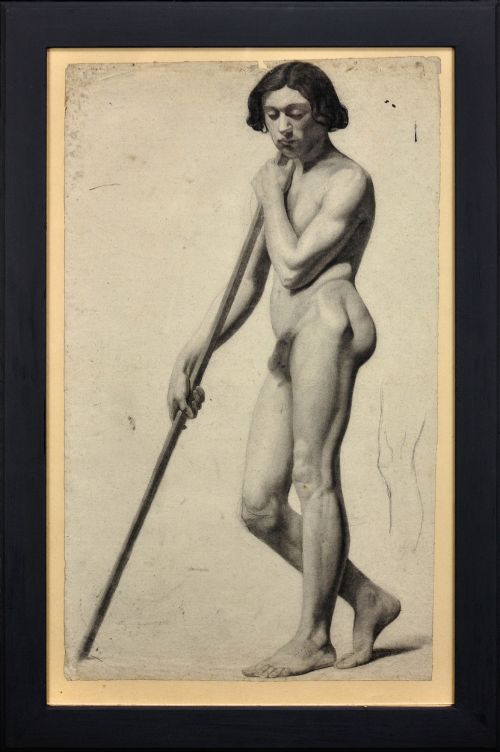
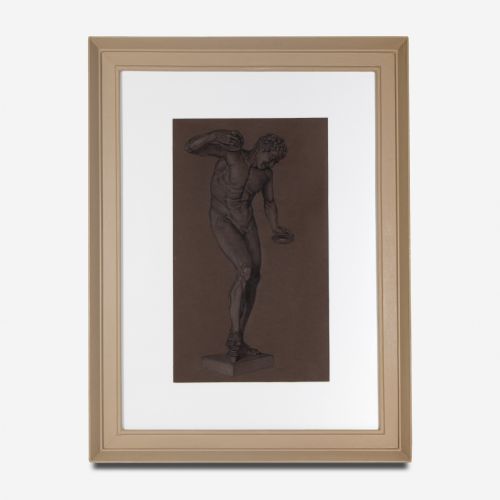
When you search for framed charcoal artwork, you encounter original drawings on paper that capture tonal depth and immediate gesture. These pieces range from nineteenth-century academic life studies to early twentieth-century landscapes and portraits.
Most examples on this page are presented behind glass within period wood or gilt frames. They record the direct touch of the draughtsman, utilising charcoal alongside chalk, graphite, and pastel.
Materials and Technique
Artists apply carbon-rich charcoal sticks and pencils onto textured paper supports to build deep blacks and soft grey midtones. Chalk and white highlights are frequently added to heighten contrast on toned or tinted sheets.
Protection comes from traditional glazing held within wooden frames, sometimes carved, gilded, or finished in period moulding. The fragility of the carbon medium requires glass to prevent smudging and surface degradation over decades.
Framed Charcoal Artwork Retail Price Guide 2026
Typical asking prices for framed charcoal artwork among the pieces listed under this phrase on Sellingantiques today, from the lower quarter to the upper quarter. They describe what is for sale here now, not the wider market.
Listings feature works spanning the eighteenth century through to the mid-twentieth century, executed in charcoal, graphite, chalk, and pastel on paper.
Assessing Quality
Superior examples demonstrate confident handling of anatomy, light, and shadow, particularly in academic life studies and detailed portraiture. The vitality of the initial line and the preservation of the paper surface distinguish master works from routine student exercises.
The synchronisation between the drawing and its housing matters significantly. Original period frames that complement the exact aesthetic and age of the paper elevate the overall integrity of the piece.
Samuel Rabin·Henri Charles Angéniol·Henry Arthur Roberts·Demetrios Galanis·J D Fergusson·Arthur Todd·Winifred Eugene Ballard·Frank Dobson·Theobald Chartran·Sonia Lawson
The Framed Charcoal Artwork Glossary
- Academic Realism
- A style of painting and drawing produced under the influence of European academies of art. It relies on rigorous study from living models and classical sculpture.
- Deux crayon
- A drawing technique utilising two distinct coloured chalks or charcoal media on paper. This method allows artists to build both shadow and highlight simultaneously.
- Giltwood
- Wood that has been coated with a thin layer of gold leaf or gesso finish. This material is standard for ornate antique picture frames.
- Life study
- An artwork created by directly observing a nude or clothed human model. These drawings serve as foundational exercises or finished exhibition pieces.
- Tonalism
- An artistic style that emerged in the late nineteenth century where artists painted or drew forms with an emphasis on atmospheric shadow and muted tones.
Framed Charcoal Artwork: Frequently Asked Questions
How should I hang framed charcoal artwork?
Keep these drawings away from direct sunlight and damp environments to protect the fragile paper and carbon medium. Hanging them on interior walls with stable humidity ensures the paper does not buckle inside the frame.
Ensure the wall fixings are secure, as antique frames incorporating glass carry substantial weight. Professional picture hooks suited to plaster or brick provide the necessary support.
Are these pieces original or reproductions?
Every piece catalogued under framed charcoal artwork is an original, unique hand-drawn work on paper. Artists created them directly using charcoal, chalk, or graphite rather than employing mechanical reproduction methods.
Signatures, paper grain, and the physical smudging of carbon particles confirm the direct manual creation of each drawing. Close inspection reveals the pressure of the hand against the sheet.
Why are charcoal drawings framed behind glass?
Charcoal is a loose, friable medium composed of burnt organic material that lacks a natural binder. Without glass covering the surface, accidental contact instantly smudges or removes the delicate lines.
Glass also acts as a crucial barrier against atmospheric dust, grease, and airborne pollutants that settle on paper over time. It preserves the high contrast between dark charcoal marks and the pale paper ground.
How do I identify the period of a drawing?
Dating relies on stylistic clues, clothing styles in portraits, framing methods, and signatures or inscriptions on the paper. Academic nudes often follow nineteenth-century training conventions, while modernist pieces exhibit simplified geometric forms.
Examining the reverse of the frame often reveals old gallery labels, framing stamps, or handwritten notes. These remnants provide documentary evidence regarding the history of the artwork.