



Historical Military Artwork
Historical military artwork captures centuries of campaign, conflict and commemoration through oil painting, watercolour and print.
Historical Military Artwork
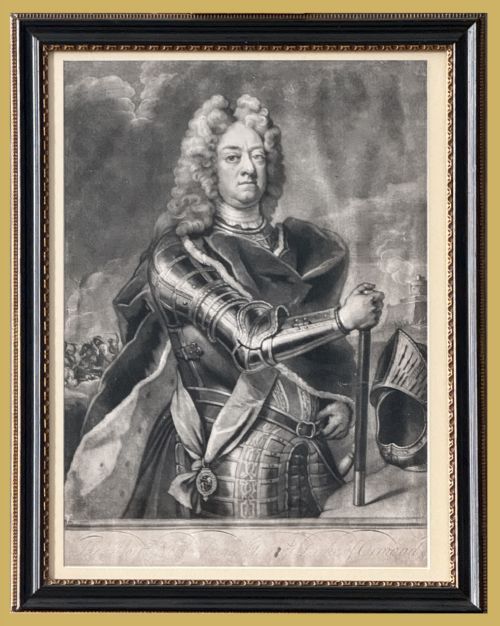
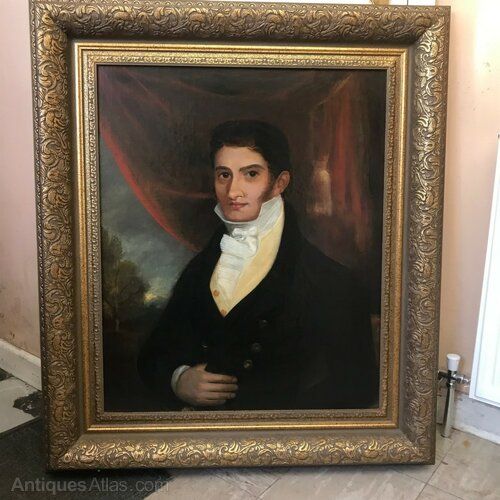
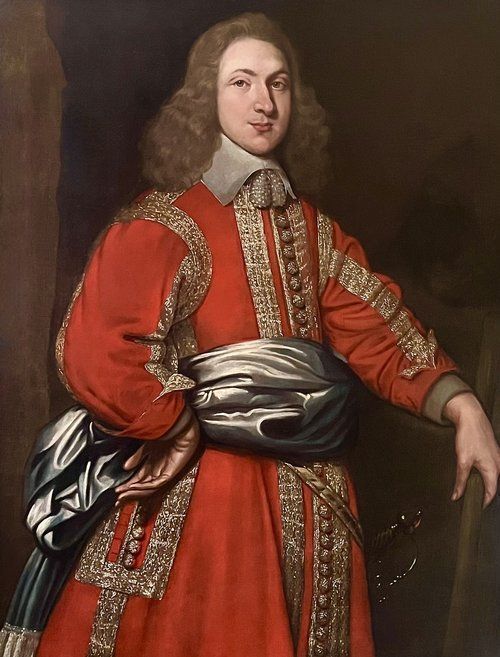
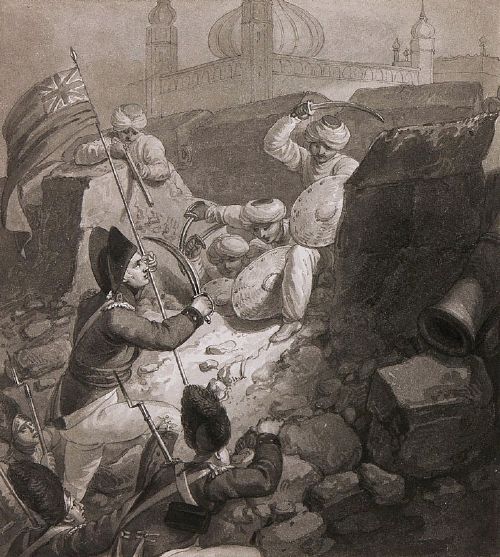
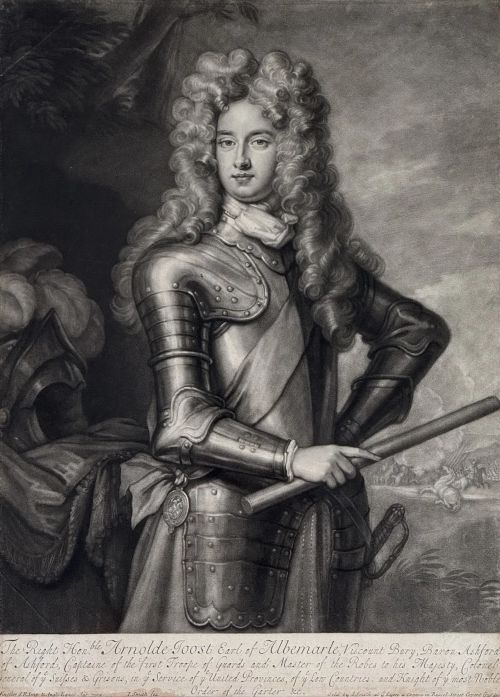
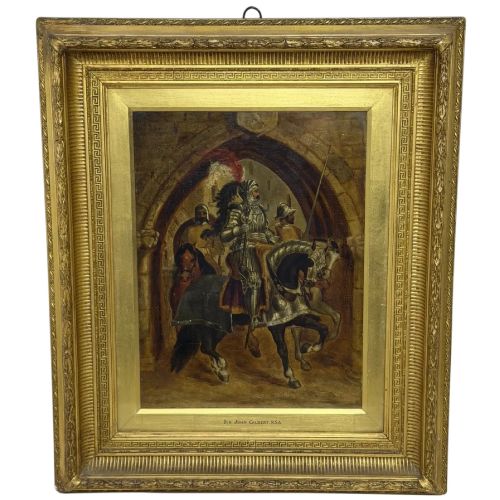
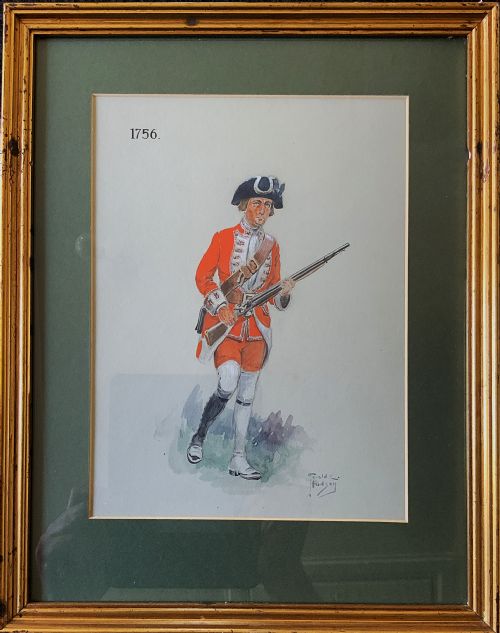
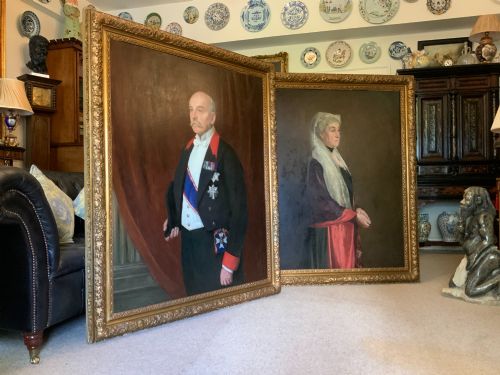
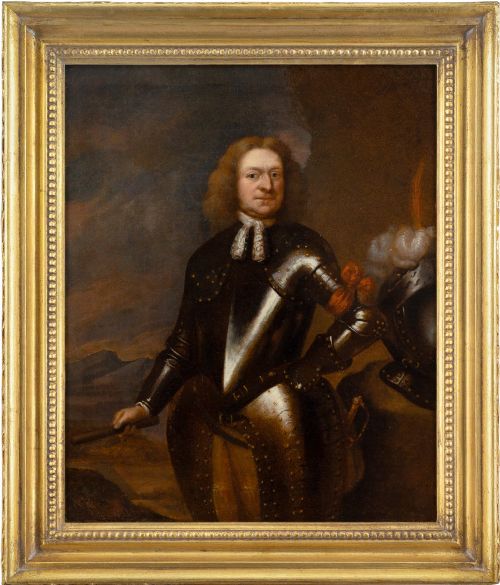
When you search for historical military artwork, you encounter everything from grand seventeenth-century oil portraits of commanders in armour to intimate trench drawings and nineteenth-century battle scenes. The selections here lean heavily on oil on canvas paintings and detailed watercolours, alongside framed prints that document regiments and naval engagements. Pieces span from the seventeenth century through the Victorian era into the early twentieth century, offering visual records of soldiers, cavalrymen and historic skirmishes.
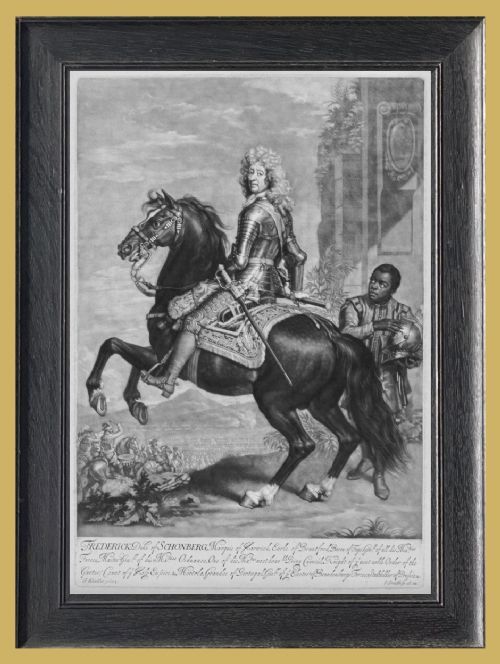
Portraits of officers and aristocratic military figures dominate the earlier centuries, often rendered in oil or captured through meticulous mezzotint engravings. Mid-nineteenth and early twentieth-century works frequently shift toward narrative battle scenes, cavalry charges and campaign watercolours. These visual records capture the uniforms, equipment and changing social status of military personnel across different European conflicts.
Materials and Technique
The physical objects rely on traditional artist materials, principally oil on canvas, paper supports for watercolours, pen and wash drawings, and charcoal. Canvases are frequently housed in original or period-appropriate wood and giltwood frames that complement the scale and subject of the artwork. Engravings and mezzotints utilise specialist printing plates on heavy paper, sometimes enhanced with hand-colouring or wash.
Execution varies from the polished brushwork of academic oil painters working from life to rapid pen and ink sketches made on campaign. Watercolour and wash pieces combine fluid pigment application with precise delineation of uniform details, while mezzotints employ scraped copper plates to achieve deep tonal gradation and shadow.
Historical Military Artwork Retail Price Guide 2026
Typical asking prices for historical military artwork among the pieces listed under this phrase on Sellingantiques today, from the lower quarter to the upper quarter. They describe what is for sale here now, not the wider market.
Listings feature paper, oil on canvas, glass, wood, and gold leaf across eighteenth and nineteenth-century periods.
Quality and Execution
The distinction between ordinary and exceptional historical military artwork rests on the precision of draughtsmanship, particularly in the rendering of anatomy, uniform facings and horse conformation. Superior canvases show confident brushwork and nuanced handling of light on armour or fabric, whereas lesser examples rely on stiff repetition and formulaic composition. Portraiture gains authority when the subject is securely identified and linked to a documented hand.
Condition and originality play a significant role in evaluation, distinguishing works that retain their original stretchers, frames and surface coatings from those subjected to heavy restoration or relining. Prints and works on paper vary according to sheet preservation, fading resistance and the clarity of the plate impression. The integration of historical provenance further elevates works that record specific engagements or sit within established artistic circles.
John Simon·John Smith·Sir Godfrey Kneller·Sir John Gilbert·Ernest Crofts
The Historical Military Artwork Glossary
- Mezzotint
- A printmaking process where the copper plate is roughened uniformly to produce rich dark tones, then scraped to create highlights. This technique allows for subtle tonal gradations particularly suited to dramatic portraiture.
- Giltwood
- Wood carved and coated with gold leaf or metallic powder, commonly used for period picture frames. The finish provides a reflective border that isolates and enhances darker oil paintings.
- Pen and wash
- A drawing method combining ink lines with diluted watercolour or ink applied as a wash for shadow and tone. It allows artists to work rapidly while retaining structural clarity.
- Roundhead
- A supporter of the Parliamentary party during the English Civil War, frequently depicted in seventeenth-century military art. These subjects appear in period paintings and Victorian historical reconstructions.
- Trench art
- Decorative or utilitarian items made by soldiers, prisoners of war or civilians from conflict-related material. In this context, it includes battlefield drawings executed during active service.
Historical Military Artwork: Frequently Asked Questions
How do I identify the regiment in a military portrait?
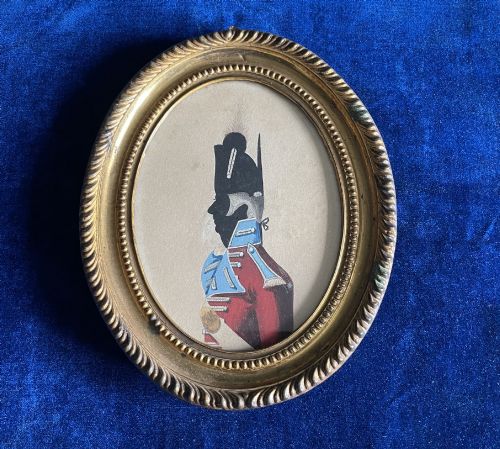
Uniform details such as facing colours, lace patterns, headdress styles and button arrangements provide the primary clues for identifying specific regiments. Contemporary records, medal ribbons and cap badges often confirm the exact military unit.
Comparison with official clothing regulations and historical prints from the same period helps narrow down the regiment and campaign.
What is the difference between an oil painting and a mezzotint?
An oil painting is a unique hand-painted work created by applying pigments suspended in oil directly onto a canvas or panel support. Brushwork, impasto and canvas texture distinguish original painted surfaces from printed mediums.
A mezzotint is an intaglio print produced from a metal plate, allowing multiples to be struck, characterised by velvety dark fields and tonal depth rather than visible paint layers.
How should I care for antique watercolours and drawings?
Works on paper require protection from direct sunlight and high humidity to prevent fading of watercolours and yellowing of the paper support. Framing should utilise acid-free mounts and conservation glass to filter ultraviolet light.
Keep pieces away from sources of heat and moisture, ensuring stable atmospheric conditions in the room where they hang.
Are battle scenes usually painted from life?
Most large-scale battle scenes were composed long after the engagement concluded, relying on eyewitness accounts, official dispatches, maps and preliminary sketches made on the spot. Painters constructed the compositions in their studios to dramatic effect.
Watercolours and sketches executed by artists on active service offer more immediate, firsthand records of campaign life and minor skirmishes.