




18th Century Military Art
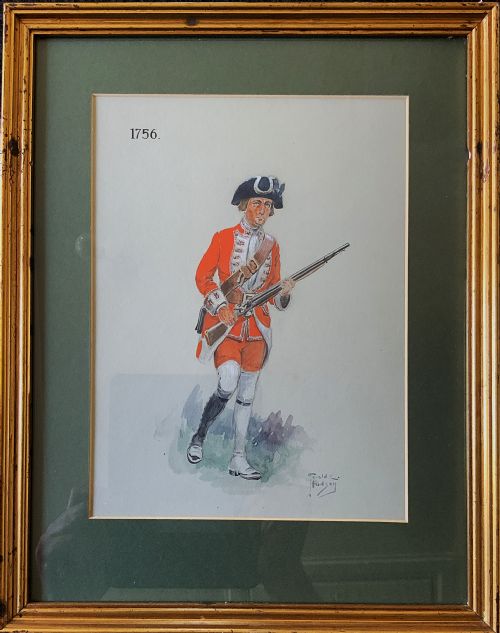
Searching for 18th century military art brings forward portraits and battle scenes depicting officers and soldiers from the Georgian period.
18th Century Military Art
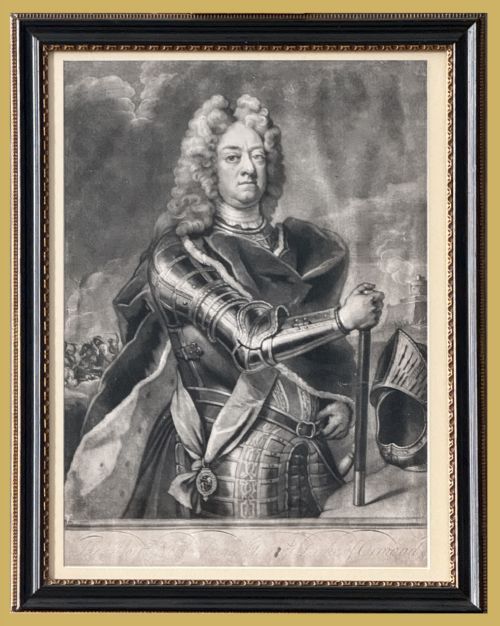
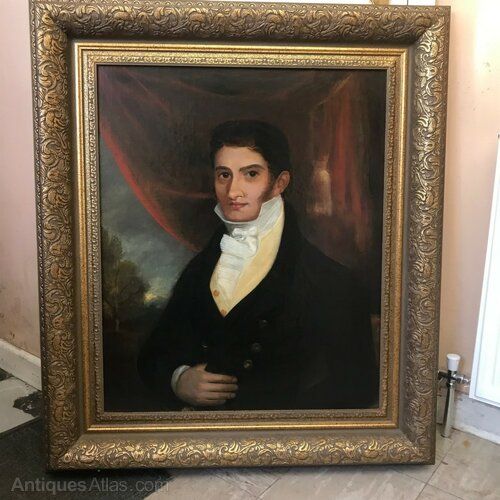
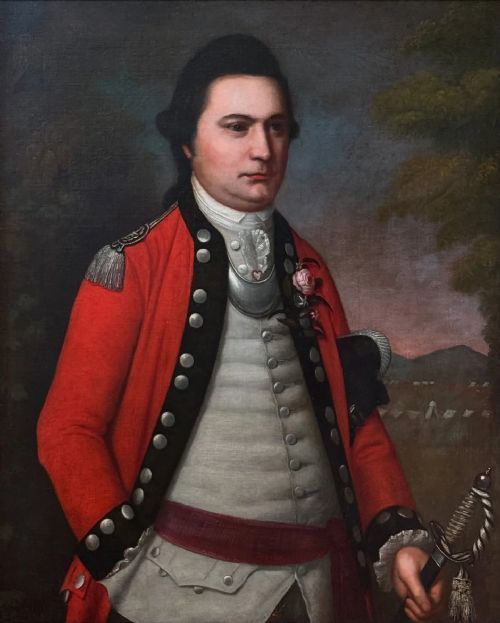
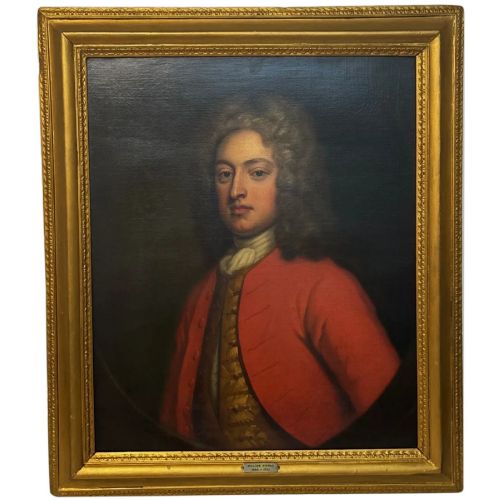
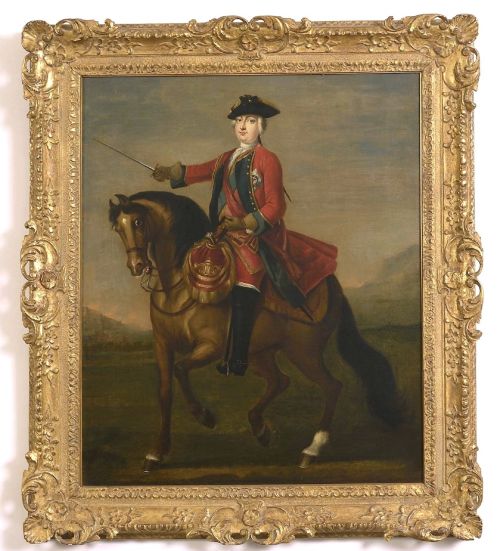
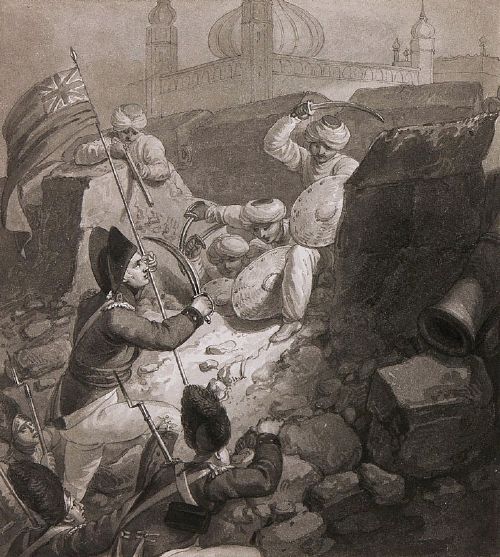
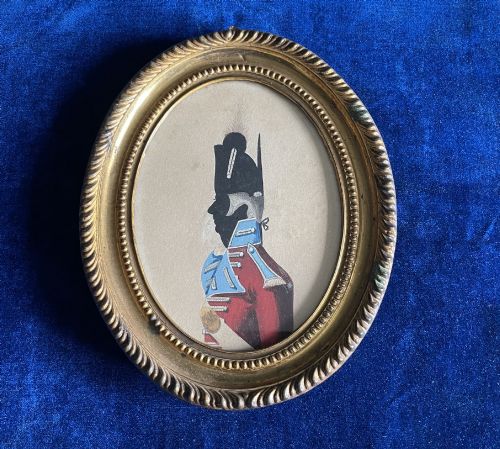
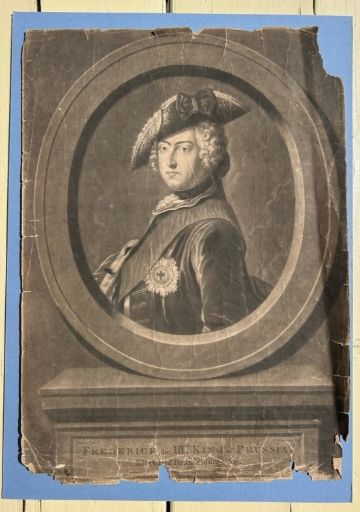
When browsing 18th century military art, buyers encounter oil paintings, watercolours, engravings, and portrait miniatures depicting officers and soldiers.
The selections on this page span the Georgian era and the wider eighteenth century, featuring British, French, German, and Italian subjects.
Works range from large oil portraits on canvas to intimate miniatures on agate and delicate reverse glass prints.
Materials and methods
Artists painted primarily in oil on canvas or worked with watercolour, ink, and pen and wash on paper.
Printmakers utilised mezzotint and engraving techniques on paper, while luxury miniatures appeared on specialist panels like agate and glass.
Giltwood and wood frames finished many of the works, complemented occasionally by leather-bound cases.
Listings feature oil on canvas, paper, wood, giltwood, and glass across Georgian and Regency periods.
Evaluating quality in military works
Quality rests in the precision of the portraiture and the fidelity of the military dress, regalia, and uniform details rendered by the artist.
Works attributed to established schools or named painters command attention through superior handling of light, canvas texture, and pigment layering.
John Simon·John Smith·Stickland Lowry·John Wootton·Thomas Hudson·William Marshall Craig·Antoine Pesne·Nicolas De Largillière·Edward Pugh·Henry Walton·Samuel Lane·Jean-Baptiste Santerre·Gerrit Schipper·Robert Ker Porter
The 18th Century Military Art Glossary
- Mezzotint
- A printmaking process of the tonal engraving family, allowing smooth gradations of light and shade. It was frequently utilised for reproducing portraits.
- Portrait Miniature
- A small, highly detailed painting on a portable support such as vellum, card, or agate. These pieces often captured likenesses of military officers.
- Reverse Glass Print
- An image transferred or painted onto the underside of a glass panel. This technique created a glossy finished surface popular for decorative works.
- Giltwood
- Wood that has been treated with gold leaf or a gilt gesso finish. It was standard for framing fine art of the Georgian period.
- Wash
- A thin, transparent layer of diluted watercolour or ink applied over a drawing. It added depth and shadow to pen sketches.
18th Century Military Art: Frequently Asked Questions
What subjects appear in these works?
The pieces predominantly portray military officers, admirals, generals, and soldiers in period uniform.
Subjects also encompass specific regiments, militia members, and historical battle scenes.
How were these portrait miniatures displayed?
Miniatures were created on portable panels like agate or paper for personal keeping or close inspection.
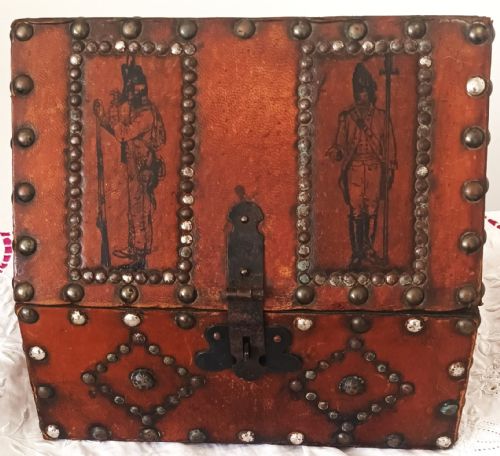
Some were set into specialised gold frames or housed within leather-bound caskets.
How can I identify the period of a piece?
Dating relies on the style of the uniform, the sitter's regalia, and the artistic techniques employed by schools or named painters.
Framing materials such as giltwood and the medium itself, from oil on canvas to early engravings, offer further chronological clues.
Are these works original period items?
The selections consist of period works, including 18th-century oils, contemporary engravings, and later 19th-century interpretations or prints.
Signatures, inscriptions, and identified sitters help establish the historical context of each piece.