

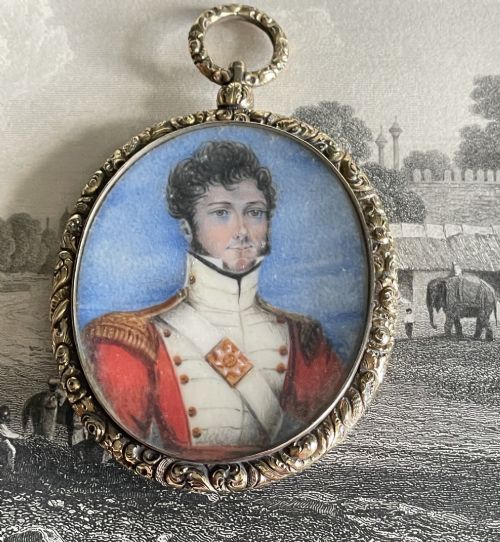
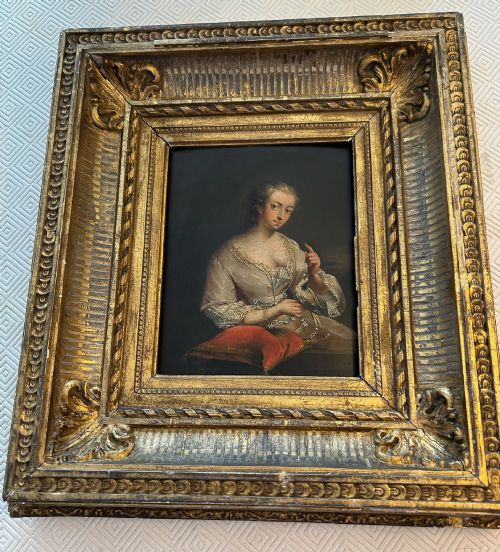
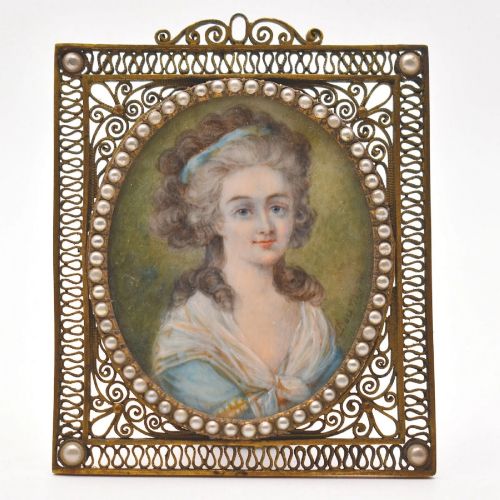
Gold Gilt Miniature Frame
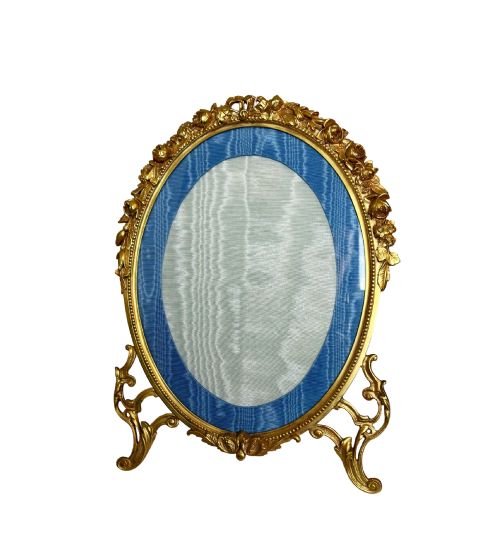
A gold gilt miniature frame holds small portraits and paintings with the distinct warmth of nineteenth-century metalwork.
Gold Gilt Miniature Frame
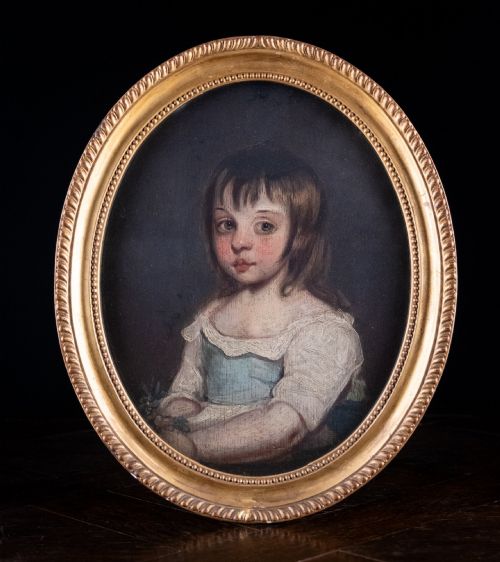
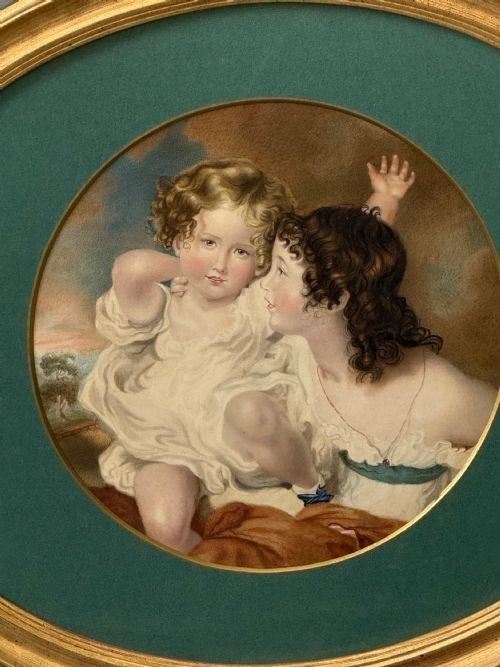
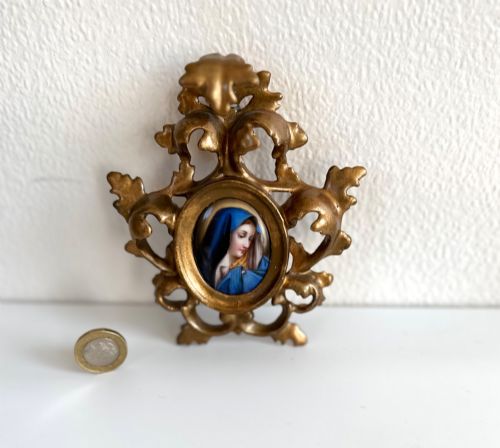
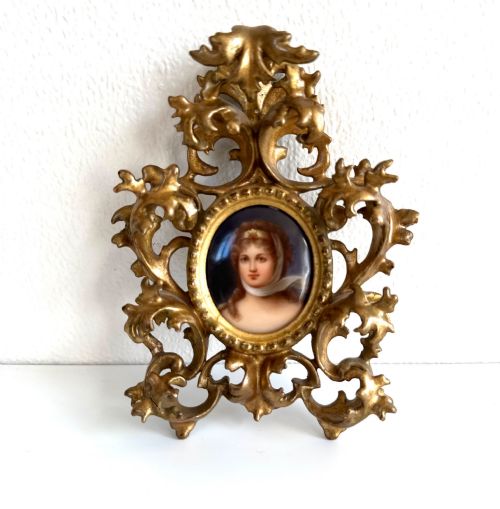
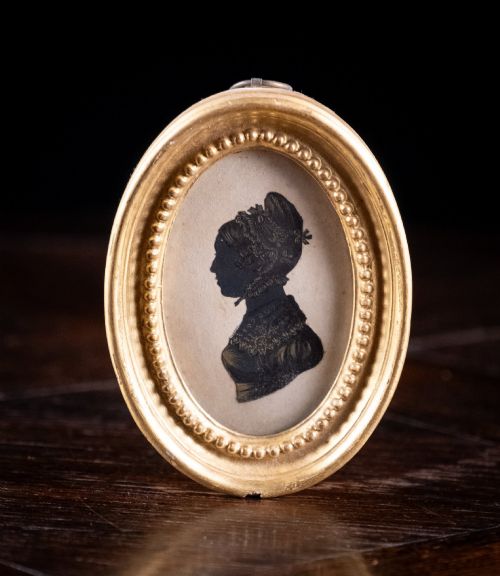
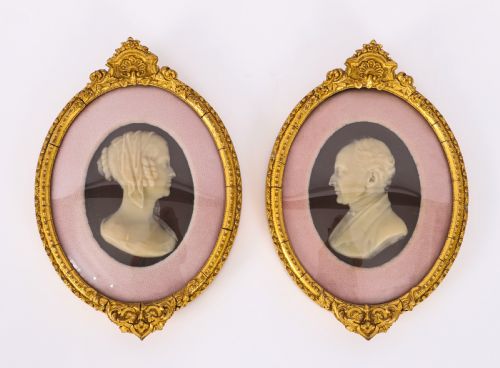
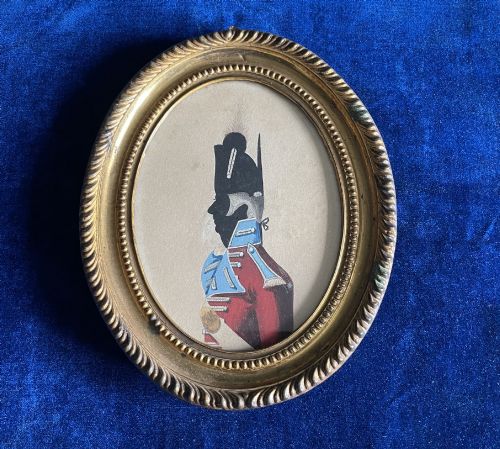
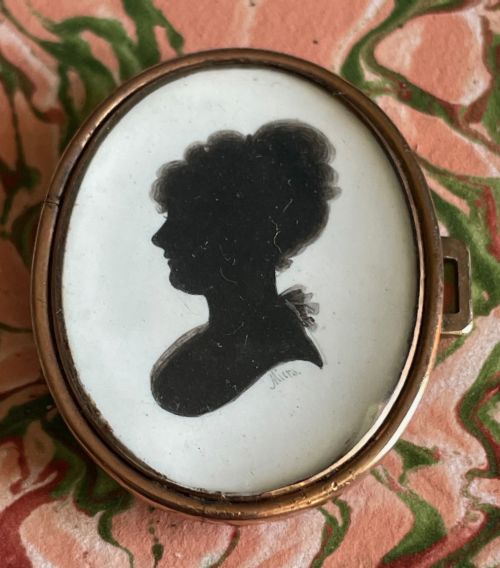
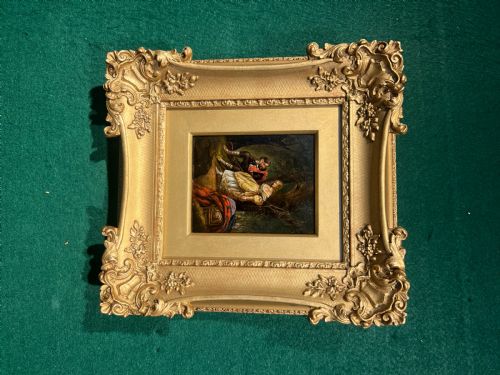
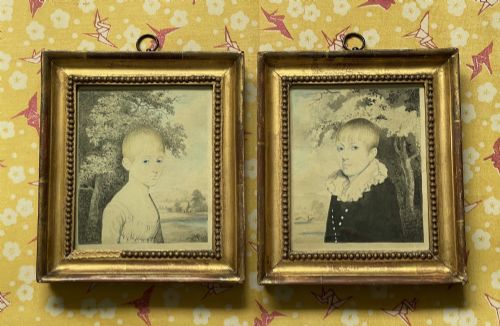
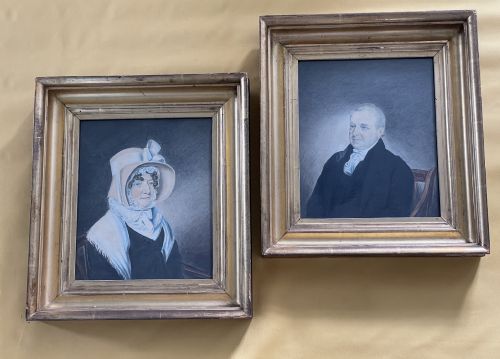
A gold gilt miniature frame encloses small works of art, commonly holding watercolour portraits, silhouettes, and painted porcelain plaques. These objects span the Georgian, Regency, and Victorian periods, reflecting the shifting tastes in intimate portraiture.
How they were made
Makers utilised wood, gilt metal, and carved giltwood as the primary structural foundations for these small enclosures. Gilding was applied using fine gold leaf to create a bright metallic surface around the diminutive artworks.
Portraits and paintings housed within these enclosures utilised watercolour, gouache, pastel, or oil on paper, glass, or porcelain. Delicate details were often added by hand, sometimes protected behind convex glass or contained within shadow boxes.
Materials recorded across the inventory include glass, paper, watercolour, gilt metal, giltwood, and gold leaf.
What varies in quality
Quality depends on the crispness of the chasing on gilt metal and the depth of the carving on giltwood frames. Superior examples display clean lines and well-preserved gilding that retains its original tone without excessive rubbing.
James Sharples·John Miers·Charles Hayter·Christian Friedrich Zincke·William Naish·Frederick Buck
The Gold Gilt Miniature Frame Glossary
- Gilt metal
- Metal that has been coated with a thin layer of gold or gold leaf. This material provided a durable and bright surround for small portrait miniatures.
- Giltwood
- Wood that has been prepared and coated with gold leaf. It is frequently carved with decorative motifs suitable for Regency and Victorian interiors.
- Silhouette
- A portrait represented as a solid shape of a single colour, usually black, set upon a pale background. These were often framed in miniature format during the Georgian era.
- Portrait miniature
- A very small painting or watercolour depicting a person. These delicate works were typically executed with fine brushes on ivory, vellum, or paper.
Gold Gilt Miniature Frame: Frequently Asked Questions
What fits inside a gold gilt miniature frame?
These small enclosures typically house watercolour portraits, silhouette cuttings, painted porcelain plaques, or gouache paintings. They were designed to hold intimate likenesses of family members or notable figures.
Many of these tiny artworks date from the Georgian and Victorian periods, often painted on paper or card and protected behind glass.
How do I date a gold gilt miniature frame?
Dating relies on the framing materials, the style of the gilding, and the technique of the artwork inside. Regency and Georgian examples often feature slender metal profiles or simple wood surrounds.
Victorian pieces frequently display more elaborate cast metalwork or deep giltwood mouldings. The costume and hair style of any portrait contained within also offer reliable clues to the decade of creation.
Were these frames meant for walls or tables?
Miniature frames served multiple purposes depending on their construction. Some were fitted with small metal stands for placement on desks or mantelpieces.
Others included small hanging loops at the top for wall display. Many were also designed to be worn as jewellery pieces or kept safely inside cases.
How should I care for a gold gilt miniature frame?
Keep these delicate objects away from direct sunlight and high moisture to protect the fragile gold leaf and the paper artwork inside. Gentle dusting with a soft, dry brush is sufficient for maintenance.
Avoid using liquid cleaners or abrasive cloths on the gilt surfaces, as the thin metallic layer can easily wear away.