
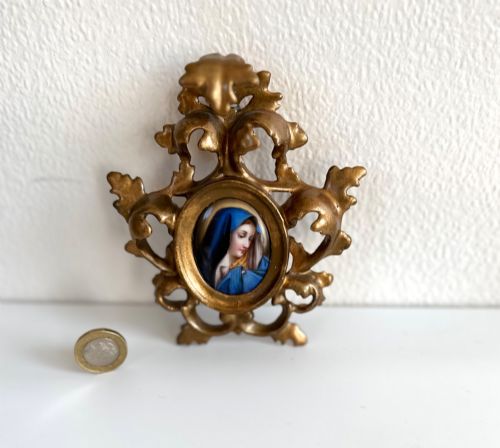
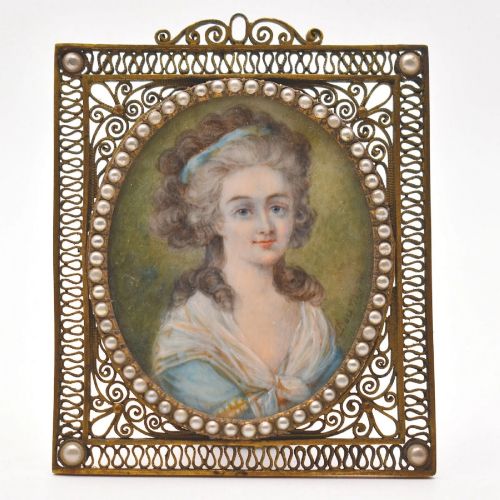


Gilt Metal Miniature Frame
These gilt metal miniature frame pieces combine small-scale portraiture with decorative metalwork, offering an intimate glimpse into past centuries.
Gilt Metal Miniature Frame
A gilt metal miniature frame is typically designed to house small-scale portraits painted on watercolour, enamel, paper or ivory. These items span periods from the eighteenth century through the Victorian era.
You will encounter pieces ranging from simple oval picture frames to elaborate stands and easel-back designs. Many examples incorporate historical portraits of ladies, gentlemen, and naval officers alongside decorative paintings.
How they were made
Makers utilised gilt metal, brass, and gilt bronze to cast and shape the housings, often incorporating glass to protect the delicate artworks within. Velvet linings and paper backings frequently complete the construction of these small enclosures.
The miniatures themselves were executed in watercolour, oil, gouache, and enamel by skilled hands. Some pieces combine these painted works with seed pearls, coral beads, or detailed enamel plaques.
The listings here include items featuring portraits of naval officers, ladies in lace, and gentlemen, spanning the eighteenth and nineteenth centuries.
What varies in quality
The precision of the metal casting and the crispness of the gilding set superior frames apart from standard examples. Finer work displays sharper detailing in the decorative motifs and more secure joints on easel backs and stands.
William Naish·Emma Kendrick·Henry Jacob Burch·Diana Hill·Dumont
The Gilt Metal Miniature Frame Glossary
- Gilt metal
- Metal that has been treated with a thin layer of gold or gold-coloured material to give a rich surface finish. This method provides the appearance of solid gold while utilising more workable base metals.
- Miniature painting
- A small-scale artwork created with fine detail, often executed on ivory, vellum, or paper. These works required specialised magnifying lenses and steady brushwork to achieve their intricate likenesses.
- Easel back
- A hinged support attached to the reverse of a frame that allows it to stand upright on a surface. This functional addition became particularly popular during the nineteenth century for desk and tabletop display.
- Rococo Revival
- A nineteenth-century design style that revives the flamboyant, asymmetrical scrolls and naturalistic ornamentation of the eighteenth century. Frames in this style feature elaborate curves and ornate floral motifs.
Gilt Metal Miniature Frame: Frequently Asked Questions
How do I date a gilt metal miniature frame?
Dating relies on examining the metal casting style, the type of glass, and the construction of the easel back or hanging loop. Georgian and Regency examples often show different metalwork techniques compared to Victorian pieces.
The style of the portrait inside, if original, also helps narrow down the period, alongside any inscriptions or materials such as seed pearls and specific types of velvet backing.
Are these frames meant to stand or hang?
Many frames feature built-in easel backs designed for tabletop display on desks or mantelpieces. Others include rings or loops for wall hanging.
Some pieces were originally carried as personal items or kept in travel cases before finding their way onto display stands later in their history.
What is the difference between gilt metal and gilt bronze?
Gilt metal generally refers to a base alloy covered in a gold wash or leaf, while gilt bronze, often called ormolu, involves a specific copper and zinc alloy cast with high precision.
Gilt bronze items typically display sharper chased details and heavier construction compared to lighter gilt metal frames from the same period.
How should I care for an antique miniature frame?
Keep these delicate objects away from direct sunlight and high humidity to protect both the metal finish and the watercolour or enamel painting inside. Avoid using chemical cleaners or polishes on the gilt surfaces.
Dust gently with a soft, dry brush and handle the piece by the outer frame rather than pressing on the glass or the backing.