



Victorian Enamel Portrait
These pieces of victorian enamel portrait unite miniature painting with precious metals and glass, offering a tangible connection to nineteenth-century portraiture.
Victorian Enamel Portrait
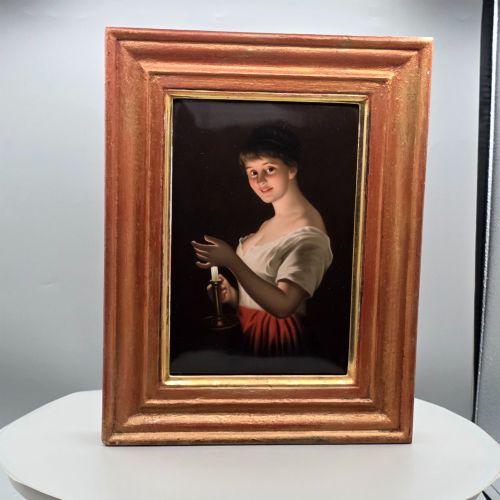
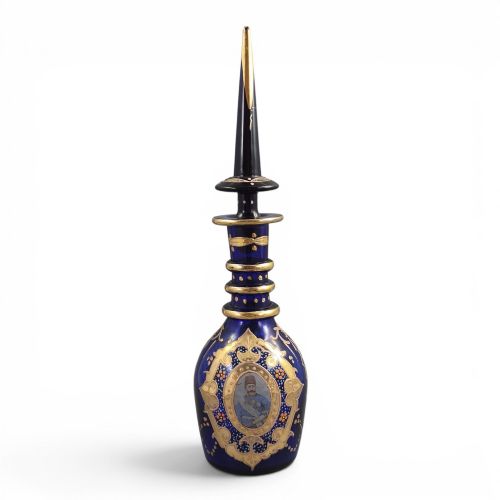
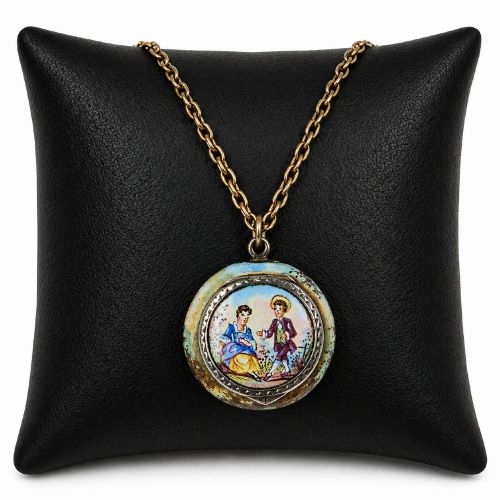
When you search for a victorian enamel portrait, you encounter a varied selection of hand-painted miniatures set into jewellery, glass, and porcelain objects. The items on this page range from Victorian pendants and lockets to Bohemian glassware, trinket boxes, and wall art.
You are most likely to meet pieces originating from the nineteenth century, including specific periods like the 1860s, 1870s, and 1880s, alongside French and Viennese examples. Forms include framed plaques, lockets, vesta cases, and jewellery components featuring detailed human and animal likenesses.
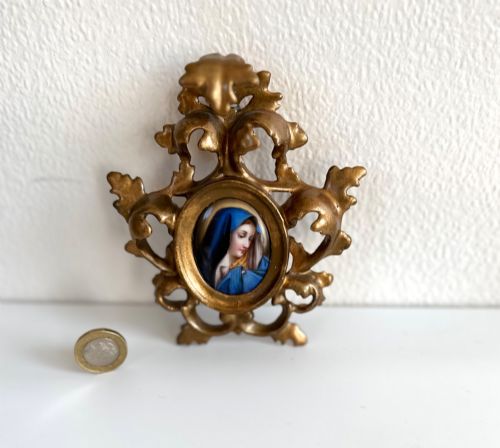
The selection encompasses works influenced by French Rococo Revival styles and Qajar Era export pieces alongside traditional Victorian items. These objects serve both ornamental and wearable functions, often incorporating precious metals such as 18ct gold alongside porcelain and enamel.
How they were made
Makers utilised vitreous enamel fused to metal or porcelain surfaces to create durable painted likenesses that resist fading. Hand-painted details were applied with fine brushes before firing, allowing miniature artists to achieve remarkable facial expressions and tonal shading.
Mountings and frames combine materials such as 18ct gold, silver, or ormolu, often embellished with pearls, diamonds, and gold leaf. Glass pieces like decanters and trios feature overlaid portraits and gilt detailing applied during the nineteenth century.
Canine companions made their way into pockets quite literally, preserved in fine enamel on silver vesta cases alongside human portraits.
What varies in quality
The finesse of the brushwork distinguishes superior miniature portraits from simpler productions, with master artists capturing subtle depth in eyes and hair. The crispness of the enamel firing and the preservation of the painted surface dictate the visual impact of each piece.
The quality of the surrounding metalwork, whether 18ct gold, silver, or ormolu, influences the overall piece. Heavier gauge settings, intricate chased detailing, and the incorporation of stones like diamonds and pearls elevate the status of the item.
The Victorian Enamel Portrait Glossary
- Enamel
- A glassy substance fused to metal or ceramic through firing to provide a smooth, colourful, and durable decorative surface. It forms the canvas for miniature portraits across many nineteenth-century pieces.
- Ormolu
- Gilded bronze or brass used widely in nineteenth-century decorative arts for mounts, frames, and furniture fittings. It provides a rich golden appearance that complements painted porcelain and enamel plaques.
- Vesta case
- A small pocket box designed to hold matches, frequently featuring hinged lids and decorated with chased patterns, silver, or enamel portraits. Examples range from geometric designs to depictions of dogs.
- Locket
- A small ornamental case worn on a chain to hold a portrait, lock of hair, or memento. They are frequently fashioned from gold or silver and hinged to open.
- Gilt
- Covered thinly with gold leaf or gold paint to give the appearance of solid gold. This technique highlights ceramic borders, glass vessels, and metal mounts.
Victorian Enamel Portrait: Frequently Asked Questions
How do I wear a portrait pendant?
Portrait pendants from the nineteenth century are typically suspended from a compatible chain suited to the weight of the gold or silver mount. They function well as standalone statement pieces worn against simple garments.
Ensure the bail and hinge mechanisms are secure before regular wear to protect the glass or enamel face from accidental impacts.
What subjects appear on these portraits?
The subjects range from religious figures such as the Madonna to historical personalities like Prince Albert. Animal portraits, including dogs like pugs and Jack Russells, also appear on vesta cases and boxes.
Many pieces depict romanticised studies of young women painted on porcelain plaques or within jewellery settings.
How should I clean enameled items?
Clean enameled portrait pieces gently with a soft, dry microfibre cloth to remove dust without abrasive friction. Avoid liquid immersion or harsh chemical cleaners, as these can compromise the metal mountings and delicate painted surfaces.
Store items individually in padded boxes to prevent scratching from adjacent jewellery or metal objects.
Are these pieces signed by artists?
Some Limoges plaques and fine miniatures bear artist signatures or workshop ciphers on the reverse or near the edge of the painted surface. However, many nineteenth-century decorative pieces remain unmarked by the individual painter.
Attribution often relies on the style of the brushwork, the period characteristics, and the nature of the porcelain or enamel base.