


Monochrome Portrait Art
Monochrome portrait art captures subjects in ink, charcoal, and paper, offering a focused study of historical figures through printed lines.
Monochrome Portrait Art
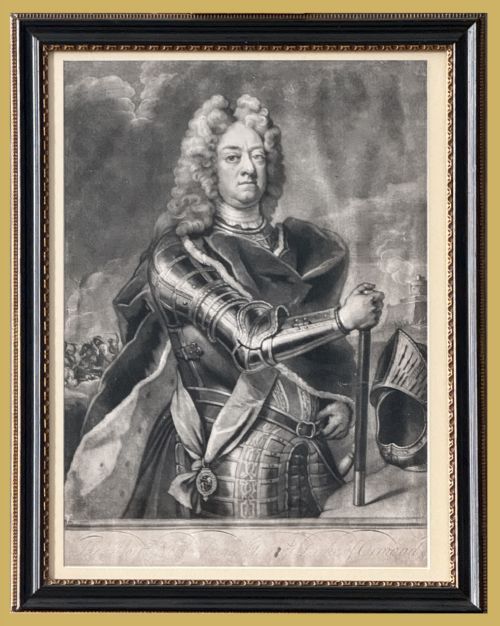
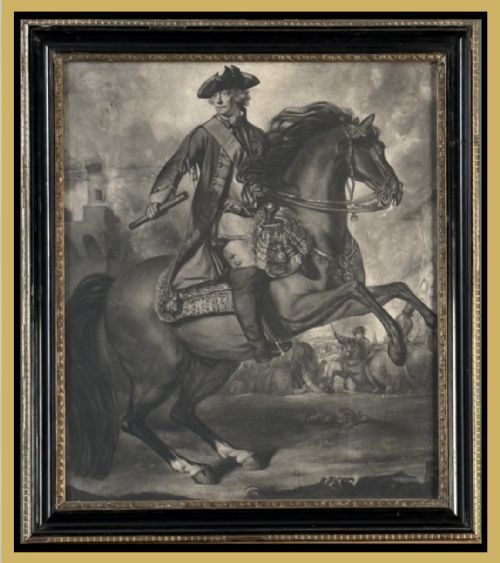
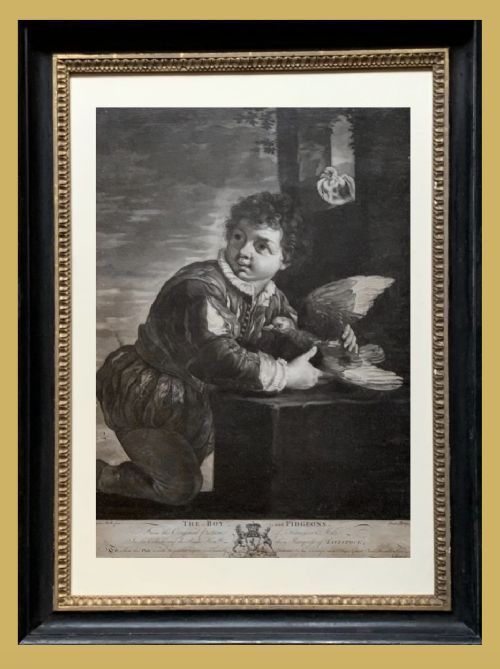
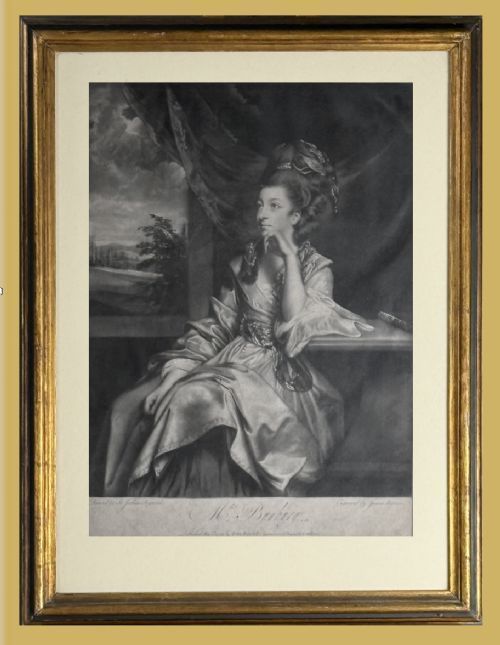
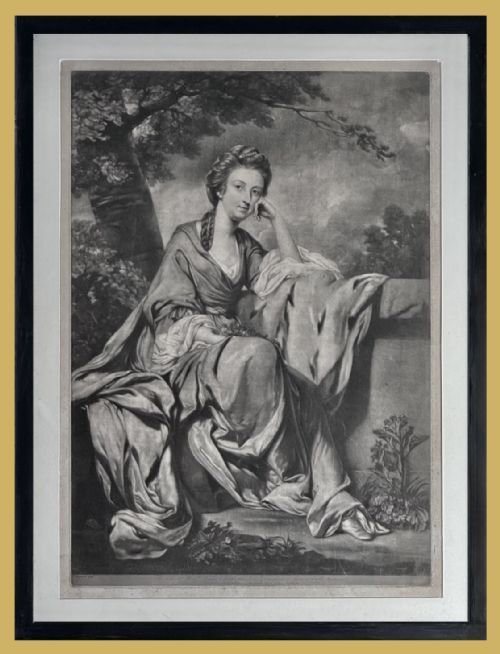
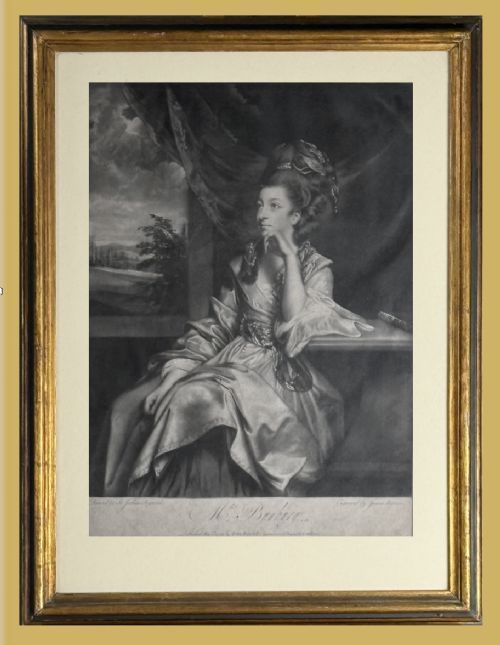
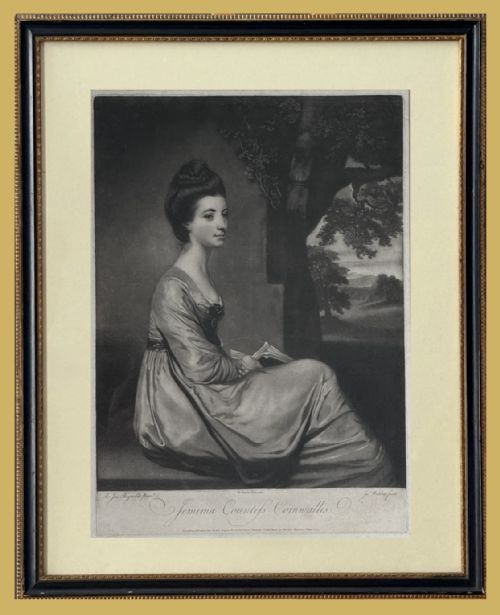
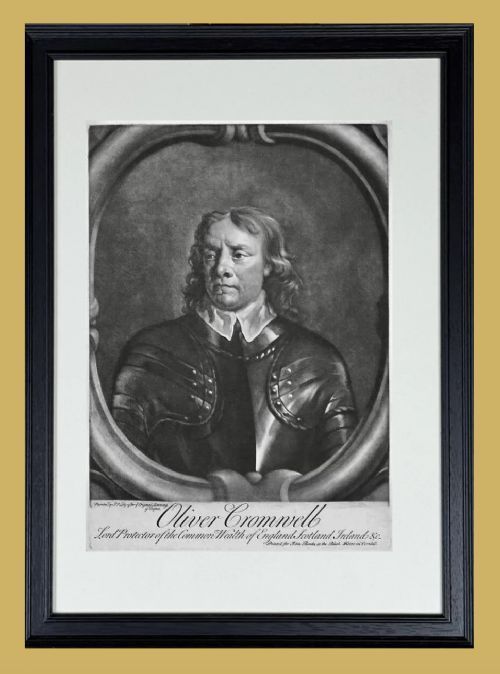
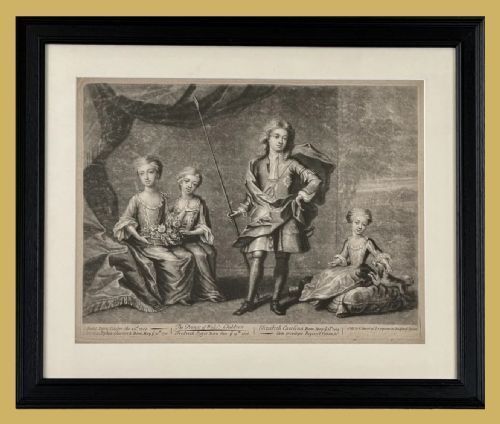
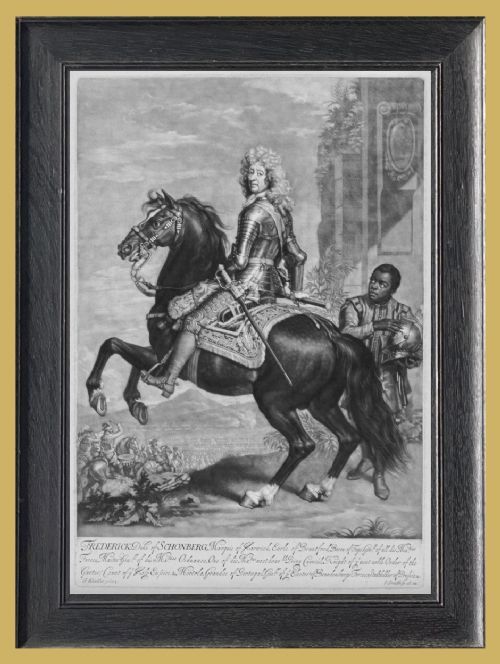
Monochrome portrait art centres on historical likenesses rendered in black and white tones across framed prints and engravings. Buyers examining this category will frequently encounter eighteenth-century mezzotints and engravings alongside nineteenth-century works and later etchings.
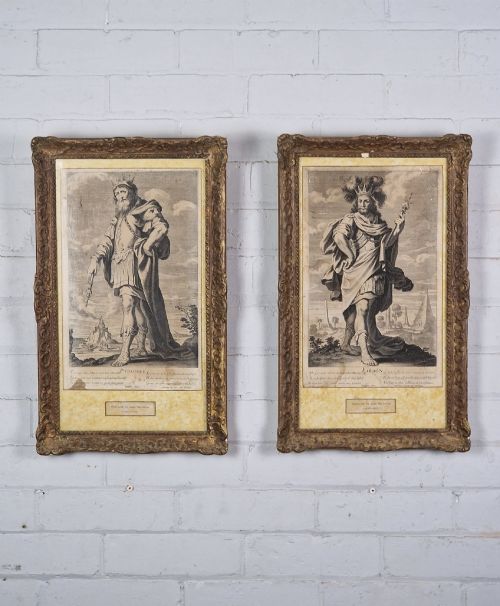
The selection spans subjects from nobility and royalty to literary and cultural figures, typically preserved behind glass within wooden frames carrying gold leaf or gilt details. These pieces originate from distinct periods including the seventeenth, eighteenth, and nineteenth centuries, reflecting diverse European traditions.
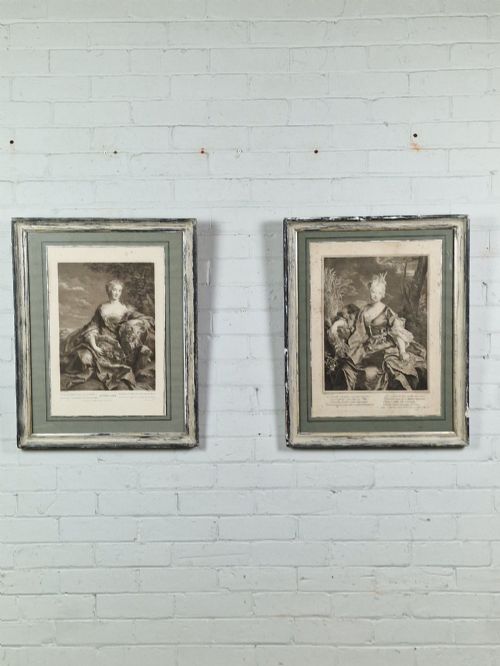
Works appear in various formats ranging from single framed artwork pieces to pairs and sets of engravings. The dominant forms rely on printmaking techniques rather than unique painted canvases, capturing the appearance of original oils through tonal gradations.
How They Were Made
Printmakers utilised copper plates and paper sheets, applying ink by hand to transfer detailed imagery through pressure. Mezzotint and engraving methods required meticulous work on metal plates to achieve smooth tonal transitions without relying on colour.
Artists often worked after original paintings by prominent portraitists, translating brushwork into intricate networks of lines and dots. Finished prints found housing in wooden frames, frequently enhanced with gilt wood or gold leaf accents.
Listings feature works spanning the seventeenth century through to the 1930s, utilising paper, ink, wood, and gold leaf.
What Varies in Quality
The strength of the impression on paper dictates the clarity of fine details in the subject's expression and attire. Early strikes from a copper plate deliver crisp lines and deep blacks, whereas later impressions lose definition as the metal wears down.
The choice of secondary materials, such as the survival of original gilt wood frames and clean paper margins, influences the preservation of the artwork. The skill of the engraver in capturing the likeness from the original painter also determines the artistic success of the piece.
John Simon·Edward Fisher·John Boydell·James Watson·John Smith·Valentine Green
The Monochrome Portrait Art Glossary
- Engraving
- A method of cutting design lines directly into a metal plate using a sharp tool called a burin. The resulting prints exhibit precise, clean lines.
- Drypoint
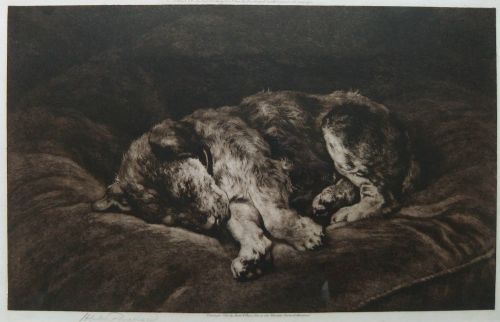
- A printmaking technique where an artist scratches directly into a metal plate with a sharp needle, raising a metal burr that holds ink for velvety lines. Herbert Dicksee utilised this method for detailed textures.
- Gilt
- Covered thinly with gold leaf or gold paint, often seen on the wooden frames enclosing these portraits. This finish adds a reflective border to the monochrome artwork.
- Impression
- An individual print pulled from a prepared plate during the printing process. Early impressions show the sharpest detail before the plate degrades.
Monochrome Portrait Art: Frequently Asked Questions
What is a mezzotint portrait?
A mezzotint portrait is a print created by working on a roughened copper plate to achieve deep tonal contrasts and smooth shadows. These works translate painted likenesses into black and white imagery.
Printers used this method extensively during the seventeenth and eighteenth centuries to reproduce formal portraits of notable historical figures.
How should I hang monochrome art?
These framed prints suit spaces away from direct sunlight to protect the paper and ink from fading over time. Pairing them with traditional room decor highlights their historical character.
Keep them behind glass in stable indoor humidity conditions to preserve both the paper support and the wooden or gilt frame.
Are these pieces original antiques?
The listings include period printmaking from the seventeenth, eighteenth, and nineteenth centuries. These are authentic historical impressions rather than modern reproductions.
Each piece reflects the printing technology and aesthetic standards of its specific era of production.
How do I identify the print technique?
Examine the surface under magnification to distinguish between dot patterns, engraved lines, and velvety mezzotint textures. Engravings show sharp incisions, while mezzotints display rich tonal areas.
Signatures or publisher inscriptions in the margins often name the engraver and the original painter.