
Scottish Art Portrait
A scottish art portrait records a face, a family line, or a public figure through centuries of changing technique.
Scottish Art Portrait
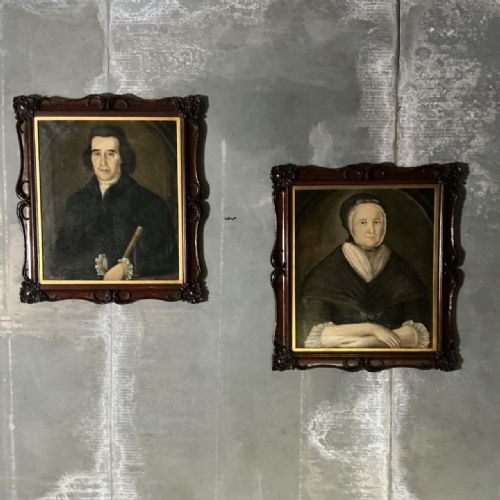
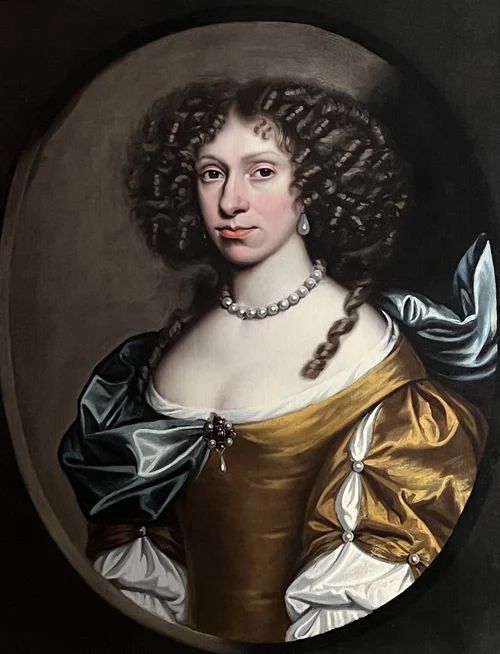
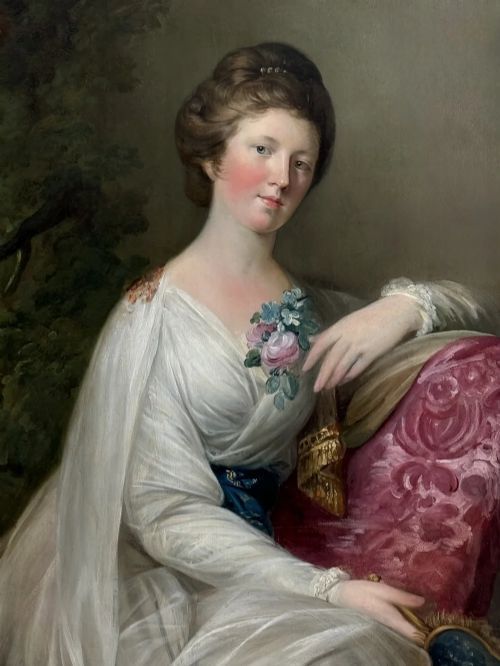
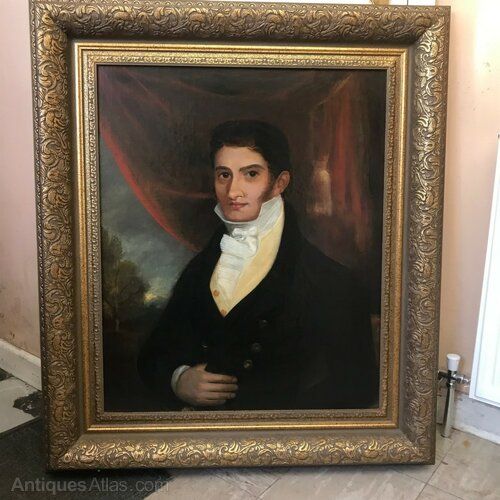
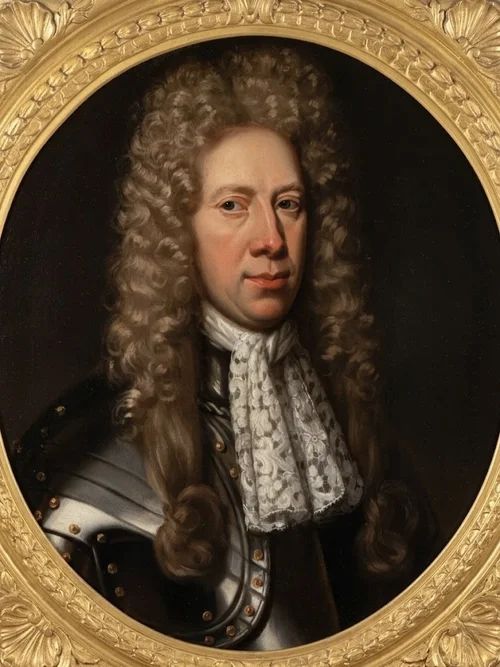
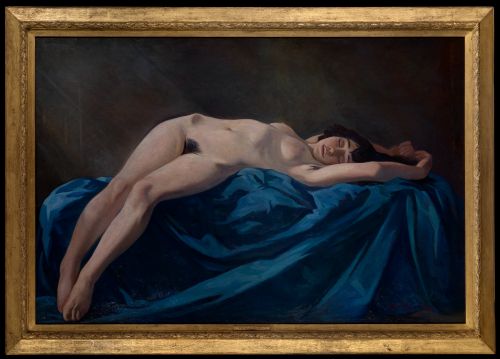
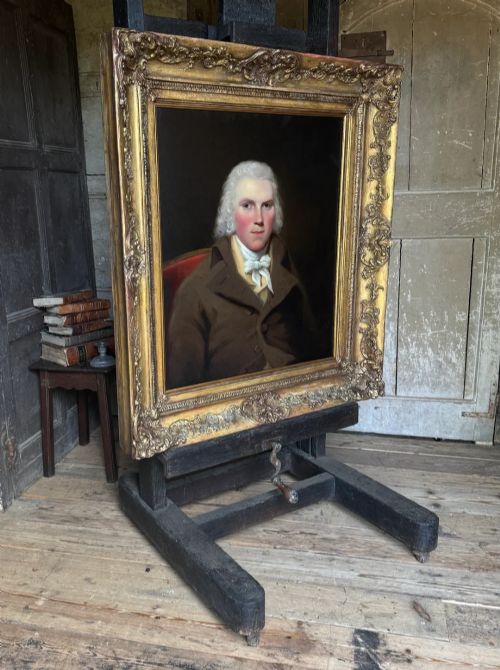
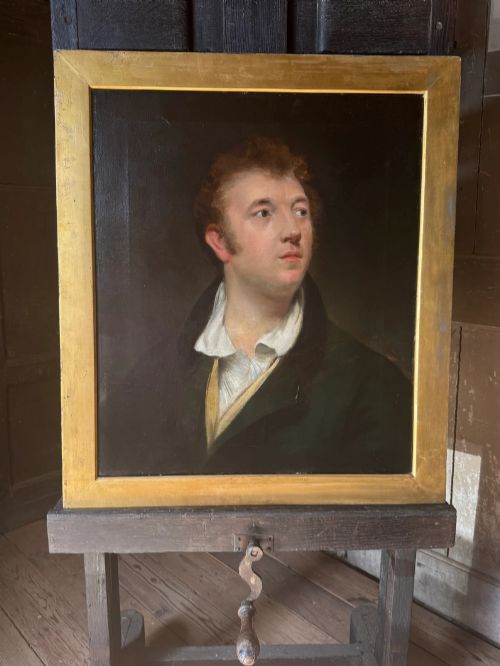
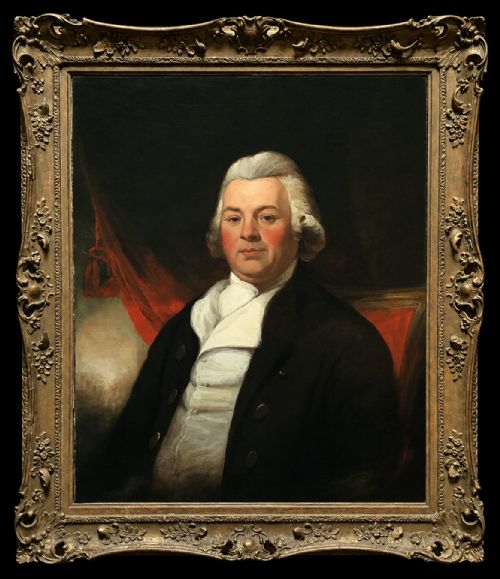
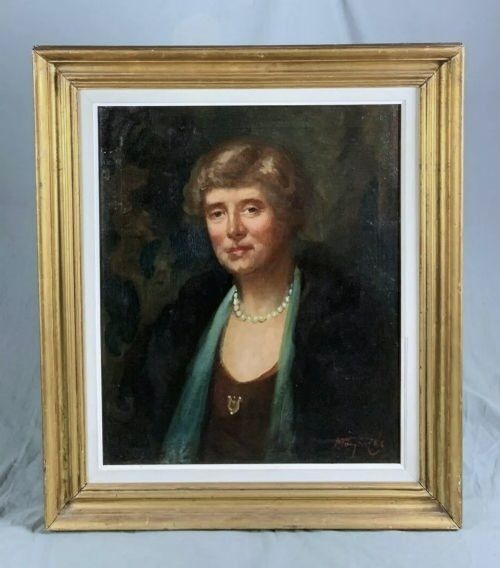
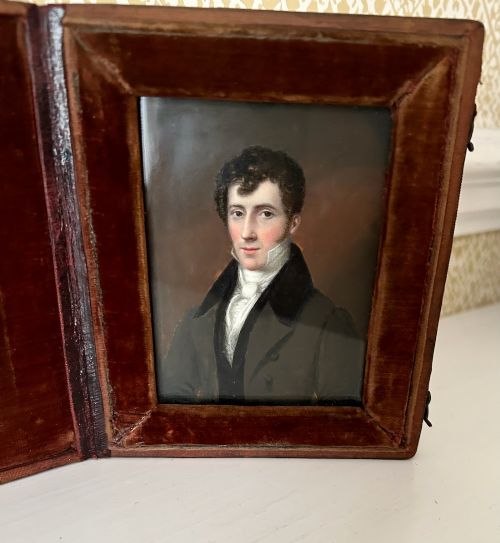
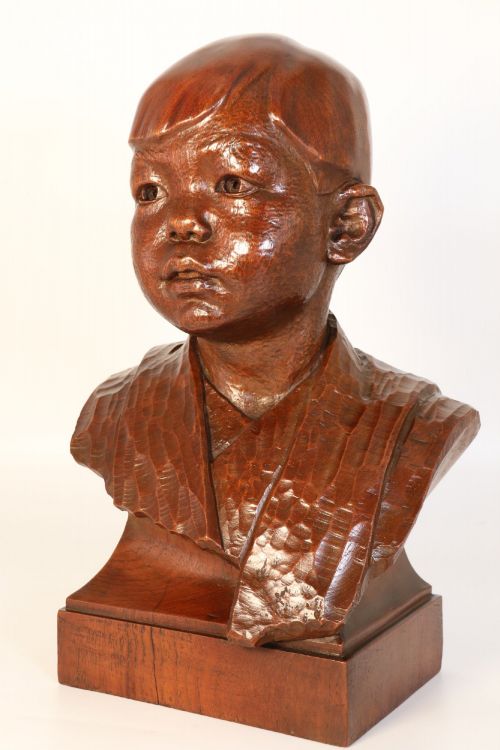
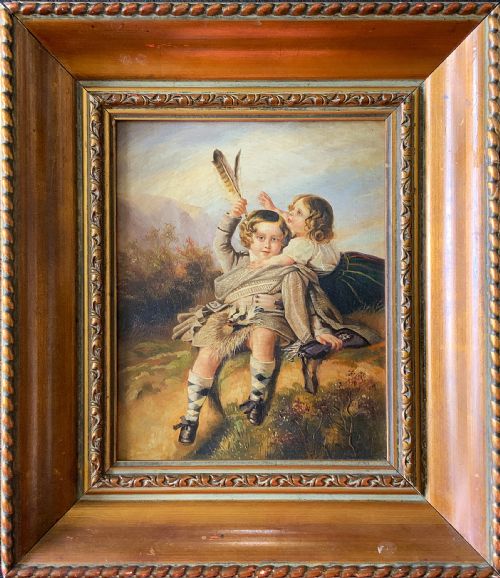
A scottish art portrait captures subjects ranging from seventeenth-century nobility in armour to Victorian children in tartan kilts. These works appear primarily as oil paintings on canvas, alongside watercolours, portrait miniatures, and carved walnut sculpture busts.
The selection spans periods from the seventeenth century through the Georgian, Victorian, and Edwardian eras into the early twentieth century. Works depict named historical figures, clan members, military officers, and local professionals recorded by regional artists.
Materials and Construction
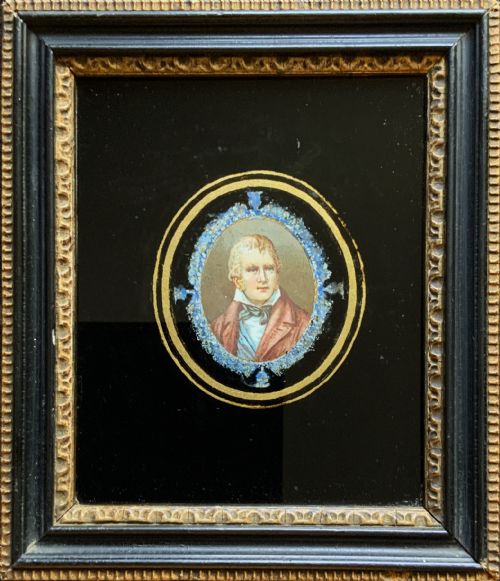
Artists relied primarily on oil paint applied to canvas or wood panels, utilising fine brushes to capture fabric textures, lace collars, and ceremonial red tunics. Watercolours on paper provide lighter studies of interiors and figures, while portrait miniatures achieve remarkable detail on small formats framed in wood or giltwood.
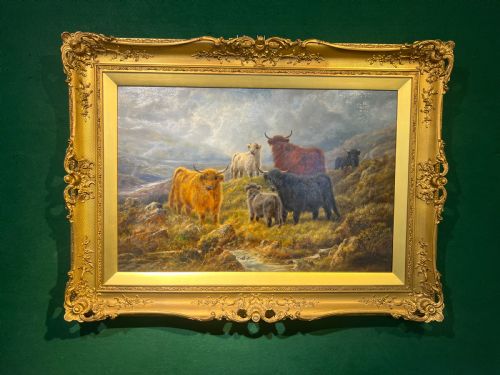
Several portraits share wall space with blue chow dogs and Highland cattle braving the snow.
Distinctions in Quality
Technical skill in handling facial expression, light, and fabric drape separates accomplished works from standard regional output. Superior paintings demonstrate a confident grasp of anatomy and character, whereas lesser pieces rely on formulaic composition.
The historical significance of the sitter and the attribution to a recorded artist or documented studio elevate the standing of a piece within the field. Preservation of the original paint surface and contemporary framing further influence the standing of these works.
DAVID SCOUGALL·GEORGE WILLISON·JOHN SCOUGALL·JAMES HOWE·GEORGE WATSON·CHARLES JAMES MCCALL·WILLIAM WATT MILNE·GEORGE HENRY PAULIN·W.E. EVANS·ROBERT EADIE·J D FERGUSSON·JOHN HORSBURGH·JOHN SMITH OF EDINBURGH·ALAN RAMSAY
The Scottish Art Portrait Glossary
- Oil on Canvas
- Pigments bound in a drying oil applied to a stretched woven fabric support. This combination allowed artists to build rich layers of colour and texture.
- Portrait Miniature
- A small, highly detailed painting on paper, vellum, or ivory. These portable likenesses were often kept as personal mementoes.
- Giltwood
- Wood that has been coated with a thin layer of gold leaf or powder. It frequently appears on traditional antique frames.
- Scottish School
- A loose grouping of artists working in Scotland across various periods. The term links creators by regional practice rather than a single unified style.
- Hogarth Framed
- A style of picture frame featuring a distinct convex moulding, typically finished in dark wood or black. It gained popularity for framing works on paper and smaller canvases.
Scottish Art Portrait: Frequently Asked Questions
What periods do these portraits cover?
The selections span from the seventeenth century through the Georgian and Victorian eras into the early twentieth century.
Earlier examples often depict named nobility and clergy, while later nineteenth and twentieth-century works capture children, military officers, and everyday scenes.
Are these works painted on canvas?
Many examples utilise oil paint on canvas or wood panels, capturing fine details of clothing and expression.
Other works employ watercolour on paper, painted silhouettes, or carved walnut for three-dimensional portrait busts.
How were portrait miniatures used?
Portrait miniatures provided portable likenesses of family members or public figures during the nineteenth century.
These small-scale works often featured dedicated frames designed to protect the delicate surface while allowing close viewing.
How do I identify the sitter in a painting?
Many works include inscriptions on the canvas, reverse, or original framing that record the name, title, or dates of the individual.
Uniforms, clan tartans, and heraldic elements also offer clues to the social standing and background of the subject.