

Original Portrait Drawing
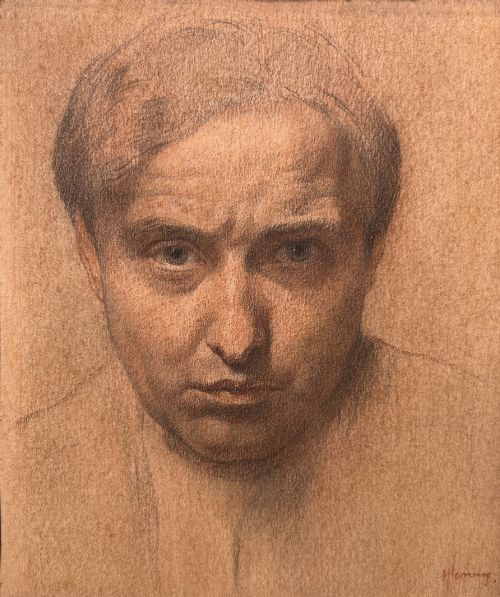
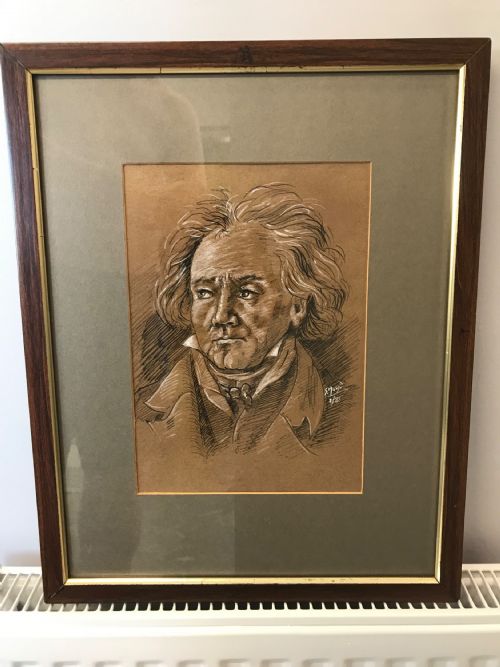
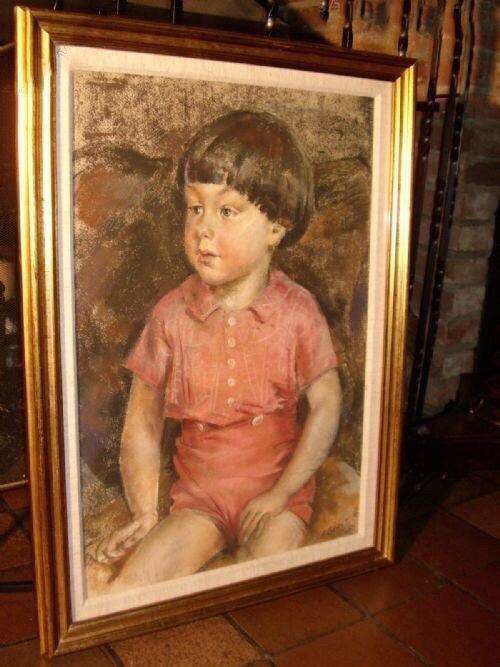
Original portrait drawing brings immediate character into a room through hand-rendered likenesses executed in graphite, pastel, or charcoal across centuries.
Original Portrait Drawing
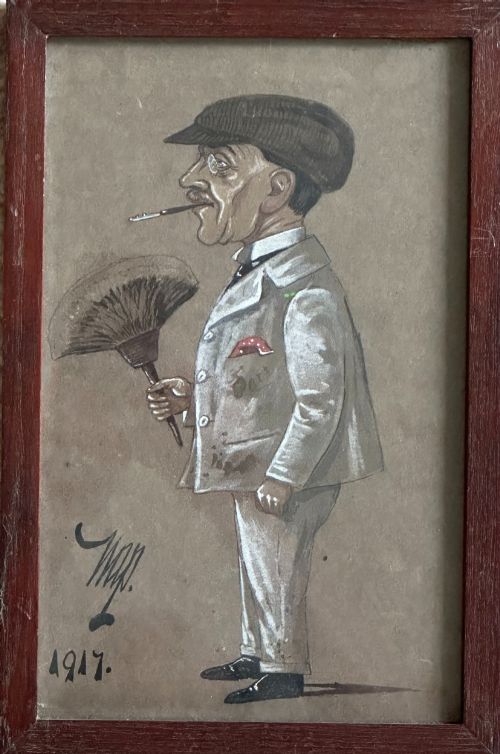
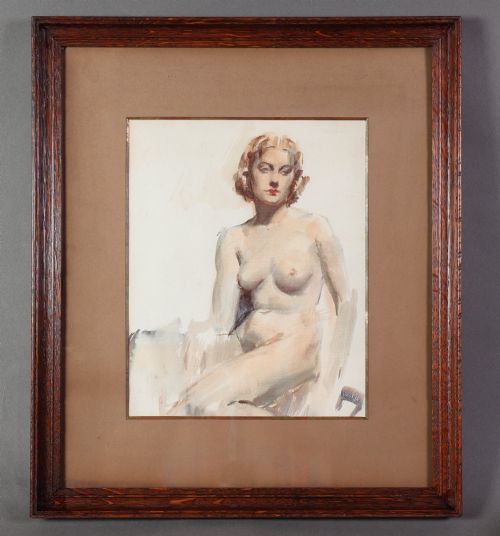
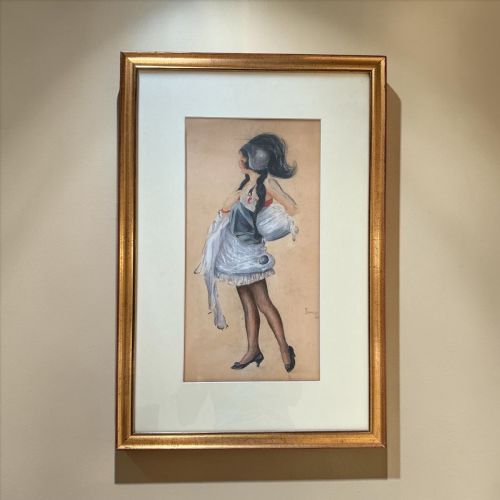
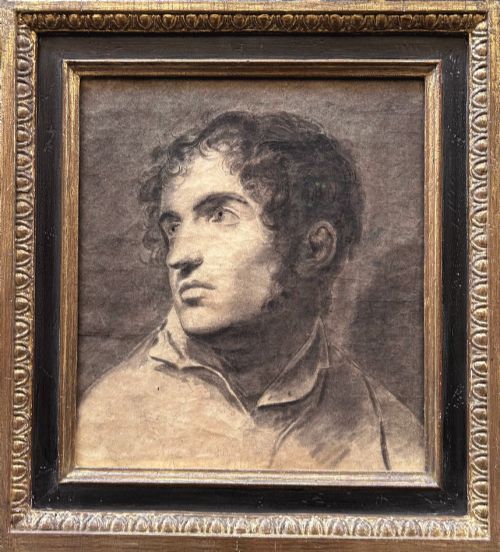
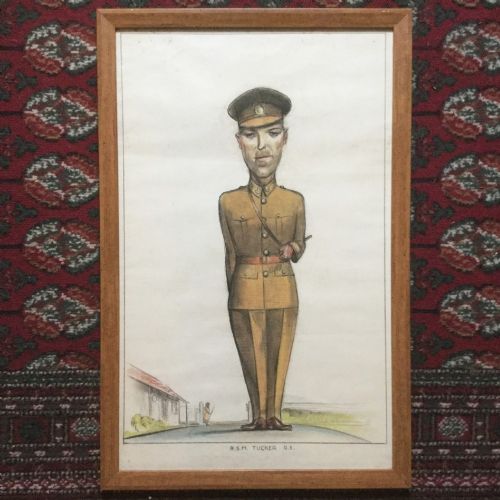
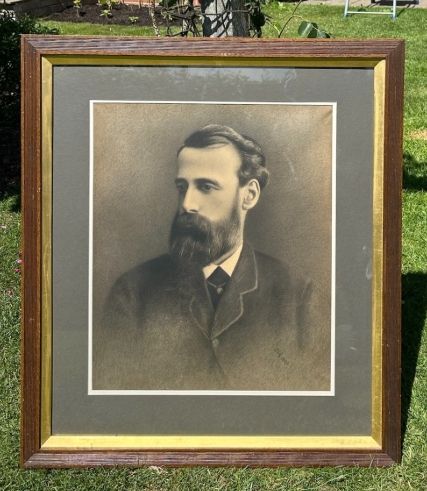
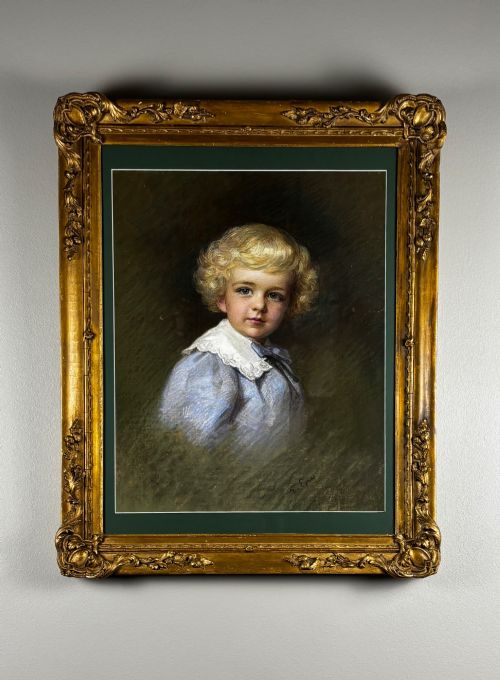
Original portrait drawing encompasses hand-drawn depictions of human and animal subjects executed on paper supports using mediums such as graphite, charcoal, and pastel. These works span from nineteenth-century academic life studies to mid-century modern character sketches and early twentieth-century caricatures.
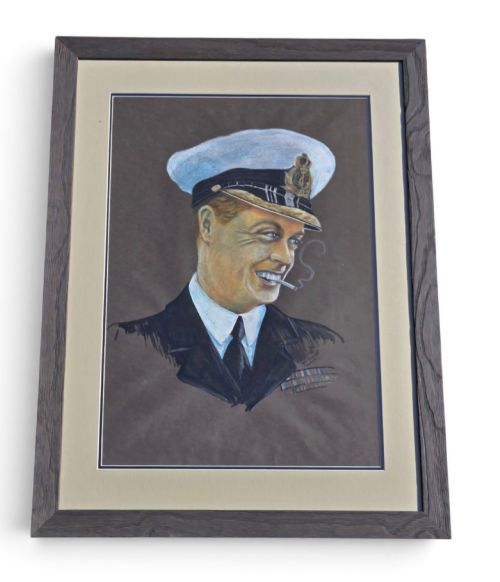
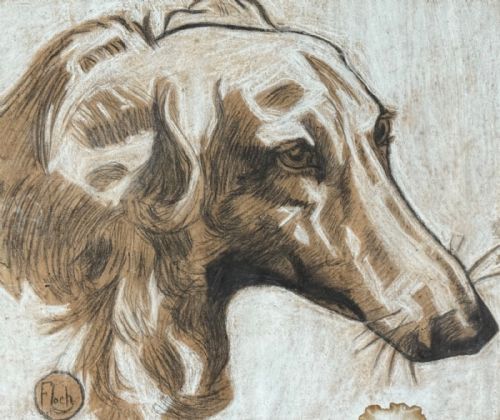
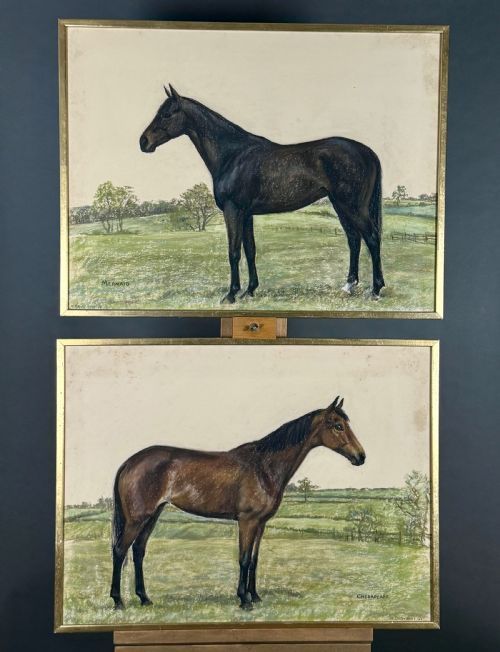
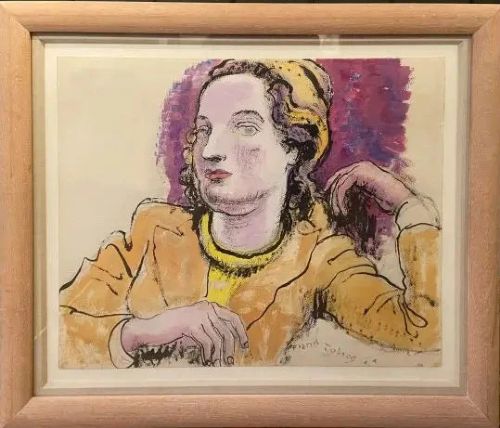
Buyers frequently encounter nineteenth-century pencil studies of ladies and gentlemen alongside robust twentieth-century pastels depicting military personnel, dancers, and studio models. Academic life drawings and informal animal studies also appear regularly within the selection.
The materials generally consist of worked paper preserved beneath glass within period frames, frequently utilising original maple or moulded timber surrounds that complement the age of the artwork.
How they were made
Artists utilised dry mediums such as graphite, charcoal, and compressed pastel applied directly to paper sheets, buff paper, or card supports. These materials allowed draughtsmen to build tone through hatching, smudging, and layering.
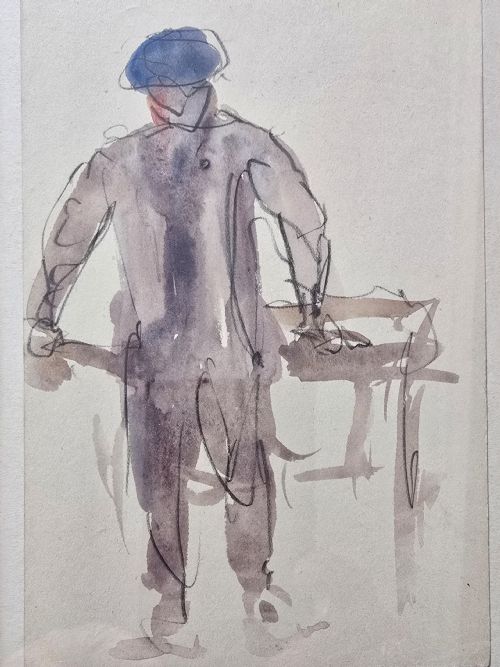
Many works incorporate gouache or watercolour washes over preliminary ink or pencil lines to introduce subtle areas of colour. Framed examples often retain their original glass and wooden backing boards applied during the Victorian or mid-century periods.
Listings feature works executed on paper supports using pastel, charcoal, graphite, ink, and watercolour across the nineteenth and twentieth centuries.
What varies in quality
The strength of the draughtsmanship separates routine academic exercises from compelling character studies, visible in the confidence of the initial line and the rendering of facial structure. Handling of light and shadow demonstrates the artist's ability to create depth on a flat sheet.
Condition of the paper support heavily influences overall character, with clean, stable sheets commanding greater appreciation than those marred by heavy foxing or moisture staining. The presence of an original period frame that suits the era of the drawing enhances the integrity of the piece.
Frank Dobson·Herbert Johnson Harvey·Augustus John·Henry Arthur Roberts·Arthur Todd·Raoul Millais·Lucien Freud·Winifred Eugene Ballard·John Hoppner·Harry Epworth Allen·Jacob Kramer·Harold Hope Read·Richard Beavis·John Frederick Lewis·Keeley Halswelle·William Henry Hunt·Maurice Feild·Charles Edward Marshall·Sir George Hayter
The Original Portrait Drawing Glossary
- Pastel
- A dry painting medium consisting of powdered pigment and a binder rolled into sticks. It creates velvety textures and vibrant colour fields when applied to textured paper.
- Charcoal
- Burnished vine or willow wood used for sketching and finished works. It yields deep blacks and permits rapid tonal blending.
- Graphite
- A crystalline form of carbon encased in wood or used in block form for linear precision and tonal shading. Pencil drawings rely entirely on this mineral.
- Gouache
- An opaque water-based paint composed of pigment, water, and an inert white filler. It provides solid, flat areas of colour in mixed media drawings.
- Foxing
- Brown spots and discolouration caused by chemical reactions within aged paper over decades. It appears frequently on antique sheets exposed to humidity.
Original Portrait Drawing: Frequently Asked Questions
How should I frame an unframed drawing?
Choose a simple wooden moulding and acid-free mount board to protect the paper from direct contact with the glass. Ensure a professional framer seals the back to keep out dust and atmospheric moisture.
Keep the piece away from direct sunlight to prevent the graphite, charcoal, or pastel pigments from fading over time.
Can I hang these drawings in bright rooms?
Paper supports and coloured pastels remain sensitive to ultraviolet light and benefit from placement away from direct southern exposure. Using museum glass can filter damaging rays while maintaining clarity.
Rotate pieces occasionally or monitor lighting levels to preserve the original strength of the ink and chalk.
How do I identify the period of a drawing?
Examine the clothing, hairstyle, and framing materials, as these details frequently reflect the prevailing fashions of the execution date. Paper watermarks and ink types also provide clues for earlier works.
Signatures, dates inscribed by the artist, and gallery labels on the reverse offer definitive chronological markers.