


Pencil Portrait Sketch
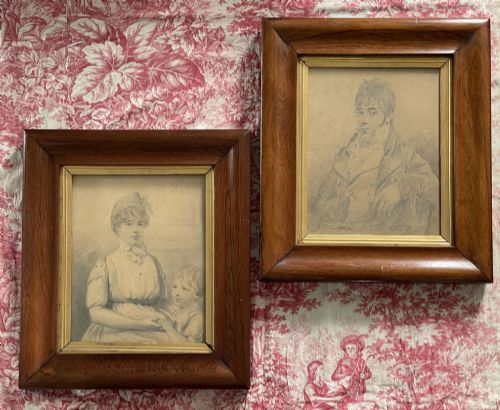
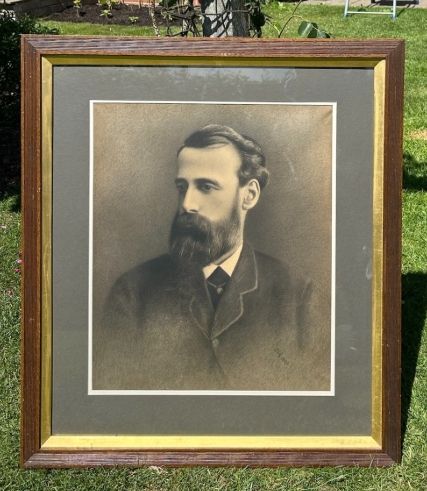
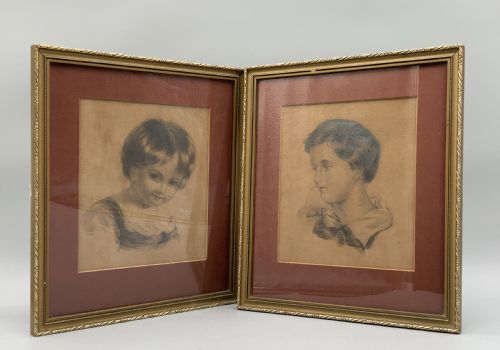
When you search for a pencil portrait sketch, you are looking at intimate works on paper spanning from the eighteenth century through to the mid-twentieth century.
Pencil Portrait Sketch
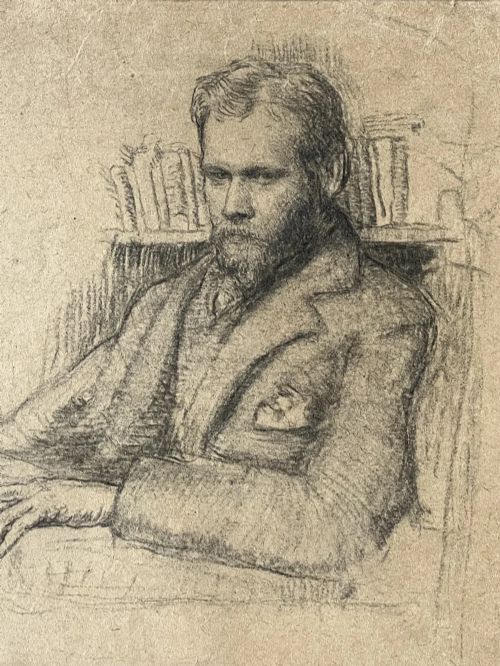
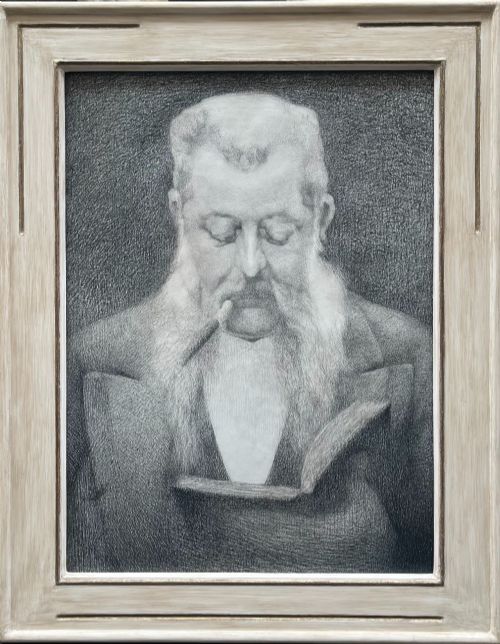
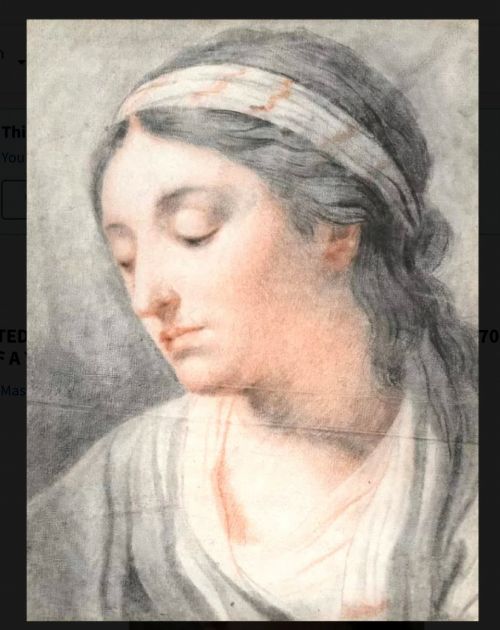
A pencil portrait sketch captures the likeness and character of an individual through direct draughtsmanship on paper. These works range from rapid compositional studies to highly finished academic drawings intended as finished portraits.
Buyers searching this phrase will frequently encounter nineteenth-century Victorian examples, alongside eighteenth-century plumbago drawings and early twentieth-century modernist works. The selection moves fluidly between intimate family records and professional academic studies.
Most pieces arrive framed and mounted under glass, preserving the delicate graphite, charcoal, or chalk surfaces from atmospheric damage. Their formats vary from small oval head studies to substantial framed works on paper.
Materials and Techniques
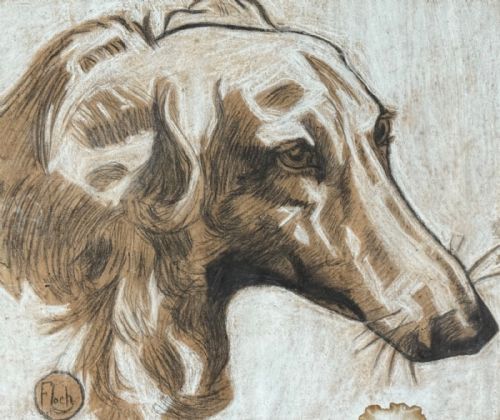
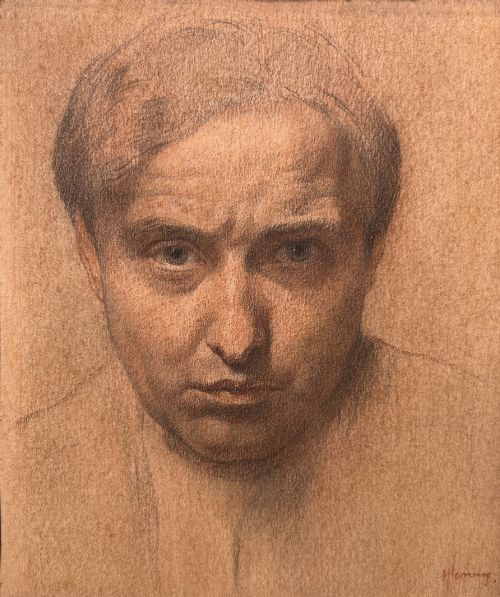
The primary medium is graphite or pencil on paper, often supported by charcoal, chalk, or tinted washes of watercolour and gouache. Artists worked on various paper types, including buff paper, tinted sheets, and plain white stock.
Draftsmen utilised dry media to build form through line, hatching, and tonal shading, occasionally adding subtle highlights in white chalk. Fixatives were sometimes applied to prevent smudging in delicate charcoal and plumbago compositions.
Assessing Quality in Portraiture
Quality in a pencil portrait sketch rests upon the confidence of the line and the psychological depth captured in the sitter's expression. Superior examples demonstrate an economy of stroke where every mark defines bone structure or personality without hesitation.
The reputation of the artist, contemporary provenance, and the condition of the paper surface significantly influence the standing of a piece. Well-preserved sheets free from heavy foxing or acid burning command greater appreciation from collectors.
Augustus John·J D Fergusson·Raoul Millais·Ozias Humphry·Mariette Lydis·Faeq Hassan·Dame Laura Knight·Theobald Chartran·Richard Beavis·William Henry Hunt
The Pencil Portrait Sketch Glossary
- Plumbago
- A drawing executed in graphite, which was historically known by this term before the word pencil came into common use. These finely detailed monochrome portraits were particularly popular during the seventeenth and eighteenth centuries.
- Hatching
- Parallel lines drawn closely together to create shadow and volume in a drawing. Cross-hatching involves layering sets of parallel lines at angles to build deeper tones.
- Buff paper
- A pale brownish-yellow or tan coloured paper often utilised by artists to provide a neutral mid-tone background. White highlights stand out effectively on this surface.
- Works on paper
- A broad category encompassing drawings, sketches, watercolours, and prints executed on paper supports. This term is standard among galleries and auction houses.
- Academic realism
- A style of painting and drawing produced under the influence of European academies of art. It emphasises precise anatomical accuracy, careful observation, and finished technique.
Pencil Portrait Sketch: Frequently Asked Questions
How should I display a pencil portrait sketch?
Keep these works on paper away from direct sunlight to prevent the graphite, charcoal, or watercolour elements from fading over time. Ensure they are framed with acid-free mount board to protect the paper edges from discoloration.
Maintain stable indoor humidity levels to safeguard the paper support against warping or moisture damage. Professional framing under protective glass remains essential for long-term preservation.
How do I identify the date of an antique sketch?
Examine the watermark within the paper if visible, alongside any inscribed dates, signatures, or historical labels attached to the reverse of the frame. Stylistic clues such as clothing, hair styling, and framing materials also offer reliable chronological indicators.
Comparison with documented works by the same artist or school helps narrow down the period of creation. Archival provenance records provide the most definitive dating evidence.
Can I remove foxing spots from old paper?
Foxing spots appear as brownish-yellow age marks caused by chemical reactions within the paper pulp over long periods. Attempting amateur cleaning often results in permanent damage to the delicate graphite or watercolour media.
Entrust any conservation or paper cleaning to a professional conservator who understands works on paper. Many collectors prefer to leave minor, stable age foxing untouched as evidence of genuine antiquity.