


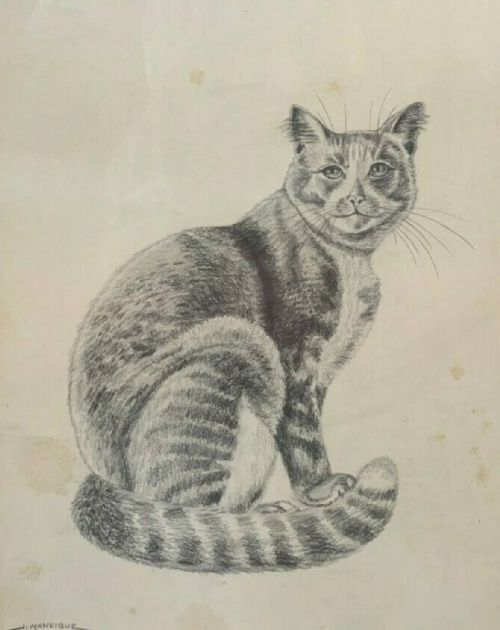


Signed Portrait Drawing
A signed portrait drawing brings a distinct human presence into a room, recording a specific individual through the immediate touch of the artist's hand.
Signed Portrait Drawing
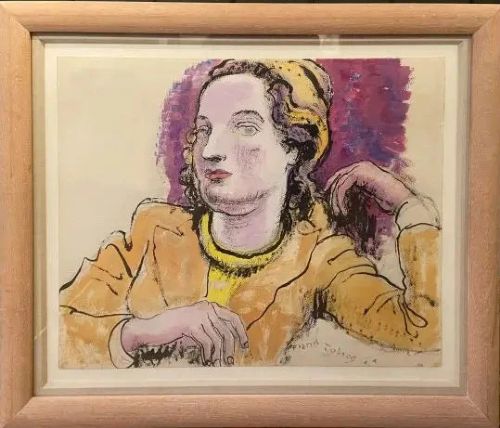
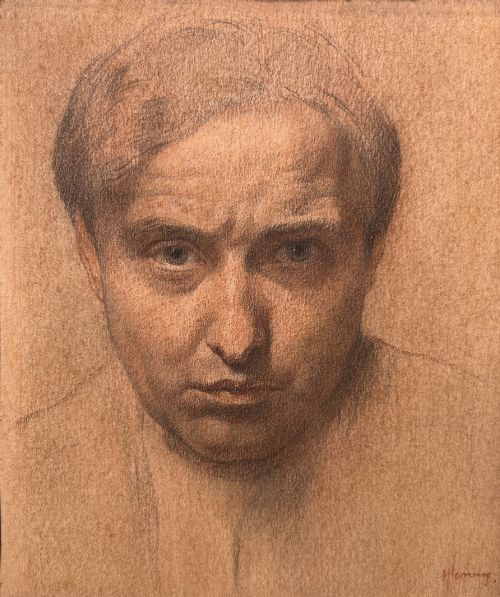
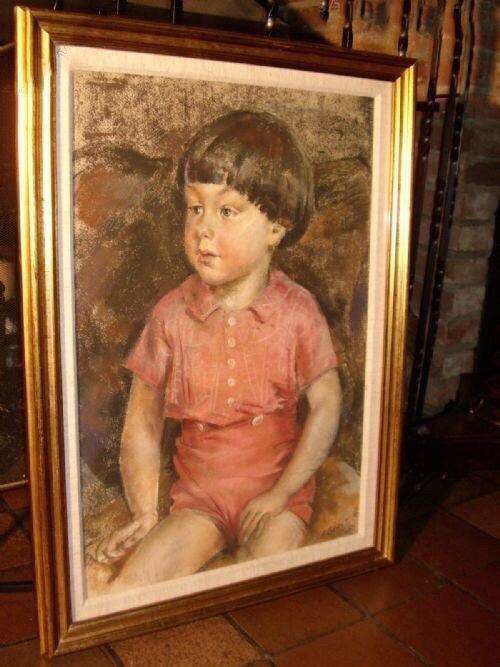
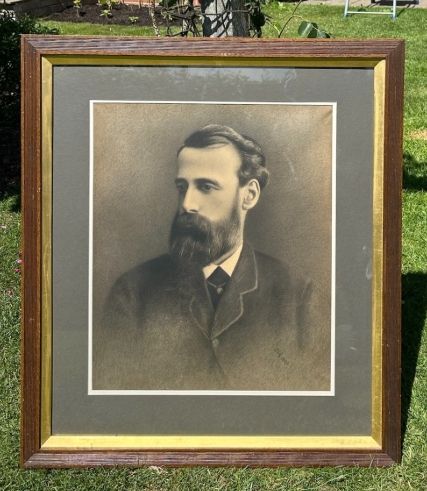
When you search for a signed portrait drawing, you encounter works on paper spanning from the nineteenth century through the mid-twentieth century, encompassing Victorian studies, early twentieth-century realism, and modern British pieces.
The selections range from detailed nineteenth-century pencil and watercolour studies of gentlemen and ladies to expressive mid-century charcoal, chalk, and pastel sketches of subjects from soldiers to artists.
Most pieces appear framed behind glass, preserving the delicate surfaces of works executed as finished exhibition pieces or intimate preparatory sketches.
Materials and technique
Artists relied primarily on paper supports, applying mediums such as graphite, charcoal, chalk, and ink to build form through line and tone.
Colour is introduced through watercolours, pastels, and gouache, often layered over pencil underdrawing to combine linear precision with painterly depth.
Several portraits preserve the likenesses of family pets, including spaniels and a stylish cat depicted in oil pastels.
What varies in quality
Quality rests upon the sureness of the draughtsmanship and the psychological engagement the artist achieves with the sitter, separating casual likenesses from masterly character studies.
The preservation of the paper support and the vibrancy of fugitive mediums like pastel and watercolour further distinguish superior examples.
Frank Dobson·Herbert Johnson Harvey·Augustus Edwin John·Raoul Millais·Lucien Freud·Robert Faulkner·Reginald G. Eves·Faeq Hassan·Dame Laura Knight·Theobald Chartran·Francis Dodd·Juliet Pannett·Harry Epworth Allen·Jacob Kramer·Harold Hope Read·Sir John Everett Millais·Jean Betourne
The Signed Portrait Drawing Glossary
- Graphite
- A form of carbon used in pencils, allowing for varied line weights and delicate tonal shading on paper. It provides the foundational structure for many traditional portrait studies.
- Pastel
- A medium consisting of powdered pigment and a binder, offering rich, velvety colour application. Pastels require framing under glass to prevent the pigment from smudging.
- Gouache
- An opaque water-based paint that dries to a matte finish, often used alongside transparent watercolour to add highlights. It allows artists to build solid areas of colour and light.
- Provenance
- The documented history of ownership of an artwork, helping to establish its authenticity and origin. A clear provenance connects the drawing to the artist or studio of creation.
Signed Portrait Drawing: Frequently Asked Questions
How do I identify the period of a portrait?
Clothing styles, hairstyles, and facial hair offer immediate clues to a portrait's era, shifting distinctly from Victorian formality to mid-century modernism. Framing techniques and paper types also provide supporting evidence for dating.
Signatures, dates, and inscriptions written on the front or reverse of the sheet often confirm the exact year of execution. Comparing the hand with known works by the artist helps verify the period.
What is the difference between a study and a finished portrait?
A study is typically a preparatory or exploratory drawing focused on capturing a specific pose, expression, or lighting effect. These works often show visible working lines and less attention to background detail.
A finished portrait is a fully resolved composition intended as a complete standalone artwork. These pieces feature greater tonal completion and careful attention to the sitter's entire presentation.
Where should I hang a drawing in my home?
Choose interior walls that receive indirect ambient light rather than harsh, direct rays. Hallways, studies, and sitting rooms offer suitable environments away from kitchen moisture and temperature extremes.
Because portrait drawings invite close inspection, hang them at eye level where viewers can appreciate the fine details of the artist's line work and texture.