



Brown Paper Sketch
Brown paper sketch brings together direct works on tinted and toned paper from the eighteenth century onwards.
Brown Paper Sketch
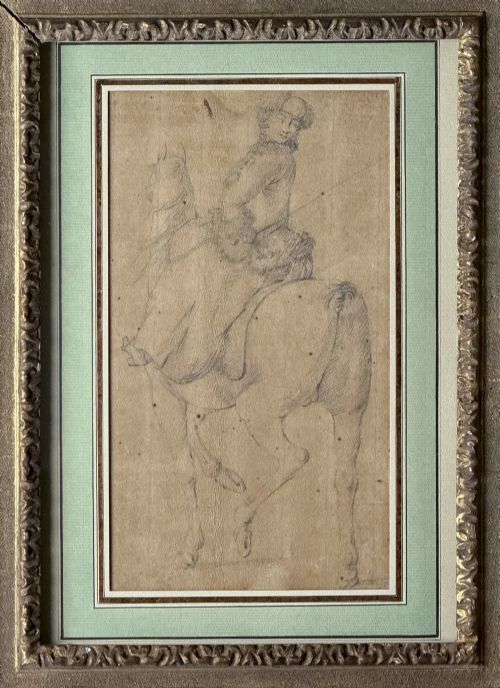
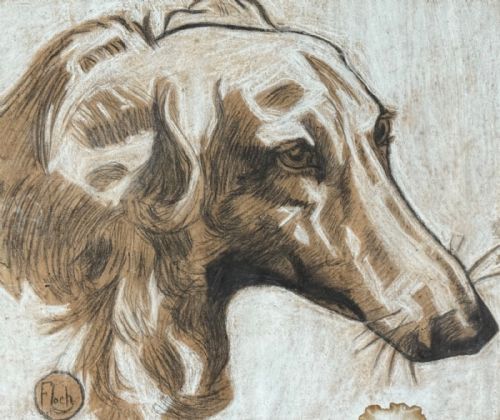
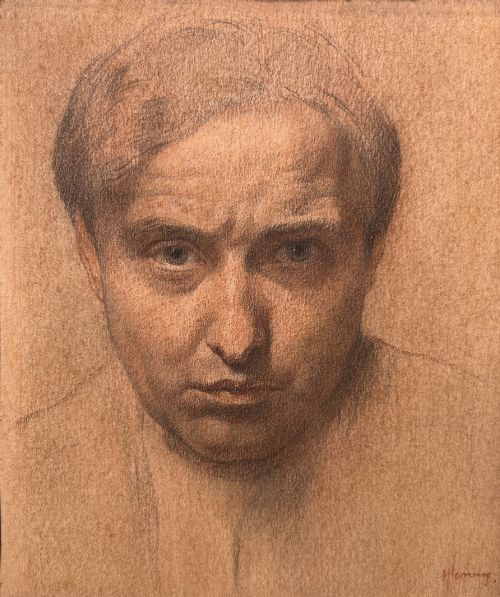
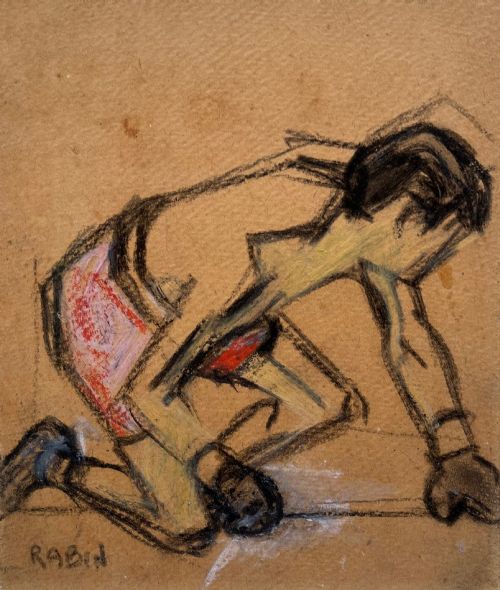
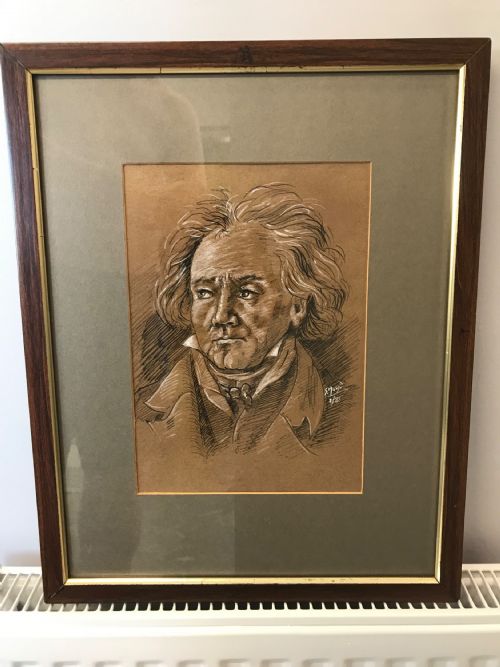
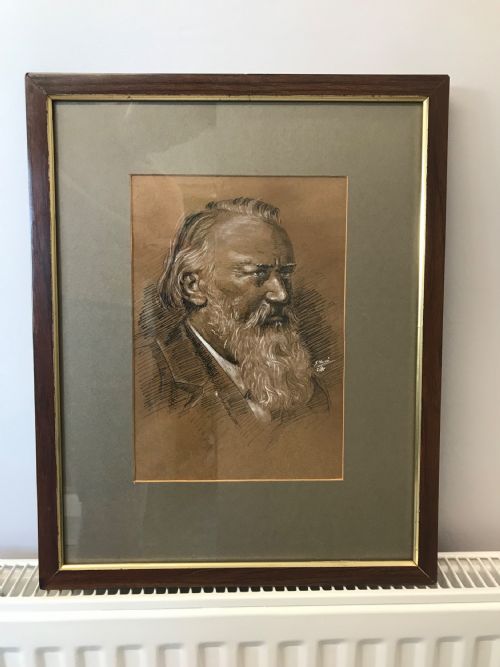
A brown paper sketch captures a direct artistic thought on tinted surfaces, ranging from early equestrian studies to twentieth-century portraits. These works utilise the warm tone of the paper as a mid-tone, allowing highlights and shadows to emerge with minimal effort.
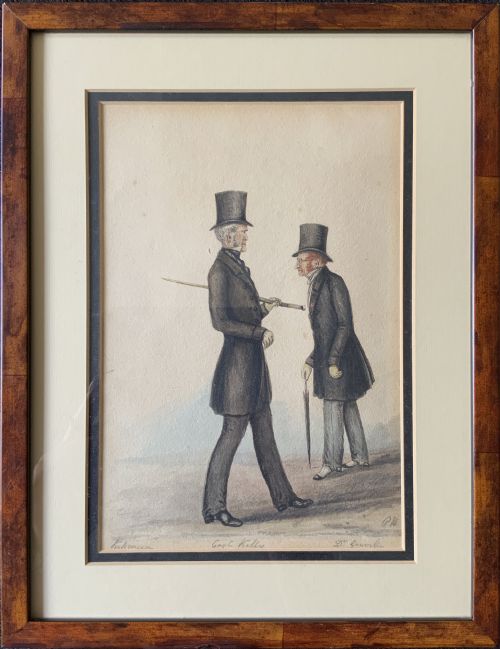
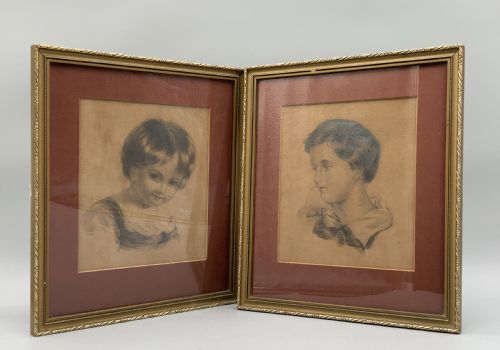
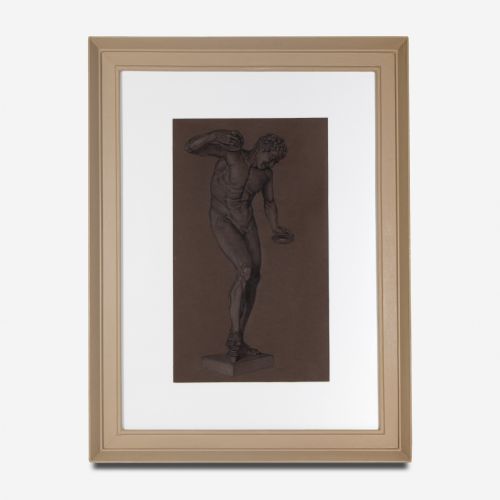
The pieces appearing on this page span several centuries, with a strong representation of nineteenth-century drawings alongside twentieth-century examples. Forms include framed original artwork, architectural drafts, landscape watercolours, and detailed portraiture.
Makers include named artists and regional schools working across Britain and continental Europe. Collectors encounter everything from rapid chalk studies to finished gouache paintings executed on buff and coloured sheets.
How they were made
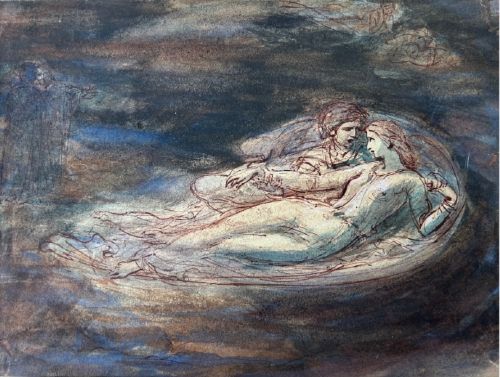
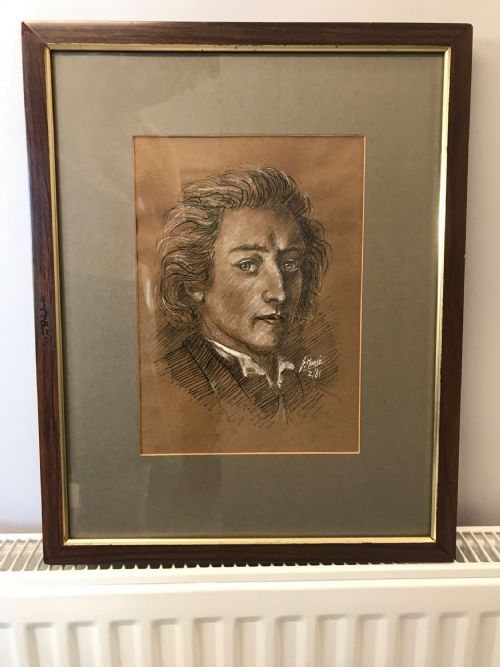
Draftsmen and painters utilised a combination of pen and ink, graphite, charcoal, and watercolour on prepared paper supports. The choice of buff, brown, or coloured paper provided an immediate chromatic base that influenced the final composition.
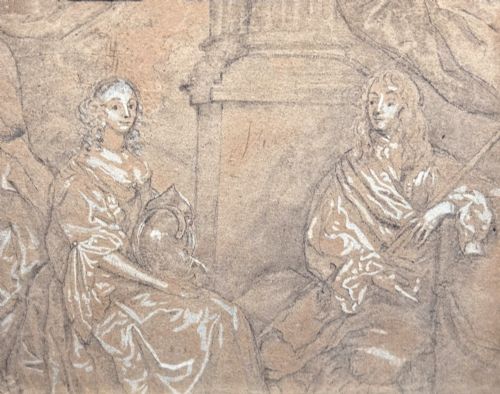
Artists applied gouache and chalk to introduce opaque highlights that pop against the dark fibres of the sheet. Fixatives and framing protected these fragile compositions from light and handling over generations.
Cats, dogs, horses, and theatrical figures jostle for space with solemn nineteenth-century composers and statesmen.
What varies in quality
The vitality of the line and the confidence of the execution separate a hasty student exercise from the confident hand of a master. Direct observation and expressive handling elevate portrait and landscape studies above rigid academic copies.
Condition plays a central role, distinguishing clean sheets with strong pigment retention from those affected by heavy foxing, fading, or acidic backing materials. The harmony between the drawn medium and the ageing paper surface determines the visual balance.
Herbert Johnson Harvey·Samuel Rabin·John Rattenbury Skeaping·Louis Wain·Lawrence Stephen Lowry·Theobald Chartran·Henri Josephe Hesse·Joseph Hansom·Fred Lawson·George Richmond·Sir Nathaniel Dance-Holland·Thomas Lound·Juliet Pannett
The Brown Paper Sketch Glossary
- Buff paper
- A pale brownish-yellow paper stock that provides a warm neutral background for charcoal and gouache.
- Wash
- A diluted application of ink or watercolour used to create broad areas of tone and shadow.
- Gouache
- An opaque water-based paint that yields solid highlights on tinted paper surfaces.
- Foxing
- Brown spots caused by chemical reactions in ageing paper over long periods.
- Staithe
- A landing stage for loading timber or goods, seen frequently in nineteenth-century English watercolours.
Brown Paper Sketch: Frequently Asked Questions
What is a brown paper sketch?
A brown paper sketch is a drawing or painting executed on tinted, buff, or brown paper rather than standard white stock.
Artists utilised this technique to build up highlights and shadows rapidly against a pre-toned background.
How should I frame these drawings?
Works on paper require conservation-grade mounting to prevent direct contact between the sheet and the glass.
Keeping frames away from direct sunlight protects sensitive watercolours and inks from fading.
Are these works original art?
The selections on this page consist of original hand-drawn or painted works rather than mass-produced prints.
Each piece reflects the direct touch of the artist through ink, pencil, chalk, or wash.
How do I date a sketch?
Dating relies on stylistic evidence, artist signatures, costume details, and the physical characteristics of the paper.
Many sheets carry period inscriptions or collector marks that narrow down their exact era of creation.