

Georgian Artwork on Paper
Georgian artwork on paper comprises original drawings, watercolours, silhouettes and prints from the eighteenth and early nineteenth centuries that bring intimate historical character to domestic interiors.
Georgian Artwork on Paper
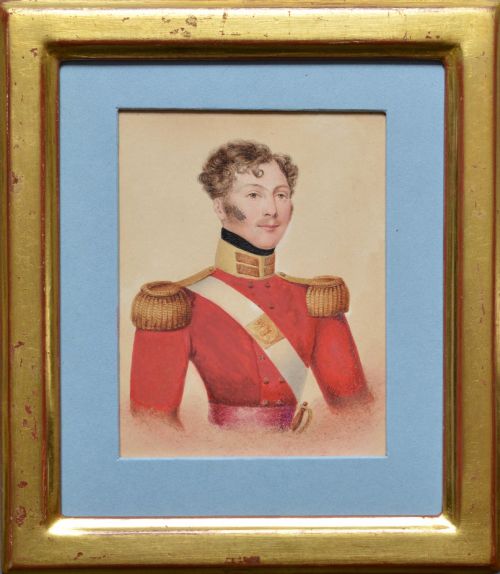
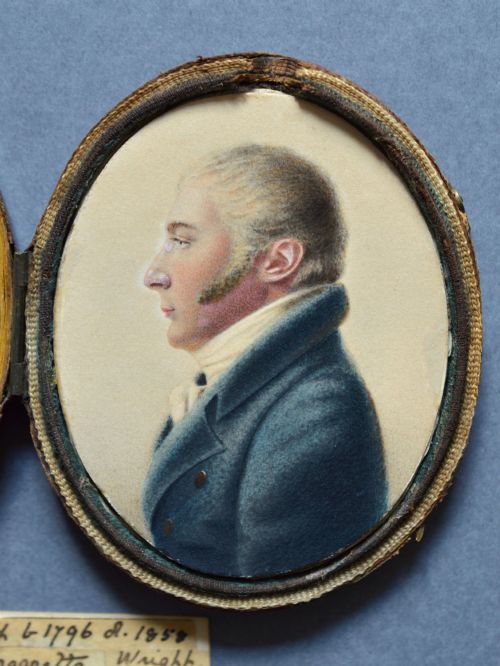
Georgian artwork on paper spans hand-drawn sketches, watercolours, pastels and printed works produced primarily during the eighteenth and nineteenth centuries. These pieces record portraits, landscapes, anatomical studies and mythological scenes drawn by professional artists and accomplished amateurs alike.
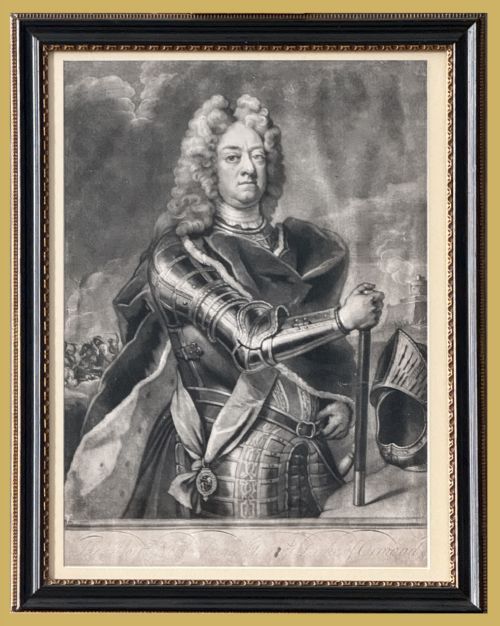
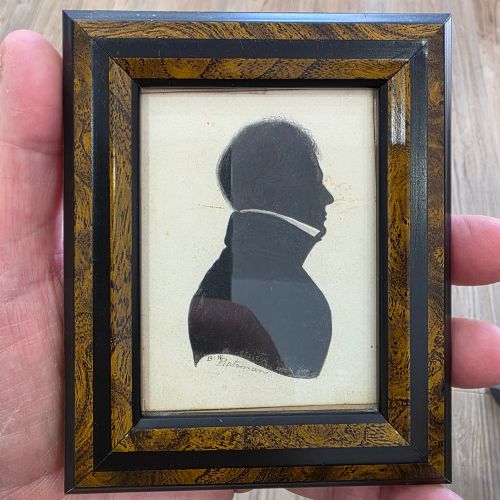
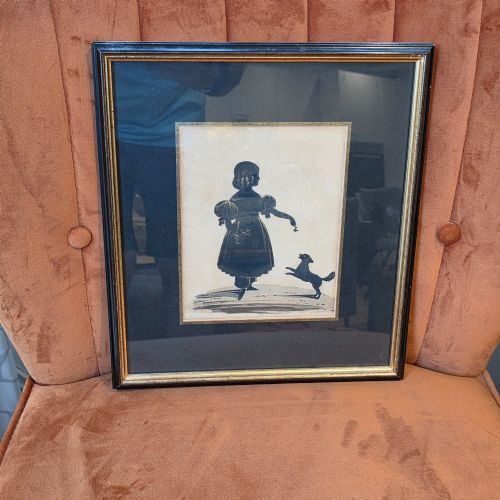
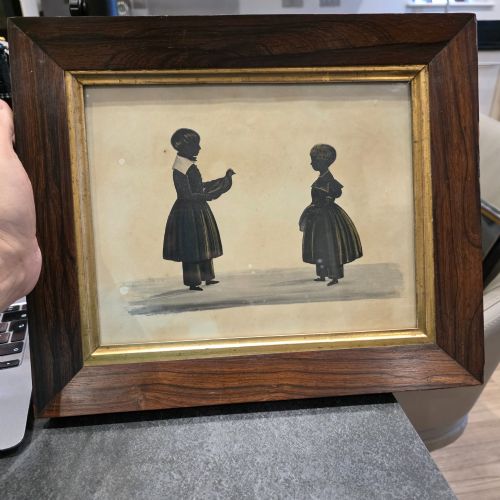
The selections encountered most frequently on this page include framed silhouettes, portrait engravings and watercolour studies. Many retain their original framing materials, offering a direct window into the visual culture of the period.
How They Were Made
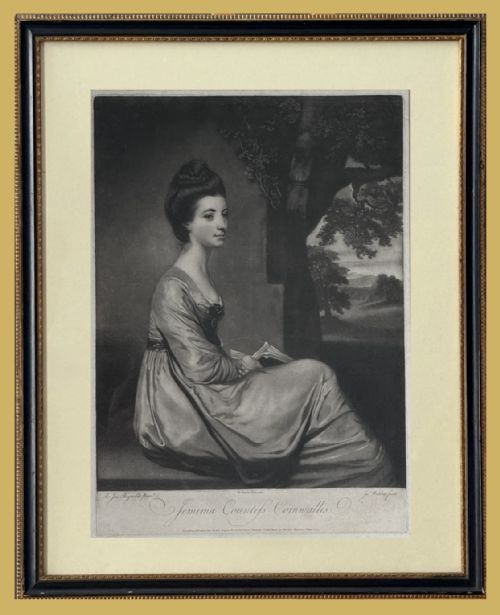
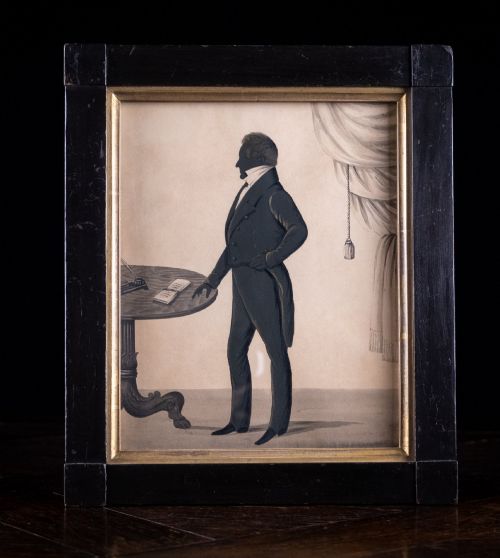
These works rely on paper supports combined with ink, watercolour, pastel, or metal leaf applied by hand or transferred through printmaking techniques like mezzotint and engraving. Artists utilised refined pigments and specialised cutting tools for intricate silhouettes.
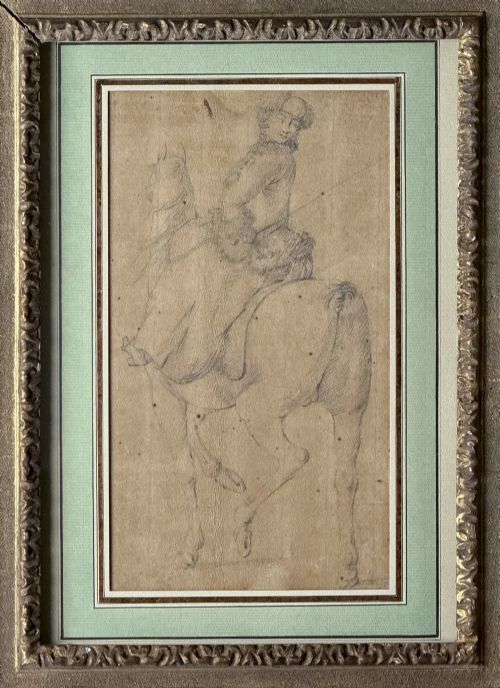
Framing often incorporates wood, giltwood, and protective glass to preserve fragile paper sheets. Many pieces demonstrate precise draughtsmanship achieved through pen, wash and pencil.
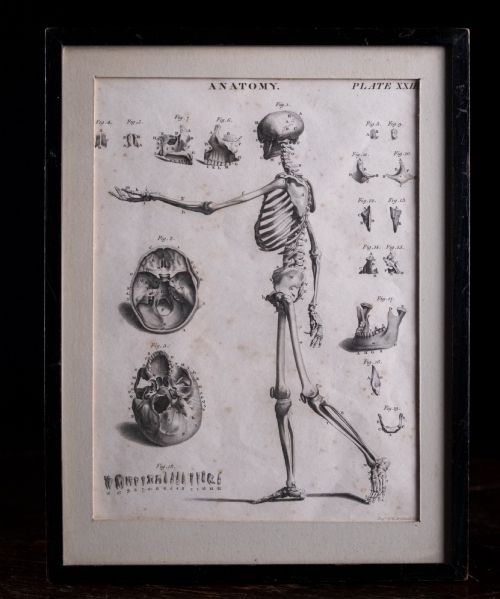
An anatomical skeleton engraving from the seventeen-seventies rubs shoulders with cheerful depictions of cupids and weeping angels.
What Varies in Quality
Quality rests in the precision of the draughtsmanship, the clarity of the print impression, and the depth of expression captured in portraiture. Works by recognised printmakers or documented artists demonstrate superior command of line and tone.
The preservation of the paper sheet and the authenticity of contemporary framing components further distinguish finer examples. Hand-coloured details and well-maintained pastel or watercolour pigments elevate the visual impact of individual pieces.
John Simon·Michael Dahl·William James Hubard·Edward Fisher·Sir Joshua Reynolds·John Smith·G. Kneller·James Watson·Thomas John Horsley·Andrew Bell·John Russell·James McArdell·Jeremiah Meyer·Thomas Watson·William Marshall Craig·Augustin Edouart·Valentine Green·Maria Hadfield Cosway·Sir Peter Lely·Jacobus Houbraken·Sir Godfrey Kneller·Adam Buck·Hans Holbein·William Hogarth·Sydney Wilson
The Georgian Artwork on Paper Glossary
- Mezzotint
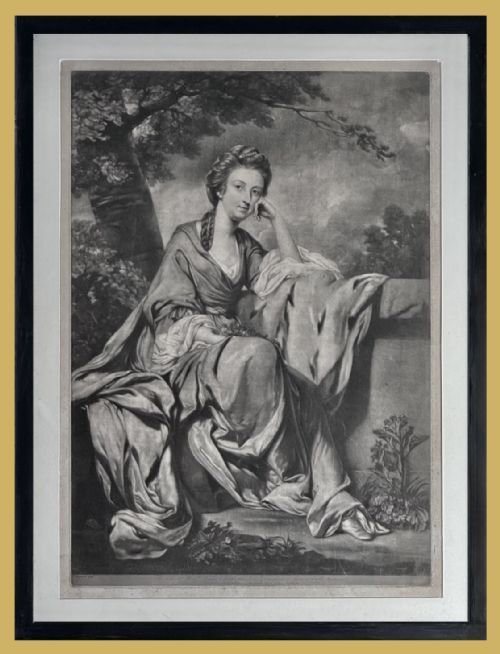
- A printmaking process of the tonal method, enabling the creation of prints with rich gradations of dark and light. It achieved widespread popularity for reproducing oil portraits.
- Silhouette
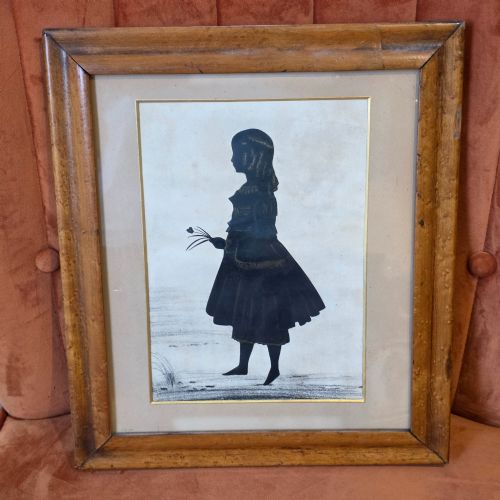
- A solid shape of a person or object, usually portrait profile, cut from black paper or painted on a light ground. They gained immense popularity as an accessible form of likeness before the advent of photography.
- Giltwood
- Wood carved and covered with a thin layer of gold leaf or gold paint. It frequently appears on traditional frames housing period artwork.
- Pastel
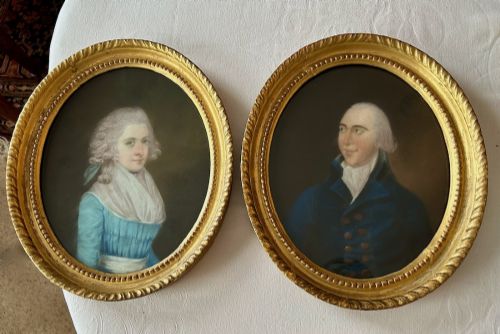
- A dry drawing medium in the form of a stick, consisting of pure powdered pigment and a binder. Artists utilised pastels extensively for soft-textured portraiture during the eighteenth century.
- Engraving
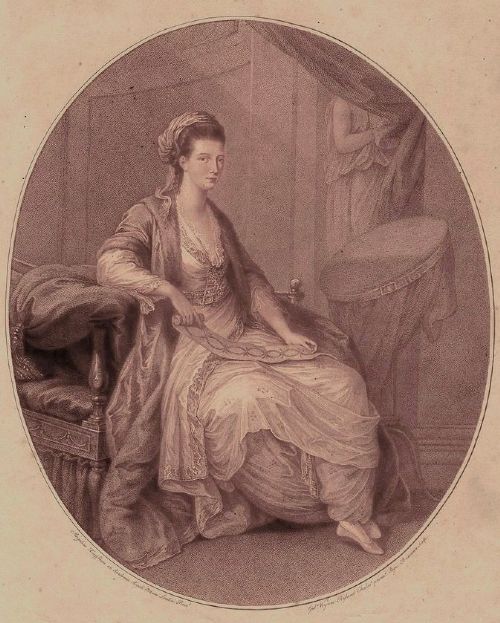
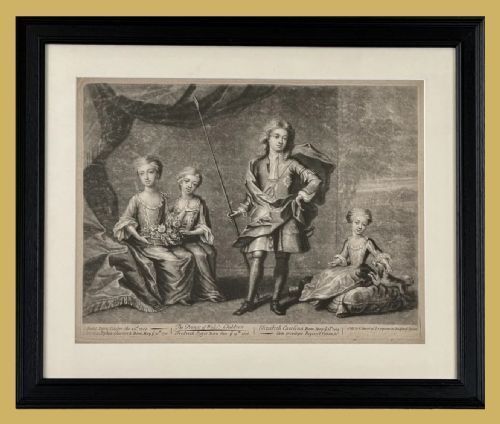
- A printmaking technique where an artist cuts lines directly into a metal plate with a burin. The resulting incisions hold ink to produce sharp, detailed impressions on paper.
Georgian Artwork on Paper: Frequently Asked Questions
What periods do these paper works cover?
The collection spans the eighteenth and nineteenth centuries, encompassing the Georgian, Regency, and early Victorian eras. Works reflect stylistic shifts from Baroque tendencies through Neoclassical portraiture.
Dates range across the seventeen-hundreds and eighteen-hundreds, providing examples of both British and Northern European artistic traditions.
How should I display antique paper artwork?
Display these delicate pieces away from direct sunlight to prevent fading of watercolours, inks, and paper supports. Maintaining stable indoor humidity protects both the paper and the historic frames.
Utilising conservation-grade backing and UV-filtering glass helps preserve the structural integrity of fragile works over time.
What is the difference between an engraving and a mezzotint?
An engraving relies on precise lines cut directly into a metal plate, producing sharp, defined outlines and structural detail. Artists used this method for architectural, anatomical, and portrait subjects.
Mezzotint employs a roughened metal plate to create rich, velvety areas of tone and shadow rather than simple lines. This technique made it the preferred medium for translating painted portraits into prints.