




Original Georgian Sketch
An original georgian sketch captures immediate hand-drawn character on paper, offering a direct window into eighteenth and early nineteenth-century observation.
Original Georgian Sketch
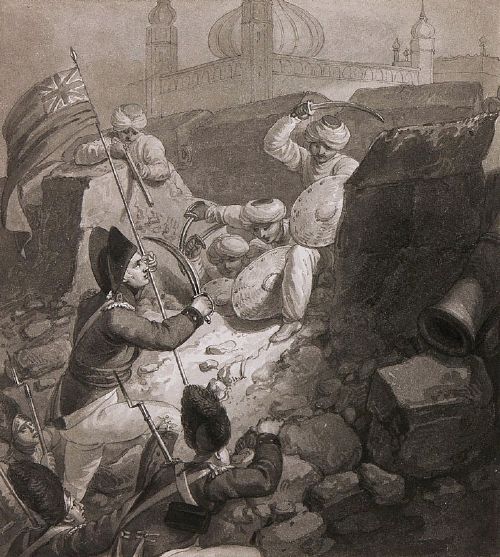
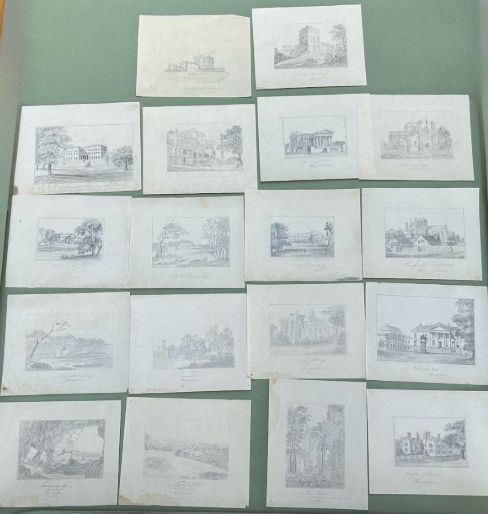
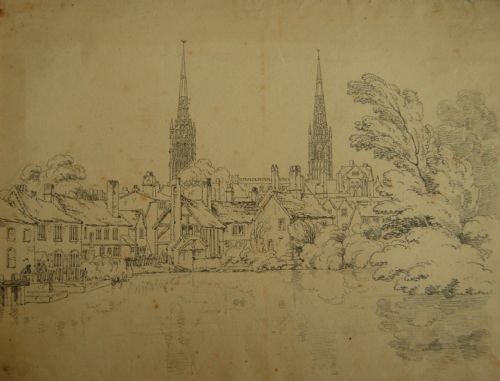
An original georgian sketch brings together works on paper from the eighteenth and nineteenth centuries, spanning landscape views, architectural studies, and portrait drawings. These drawings reflect the direct hand of artists working across the Georgian and early Victorian periods.
The pieces on this page include framed artwork and loose drawings, featuring subjects from English lake district landscapes to detailed portrait drawings. Such works capture immediate artistic observations and historical figures without the intermediary of print or reproduction.
Buyers encountering this selection will find portraits of notable individuals, rural family scenes, and topographical views by named hands and anonymous makers alike. Each piece represents a distinct survival on paper from a period of intense draftsmanship.
Materials and Working Methods
Artists relied primarily on paper supports, applying graphite, black chalk, and pen and ink to establish initial contours and fine details. Washes of watercolour or diluted ink were frequently added to create depth, shadow, and atmospheric tone.
These drawings were executed by hand using traditional implements such as quill pens, pencils, and fine brushes. The combination of graphite, ink, and wash allowed practitioners to complete rapid studies on location as well as finished compositional drawings in the studio.
Original Georgian Sketch Retail Price Guide 2026
Typical asking prices for original georgian sketch among the pieces listed under this phrase on Sellingantiques today, from the lower quarter to the upper quarter. They describe what is for sale here now, not the wider market.
Some sketches still bear the faint, hurried graphite gridlines where an artist hastily blocked out a galloping horse or a distant mountain.
Distinctions in Quality
Quality rests upon the sureness of the draftsmanship and the expressive economy of the line, where confident strokes distinguish masterly execution from hesitant practice. The vitality of a portrait or landscape depends entirely on the artist's ability to capture form and character swiftly.
Condition and preservation play a decisive role, particularly the stability of the paper support and the vibrancy of fugitive pigments like watercolour and ink. Works retaining their original framing or historic mounts offer a more complete historical context.
William Marshall Craig·Edward Dayes·Thomas Rowlandson·John Hoppner·Sir Francis Leggatt Chantrey·Johan Noah Bemmel·George Richmond·Sir Nathaniel Dance-Holland·Henry Edridge·Sir William Charles Ross
The Original Georgian Sketch Glossary
- Wash
- A diluted layer of watercolour, ink, or bistre applied with a brush to create tonal depth and shadow behind drawn lines.
- Graphite
- A form of carbon used in pencils for drawing lines and shading, common in works from the eighteenth century onward.
- Pen and Ink
- A linear medium utilising fluid pigment applied with a quill or steel nib to define sharp contours and details.
- Black Chalk
- A soft carbonaceous material producing a dense, dark velvety mark frequently employed for figure studies and portraits.
- Works on Paper
- A broad category encompassing drawings, watercolours, sketches, and prints executed upon paper supports.
Original Georgian Sketch: Frequently Asked Questions
What is an original georgian sketch?
An original georgian sketch is a hand-drawn work on paper created during the eighteenth or early nineteenth century using mediums such as graphite, ink, wash, or chalk.
These pieces range from rapid topographical studies and architectural drawings to finished portrait sketches.
How were these sketches used?
Artists produced these drawings as preparatory studies for larger paintings, records of travel, or independent portraits of notable contemporaries.
Many served as direct observations of landscapes and figures before being worked up in the studio.
How do I care for works on paper?
Works on paper require protection from direct sunlight and high humidity to prevent fading of inks and discoloration of the paper support.
Displaying them behind glass with acid-free mounts helps preserve the delicate materials.
How do I identify the period?
Dating relies on the paper stocks, watermark evidence, costume details, and known working dates of the artists involved.
Stylistic conventions of the eighteenth and early nineteenth centuries also provide clear chronological markers.