



Vintage Figure Drawing
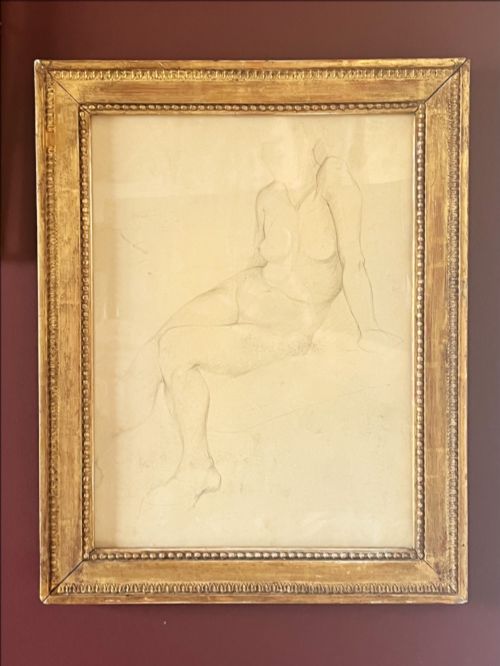
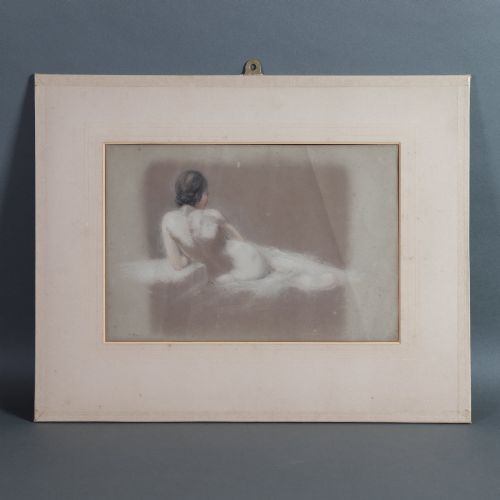
A vintage figure drawing captures the human form through direct observation, offering collectors intimate studies in line, proportion and shadow.
Vintage Figure Drawing
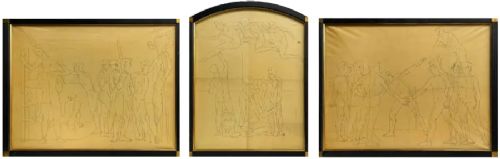
When you search for vintage figure drawing, you encounter works executed across the eighteenth, nineteenth and twentieth centuries. These pieces encompass framed artwork, wall art and original drawings on paper capturing human subjects.
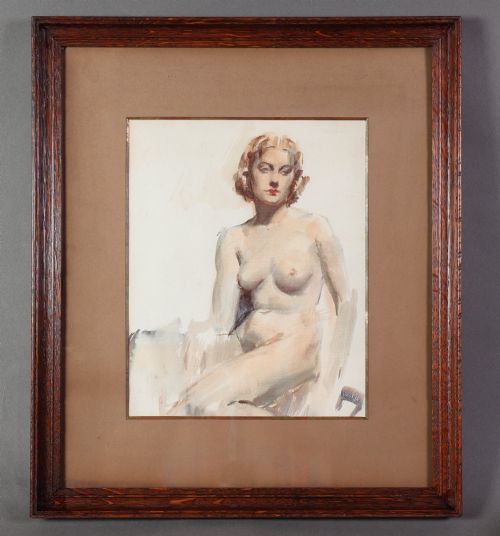
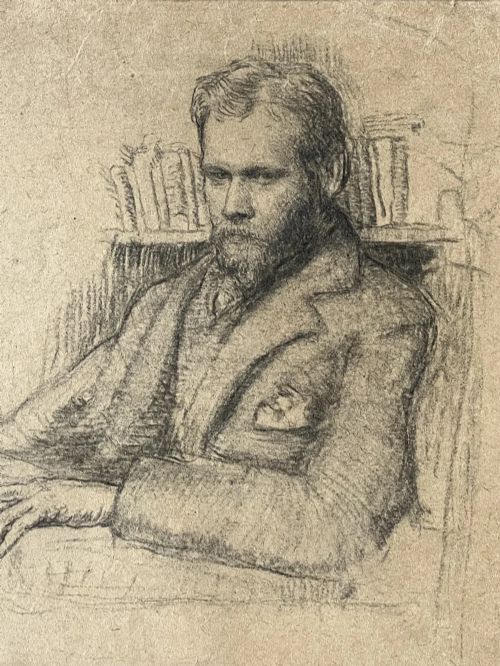
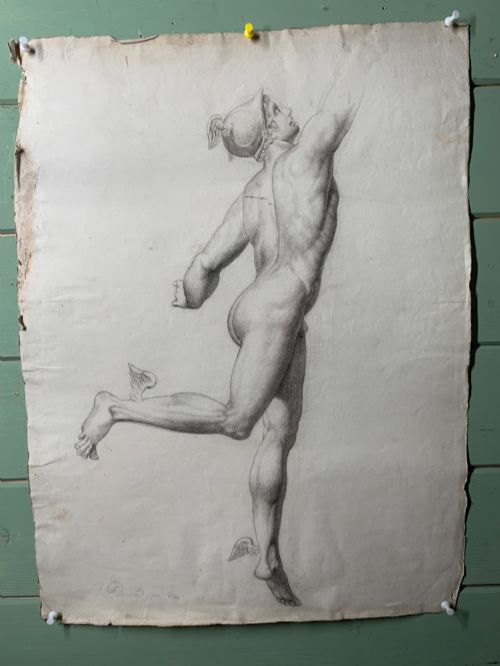
The selections span academic realism, modern British, mid-century modern and art deco styles. You find academic life studies of male and female nudes, portrait sketches and compositional studies created by various schools and named artists.
Materials include graphite, charcoal, chalk, ink and pastel on paper, occasionally supported by wood or glass in original frames.
Materials and Techniques
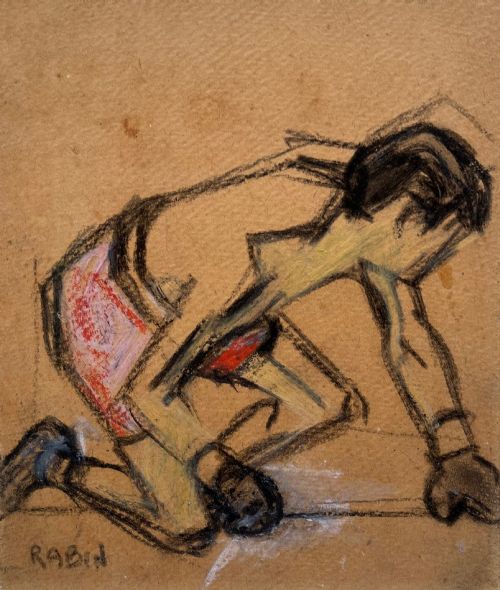
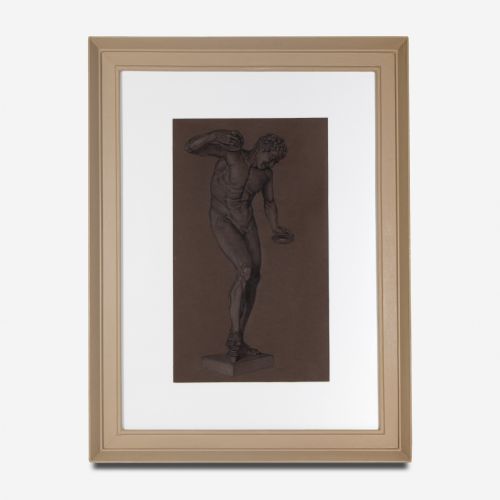
Artists employed dry media such as graphite, charcoal, chalk and pastel applied directly to paper supports to build tone and contour. These materials allowed for rapid gestural marks as well as meticulous hatching.
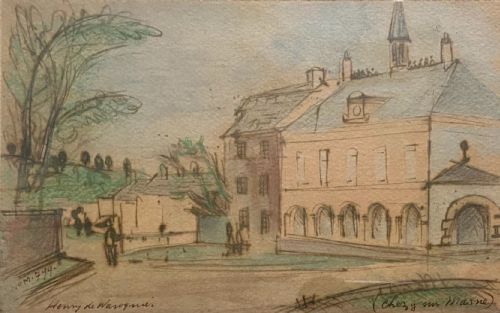
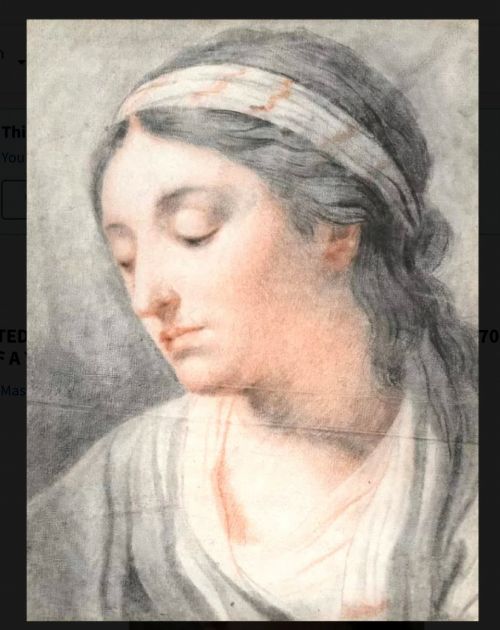
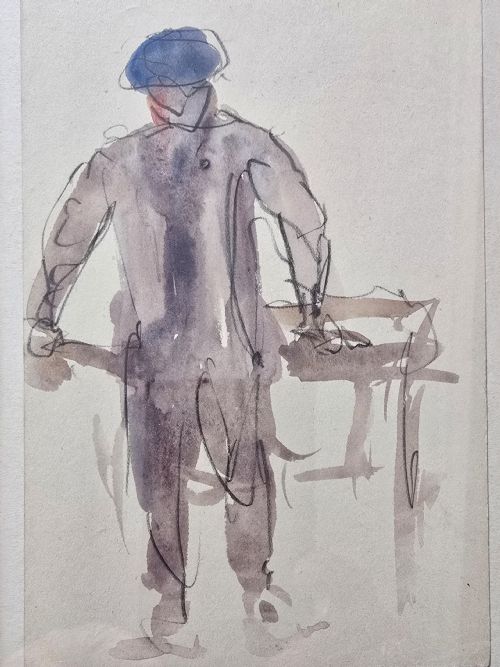
Wet media including ink and watercolour appear alongside mixed media combinations, capturing fluidity and depth in portraiture and narrative scenes. Works on paper frequently incorporate sanguine or sepia tones depending on the period preference.
Supporting elements include framed presentations utilising wood and glass to preserve fragile paper surfaces from environmental degradation.
Artists occasionally relied on wooden lay figures to hold difficult poses when human models grew tired.
Factors of Quality
Quality rests upon the sureness of the draughtsmanship and the artist's command of anatomical proportion and light. Stronger works demonstrate confident line work and an understanding of volume rather than hesitant corrections.
The sophistication of the composition and the expressiveness of the subject elevate an individual piece above routine school exercises. Provenance and association with recognised artistic movements further distinguish exceptional examples.
William Etty·Augustus John·James Stroudley·Samuel Rabin·Henry de Waroquier·Demetrios Galanis·Lucien Freud
The Vintage Figure Drawing Glossary
- Academic Realism
- A style of painting and drawing produced under the influence of European academies of art, emphasising precise anatomical accuracy and traditional techniques.
- Sanguine
- A type of red chalk used in drawing, popular from the Renaissance onwards for warm-toned portrait sketches.
- Lay Figure
- A wooden articulated doll used by artists to assist in arranging drapery and studying the human form.
- Deux Crayon
- A drawing technique utilising two colours of crayon or chalk, typically black and white or red and black, on tinted paper to create highlights and shadows.
- Mixed Media
- An artwork in which more than one medium or material has been employed, such as ink combined with watercolour.
Vintage Figure Drawing: Frequently Asked Questions
What is an academic life study?
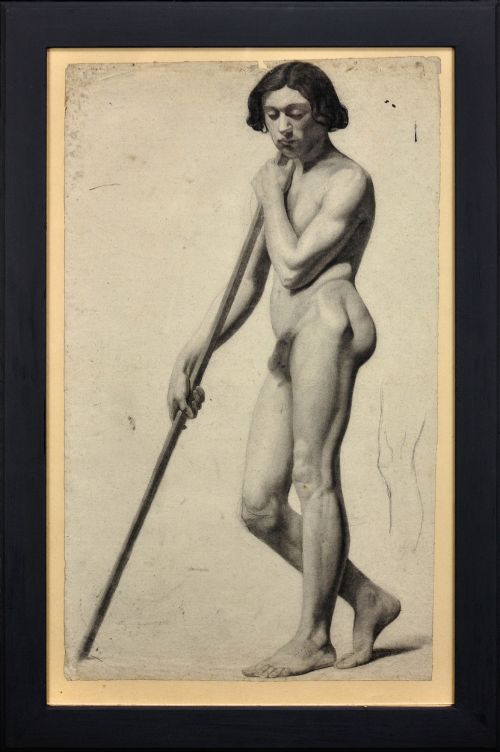
An academic life study is a detailed drawing of a nude model created within a formal art school setting to master human anatomy and proportions.
These works demonstrate the rigorous training artists underwent, focusing on light, shadow and skeletal structure.
How do I care for works on paper?
Works on paper require protection from direct sunlight and high humidity to prevent fading and foxing of the paper support.
Displaying pieces behind UV-filtering glass helps preserve charcoal, chalk and pastel pigments over time.
What distinguishes charcoal from graphite drawings?
Charcoal produces deep, velvety blacks with high contrast and a soft edge, often utilised for expressive life studies.
Graphite offers finer, precise lines and subtle tonal gradations, making it suitable for detailed portraiture and preparatory sketches.
How can I tell the period of a drawing?
Dating relies on stylistic markers, paper watermarks, framing materials and the clothing or hairstyle of the subject depicted.
Signatures, inscriptions on the reverse and framing styles from the era provide additional clues to the creation date.