
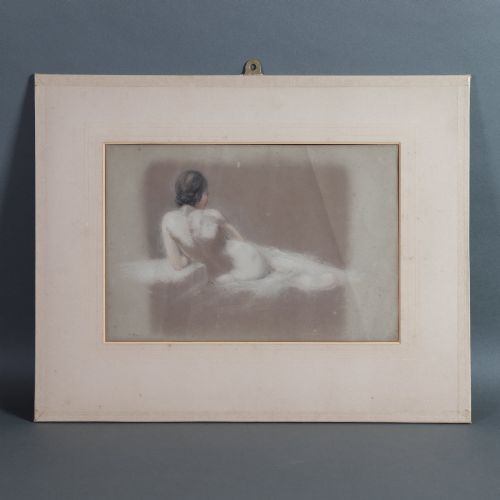
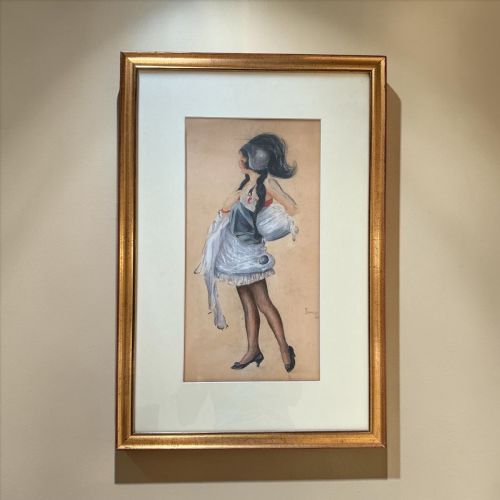
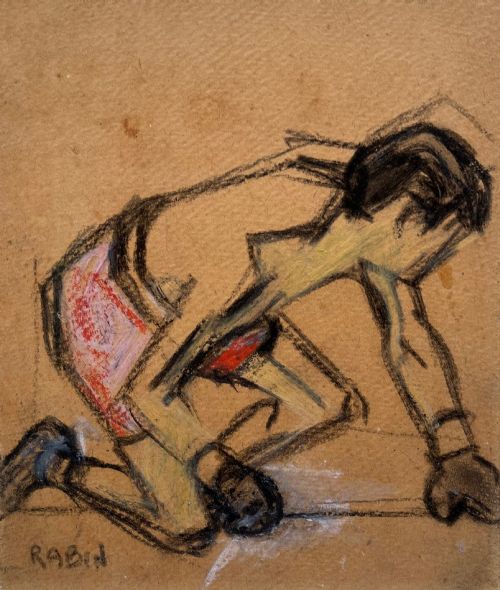
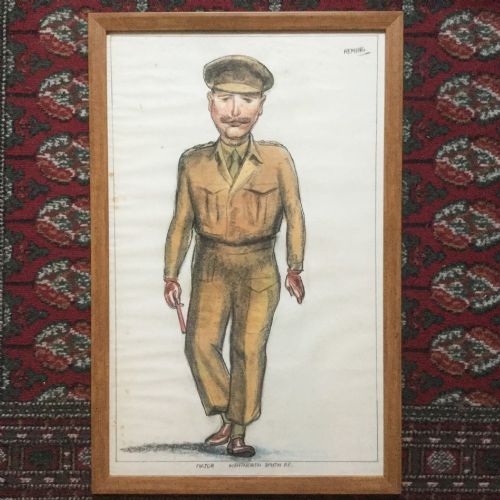


Framed Pastel Sketch
Framed pastel sketch works bring intimate line and soft pigment directly to the wall, preserving personal moments from the nineteenth century onward.
Framed Pastel Sketch
A framed pastel sketch captures a swift study or finished portrait on paper, often preserved behind glass within wood or gilt wood frames. The selection includes traditional realism alongside mid-century modern and modern British expressions.
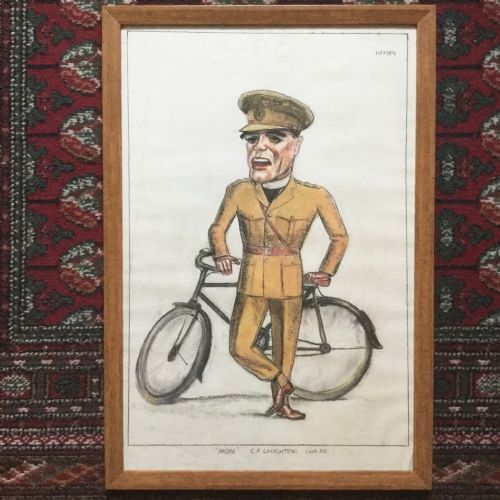
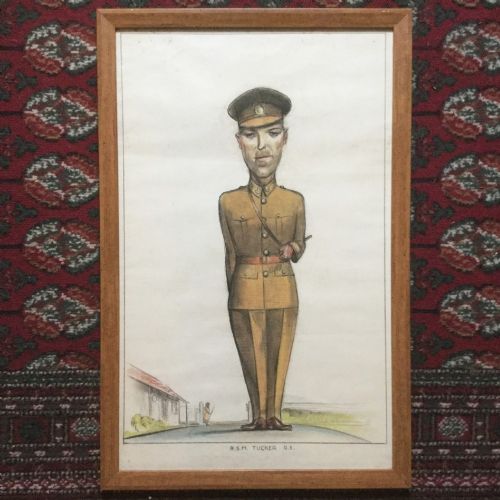
Portraits dominate the available forms, ranging from uniformed army officers and young ladies to circus ballerinas and animals. These works span the nineteenth century, Edwardian era, and decades through the mid-twentieth century.
Buyers encounter everything from rapid wartime illustrations to detailed studies of the human figure and bustling city street scenes. Each piece offers direct access to the hand of the artist through loose pigment and visible stroke work.
Materials and Technique
Artists apply pastel, chalk, and charcoal directly onto paper, sometimes combining gouache or lithograph to build depth and contrast. Coloured paper surfaces frequently serve as a mid-tone to unify the composition.
Protective framing involves glass set within wooden or gilt wood surrounds, safeguarding the friable pigment from disturbance. Original mounts and frames often accompany the paper drawings, maintaining their historical integrity.
Evaluating Quality
Quality rests upon the sureness of the draftsmanship and the preservation of the delicate pigment under glass. Stronger pieces display confident handling of the subject, whether capturing a soldier's expression or a horse in motion.
Condition depends on how well the paper and friable media have resisted fading or smudging over the decades. Original frames and clear provenance elevate the standing of a drawing within its period.
William Etty·Samuel Rabin·John Rattenbury Skeaping·Cecil Charles Windsor Aldin·Arthur Todd·Denis William Reed·Aubrey Sykes·John Macallan Swan·Frank Dobson·Sonia Lawson
The Framed Pastel Sketch Glossary
- Pastel
- A dry medium composed of powdered pigment and a binder, shaped into sticks for direct drawing on paper. It produces velvety textures and luminous colour effects.
- Gouache
- An opaque water-based paint often used alongside pastel or chalk to add highlights and solid areas of tone. It dries to a matte finish.
- Gilt wood
- Wood carved and coated with gold leaf or a gold-coloured finish, commonly used for traditional picture frames. This framing material enhances the warmth of the artwork within.
- Modern British
- An artistic designation covering works produced in Britain during the twentieth century, bridging traditional realism and various modernist movements.
- Lithograph
- A printmaking process based on the antipathy of oil and water, sometimes utilised as a base layer beneath pastel drawing.
Framed Pastel Sketch: Frequently Asked Questions
How should I hang framed pastel sketches?
Keep these works out of direct sunlight to prevent the dry pigments from fading behind the glass. Hang them at eye level in stable indoor environments away from excessive moisture.
Ensure the frame hangs securely from appropriate wall fixings since older wooden and gilt frames can carry substantial weight.
Can pastel drawings be removed from their frames?
It is best to leave historical framing undisturbed unless conservation work is strictly necessary. Pastel powder remains loose on the paper surface and can adhere to glass or escape if opened.
Professional framers should handle any necessary re-matting or glass replacement to protect the delicate medium.
What is the difference between pastel and chalk?
Pastel incorporates a higher proportion of pure pigment bound with minimal gum, resulting in rich colour and soft application. Chalk typically contains more binder and earth matter, producing harder and more restrained lines.
Artists frequently combined both media on paper to establish structure and tone simultaneously.
How do I date an antique pastel sketch?
Examine the style of the dress, the framing materials, and any signatures or inscriptions on the front or reverse of the paper. Mid-century modern and wartime pieces often display distinct documentary subjects or modernist compositions.
Period framing and paper characteristics provide further physical clues to the decade of creation.