
Framed Pencil Artwork
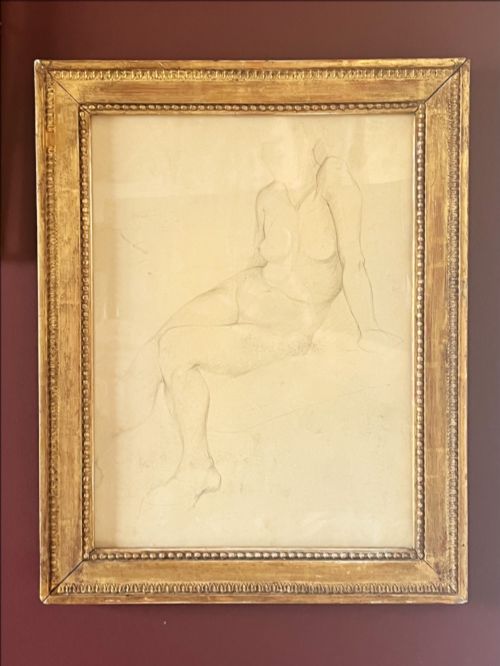
When seeking framed pencil artwork, collectors acquire original drawings and studies preserved behind glass in period timber frames.
Framed Pencil Artwork
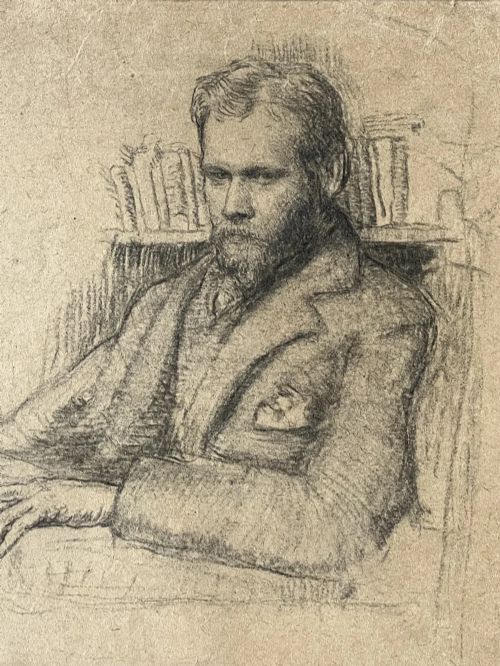
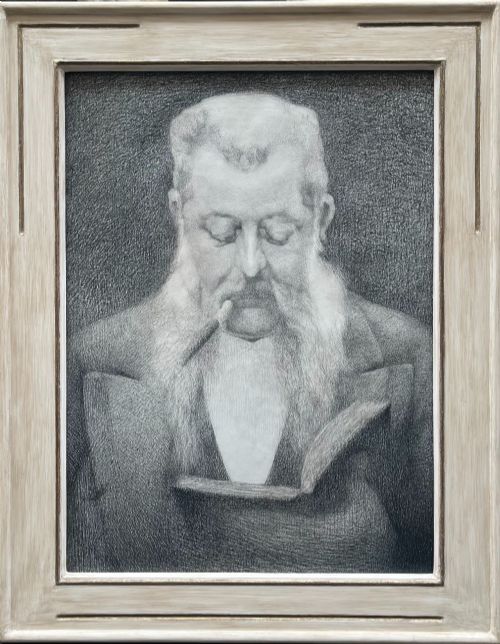
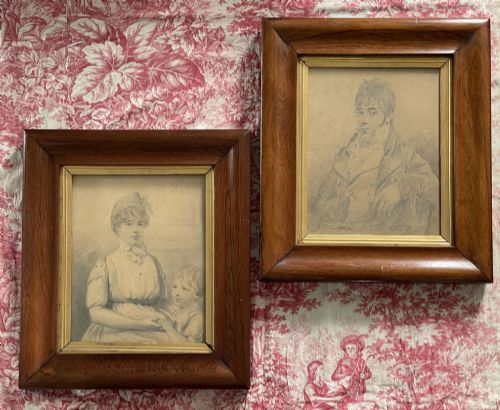
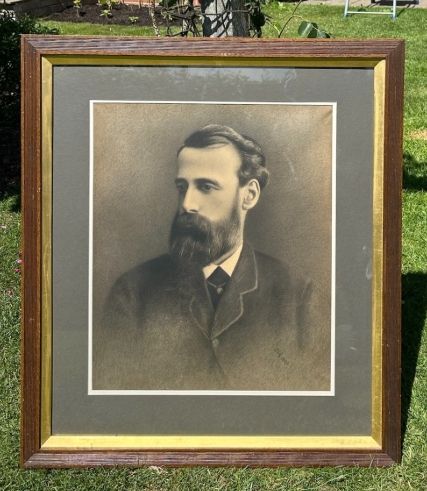
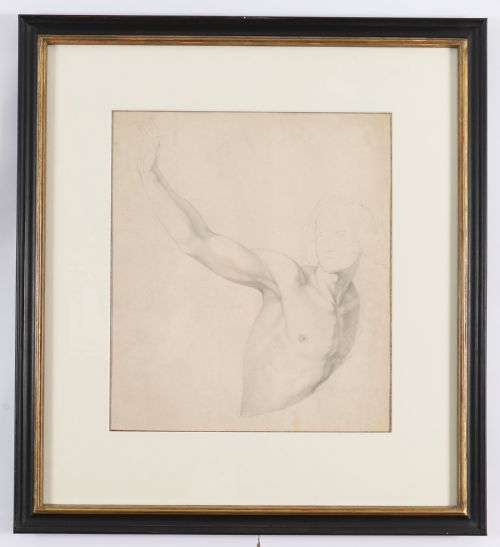
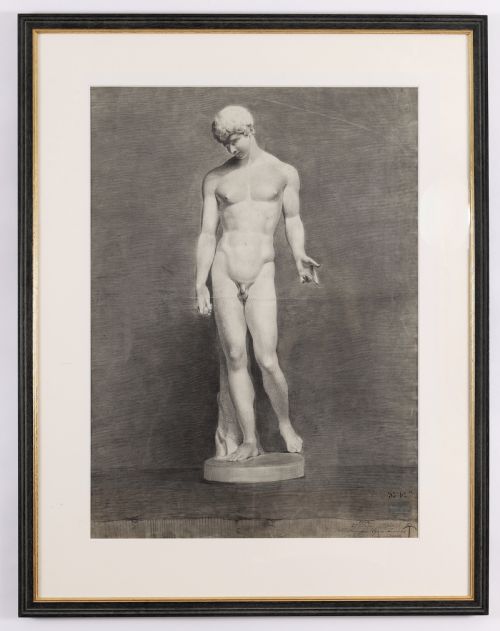
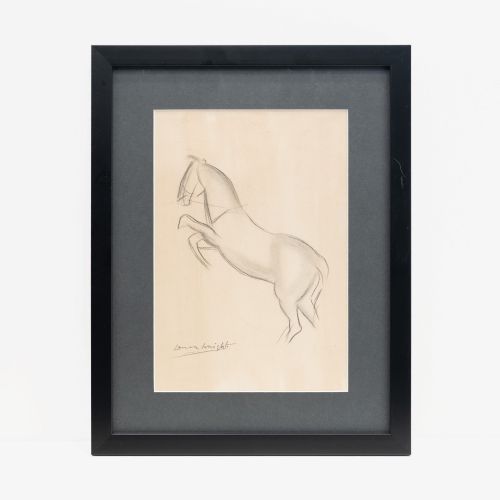
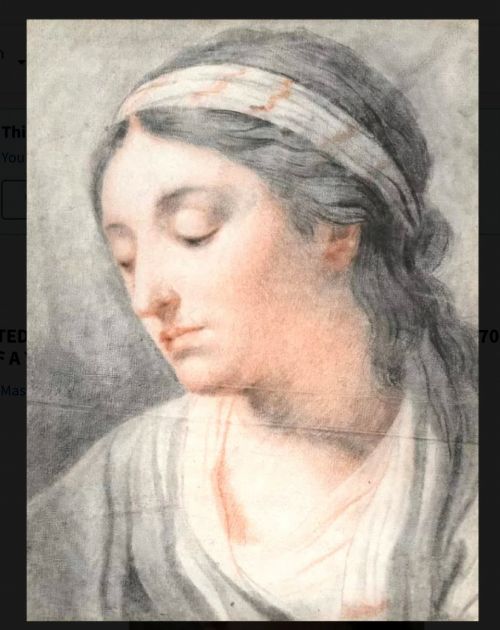
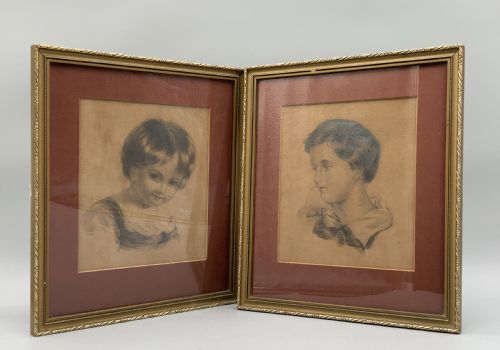
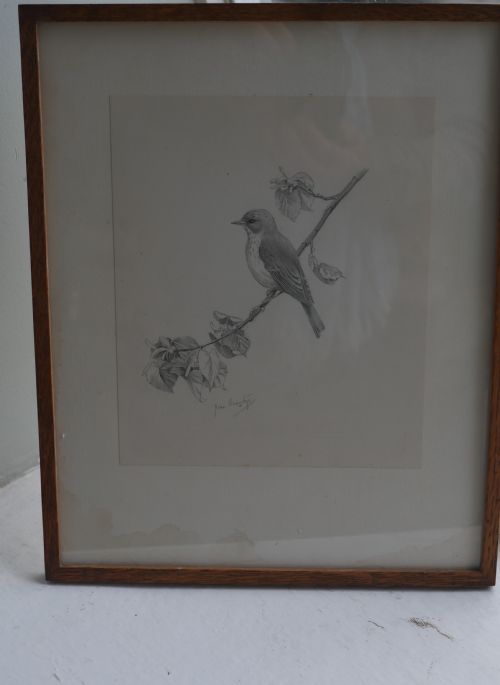
Framed pencil artwork encompasses original drawings, figural studies, portraits, and botanical sketches rendered on paper and secured within protective frames.
The selections span multiple centuries, ranging from Georgian plumbago portraits and Regency sketches to Victorian life studies and mid-century modernist works.
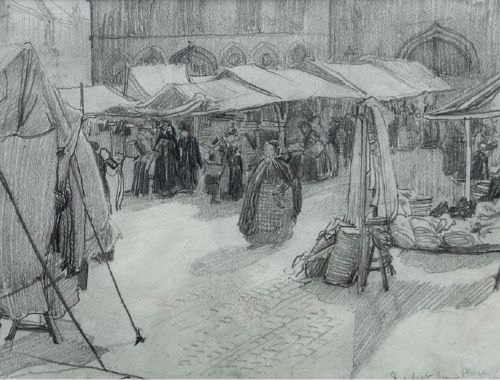
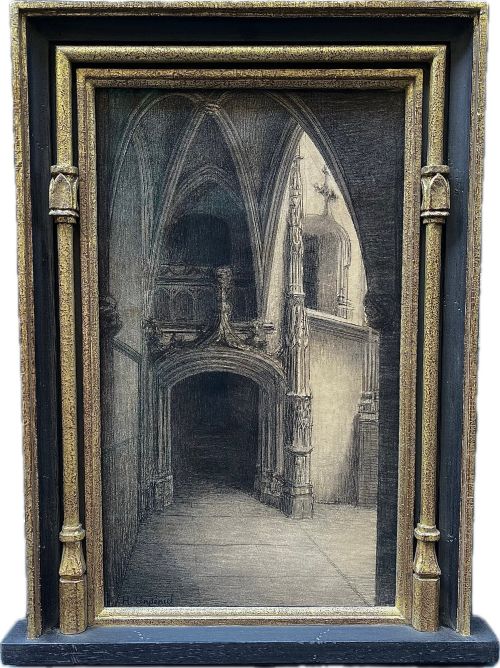
Buyers encounter diverse subjects, including landscapes, architectural studies of continental buildings, animal drawings, and detailed portraiture by named artists and anonymous English schools.
Materials and technique
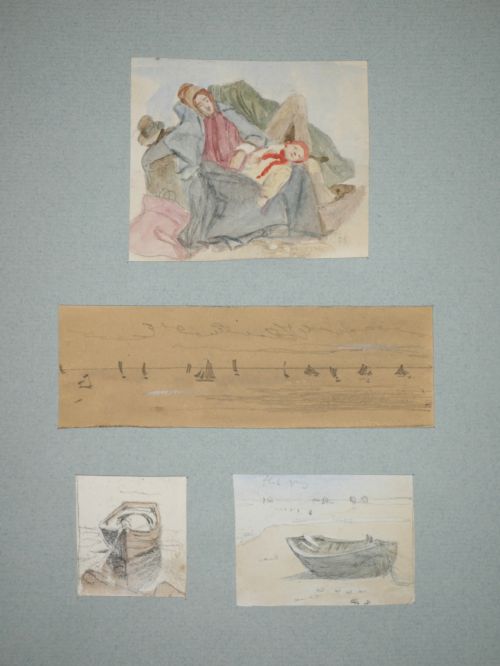
Artists utilised graphite, charcoal, plumbago, and ink on paper, frequently combining pencil with watercolour, gouache, or chalk to add depth and tone.
Works are typically presented behind glass within wooden frames, which range from simple mouldings to ornate gilded antique surrounds.
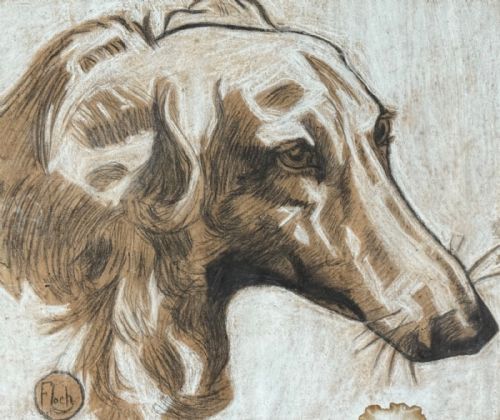
Canine subjects make a charming appearance, featuring an Art Deco drawing of a Borzoi dog alongside studies of foxhounds.
Assessing quality
Quality rests upon the sureness of the draughtsmanship, the expressiveness of the line, and the condition of the paper relative to its age.
The relationship between the drawing and its frame contributes to the overall integrity of the piece, with period frames providing appropriate historical context.
Henry Percy Huggill·James Smetham·Augustus John·James Stroudley·Henri Charles Angéniol·Dame Laura Knight·John Taylor·Herbert Dicksee·Demetrios Galanis·Michael Lyne·J D Fergusson·J W Hogley·Raoul Millais·Robert Richard Scanlan·William Russell Flint
The Framed Pencil Artwork Glossary
- Plumbago
- An early form of pencil drawing executed in graphite, popular for miniature portraiture during the Georgian period.
- Gouache
- An opaque water-based pigment frequently applied alongside pencil to highlight specific areas of a drawing.
- Grisaille
- A painting or drawing executed entirely in shades of grey or neutral monochrome to emulate sculpture or create stark tonal contrast.
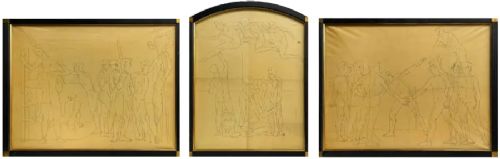
- Triptych
- A work of art divided into three sections or panels displayed together as a single composition.
- Dujardin
- A term occasionally associated with multi-colour pencil techniques, though primarily works here utilise graphite and wash.
Framed Pencil Artwork: Frequently Asked Questions
How should I hang framed pencil artwork?
Keep drawings away from direct sunlight to prevent the paper from yellowing and the graphite from fading over time.
Ensure the room maintains stable humidity levels to protect both the antique paper and the timber frame.
Are these drawings original or reproductions?
The selections consist of original works on paper, hand-drawn by the artist using graphite, charcoal, or ink.
Close inspection under magnification will reveal individual hand-drawn strokes rather than a mechanical print dot pattern.
How do I date a pencil drawing?
Dating relies on stylistic clues, artists' signatures, biographical records, and occasionally dated inscriptions written on the paper.
The accompanying framing materials and mounting techniques also offer reliable indicators of the period.
What is the difference between pencil and plumbago?
Plumbago refers specifically to an early graphite technique utilised predominantly for detailed miniature portraits in the eighteenth century.
Standard pencil drawings encompass a broader range of nineteenth and twentieth-century styles, from rapid sketches to finished academic studies.