
Antique Figure Study
When you search for an antique figure study, you discover rendered forms on paper, canvas, and metal that capture the human and animal shape.
Antique Figure Study
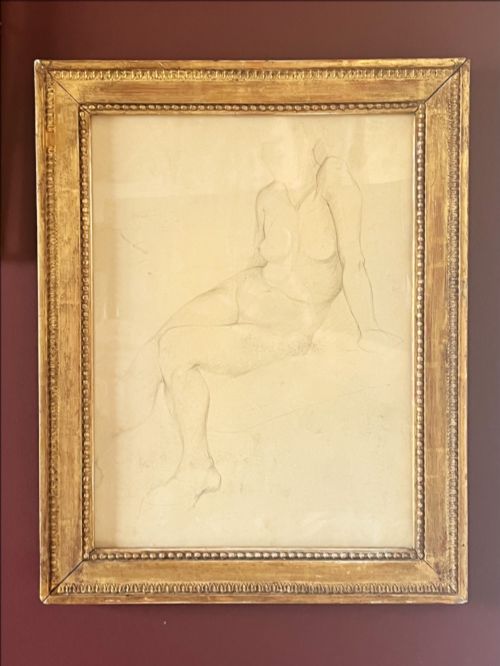
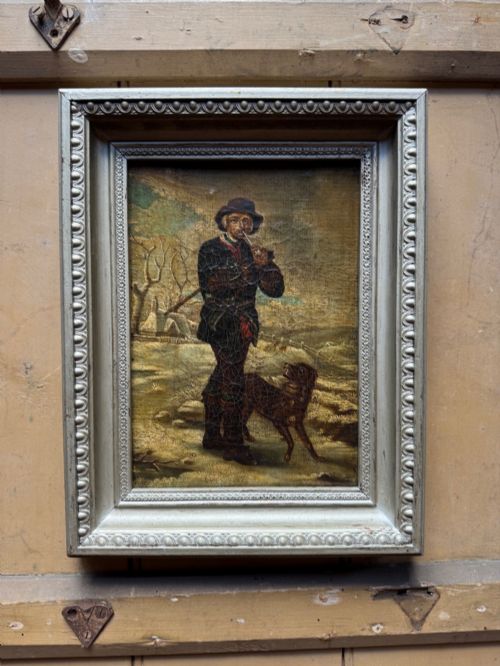
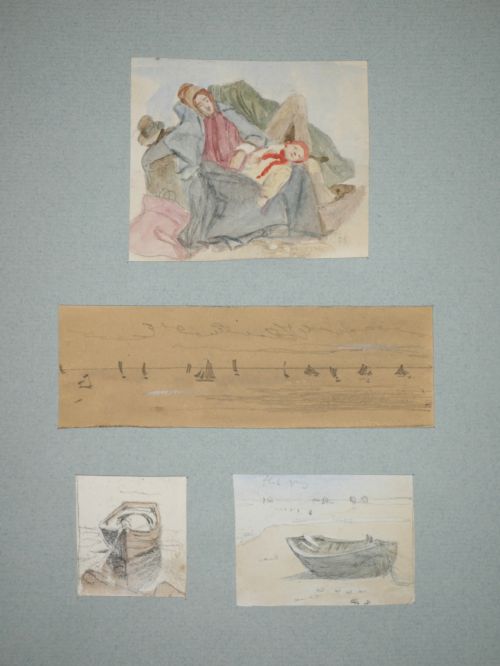
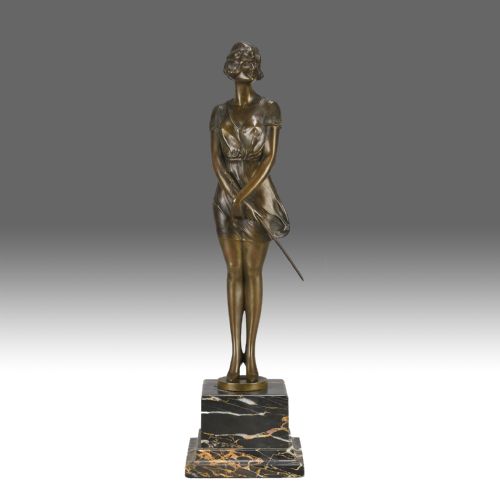
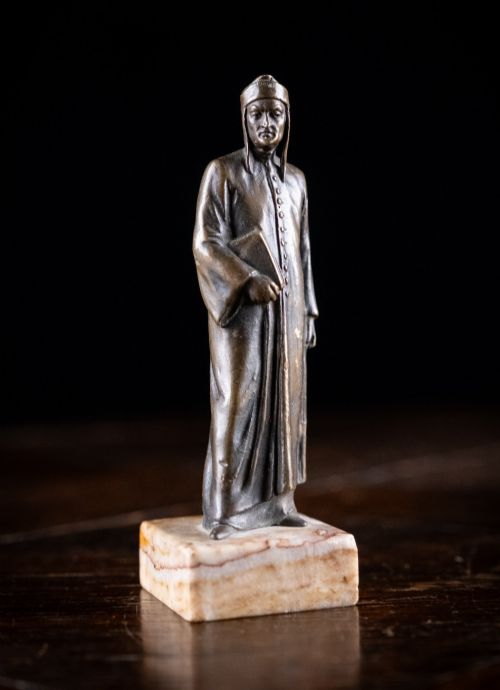
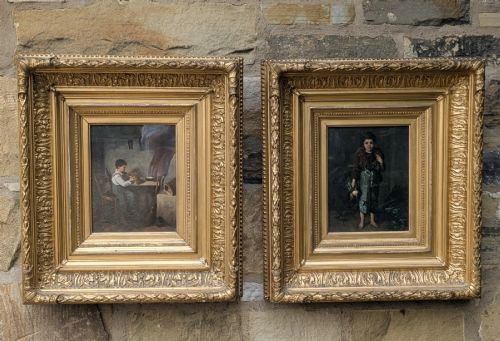
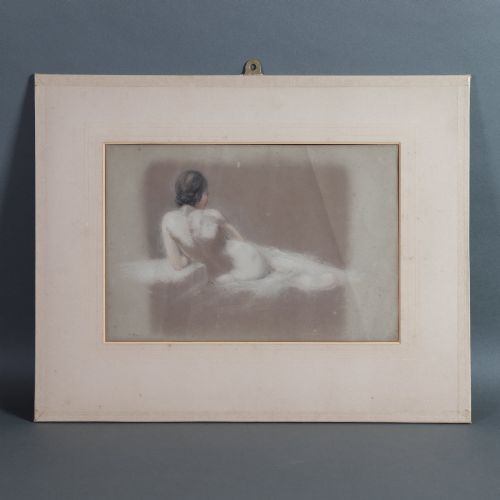
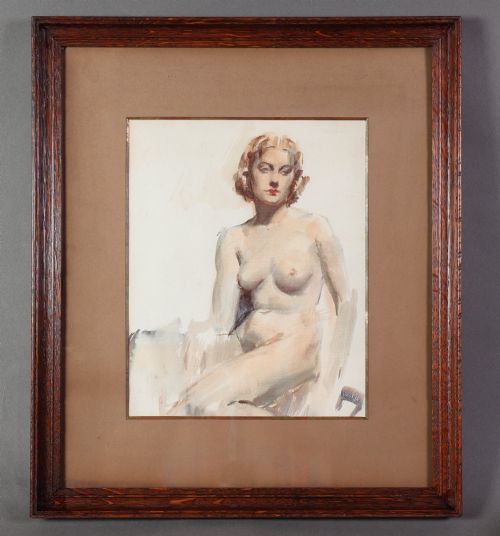
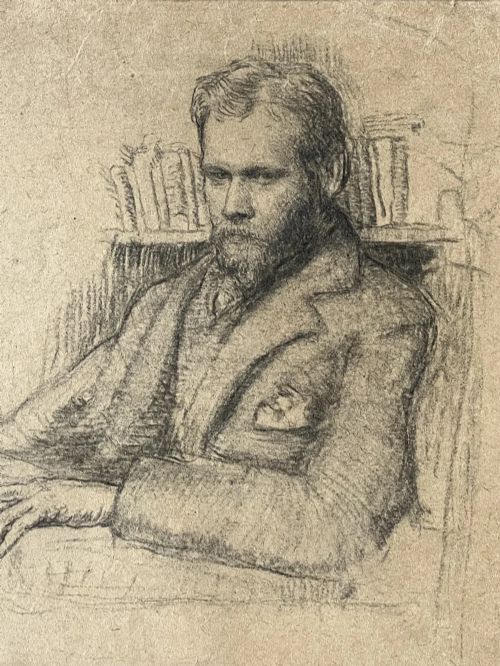
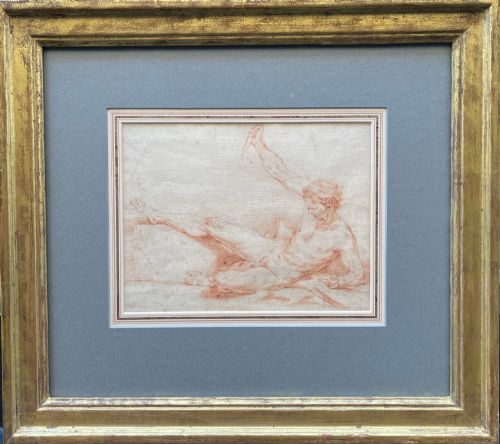
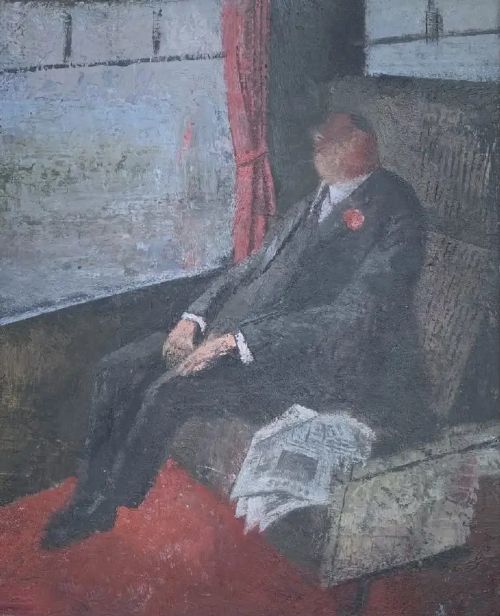
An antique figure study on this page encompasses works executed across the eighteenth, nineteenth, and early twentieth centuries in various media. Buyers find framed drawings, oil paintings, watercolours, and bronze sculptures representing human subjects, historical figures, and animals.
These pieces emerge from diverse traditions, ranging from academic realism and neoclassical compositions to art deco and animalier bronze casting. Subjects include nudes, literary characters, historical portraits, and animal studies intended to explore form and anatomy.
How They Were Made
Works on paper utilise pencil, graphite, charcoal, and watercolour applied by hand, often framed for preservation. Oil paintings employ canvas and wood panels as supports for layered pigments.
Three-dimensional pieces utilise bronze, brass, pewter, parian porcelain, and carved wood, sometimes incorporating marble or onyx bases. Bronzes frequently employ the lost-wax casting method followed by cold-painted decoration or patination.
Antique Figure Study Retail Price Guide 2026
Typical asking prices for figure study among the pieces listed under this phrase on Sellingantiques today, from the lower quarter to the upper quarter. They describe what is for sale here now, not the wider market.
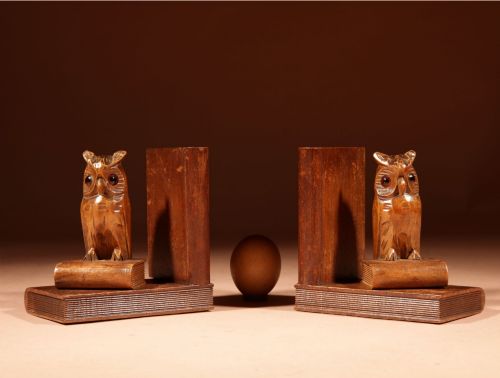
Owls carved from Black Forest wood keep watch over your books with remarkably wide eyes.
What Varies in Quality
The standard of draughtsmanship and anatomical precision separates exceptional studies from standard works, reflecting the rigorous training of the academic tradition. Mastery of line, shadow, and proportion dictates the strength of drawings and paintings.
In sculptural pieces, quality manifests in the crispness of the casting detail, the depth of the patina, and the quality of the mounting materials such as marble or onyx. Signed works by recognised sculptors and attributed artists carry distinct provenance markers.
Bruno Zach·Dora Heber·Alfred Dubucand·Francois Boucher·James Smetham·William Etty·Carl Haag·Augustus John·Stephen Pearce·Honore Cavaroc
The Antique Figure Study Glossary
- Animalier
- A nineteenth-century artistic movement focusing on the realistic depiction of animals, particularly in sculpture. Practitioners often captured beasts in motion or repose with anatomical accuracy.
- Academic Realism
- A style of painting and sculpture produced under the influence of European academies of art. It emphasises precise drawing, smooth finishes, and classical subject matter.
- Parian Porcelain
- A fine-grained bisqued porcelain resembling marble, developed in the nineteenth century. It was frequently utilised for classical figure studies and statuary.
- Cold-Painted Bronze
- Bronze sculptures decorated with non-fired paint applied to the surface. This technique was popular in Austrian workshops during the late nineteenth and early twentieth centuries.
- Grand Tour
- A traditional trip through Europe undertaken by upper-class young men in the eighteenth and nineteenth centuries. Souvenirs purchased on these journeys often included small bronze sculptures of classical subjects.
Antique Figure Study: Frequently Asked Questions
What is an antique figure study?
An antique figure study is a preliminary or finished artwork focusing on the human form, an animal, or a specific character rather than a completed landscape. Artists produced these works on paper, canvas, or as small sculptures to master anatomy and composition.
These pieces range from rapid pencil sketches to detailed oil paintings and cast bronzes. Collectors value them for the direct insight they provide into the creator's working method and observational skill.
How do I identify the period of a bronze study?
Dating a bronze study involves examining the casting technique, the nature of the patina, and any foundry marks or signatures inscribed on the metal. Nineteenth-century and early twentieth-century bronzes often exhibit specific patination styles and mounting materials like marble or onyx.
Stylistic cues such as art deco geometric lines or neoclassical classical drapery also help narrow down the date of execution. Comparing the piece to documented works by known makers provides further chronological clarity.
Were these studies meant to be finished artworks?
Many figure studies were created as preparatory exercises for larger compositions, serving as an artist's practice in capturing gesture and light. However, numerous academic drawings and sculptural casts were finished entirely as independent works for exhibition or sale.
Over time, collectors have come to appreciate the spontaneous and focused nature of preparatory studies just as much as fully realised Salon paintings. The visible pencil lines and brushstrokes often reveal the artist's immediate thought process.
How should I display works on paper?
Works on paper require conservation-grade framing with UV-protective glass to prevent fading from sunlight and artificial light. Keeping them away from direct heat sources and humid environments preserves the integrity of the paper support and the graphite or watercolour media.
Rotating framed drawings away from direct southern exposure ensures the longevity of delicate nineteenth-century watercolours and pencil sketches. Proper mounting prevents the paper from touching the glass directly.