


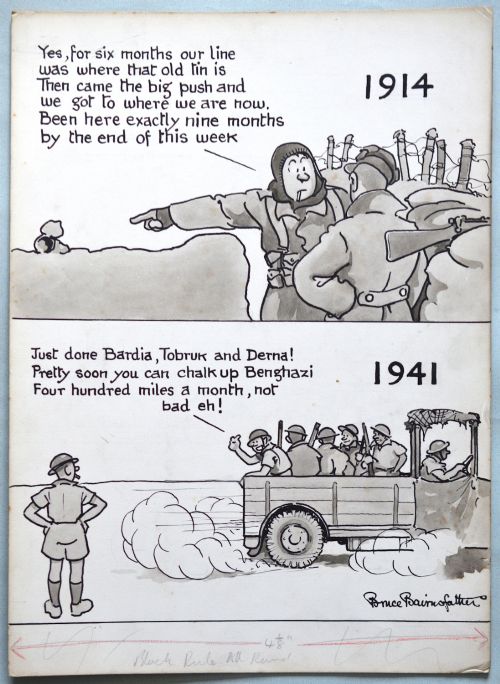
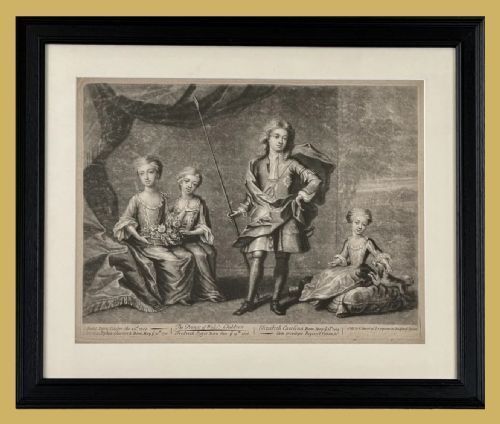
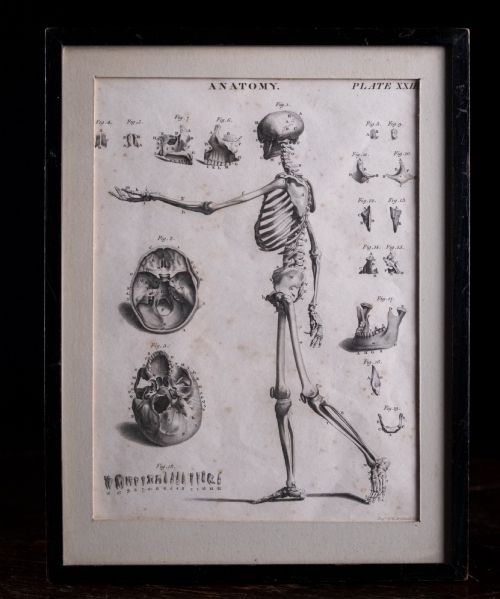
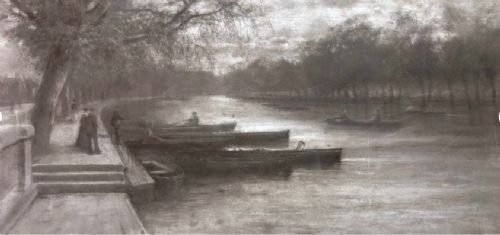
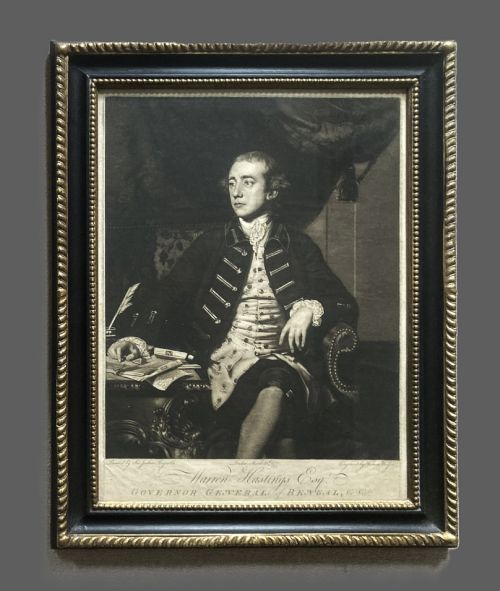
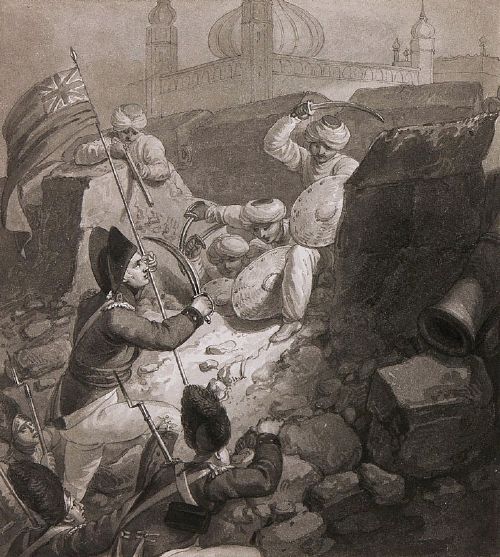
Monochrome Paper Artwork
Monochrome paper artwork brings together centuries of drawings, prints, and engravings where tone and line carry the entire image.
Monochrome Paper Artwork
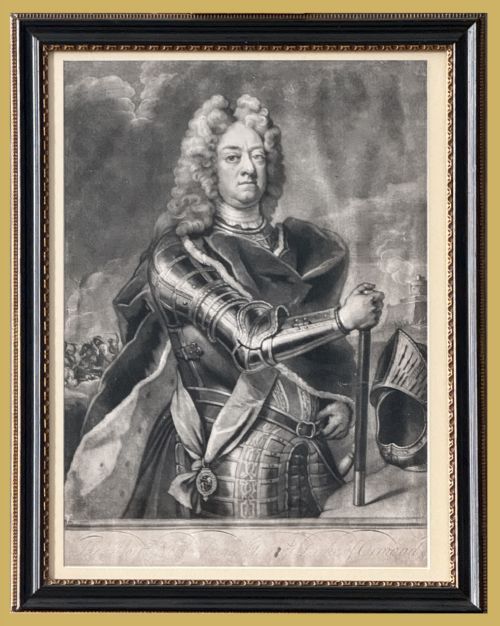
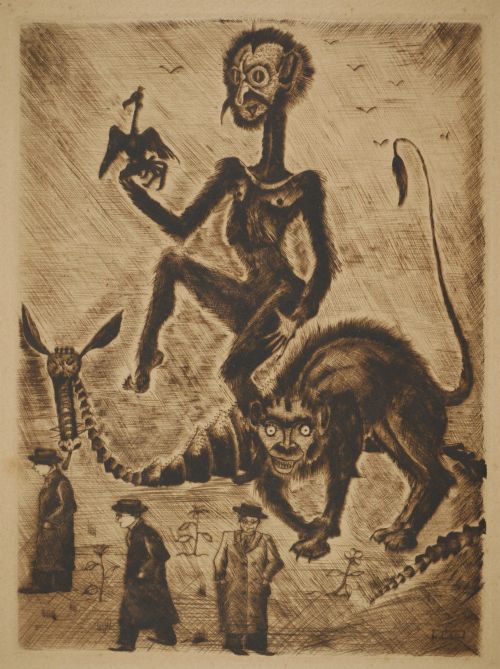
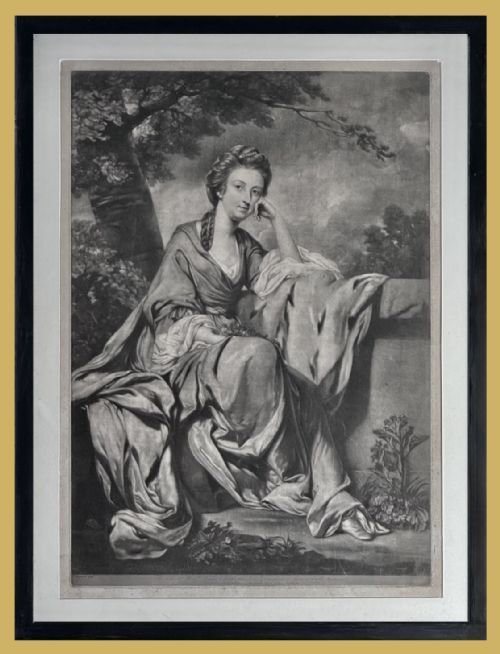
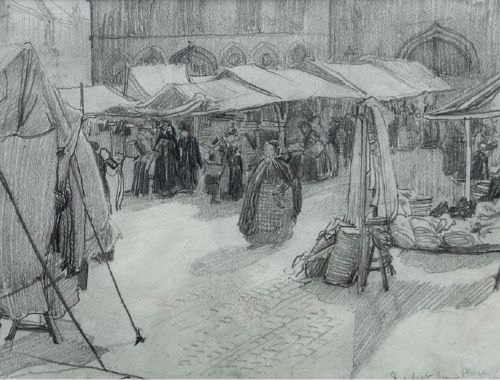
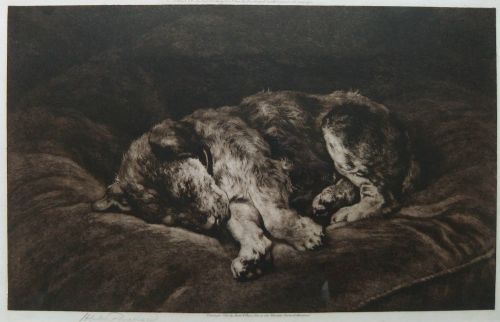
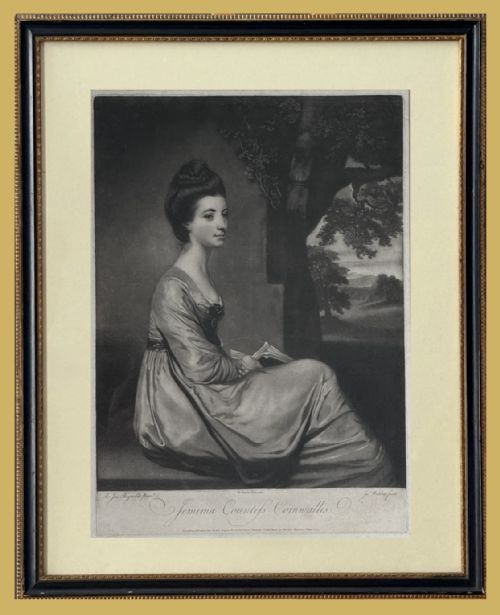
Monochrome paper artwork comprises works on paper executed in a single colour scheme, predominantly black, white, and sepia tones. Buyers searching for monochrome paper artwork encounter everything from delicate 18th-century mezzotint portraits to early 20th-century charcoal landscapes.
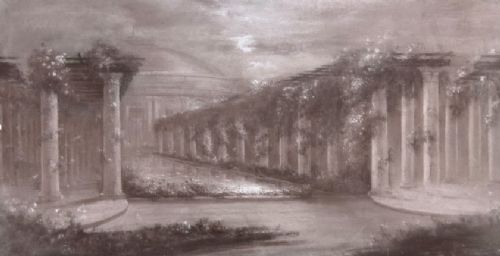
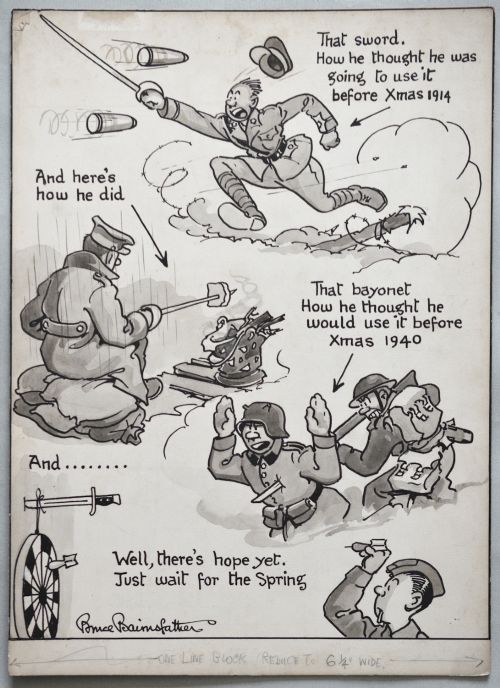
The selections span portraiture, architectural studies, historical scenes, and coastal landscapes. Pieces range from formal Georgian engravings to expressive drawings from the 1930s and 1940s.
Framed artwork and prints dominate the offerings, often preserved in period wood frames with glass protection. The category bridges formal printmaking and direct hand-drawn works on paper.
Materials and technique
Paper serves as the primary support, frequently paired with wood and glass in framing. Works are executed using ink, charcoal, graphite, wash, and watercolour applied in monochrome tones.
Printmakers utilise etching, line engraving, and mezzotint techniques to transfer imagery from metal plates onto paper. Draughtsmen employ pencil, pen, and ink directly onto the sheet to build up shadow and contour.
Listings feature paper, ink, charcoal, graphite, wash, and watercolour across Georgian, Victorian, and early twentieth-century periods.
Factors of quality
Quality rests upon the strength of the draughtsmanship or the crispness of the plate impression. Early impressions from engraved plates display sharp lines and subtle tonal gradations, whereas worn plates yield softer, muddier results.
The skill of the artist or printmaker dictates the depth of the composition. Master practitioners command superior control over light, shade, and texture within a restricted palette.
John Simon·Michael Dahl·Kurt Lorein Victor Peiser·Edward Fisher·Sir Joshua Reynolds·Henry Percy Huggill·Herbert Dicksee·John Smith·G. Kneller·J Sommer·James Watson·Bruce Bairnsfather·Andrew Bell·William Marshall Craig·François Perrier·William Lionel Wyllie·Fred Lawson·Robert Williams·Sir Peter Lely·Valentine Green·Maria Hadfield Cosway·James Macardell·Jacobus Howbraken·Sir Godfrey Kneller·J.C Burgess
The Monochrome Paper Artwork Glossary
- Mezzotint
- A printmaking process of the intaglio family where the surface is roughened uniformly to produce rich dark tones and subtle gradations of light. It allows artists to achieve tonal depth without relying solely on line.
- Etching
- A method where lines are bitten into a metal plate with acid before ink is applied and transferred to paper. This technique permits fluid, spontaneous line work characteristic of original drawings.
- Engraving
- A process of cutting direct lines into a metal plate using a sharp tool called a burin. The resulting prints exhibit precise, clean lines.
- Wash
- A technique where diluted ink or watercolour is brushed across paper to create smooth background tones and shadows. It frequently accompanies pen or pencil work in landscape and architectural drawings.
Monochrome Paper Artwork: Frequently Asked Questions
What is monochrome paper artwork?
Monochrome paper artwork encompasses drawings, etchings, engravings, and prints created using a single colour palette, usually black, grey, or brown ink on paper.
These pieces rely on line, wash, and tonal contrast rather than colour to define form and light.
How were these artworks framed?
Many antique works on paper survive in their original wood frames, often protected behind glass.
Period framing practices typically utilised simple timber mouldings designed to complement the monochrome tones of the image.
How do I date a paper artwork?
Dating relies on stylistic clues, paper characteristics, plate marks, and recorded signatures or publication dates.
Early pieces often display watermarks, handmade paper textures, and typography typical of their specific century.
How do I care for monochrome art?
Works on paper require protection from direct sunlight to prevent fading of ink, charcoal, and graphite.
Maintaining stable humidity levels prevents foxing and paper degradation inside the frame.