




Sepia Wash Drawing
A sepia wash drawing brings monochromatic tonal depth and historic draftsmanship straight to your wall.
Sepia Wash Drawing
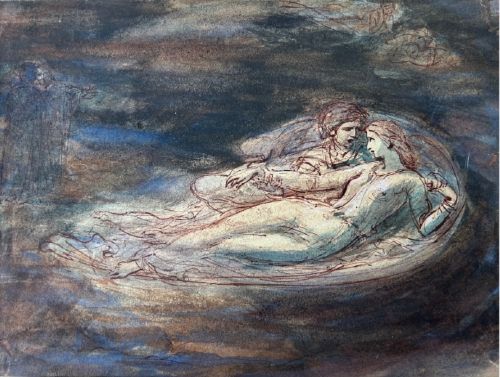
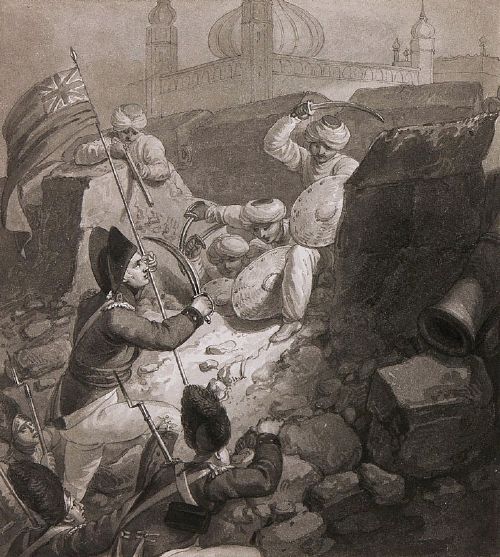
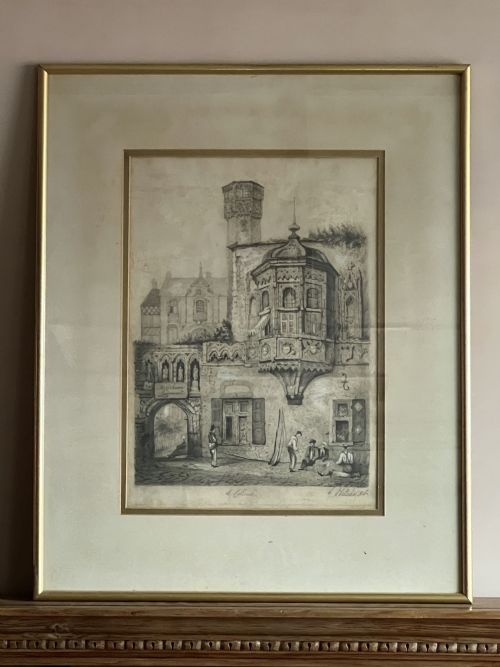
A sepia wash drawing relies on brown-toned pigment and ink to build form, shadow, and light on paper. These original artworks capture landscape studies, military engagements, and European architectural scenes with directness.
The examples gathered here span the eighteenth and nineteenth centuries, carrying Georgian and nineteenth-century British or European stylistic roots. They typically arrive framed under glass, preserving the delicate ink and graphite layers beneath.
Surviving pieces range from atmospheric topographical views to detailed historical depictions by named hands. Each drawing records the immediate hand of the artist before mass reproduction altered visual culture.
Materials and methods
Artists built these works on paper using ink, graphite, and sepia wash applied with a brush. Pen lines established the foundational structure and outlines of the composition.
Diluted pigment created the monochromatic washes that give these drawings their characteristic tonal graduation and depth. Wood frames encase the finished pieces behind glass for protection.
Sepia Wash Drawing Retail Price Guide 2026
Typical asking prices for sepia wash drawing among the pieces listed under this phrase on Sellingantiques today, from the lower quarter to the upper quarter. They describe what is for sale here now, not the wider market.
Discover delicate washes that capture everything from bustling river staithes to historic continental fortifications.
Judging quality and execution
Quality rests on the confidence of the draftsmanship and the control of the wash. A superior hand achieves subtle atmospheric perspective and sharp architectural detail within a restricted monochromatic palette.
The preservation of the paper and the sharpness of the underlying pen work distinguish finer examples. Strong provenance or attribution to a recorded artist elevates the standing of an individual sheet.
William Marshall Craig·Thomas Monro·Thomas Lound
The Sepia Wash Drawing Glossary
- Sepia wash
- A monochromatic drawing technique utilising a brown pigment derived from cuttlefish ink, diluted to create shadows and tonal gradations. It provides the dominant warm brown palette seen across these historic sheets.
- Staithe
- A landing stage or wharf built on a river or canal for loading and unloading timber or goods. This term appears in nineteenth-century British topographical titles.
- Topographical
- Representing specific real places, buildings, or landscapes with a high degree of descriptive accuracy. Many nineteenth-century works focus on recording distinct European views.
- Monochromatic
- Executed in a single colour or hue, utilising varying tones of that colour rather than a full palette. Sepia drawings rely entirely on this tonal limitation.
- Graphite
- A form of carbon used as a drawing medium, frequently combined with pen and wash to lay down initial compositional guidelines. Traces of pencil often remain visible beneath the ink.
Sepia Wash Drawing: Frequently Asked Questions
What is a sepia wash drawing?
A sepia wash drawing is an original work on paper created using brown ink and diluted pigment to build monochromatic tones and shadows.
Artists built these compositions during the eighteenth and nineteenth centuries to capture landscapes, architectural studies, and historical events.
How should I frame and display them?
These works require framing behind glass to shield the fragile paper, ink, and wash layers from environmental damage and dust.
Keep them away from direct sunlight to prevent the sepia pigment and paper ground from fading over time.
How do I identify the period?
Dating relies on the paper stocks, framing methods, stylistic conventions, and any accompanying inscriptions or attributions recorded on the sheet.
Georgian and nineteenth-century works often display specific handling of perspective, subject matter, and signature formatting unique to their era.
Are these works unique?
Every sepia wash drawing on this page is a one-off original hand-drawn artwork rather than a print or reproduction.
The artist applied ink and wash directly to the paper surface, leaving unique directional brushstrokes and pen marks.