




Antique Pencil Illustration
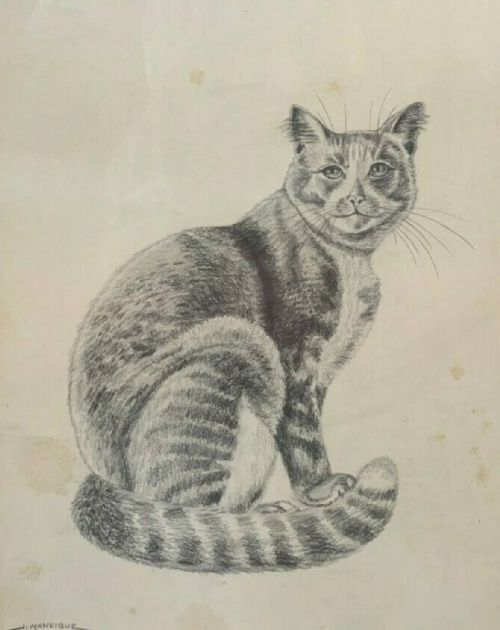
An antique pencil illustration brings immediate hand-drawn character to a room through delicate graphite work on paper.
Antique Pencil Illustration
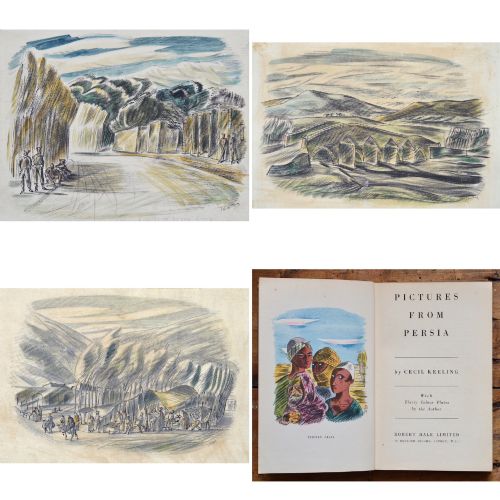
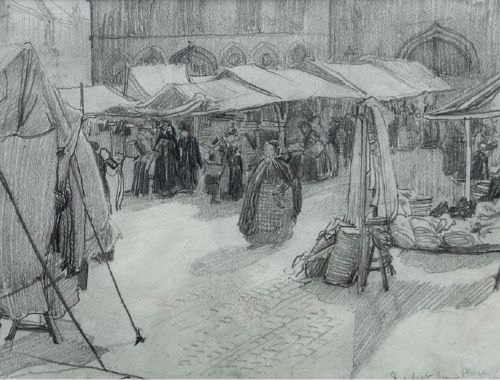
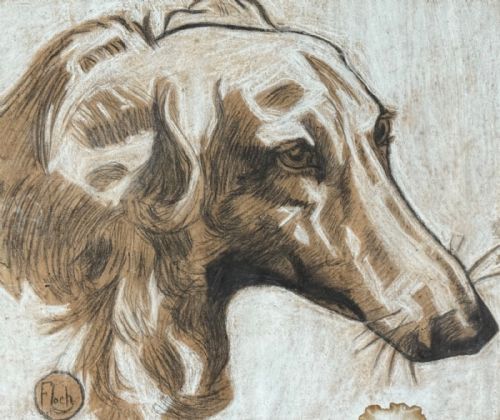
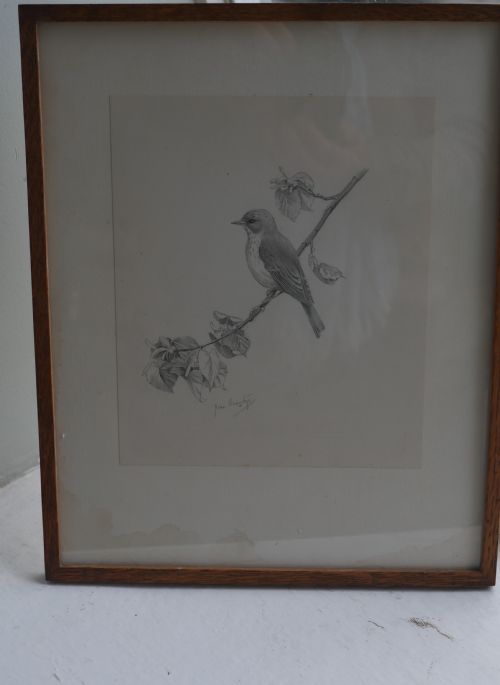
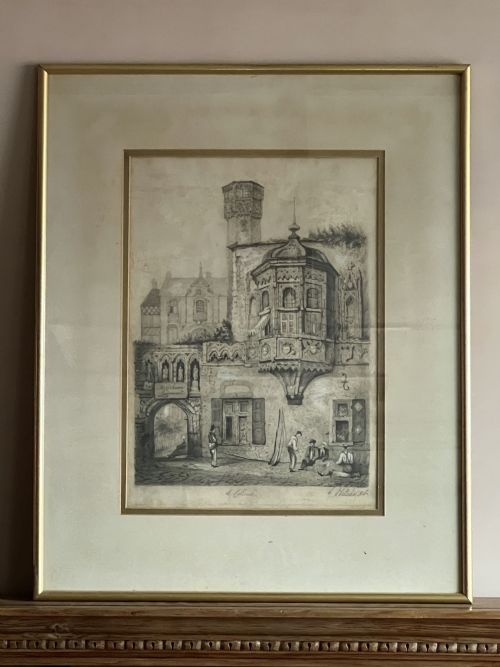
When you search for an antique pencil illustration, you encounter original works on paper spanning the Regency period through the mid-twentieth century. These pieces encompass architectural studies, botanical watercolours, animal portraits, and figure drawings.
How these works were created
Artists executed these works primarily using graphite pencil, charcoal, and ink on paper or buff paper. Many examples incorporate watercolour and gouache washes alongside the pencil lines to build tone and colour.
Framed artwork and original drawings from this selection rely on traditional mounting methods to protect the delicate paper substrate. The physical interaction between pencil and paper creates subtle gradations that define the character of each drawing.
Listings incorporate drawings spanning the nineteenth century through the 1950s, created using pencil, graphite, charcoal, and watercolour on paper.
What separates the finest examples
The quality of a graphite or pencil drawing rests upon the decisiveness of the line and the sensitivity of the tonal handling. Superior pieces demonstrate confident draftsmanship and precise observation of light and form.
Condition of the paper and the presence of artist signatures or inscriptions elevate certain works above anonymous sketches. The harmonious balance between pencil work and wash elements distinguishes the most accomplished drawings.
Henry Percy Huggill·Herbert Dicksee·J W Hogley·Fred Lawson·George Perfect Harding·Theobald Chartran·Leo Klin·Francis Dodd
The Antique Pencil Illustration Glossary
- Graphite
- A form of carbon used as the primary marking material in pencils. It produces grey to black metallic strokes on paper.
- Buff paper
- A warm yellowish-brown paper stock frequently used by artists to provide a mid-tone background for pencil and gouache highlights.
- Gouache
- An opaque water-based paint utilised alongside pencil and watercolour to add solid highlights and colour density.
- Topographical view
- A detailed drawing or painting depicting a specific real-world location, building, or townscape.
- Works on paper
- A collective category encompassing drawings, sketches, watercolours, and etchings executed on a paper support.
Antique Pencil Illustration: Frequently Asked Questions
How should I hang an antique pencil illustration?
Keep drawings away from direct sunlight to prevent the paper from yellowing and the graphite or watercolour pigments from fading over time.
Utilise UV-protective glazing and professional framing to safeguard the delicate paper surface from ambient moisture and environmental damage.
What is the difference between a sketch and a finished drawing?
A sketch is typically a quick preparatory study capturing form or composition rapidly, whereas a finished drawing is a deliberate, fully resolved artwork intended for display.
Many period pieces blur this distinction by combining spontaneous pencil linework with careful washes of watercolour.
How do I identify a nineteenth-century drawing?
Examine the paper stock for watermark clues, texture, and natural ageing characteristics typical of nineteenth-century manufacture.
Signatures, artist inscriptions, and framing remnants often provide documentary evidence linking the work to a specific period or creator.
Are these pieces original works?
The selection consists of original hand-drawn and painted works on paper rather than mechanical reproductions or modern prints.
Each piece contains unique hand-applied graphite lines and brush marks created directly by the artist.