
Framed Pencil Sketch
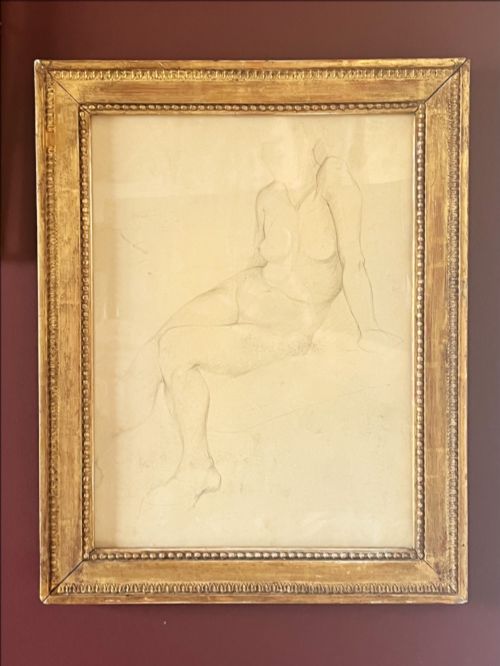
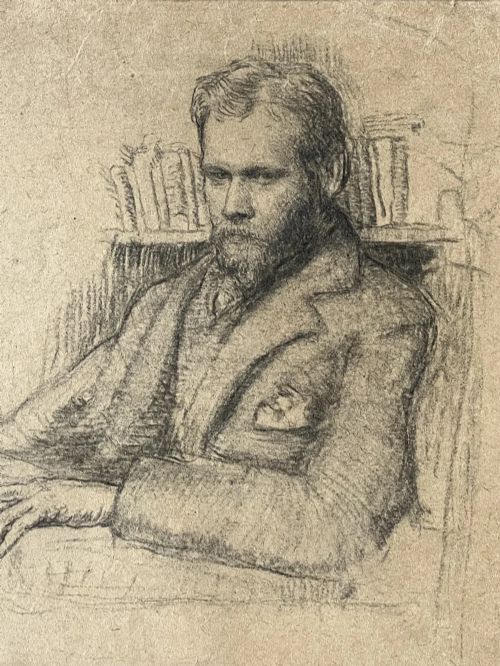
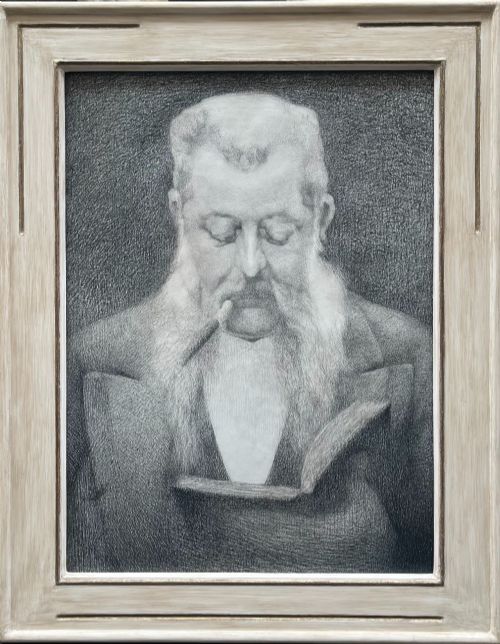
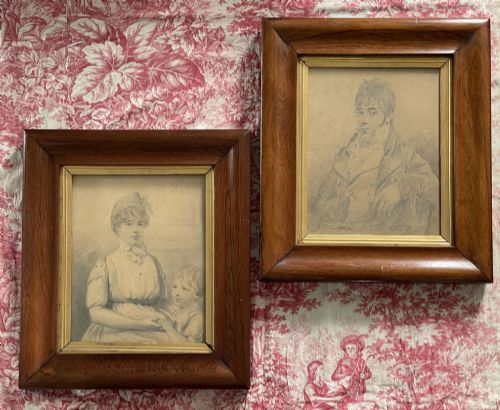
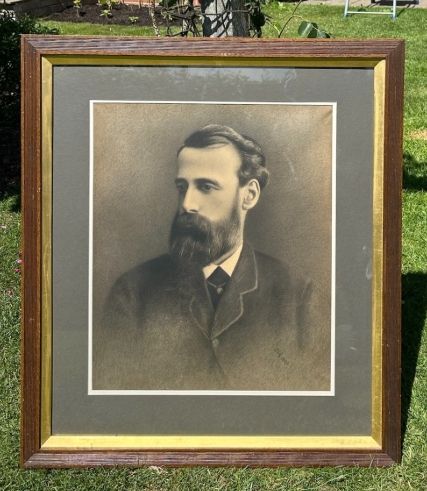
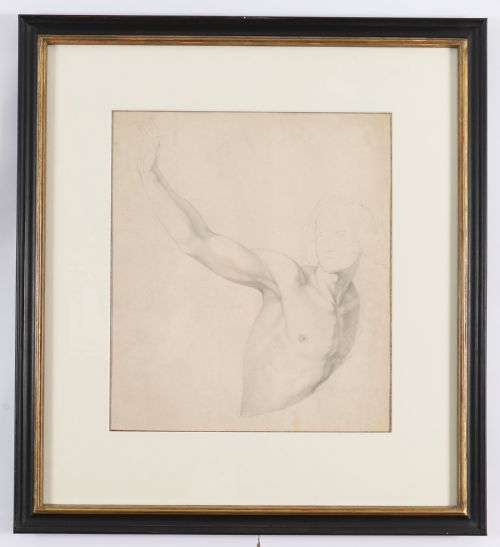
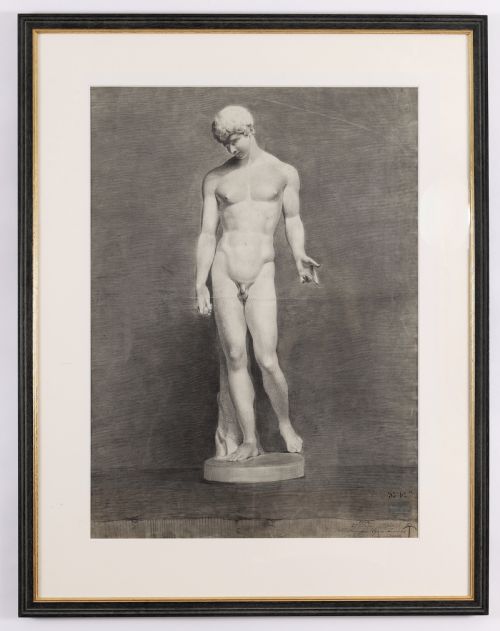
When you search for a framed pencil sketch, you are looking at original works on paper preserved beneath glass in timber and gilt surrounds.
Framed Pencil Sketch
A framed pencil sketch represents direct, unmediated draughtsmanship executed on paper and mounted for display behind glass.
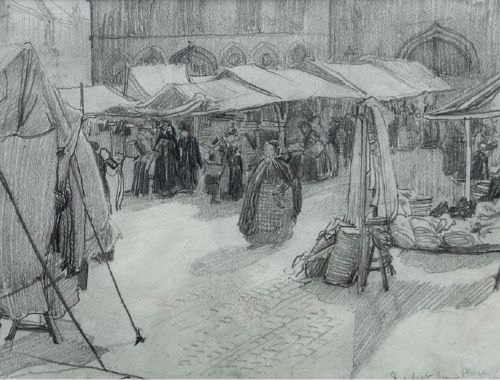
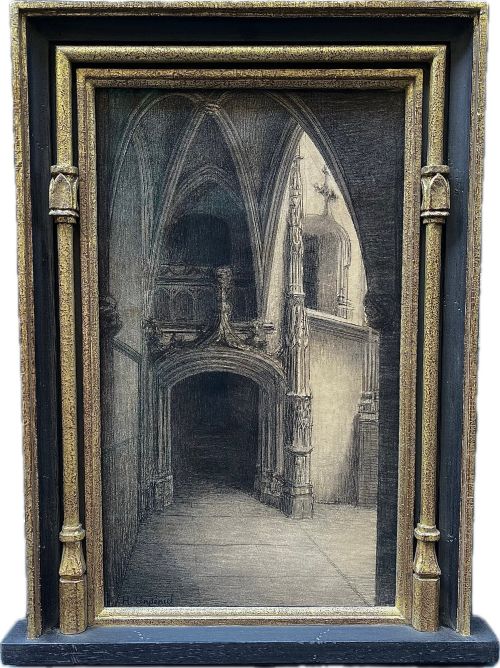
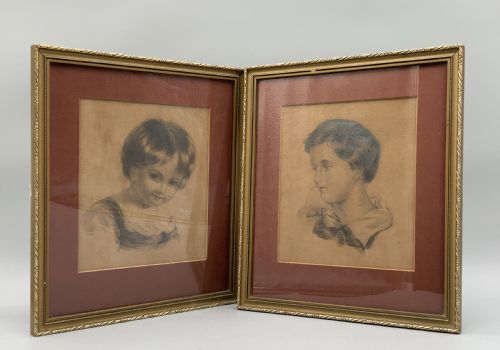
The versions you meet most frequently on this page span the eighteenth century through to the mid-twentieth century, encompassing Victorian portraits, academic studies, and architectural drawings.
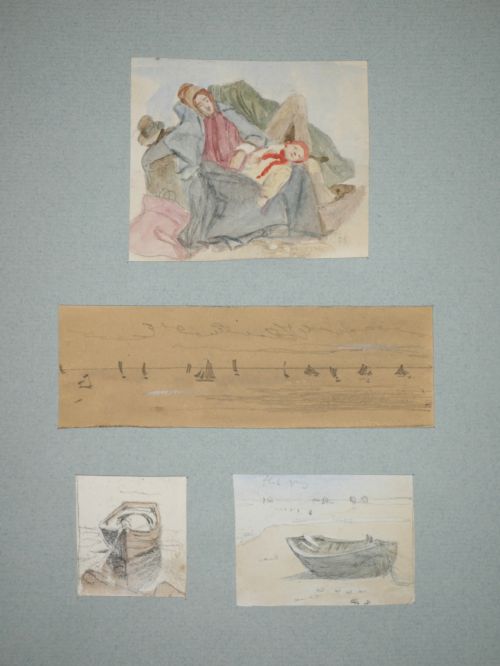
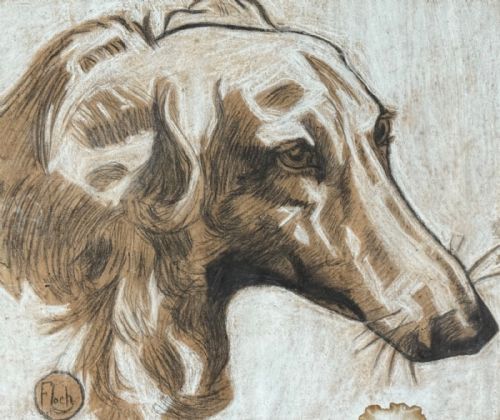
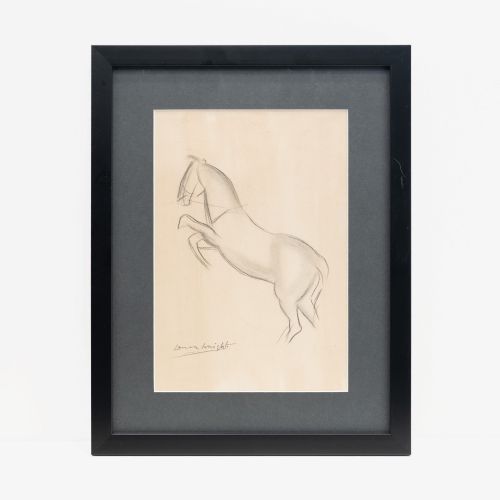
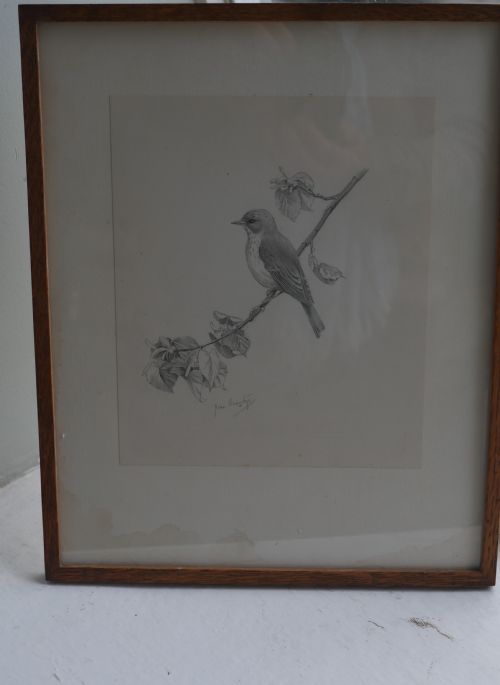
Subjects range from figural studies and animal portraits to topographical scenes and coastal sketches, typically preserved in period timber or gilt frames.
Materials and technique
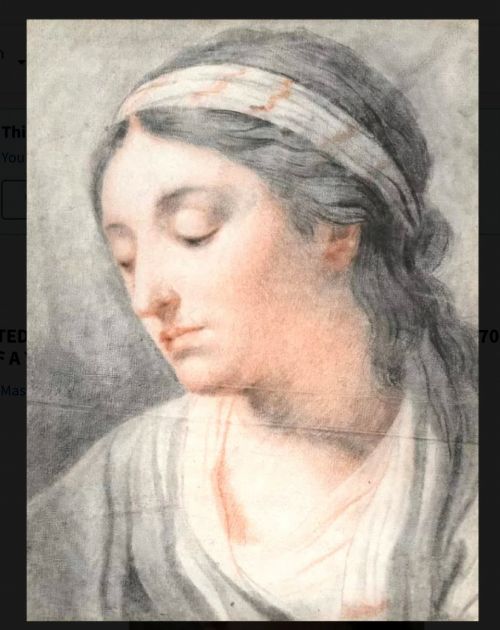
The core medium relies on graphite, charcoal, and plumbago applied directly to paper, buff paper, or card.
Many works incorporate supplementary media such as watercolour, gouache, chalk, and pastel to add tonal depth and colour to the primary line work.
Presentation involves protective glass set within handmade wooden frames, occasionally accented with gold leaf.
Materials recorded include graphite, charcoal, gouache, watercolour, gold leaf, and various papers.
Distinctions in quality
Quality rests on the sureness of the draughtsman's line and the expressive economy used to capture form and character.
The preservation of the paper support, the absence of excessive foxing, and the harmony of the original or period frame elevate an example above standard decorative works.
Henry Percy Huggill·James Smetham·Augustus John·James Stroudley·Henri Charles Angéniol·Dame Laura Knight·François-André Vincent·Sir Thomas Lawrence·Hans Holbein·Demetrios Galanis·Michael Lyne·J D Fergusson·J W Hogley·Raoul Millais·James Ferguson·Sir Francis Leggatt Chantrey·Fred Lawson·Ozias Humphry·L.S. Lowry·Richard Beavis
The Framed Pencil Sketch Glossary
- Plumbago
- An early form of graphite used for fine, detailed portraiture, particularly popular during the eighteenth century. It yields a characteristic silvery-grey metallic sheen.
- Grisaille
- A painting or drawing executed entirely in shades of grey or neutral monochrome to imitate sculpture. This technique emphasises form and shadow over colour.
- Foxing
- Brown age spots caused by chemical reactions in the paper pulp over time. Collectors assess these marks for their extent and proximity to the drawn image.
- Draughtsmanship
- The artist's skill in drawing lines and constructing perspective. It forms the structural foundation of any finished or preparatory sketch.
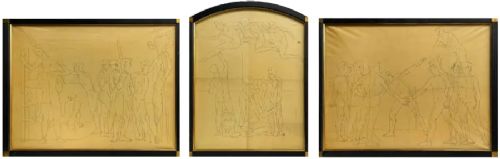
- Triptych
- A work of art divided into three sections or panels displayed together. In this selection, it describes connected thematic drawings presented under glass.
Framed Pencil Sketch: Frequently Asked Questions
How do I date a framed pencil sketch?
Dating relies on stylistic clues, costume details, paper types, and framing methods. Signatures, inscriptions, and collector stamps on the reverse provide further chronological anchors.
Evidence from the listings shows periods ranging from the eighteenth century to the mid-twentieth century, with styles shifting from Neoclassical portraiture to Mid-Century Modern and avant-garde abstraction.
Are these works original or reproductions?
Every piece presented here is an original drawing created by hand rather than a mechanical reproduction. Artists used graphite, charcoal, and ink directly on paper.
Close inspection under glass reveals the physical indentation of the pencil point and variations in line pressure unique to hand-drawn art.
How should I care for a framed drawing?
Keep works on paper away from direct sunlight to prevent the graphite, charcoal, and any supplementary watercolour pigments from fading. Stable indoor humidity protects the paper support and prevents frame warping.
Original glass should be cleaned gently with a cloth sprayed with cleaner rather than applying liquid directly to the frame edge.
What subjects appear most often?
Portraits and figural studies dominate the selections, featuring subjects from nineteenth-century gentlemen to life-drawing nudes. Architectural studies, animal portraits, and landscapes also recur across the periods.
These subjects reflect academic training regimes and the personal recording habits of artists across multiple centuries.