

19th Century Art Sketch
When you examine a 19th century art sketch, you hold a direct record of an artist's working thought.
19th Century Art Sketch
A 19th century art sketch captures the immediate visual impressions, preliminary studies, and finished compositions typical of the period. These pieces emerge primarily from British and European hands, spanning the Regency, Victorian, and later decades.
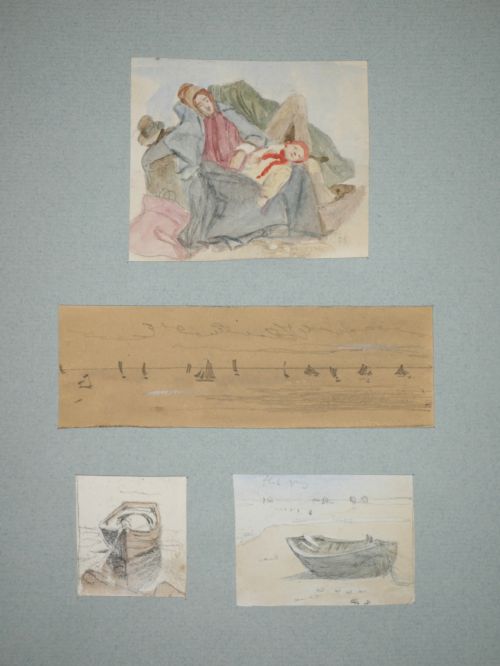
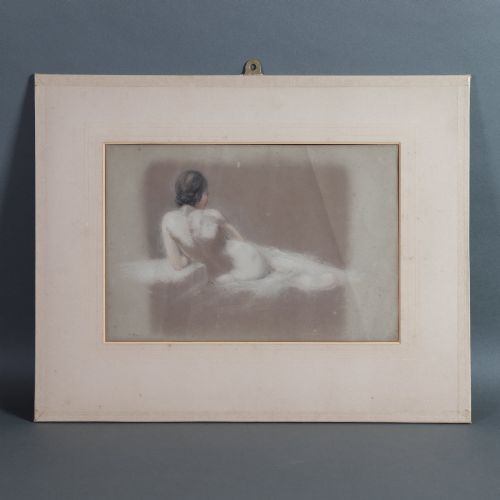
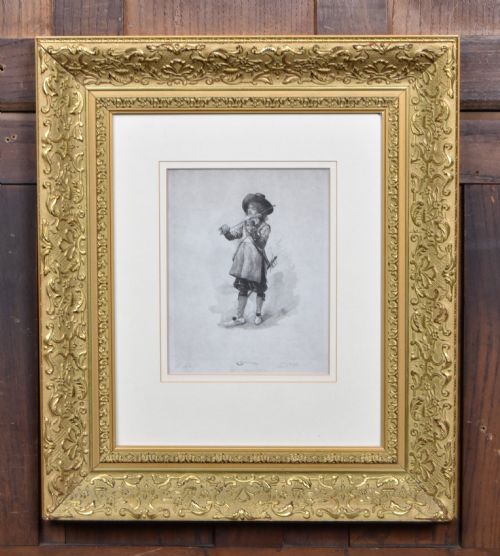
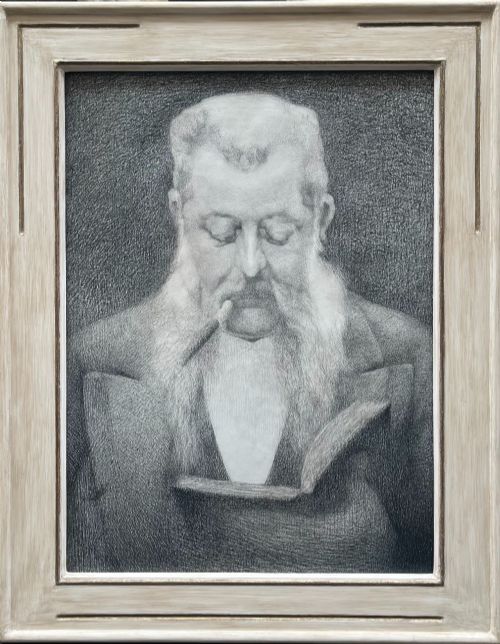
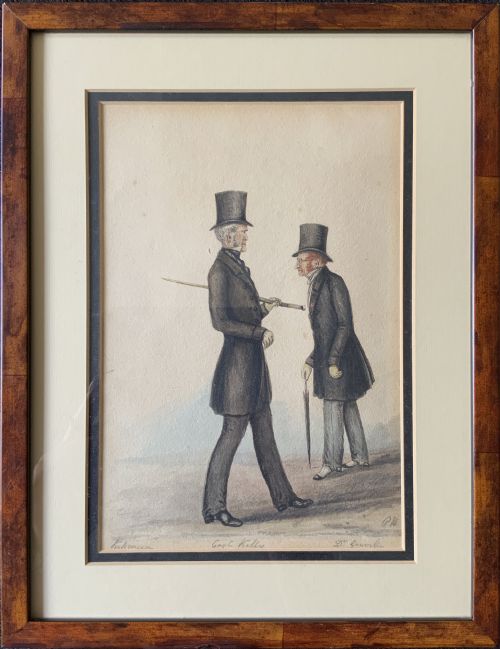
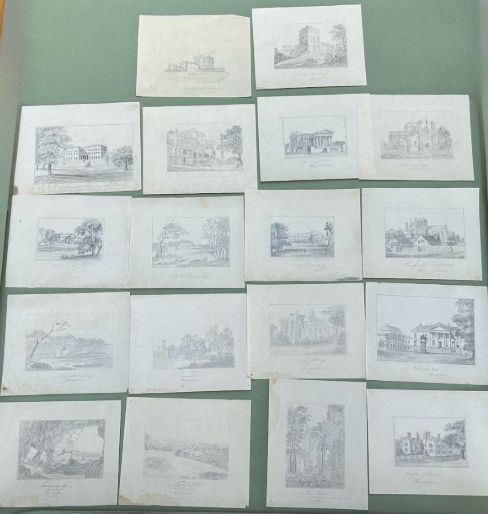
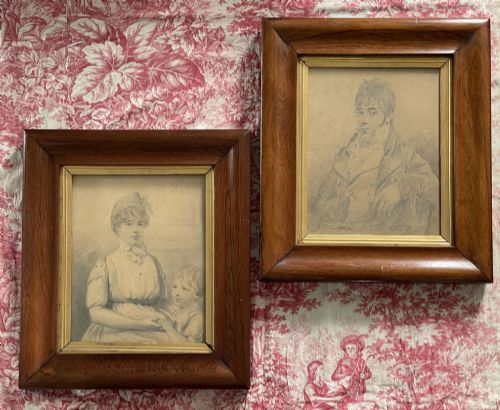
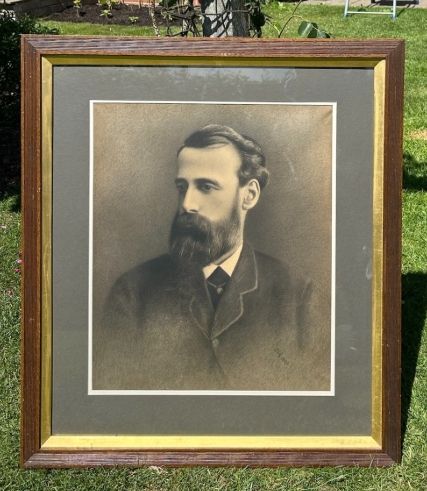
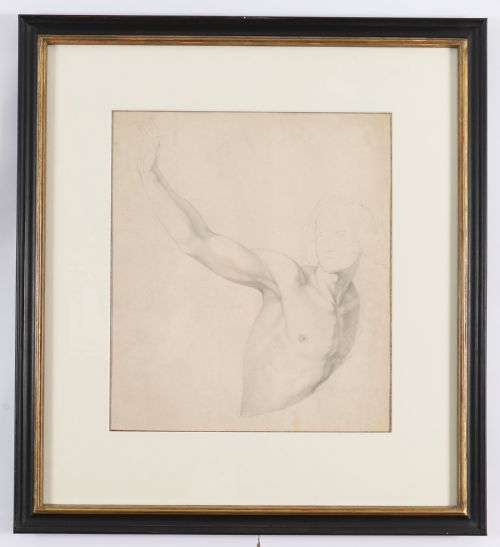
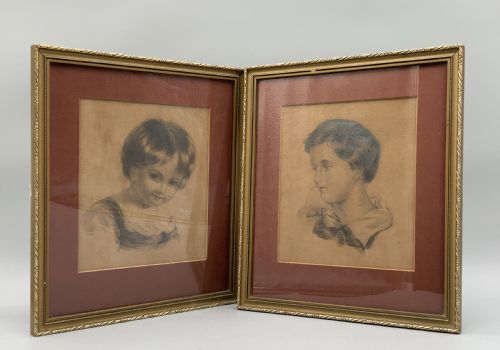
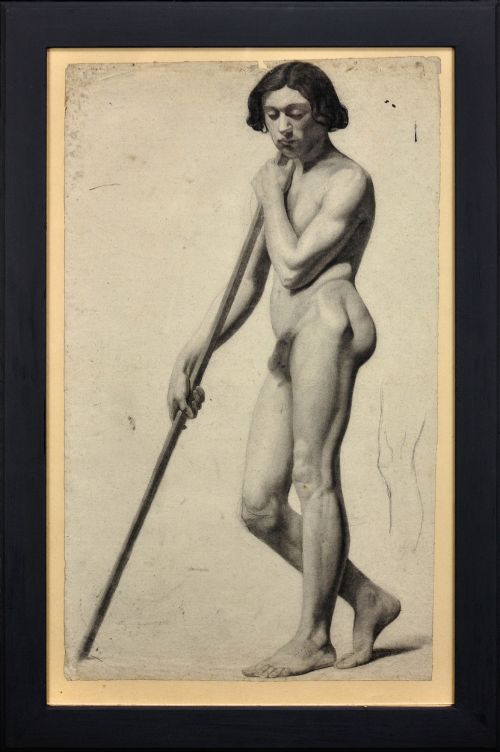
The most common forms on this page include framed artwork, wall art, and bound sketchbook leaves executed in pencil, ink, and watercolour. Subjects range from academic life studies of the human form to architectural plans, landscapes, and portraiture.
Buyers encounter works produced for formal training at institutions like the South Kensington School alongside spontaneous notes recorded during travels abroad in Austria or Venice. Each sheet reveals the working methods of artists navigating academic realism, romanticism, and pre-raphaelite ideals.
Materials and technique
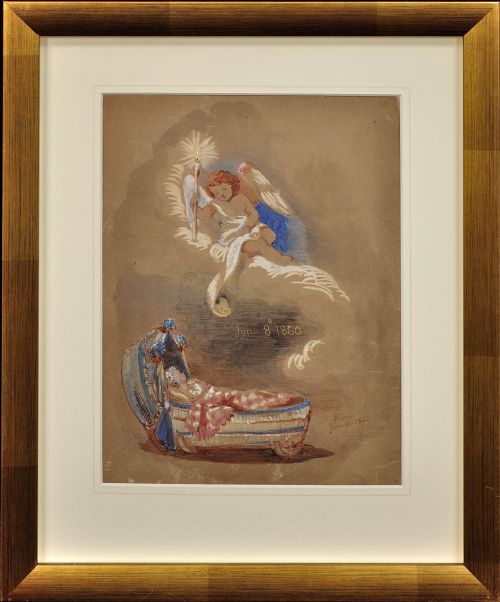
Draftsmen and painters of this era relied heavily on paper supports, applying graphite, charcoal, and chalk for linear definition and tonal modeling. Pigments were frequently water-based, encompassing transparent watercolour washes, opaque gouache, and iron gall ink.
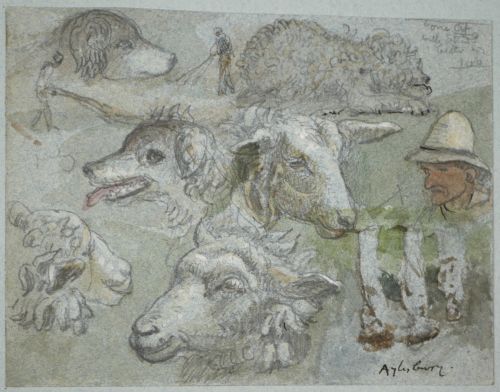
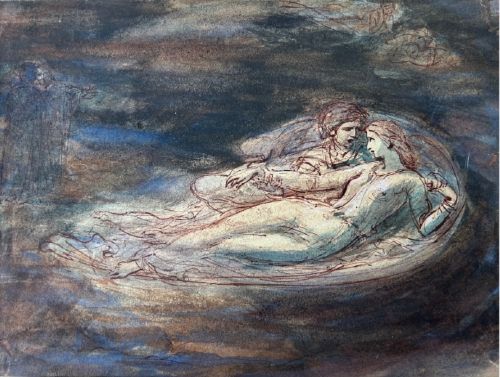
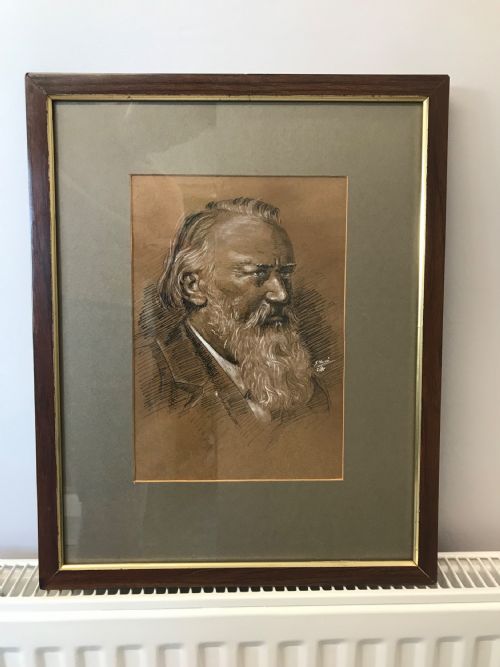
Artists combined these mediums directly on the page, often laying down a precise pencil grid or ink outline before applying washes of colour or highlights in white gouache. Mixed media studies utilised heightened charcoal and pastel to build depth on tinted or heavy paper stock.
At least one drawing preserves the meticulous handwriting of a student detailing the exact angles of a royal palace.
Assessing quality and execution
Quality rests upon the sureness of the initial line and the control shown in anatomical or architectural proportions. Academic life studies that demonstrate a confident grasp of musculature and light stand apart from hesitant student copies.
The relationship between the artist's hand and the final surface determines value among collectors. Superior examples retain their original immediacy without heavy overworking, displaying deliberate marks that clarify the subject rather than obscure it.
James Smetham·William Etty·Johannes Brahms·Henry Arthur Roberts·Princess Alice Maud Mary·William Frederick Settle·Alfred Dehodencq·Pierre-Paul Prud'hon·William Edward Frost·Hercules Brabazon Brabazon·Henrietta Elizabeth Howard·John Martin
The 19th Century Art Sketch Glossary
- Graphite drawing
- A work executed primarily with pencils using lead and carbon to build lines and shaded tones.
- Wash
- A thin, semi-transparent layer of diluted ink or watercolour applied across paper to create shadow or background atmosphere.
- Academic life study
- A detailed drawing or painting of a live model, produced as part of formal training within an art academy.
- Gouache
- An opaque water-based paint composed of pigment, water, and a binding agent such as gum, often used for highlights.
- Preparatory study
- A preliminary sketch or trial composition created by an artist in preparation for a larger, finished work.
19th Century Art Sketch: Frequently Asked Questions
What is a 19th century art sketch?
A 19th century art sketch is an original work on paper, such as a drawing or watercolour, created during the eighteen-hundreds as a study or finished composition.
These pieces document the personal observations, training exercises, and travels of artists from the period.
How were these sketches used?
Artists used these sketches to record figures, landscapes, and architectural details for future paintings or as independent studies.
Many examples originated inside artists' private sketchbooks before being mounted or framed for collection.
How should I frame a paper sketch?
Framing requires acid-free mounts and conservation-grade backing boards to protect fragile nineteenth-century paper from chemical degradation.
Keep these works away from direct sunlight to prevent the fading of graphite, ink, and watercolour pigments.
How do I identify the period of a drawing?
Dating relies on the style of the script, artist signatures, watermarks on the paper, and the characteristic dress or subject matter.
Comparing the handling of media to dated academic works from the same decade helps narrow down the origin.