




Academic Anatomical Drawing
An academic anatomical drawing captures the rigorous study of the human form, offering a direct window into classical training methods through graphite, charcoal, red chalk, and oil on paper.
Academic Anatomical Drawing
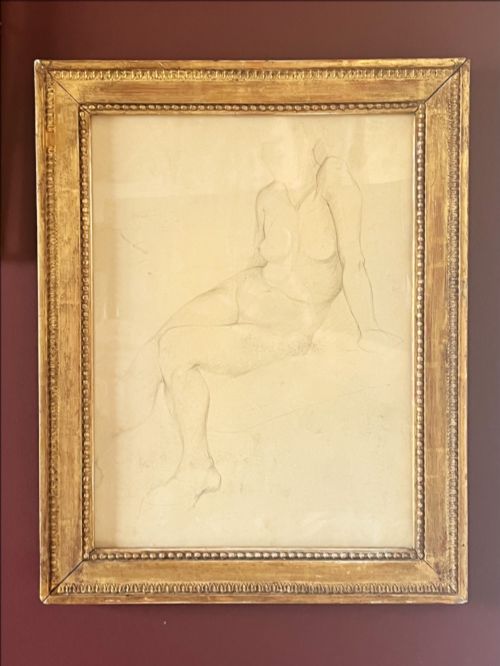
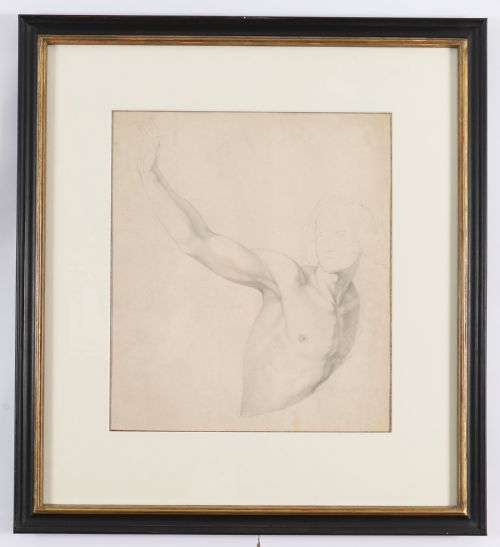
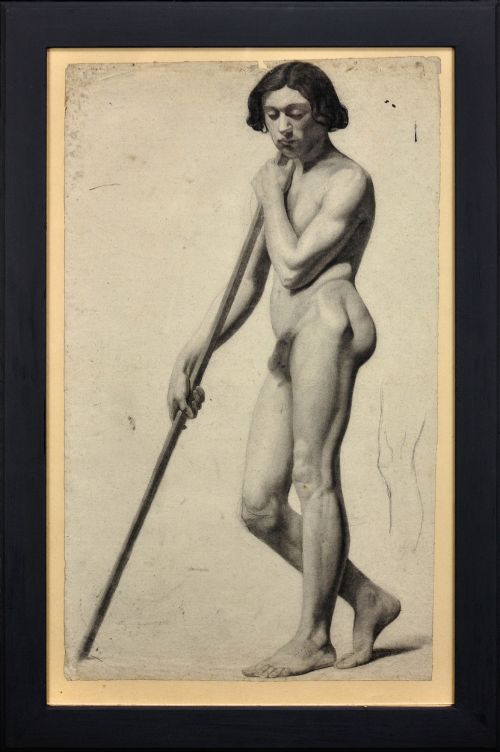
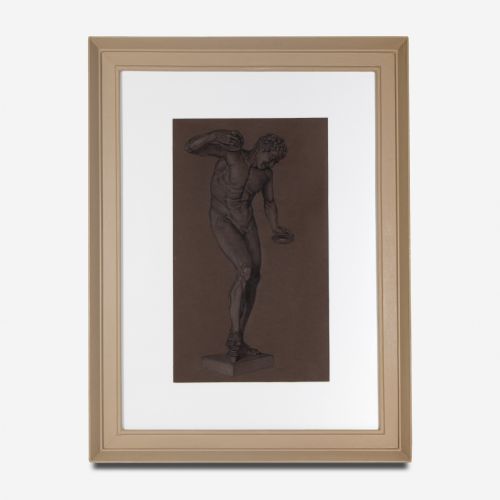
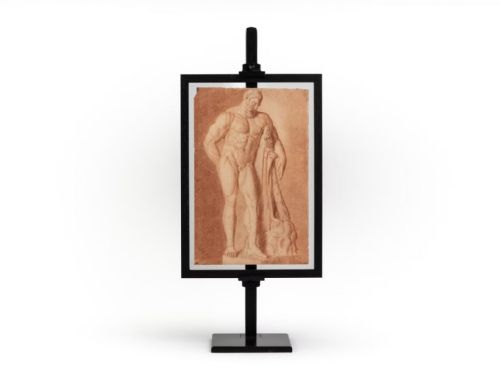
When you search for academic anatomical drawing, you are looking at rigorous studies of the human form created as part of traditional artistic training. The pieces on this page span from the eighteenth century to the mid-twentieth century, capturing both meticulous life studies and careful copies of classical sculpture.
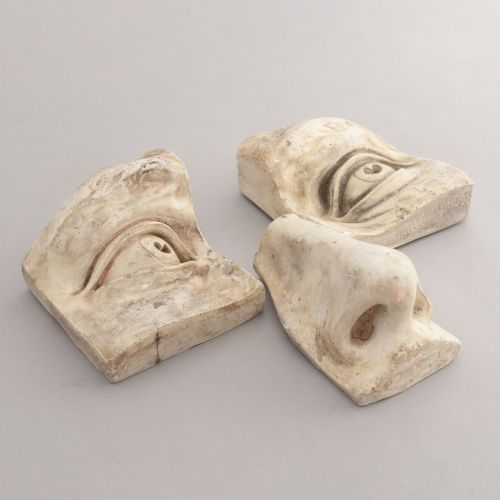
You will encounter framed drawings in graphite and charcoal, red chalk figure studies on paper, and oil paintings focusing on specific forms such as a foot or a male nude. Alongside these works on paper, the selection includes plaster casts that served as three-dimensional subjects for students learning volume and shadow.
The origins of these works reflect European training methods, featuring examples from English and Italian schools as well as French periods. Whether rendered in pencil or oil on paper, each piece records the methodical progression of an artist mastering proportion and realism.
What varies in quality
Quality in these works rests upon the precision of line and the accuracy of anatomical proportion achieved by the draughtsman or painter. Studies that demonstrate a sophisticated understanding of musculature and shadow stand apart from simpler student exercises.
The condition of the paper, the preservation of delicate chalk or graphite media, and the quality of the period framing contribute significantly to the character of each piece. Works displaying double-sided drawings, known as recto and verso, offer additional layers of artistic evidence.
Listings include works executed in graphite, charcoal, red chalk, and oil on paper, alongside plaster casts from the eighteenth, nineteenth, and twentieth centuries.
Henry Arthur Roberts
The Academic Anatomical Drawing Glossary
- Recto and verso
- The front and back of a sheet of paper or canvas. In academic drawing, students frequently utilised both sides of the sheet for studies.
- Plaster cast
- A rigid copy of a sculpture made by pouring plaster into a mould. These served as standard subjects for students learning tonal values.
- Academic realism
- A style of painting and drawing produced under the influence of European academies. It prioritises precise anatomical accuracy and classical proportion.
- Red chalk
- A brownish-red drawing material made from iron oxide and clay. Artists favoured it for figural studies due to its warm, expressive tones.
Academic Anatomical Drawing: Frequently Asked Questions
What is an academic anatomical drawing?
An academic anatomical drawing is a traditional study of the human body created by artists learning proportion and form within a formal school. These works range from quick sketches of limbs to detailed life studies of models.
Such drawings served as foundational exercises rather than finished exhibition pieces, revealing the rigorous training methods of past centuries.
How were these drawings used?
Artists used these drawings to master the complexities of human musculature, skeletal structure, and movement. By rendering live models or classical plaster casts, students developed the technical skills required for history painting.
Schools preserved these studies to teach subsequent generations of draughtsmen and painters the principles of classical realism.
How do I care for a drawing on paper?
Drawings on paper require protection from direct sunlight to prevent the fading of graphite, charcoal, and red chalk media. Archival framing with acid-free mounts helps preserve the paper substrate over time.
Maintaining stable indoor humidity levels prevents warping of the paper and protects antique wooden and gilt frames from deterioration.
How do plaster casts differ from drawings?
Plaster casts are three-dimensional white sculptures reproducing classical works, such as details of the human face or full figures. Drawings are two-dimensional interpretations rendered in media like graphite, chalk, or oil on paper.
While casts provided students with consistent lighting and form to study, drawings captured the translation of that three-dimensional subject onto a flat surface.