


Antique Master Study
These antique master study works bring historical academic rigour and direct preparatory draughtsmanship into your collection through authentic period drawings and paintings.
Antique Master Study
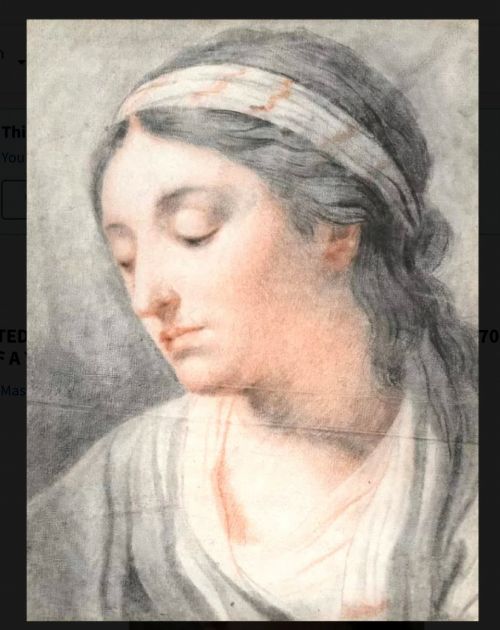
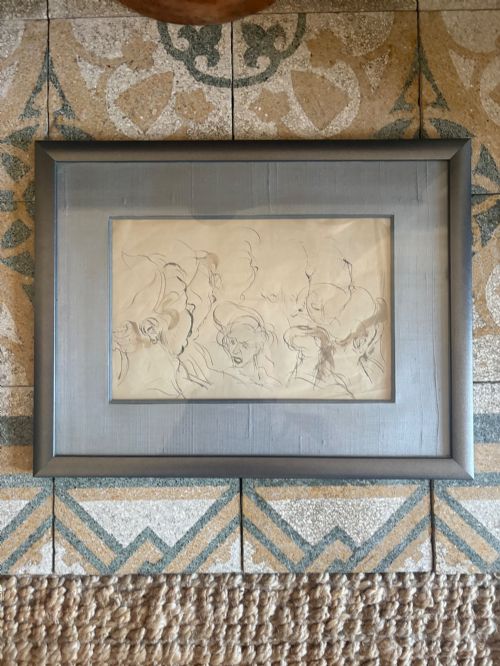
When you search for an antique master study, you encounter foundational works on paper and panel that reveal the working methods of artists across European schools. These pieces include preparatory sketches, figural studies, and head studies executed in traditional media.
The selections available span from the seventeenth century through to the early twentieth century, incorporating styles such as Baroque, Neoclassical, and Academic Realism. You will find works originating from French, Italian, Dutch, and British schools.
Many of these objects serve as preparatory studies for larger compositions or capture the style of prominent historical painters. They offer a direct window into the rigorous training methods of past ateliers and academies.
Materials and technique
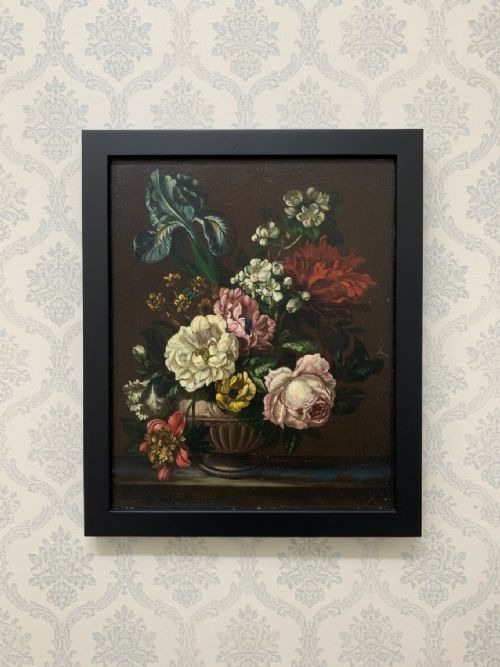
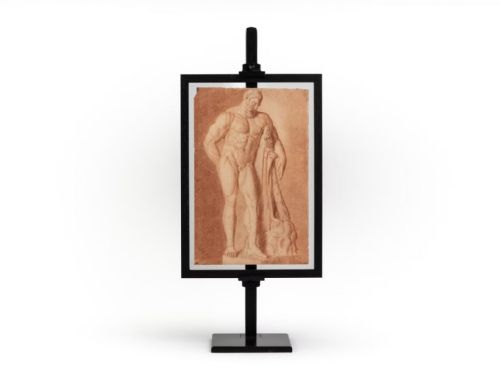
Draughtsmen and painters utilised a specific range of traditional media on prepared surfaces, predominantly employing red chalk, charcoal, ink, and chalk on paper. Artists also worked with oil paint on panel and canvas to capture tonal depth and volume in portraiture.
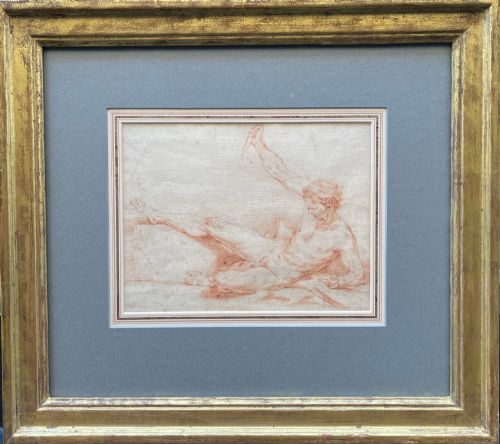
Techniques relied on careful hatching, wash, and sanguine applications to build anatomical accuracy and expressive form. These methods allowed masters and pupils to refine compositions before executing finished public commissions.
Listings feature works spanning the seventeenth, eighteenth, and nineteenth centuries, alongside early twentieth-century avant-garde pieces.
Assessing quality and execution
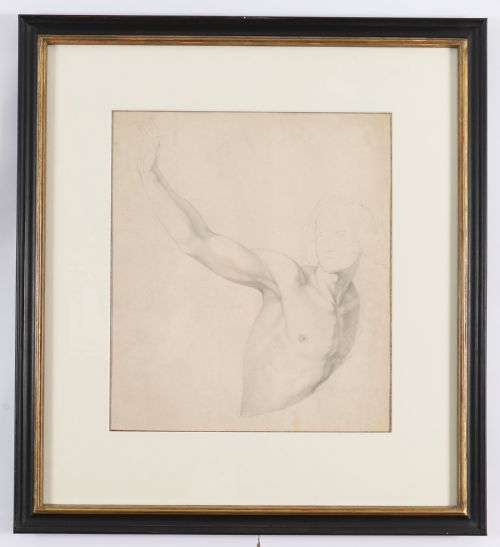
Execution and line confidence differentiate accomplished works from routine student exercises, with superior examples displaying decisive draughtsmanship and subtle tonal gradation. The strength of the anatomical understanding and the vitality of the initial gesture determine the visual impact.
Provenance and attribution to documented artists or established regional schools elevate the historical significance of a study. The preservation of the paper support, chalk surface, or oil pigment contributes to the overall integrity of the piece.
Francois Boucher·Hyacinthe Colin de Vermont·Peter Lely·Pierre Paul Prud hon·Demetrios Galanis·Bartolomeo Schedoni·Peter Paul Rubens·Pio Panfili·John Hoppner·Johan Noah Bemmel
The Antique Master Study Glossary
- Recto and verso
- The front and back sides of a single sheet of paper or panel. Master studies occasionally contain drawings on both sides.
- Sanguine
- A drawing created using red chalk or haematite crayon. This warm reddish-brown medium was favoured for skin tones and figural studies.
- Preparatory study
- A preliminary drawing or painting made in preparation for a finished, larger composition. These works record the initial artistic thought process.
- Deux crayon
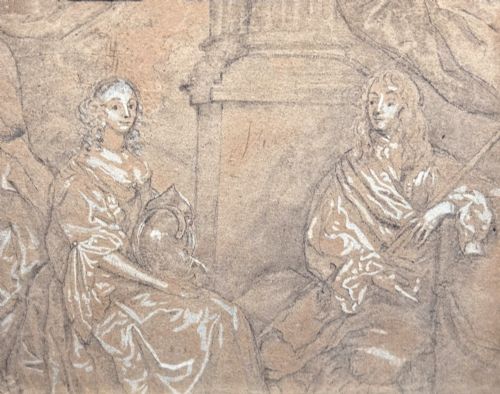
- A drawing technique utilising two coloured chalks, typically black and red on tinted paper, to achieve highlight and shadow. This method creates depth in academic studies.
Antique Master Study: Frequently Asked Questions
What is an antique master study?
A master study is a preparatory artwork, drawing, or painting created by an artist to learn technique, prepare for a larger commission, or record a composition. These pieces provide insight into historical studio practices.
They encompass works on paper, panel, and canvas across European art movements from the seventeenth to the early twentieth century.
How do I care for works on paper?
Works on paper require careful framing behind conservation-grade glass to filter ultraviolet light and prevent fading. Stable humidity and temperature environments protect the paper support and media.
Keep these delicate pieces away from direct sunlight and damp conditions to preserve the chalk, ink, or watercolour pigments.
How can I tell different centuries apart?
Stylistic indicators such as Baroque drama, French Neoclassical restraint, or twentieth-century avant-garde abstraction provide clear chronological markers. The watermarks on paper and the preparation of the support also aid in dating.
Examining the handling of media and the specific techniques employed by regional schools helps determine the period of origin.
Were these made as finished art?
Many studies were created primarily as working tools for artists rather than for public exhibition or sale. They served to capture a pose, experiment with light, or map out a grand canvas.
Their current status as collectible art stems from the appreciation of raw draughtsmanship and direct access to the artist's hand.