


Vintage Pencil Portrait
A vintage pencil portrait captures the likeness of a sitter through graphite, charcoal, or chalk on paper, offering an intimate record of historical personality.
Vintage Pencil Portrait
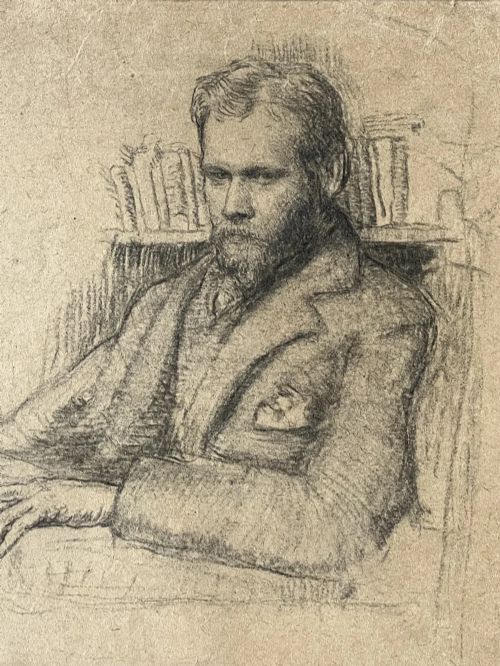
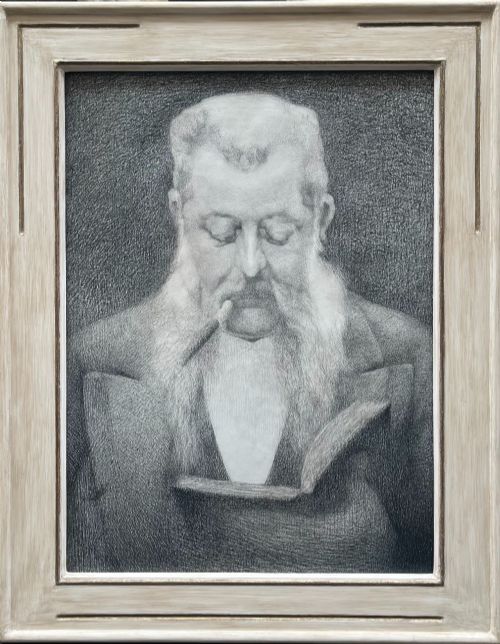
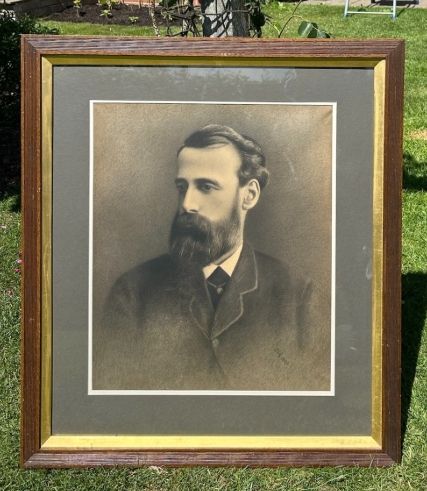
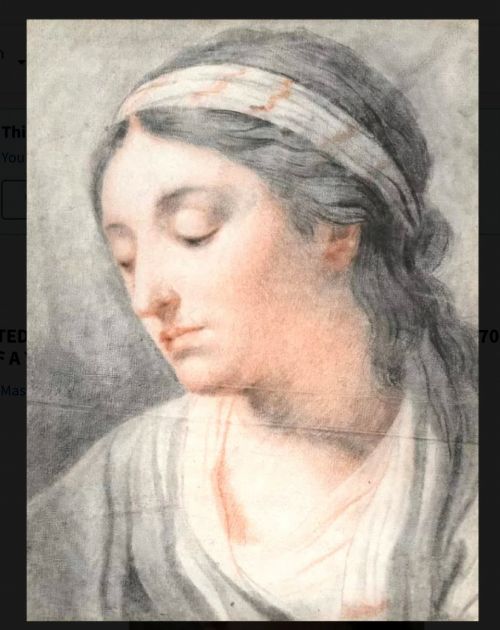
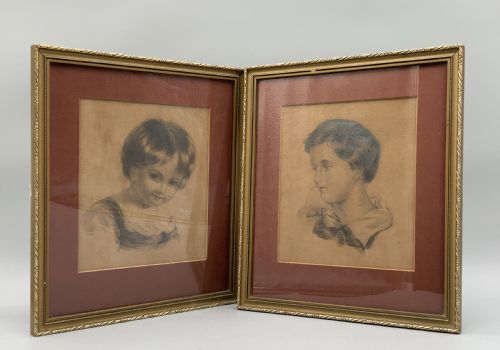
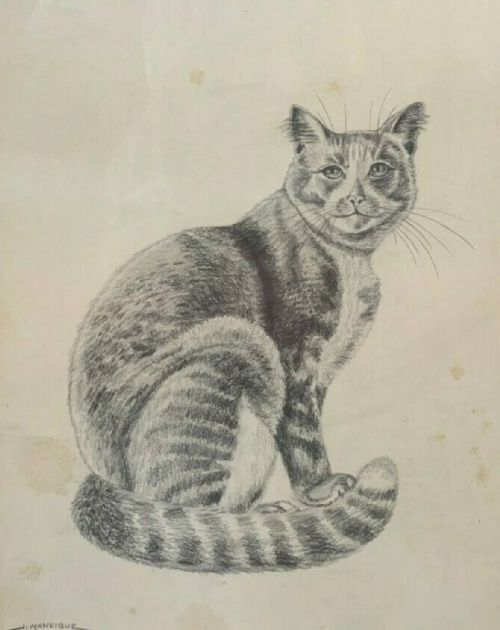
When searching for a vintage pencil portrait, collectors encounter original works on paper spanning from the nineteenth century through the mid-twentieth century. The predominant forms include framed drawings and studio studies depicting individual sitters, executed in graphite or mixed media.
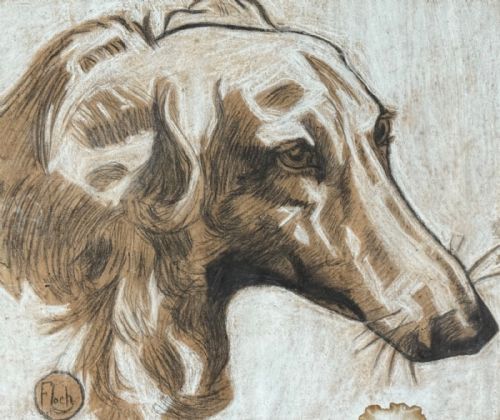
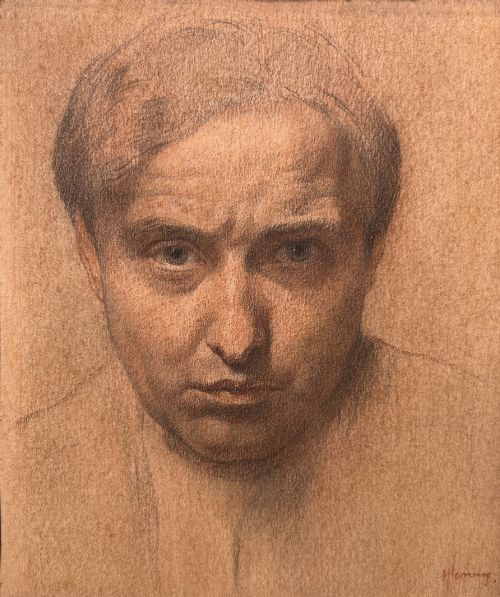
The selection ranges from academic realism and Edwardian sketches to Art Deco and mid-century modern interpretations. Works often feature graphite combined with watercolour, gouache, or pastel on buff or white paper.
Portraits vary from rapid observational sketches to highly finished presentation pieces. Subjects encompass named historical figures, artists, explorers, and anonymous sitters captured in distinct period attire.
Materials and technique
Artists utilise graphite pencils, charcoal, and chalk applied to various grades of paper, occasionally incorporating watercolour washes or gouache for tonal depth. Support papers range from standard drawing sheets to buff-coloured paper and canvas.
Works are frequently housed behind glass within wooden frames, sometimes accompanied by original mounts. The medium relies on precise line work and shading to create form and character without heavy reliance on colour.
Several drawings preserve the fleeting expressions of sitters who sat quietly while artists hastily captured their likenesses centuries ago.
Distinctions in quality
Quality rests upon the draughtsmanship and the artist's ability to capture the psychological depth of the sitter. Superior examples demonstrate confident, expressive lines and accurate anatomical structure rather than stiff mechanical copying.
The significance of the subject and the documentation provided by signatures, inscriptions, or known provenance elevate certain works above anonymous studio exercises.
Augustus John·Raoul Millais·Dame Laura Knight·Leo Klin·Francis Dodd
The Vintage Pencil Portrait Glossary
- Graphite
- A form of crystalline carbon used as a drawing medium in pencils. It produces grey or black marks that can be smudged or layered for tonal variation.
- Charcoal
- A lightweight carbonaceous material obtained by heating wood in the absence of oxygen. It yields deep black lines suitable for bold studies and expressive shading.
- Gouache
- An opaque watercolour medium composed of pigment, water, and a binding agent such as gum arabic. It provides solid blocks of colour that sit on top of pencil lines.
- Buff paper
- A pale yellowish-brown or tan paper commonly used by artists to provide a neutral mid-tone background. Highlights can be added in white chalk to create contrast.
Vintage Pencil Portrait: Frequently Asked Questions
How should I display a vintage pencil portrait?
Keep works on paper away from direct sunlight to prevent the graphite or paper support from fading over time. Glazing protects the delicate medium from atmospheric dust and moisture.
Ensure frames are securely hung with appropriate fixings suitable for the weight of the timber and glass. Stable indoor humidity levels help preserve the integrity of historic paper.
Are these drawings signed by the artists?
Many pieces feature artist signatures, studio stamps, or period inscriptions detailing the sitter and date. Signed works provide a direct link to the creator's hand and working methods.
Unsigned studio drawings frequently emerge from artist estates, offering insight into period academic training and observational practice.
What subjects appear in these portraits?
Sitters range from society figures and explorers to anonymous models captured in changing twentieth-century fashions. Artists often sketched family members, fellow artists, or historical personages.
Costume details, hairstyles, and uniforms frequently reflect the specific decade of execution, from Victorian collars to Art Deco silhouettes.
How do I identify the period of a drawing?
Period markers include the sitter's clothing, hairstyle, and any accompanying inscriptions or gallery labels on the reverse of the frame. Stylistic traits such as Edwardian elegance or mid-century abstraction also point to a specific era.
The type of paper and framing materials often provide additional physical clues regarding the date of creation.