


Paper Equestrian Artwork
Paper equestrian artwork captures the energy of horses and hounds through watercolours, pastels and early prints.
Paper Equestrian Artwork
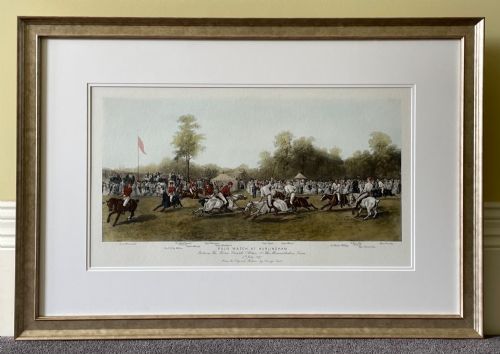
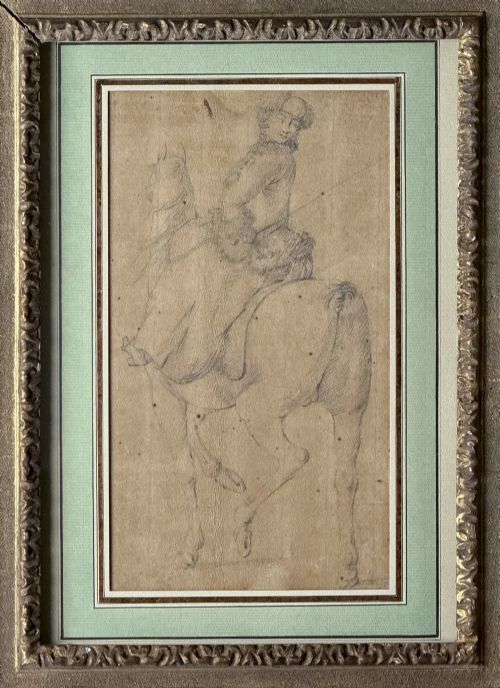
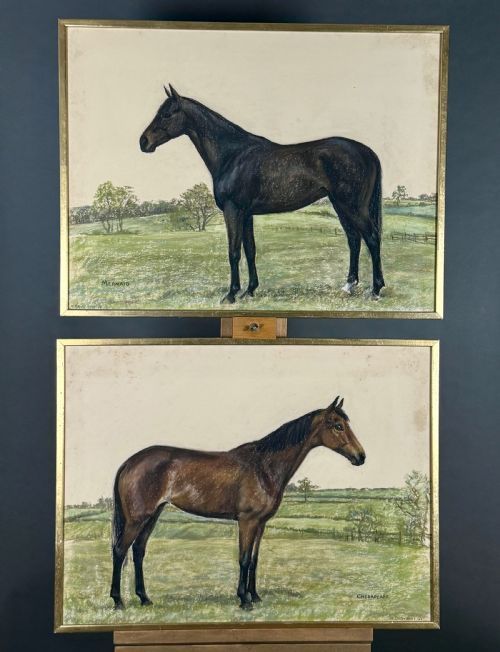
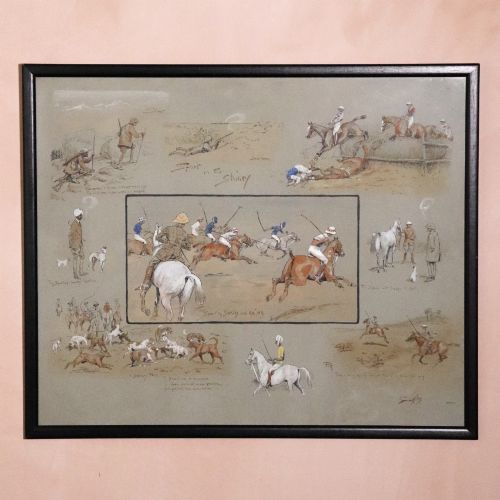
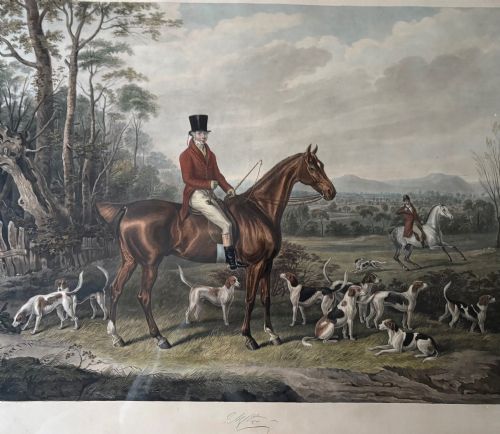
Paper equestrian artwork encompasses original watercolours, pastels, drawings and vintage prints dedicated to horses, racing, hunting and polo. Buyers search for these pieces to bring traditional sporting life and animal studies into domestic interiors.
The selections span centuries, from eighteenth-century northern European drawings to twentieth-century racing scenes and characterful prints. Watercolours and hand-coloured engravings on paper dominate the selection.
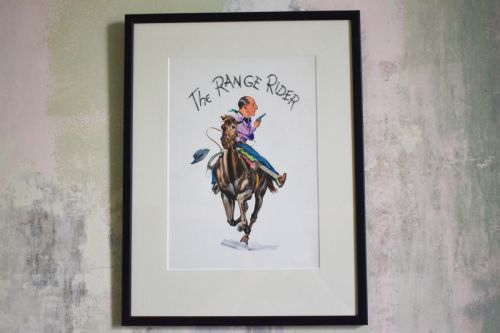
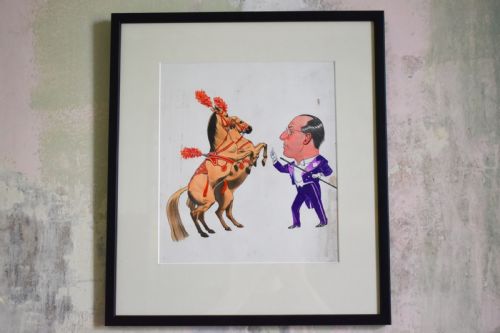
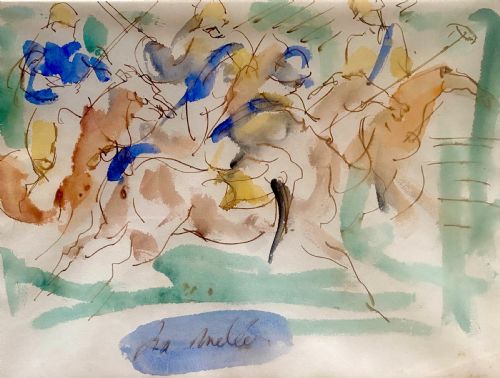
Subjects range from precise anatomical studies and polo matches to hunting meets and characterful animal portraits framed behind glass.
Materials and methods
Works rely on paper supports, utilising watercolour, ink, graphite, charcoal and pastel to capture movement and form. Hand-coloured engravings and lithographs introduce multiple copies finished with pigment by hand.
Frames typically combine wood and gilt moulding with protective glass, preserving delicate works on paper from atmospheric moisture and handling.
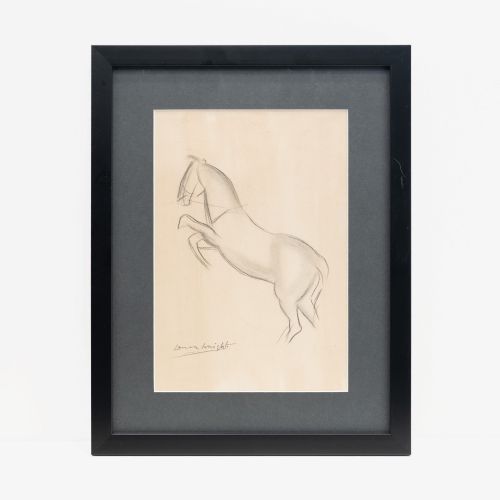
Several drawings capture horses mid-stride with expressions of absolute determination.
Quality factors
Execution and draughtsmanship separate accomplished artist-drawn watercolours from mass-produced decorative prints. The sureness of line in a pencil sketch or the fluid handling of watercolour pigment dictates the strength of the visual record.
Condition and preservation of the paper support heavily influence overall standing. Clean, unbleached paper without excessive foxing or fading retains the integrity intended by the artist.
Dame Laura Knight·John Rattenbury Skeaping·Anne Goldthwaite·Michael Lyne·John Sanderson Wells
The Paper Equestrian Artwork Glossary
- Aquatint
- A printmaking technique that produces tonal areas resembling watercolour washes. It allows artists to achieve subtle gradients of shadow and light.
- Chromolithograph
- A multicoloured lithographic print produced without hand-colouring. This method applies a separate stone for each colour used in the image.
- Foxing
- Brown spots caused by chemical reactions in ageing paper. Moisture and acidic materials often accelerate this spotting.
- Lithograph
- A planographic print made from a stone or metal plate. The greasy drawing repels water while retaining ink for the press.
Paper Equestrian Artwork: Frequently Asked Questions
How do I frame antique paper equestrian artwork safely?
Use acid-free mounts and backing boards to prevent chemical damage to the paper over time. Ensure the glass used does not touch the surface of the watercolour or pastel.
Keep framed works away from direct sunlight and damp environments to prevent fading and foxing.
Are these pieces original paintings or reproductions?
The selection includes both unique works like watercolours and pastels, and period print formats such as lithographs and engravings. Check the description for medium details to confirm the status of the item.
Original drawings show hand-applied pigment and paper texture, whereas prints reveal ink dot patterns or plate marks.
What subjects are common in equestrian art?
Common subjects include fox hunting scenes, polo matches, racehorses, coaching prints and intimate animal studies. Artists often depicted horses in active motion or working alongside handlers.
Military cavalry studies and portraits of famous racehorses also feature prominently across the periods.